
Lucknow: encountering Awadh heritage in two city days
The Tatilmerkezi Stork places the large imambara buildings and Residency heritage on separate Lucknow days. Bara Imambara, Rumi Darwaza and the Husainabad area form one side of the programme; Residency ruins, a shorter central walk and meals form another. This Uttar Pradesh city need not serve only as a transit point within a longer India circuit. Four calendar days and three nights provide two complete city days between arrival and departure. The guide is a Lucknow city plan rather than a claim to cover the entire state or all Awadh history during one visit. Someone with one sightseeing day between business appointments can select the old-centre cluster. Two days allow architectural and other historical contexts to connect at a more considered pace.
Four days and three nights: a clustered programme
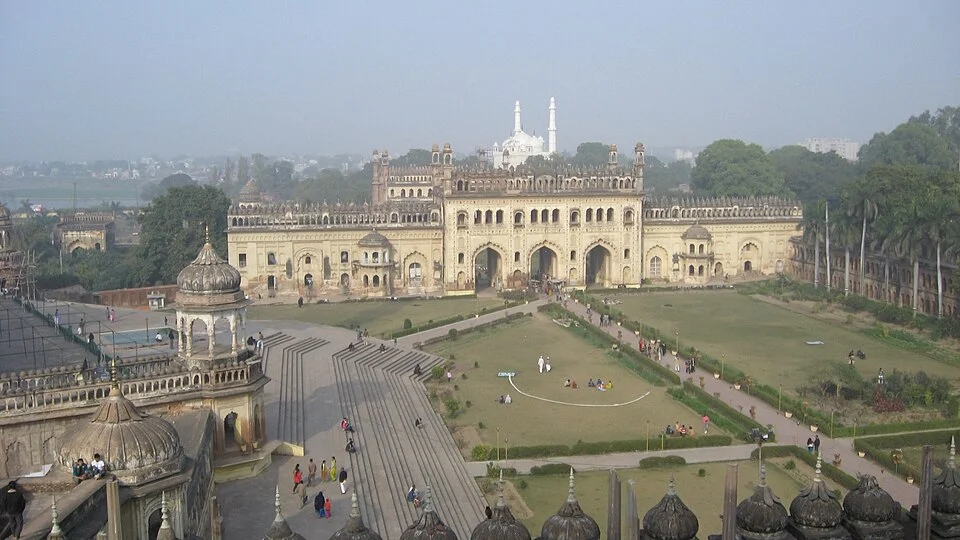
Day one is arrival and settling into accommodation. Day two starts with Bara Imambara as the principal visit and moves towards Rumi Darwaza. If the pace suits the group, choose Chota Imambara and the clock tower as shorter parts of the same heritage day. Day three visits the Residency, followed by a central meal or a shorter walk around Hazratganj. Day four is departure. This means two complete sightseeing days and three nights; the departure morning is not counted as a third full day. Allowing longer for imambara interiors means removing the final smaller stop. One principal building with calm connections can make a programme clearer than trying to complete every old-centre structure during an afternoon. Establish the meeting point and final return before entering.
Bara Imambara: a measured visit through halls and passages
Give Bara Imambara the largest time allocation on day two. The district administration introduces the building and Bhulbhulaiya passages within historic city heritage. Do not assume every surrounding area has identical access conditions. If considering the labyrinth section, ask at entry about current directions and guide requirements instead of treating independent exploration of every narrow passage as compulsory. Understanding several principal spaces may be more useful than climbing every staircase. Follow behaviour, clothing and photography instructions appropriate to religious and historical use. Interior permission can differ from photographing the exterior. Precise opening times, ticket prices and guide fees are not invented here. A pause after the main visit makes the gateway and neighbourhood section easier to appreciate rather than simply extending an already exhausting visit.
Rumi Darwaza, Chota Imambara and the clock tower
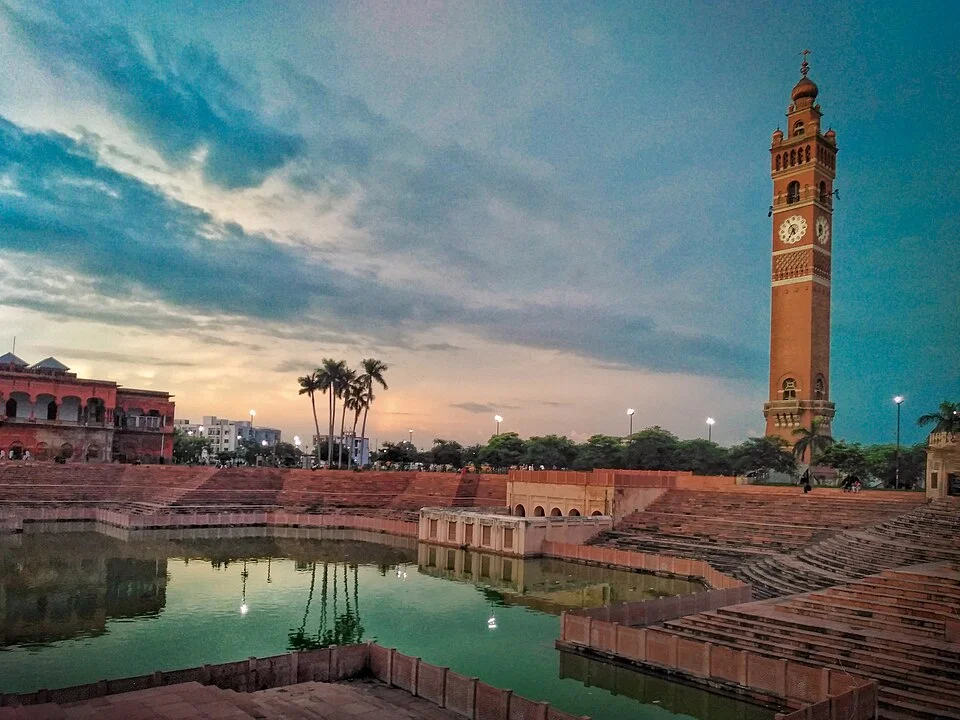
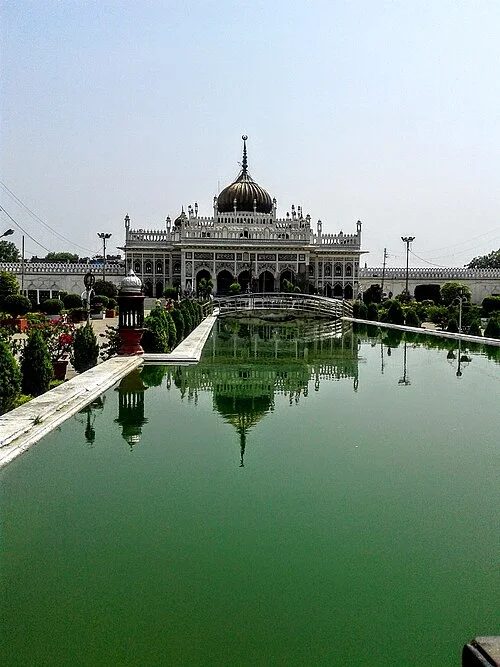
Rumi Darwaza is the historic gateway described by the district administration; it is not the Bara Imambara building. Consider the gateway area as a shorter exterior and architectural observation stop. Do not obstruct a crossing to obtain a photograph where traffic or conservation directions apply. Chota Imambara is also a separate visitor location. Ticket or guiding arrangements from another building need not transfer automatically. A visitor interested in decorative and historic spaces can allocate time here, shortening the programme if a ceremony or use restriction affects the date. Husainabad Clock Tower offers a different outdoor pause. Ranking it as the tallest in India or the world is unnecessary for this city visit. Short connections and a suitably placed meal can link these distinct heritage elements within one manageable day.



Residency: ruins, landscape and the 1857 context
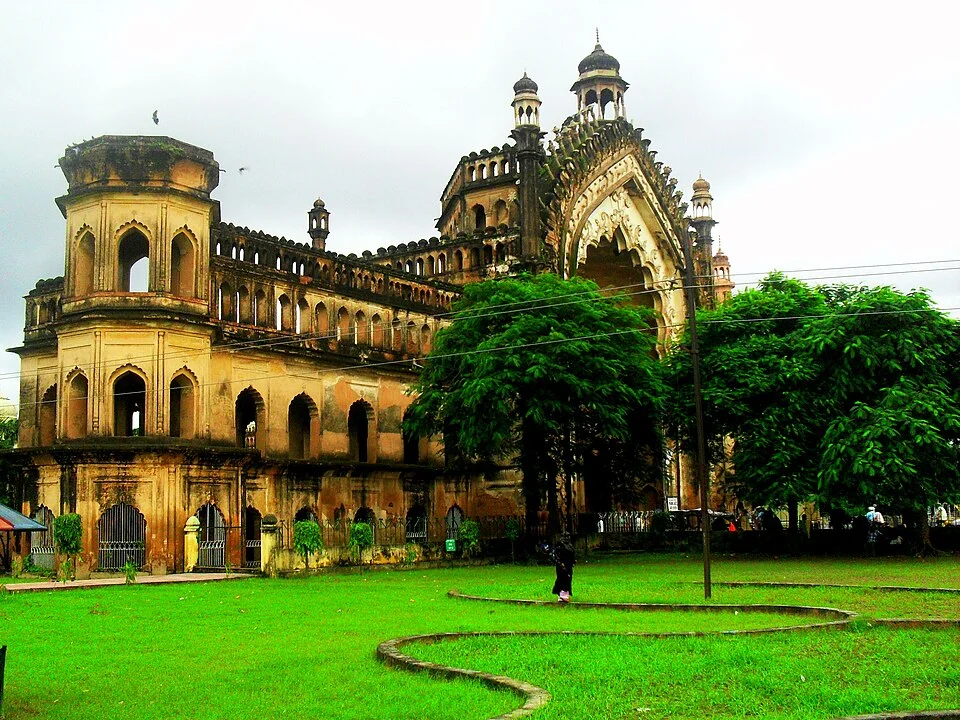
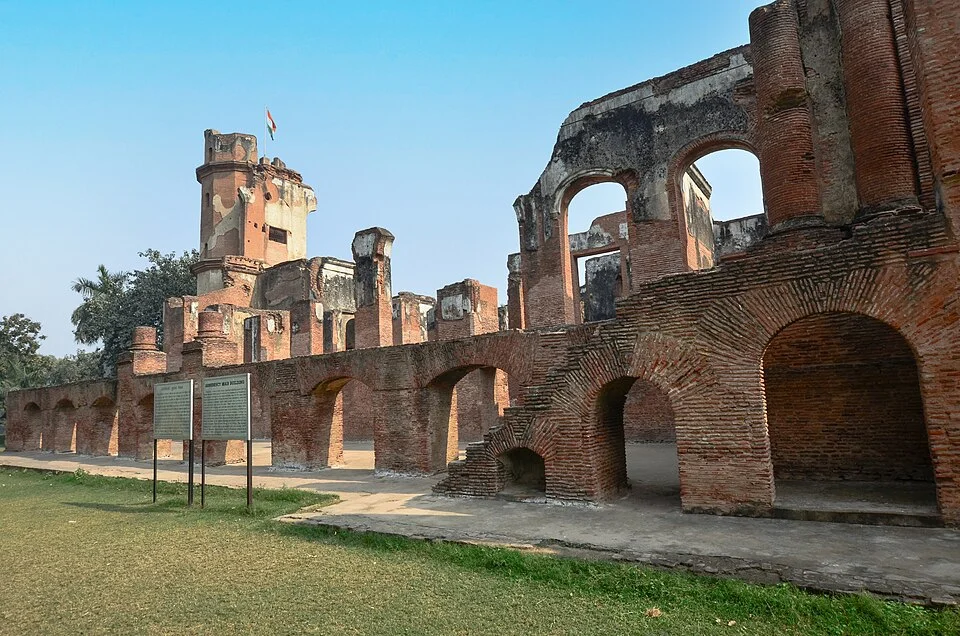
Lucknow district administration introduces the Residency complex through historic structures, the 1857 events and a memorial museum within the grounds. Do not interpret the exterior ruins as intact rooms throughout an old palace. Understand the site arrangement first, then stop at the structures and explanations that interest you. Independently confirm museum opening and current visitor directions. Broken arches are more than a dramatic picture backdrop: they provide a place to consider different historical interpretations. Follow established routes without climbing remains, and avoid gathering the entire group at a narrow point. Spending longer outdoors may mean shortening central shopping afterwards. Someone with a more limited historical interest can complete a selected walk and shorter reading period rather than giving every detail the same amount of attention.

Galouti kebabs, biryani and khasta kachori
The national Incredible India food guide identifies concrete Lucknow choices including galouti kebabs, mutton biryani and khasta kachori. Consider a kebab within a principal meal on the old-centre day, then choose a different breakfast or biryani meal the next day. For someone avoiding meat, khasta kachori and the potato-and-chickpea accompaniments described in the guide provide another starting point; actual ingredients and preparation need checking at the kitchen. Do not treat Chowk and Aminabad as the same neighbourhood. Select a dining address through the route and present opening hours instead of crossing the city repeatedly because several businesses are famous. Old prices appearing on the national tourism page are not repeated as current charges. There is no obligation to finish biryani and kebabs in one large meal: different flavours can be spread across the two days.
Accommodation, Charbagh and real transport connections
Compare an accommodation candidate near the Charbagh railway arrival with one in the Hazratganj central area. The first may simplify a luggage transfer and the second a central walk, but decide through the exact address and daily connections. A business or accommodation address around Gomti Nagar does not establish automatic proximity to old-centre heritage sites. Arrange the airport transfer independently from the imambara day. Uttar Pradesh Metro Rail Corporation is the official channel for current travel and operation information; do not present every corridor in an old project report as an operating metro service. Access to the official main website was limited during preparation, so no precise route or last-departure claim is made. Check current operator information before visiting, allowing time separately for the final door walk, luggage and any interchange.
Narrow the two-day plan according to your interests
A visitor prioritising architecture can extend the imambara day and shorten shopping on day three. Stronger historical interests can justify a calm reading section within the Residency. Someone researching textiles or chikankari should ask the seller about the actual handmade nature of an item rather than assuming identical production methods or quality at every store. Shopping time cannot be inserted between attractions without using part of the available day. Keep the final evening for a selected meal, packing and return preparation. Sources were checked on 4 October 2026. Ceremony, maintenance, entrance and daily transport conditions should be confirmed before visiting. A practical first Lucknow programme links old-city architecture, Residency history and Awadhi meals across two achievable days without claiming to explain the entire state.