
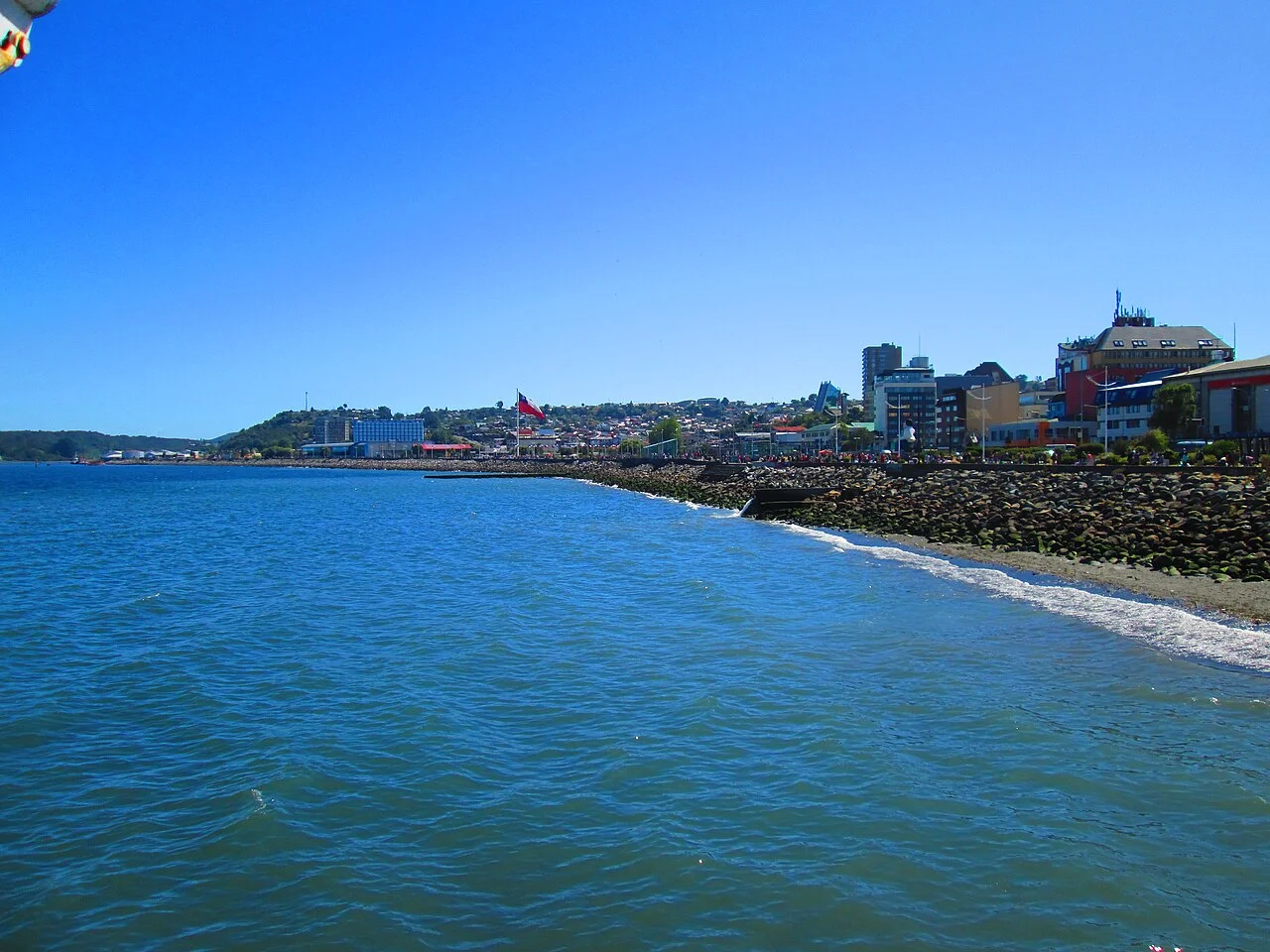
Puerto Montt can deserve more than the gap between arriving in southern Chile and catching the next connection. The Tatilmerkezi Stork suggests a small two-night city pause: find your bearings on the central waterfront on the first day, devote the second day to Angelmó's market and a warm meal, then depart on the third morning. The purpose is a port-city visit with manageable luggage and neighbourhood choices. It is not an attempt to fit the whole of Chilean Patagonia into a weekend. A few carefully placed stops work better when rain, meal times and onward tickets share the same schedule.
Putting two nights across three calendar days
Imagine arriving during the first afternoon. Check into your accommodation, leave your main luggage and take a short waterfront walk. Choose a central dinner without turning it into a large seafood tasting, so there is room for the following day's Angelmó meal. After breakfast on day two, travel to the market area and allow separate time for browsing and eating. The afternoon can contain rest in the centre or another coastal pause if conditions suit. Day three is for breakfast, collecting luggage and leaving. Travellers arriving on a night bus can rearrange day one, but should not assume that an accommodation booking automatically includes early access.
The reward here is not a different attraction every hour. Looking carefully at bundles of seaweed, sitting down to a hot bowl of soup and recognising the waterfront on your map can be enough to understand the city's scale. An already purchased flight or ferry is the fixed point around which the city visit should fit. Adding a distant national park to the same short schedule requires another transport and weather plan. Keep that excursion for time that actually exists rather than borrowing it from departure morning.
First day: finding your bearings on the central waterfront
Chile Travel places Puerto Montt on the northern shore of the Seno de Reloncaví and identifies the waterfront, cathedral and Angelmó among its city references. Use your central walk to learn the connection between the coast and the street where you are staying. Looking towards the water does not grant access to every pier. You do not need to reproduce an old photograph's exact viewpoint by entering a closed section; staying on the public walking area provides a useful first encounter with the city.
If rain starts, shorten the outdoor portion and switch to a seated meal. A light rain shell, a dry spare layer and shoes that handle slippery pavement are useful for this compact city visit. Spending the first evening close to your base makes the next morning's market trip easier. When selecting a room for its water view, examine the direction of the window and the relationship with the main road as well as the photograph. A pleasant outlook and a quiet night's sleep are separate accommodation questions.
Angelmó: keeping the market visit and the meal separate
The municipal tourism page describes Angelmó through its fishing harbour, craft market and seafood. Browse first, then decide where to eat. Shopping for crafts and sitting at a cocinería table are different activities, with different payment arrangements and amounts of time. Once you have taken in the entrance to the area, compare menus and choose somewhere that has a workable option for everyone in your group. A travelling companion who does not enjoy seafood should not have to negotiate lunch only after everybody else has ordered.


Keeping a real lunch window prevents the market from becoming a hurried stop on the way elsewhere. If you buy food to carry away, consider how it will be kept during the next journey. A purchase requiring cold storage needs a different plan from a small craft souvenir. This guide does not identify an old stall photograph as a present-day restaurant recommendation, and it does not promise that every trader will be open. Your actual visit is shaped by the businesses operating that day, your meal preferences and the time available before returning to your base.
A cocinería meal: pulmay and warm soup in context
SERNATUR's historical Los Lagos inventory records the Angelmó food context through fish and seafood, seafood soups and curanto prepared in a pot, or pulmay. The inventory is useful for understanding the regional culinary vocabulary; it is not a current menu for every restaurant. If offered during your visit, sopa marinera can provide a warm single-bowl lunch. If considering pulmay, establish the ingredients and the number of people a serving is intended for before arranging a shared meal. Let the actual kitchen's preparation determine the order, rather than assuming that one regional name guarantees an identical plate everywhere.


Meeting local food does not require ordering every example in one sitting. After a seafood soup lunch, a smaller dinner and a coffee break may make more sense. A June 2026 municipal gastronomy notice lists central café stops including Café Sirope and Panichini, with kuchen among options in other neighbourhoods. Its promotional benefits were conditional on a same-day Turistik ticket. We use the notice as evidence that a separate central coffee pause belongs in the meal plan, without promising those prices or an automatic discount. There is no need to travel to another district merely to tick off a dessert when your departure preparations need attention.
Cochayuyo: distinguishing an ingredient from a restaurant plate
Finding cochayuyo on the food side of a market does not mean that a prepared dish has been served. Our photograph shows bundles of seaweed offered for sale, an ingredient scene rather than a named restaurant's meal. Studying the produce connects the local food context to the sea before you even take a table. If buying an ingredient, learn how it is prepared and stored. An entire bundle does not need to enter your suitcase simply because it looks intriguing in a photograph.
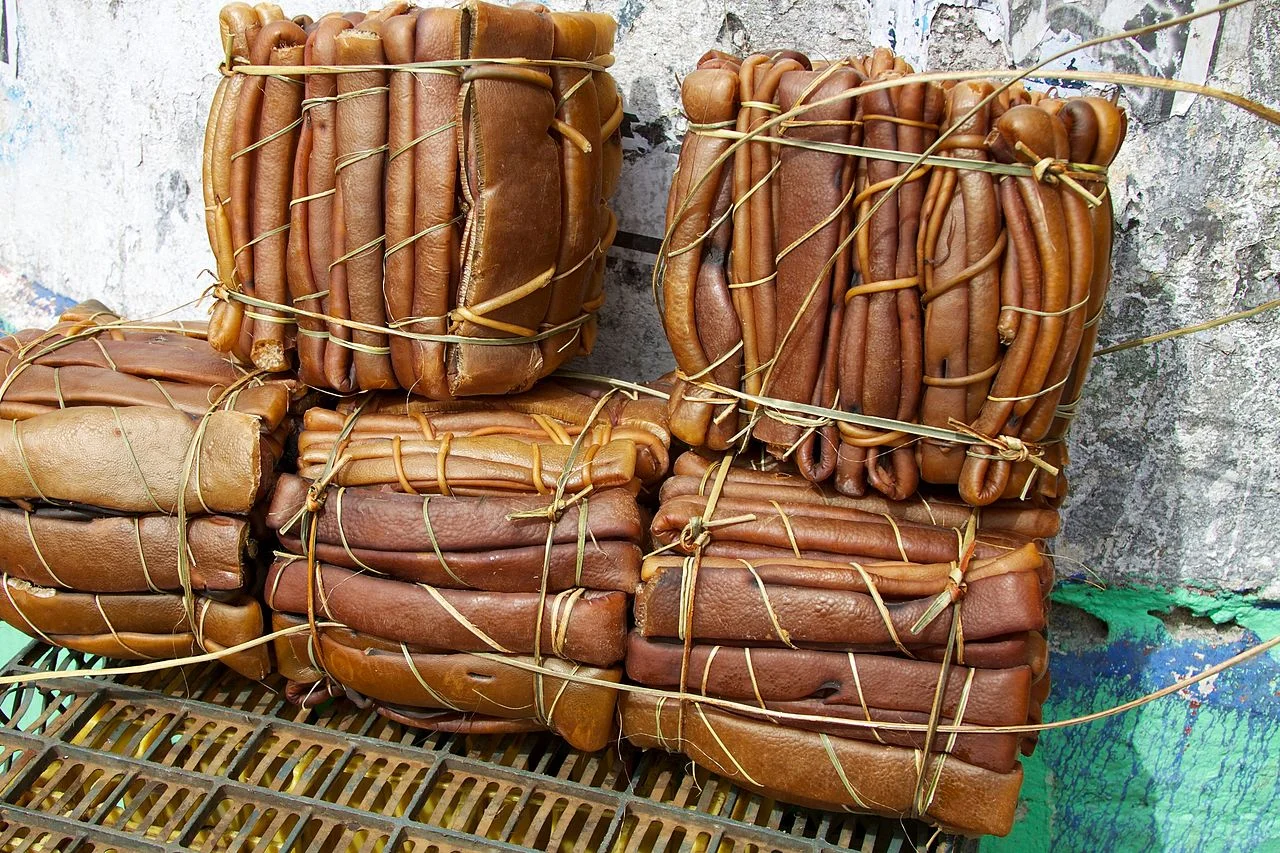

This distinction also makes travel images more useful. A historical market view is not an advertisement for a currently operating business; it records the setting observed on its capture date. When selecting an actual meal, today's menu and your own needs take priority. Learning one ingredient name can be a satisfying souvenir in itself. Leave space to enjoy that small discovery instead of treating the market as a shopping task that must be completed before lunch.
Watching the Tenglo Channel from shore
The boats around Angelmó belong to the city's working coastal landscape. Seeing Tenglo Island and travelling there as a passenger are separate plans. For this two-night itinerary, a shore-side look can be a sufficient pause. Anyone who wants a boat outing should establish the current operator, boarding location, return arrangement and conditions independently. Dated photographs of boats do not demonstrate a passenger timetable that is running today.


The afternoon need not be spent on the water. After the market meal, a break in the centre can provide time to repack and confirm the following morning's connection. Angelmó then remains a distinct neighbourhood visit with a meal and a view, rather than being reduced to the opening paragraph of every southbound route through the country. The city offers enough for a measured short stay without a boat excursion being compulsory.
Transport, accommodation and the departure decision
Arrival at El Tepual Airport and arrival by an intercity bus need different onward arrangements. The official city description identifies the airport as an arrival point; choose the land connection according to your flight, luggage and accommodation address. Establish a transfer price for the actual vehicle and party rather than treating every airport-labelled service as identical. An airport name does not guarantee the same reservation conditions for every car. Avoid ending the second day with a distant outing when an early third-morning flight is the immovable next step.
For two nights, a central base with an understandable link to food and the waterfront can be practical. If proximity to Angelmó matters more, consider the evening return journey separately. Staying in a different district such as Pelluco does not automatically put the central waterfront outside your door. Decide using luggage storage, access for a late arrival or early departure and how short journeys will work in wet weather. These are more useful selection criteria than a promise that one district is right for every traveller. The Stork's suggestion is a pace that gets you to the second day's lunch with an appetite and to the third morning's connection without unnecessary haste.