
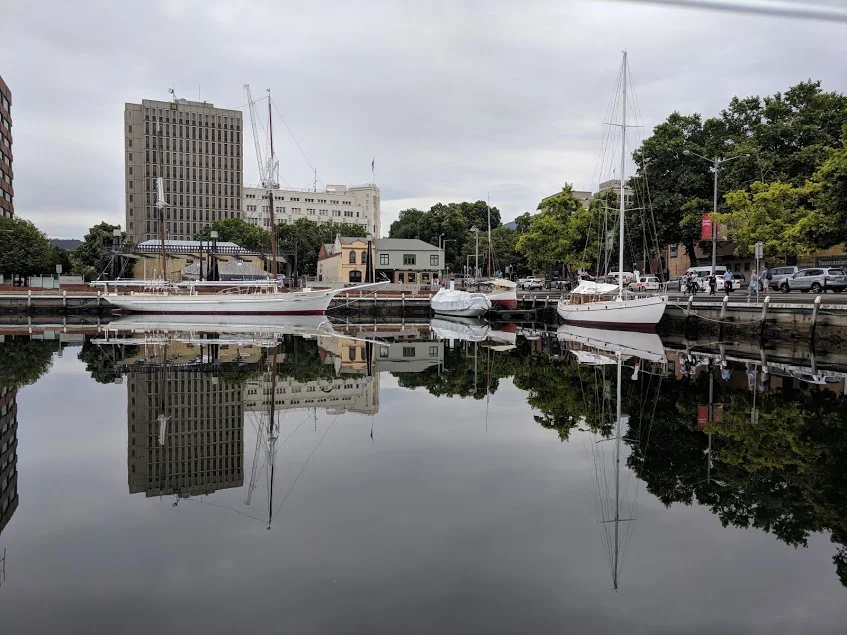
A short Hobart stay does not have to carry the responsibility for exploring all of Tasmania. The Tatilmerkezi Stork suggests placing the waterfront boats, Salamanca's old warehouses and Battery Point's quieter streets on one compact city map over two nights. A scallop pie can give one meal a local focus, with fish and chips providing a different waterfront choice. A Saturday visit may revolve around the market, while an arrival on another day does not make the city empty. The useful question is how to make two nights feel like a meaningful urban pause without turning them into an island-wide driving itinerary.
Two nights: a small plan from the waterfront to the neighbourhood
Begin with arrival during the first afternoon. Settle into your accommodation, leave your main luggage and take a short waterfront walk. A first-evening meal close to the water helps you find your bearings. Put Salamanca Place, and the market if the date suits, into the first part of day two. Use the afternoon for Battery Point and leave room for a hot drink on the way back. Day three belongs to breakfast and departure preparation. Two nights then extend over three calendar days, without a large excursion that still needs to be completed on the final morning.
Turn this outline around according to the arrival day. If Saturday is your first day, decide whether reaching the market within its opening window works with your flight and luggage. A late arrival can favour a neighbourhood walk the following day instead of a hurried attempt to catch stalls before closing. Staying in the same place for two nights before or after a longer Tasmania trip reduces repeated packing. Giving the city's short walking line its own modest purpose makes the visit easier to enjoy.
Salamanca Place: a street even without the market
The historic warehouse frontage at Salamanca is more than a backdrop for market stalls. With cafés, galleries and other businesses using the precinct today, begin by noticing the buildings' proportions and the link towards the waterfront. A parking arrangement or business name visible in an old photograph does not prove the present layout. If you want to enter a gallery, establish that individual business's current opening arrangements. Looking at a historic exterior and acquiring permission to use the artworks inside are separate matters.
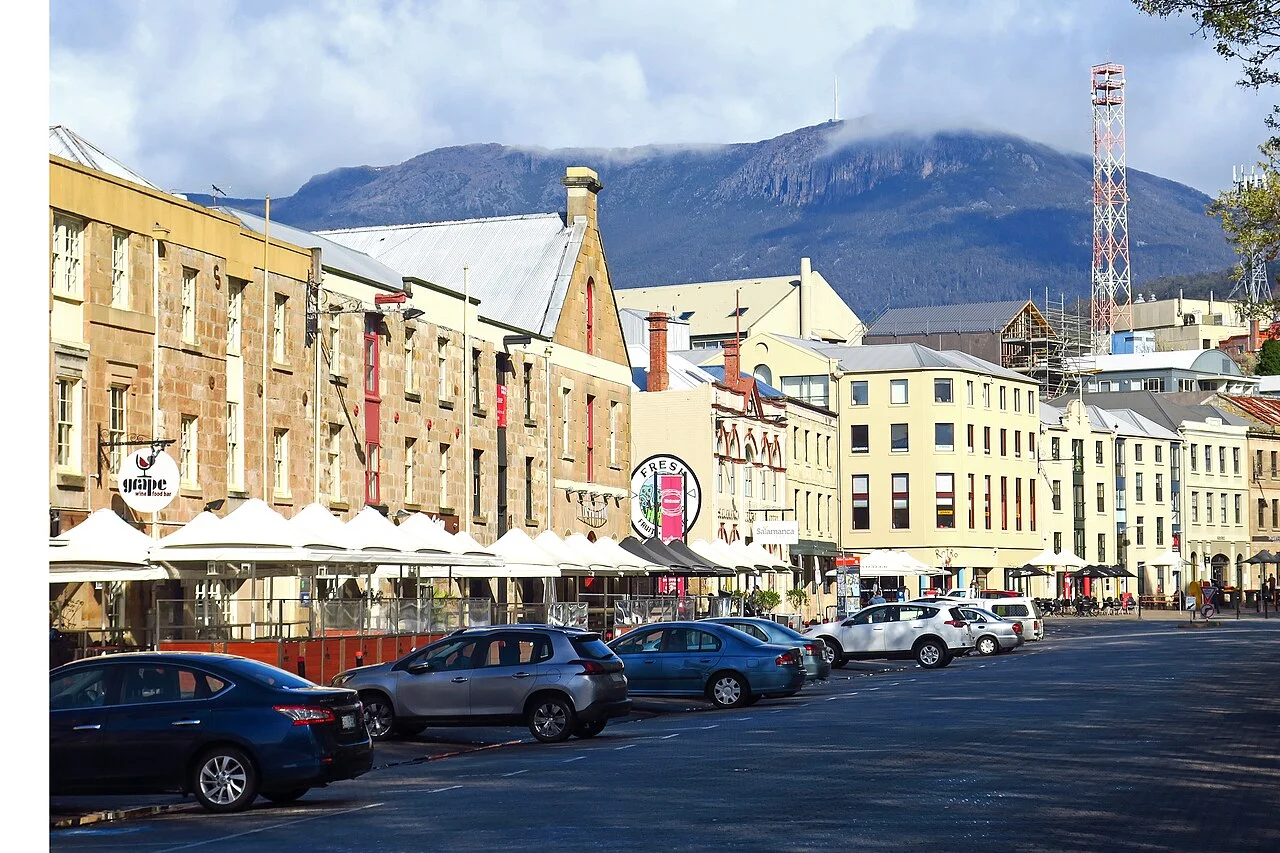

On a non-market day, a coffee and a short street walk can give the same area a useful place in your plan. Choose one exhibition or small purchase that really interests you rather than going through a long row of shops merely to fill time. Think about the next meal before taking a restaurant table as well. Not every waterfront business serves the same dishes, and a precinct name should not be treated as a menu. Salamanca can be enjoyed as a place rather than a sequence of transactions.
The Saturday market: a stop that depends on the date
Salamanca Market's own page gives its ordinary schedule as Saturday, 8.30am to 3pm, with an exception when Christmas or Anzac Day falls on a Saturday. It also explains that unsafe weather can lead to a cancellation notice. Use this to position the visit on your calendar, without converting the schedule into a promise that every trader attends every week. Bringing a reusable bag makes a small purchase easier to carry through the rest of the day.
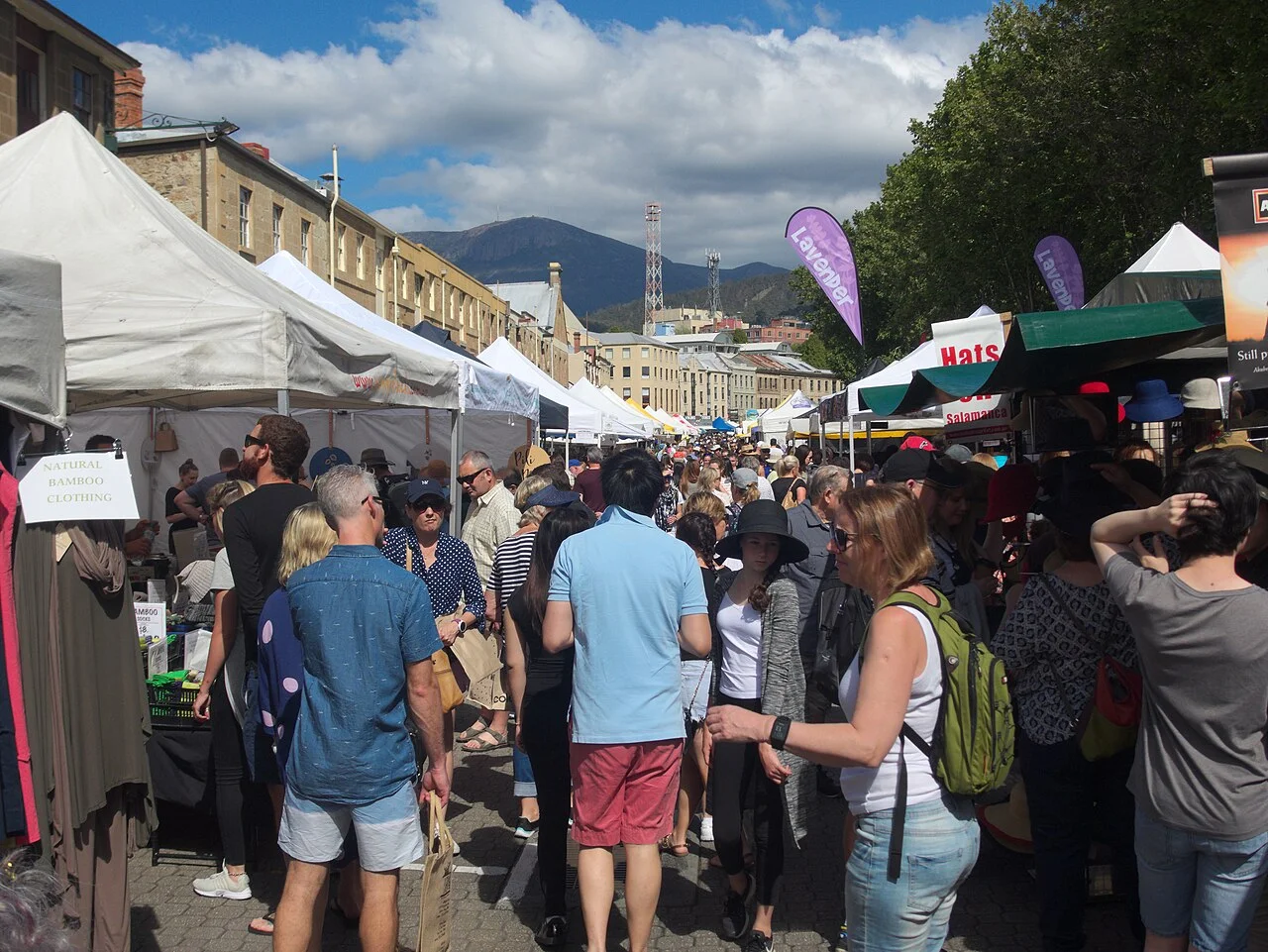

Someone devoting the morning to the market may choose to have breakfast there. If breakfast is included at your accommodation, a small food sample can be enough while browsing. Leave a distinct sitting break rather than expecting to eat, photograph and buy gifts all at once. Consider the carrying space available before a large purchase becomes part of your airport baggage calculation. During busy periods, agreeing on a clear meeting point gives a group a simpler plan than repeatedly searching for each other by phone. The market is one possible centrepiece, not a requirement for the whole stay to succeed.
Around Kelly's Steps: separating stairs from the street route
The area around Kelly's Steps behind Salamanca provides a reference when turning towards Battery Point and noticing the different levels of the streets. Our photograph shows the historic stone-building setting; it does not establish current step-free access. Stairs may not be suitable for every traveller. Someone using a wheelchair, pushing a pram or carrying a heavy suitcase should choose the approach and street connection separately on an up-to-date map.
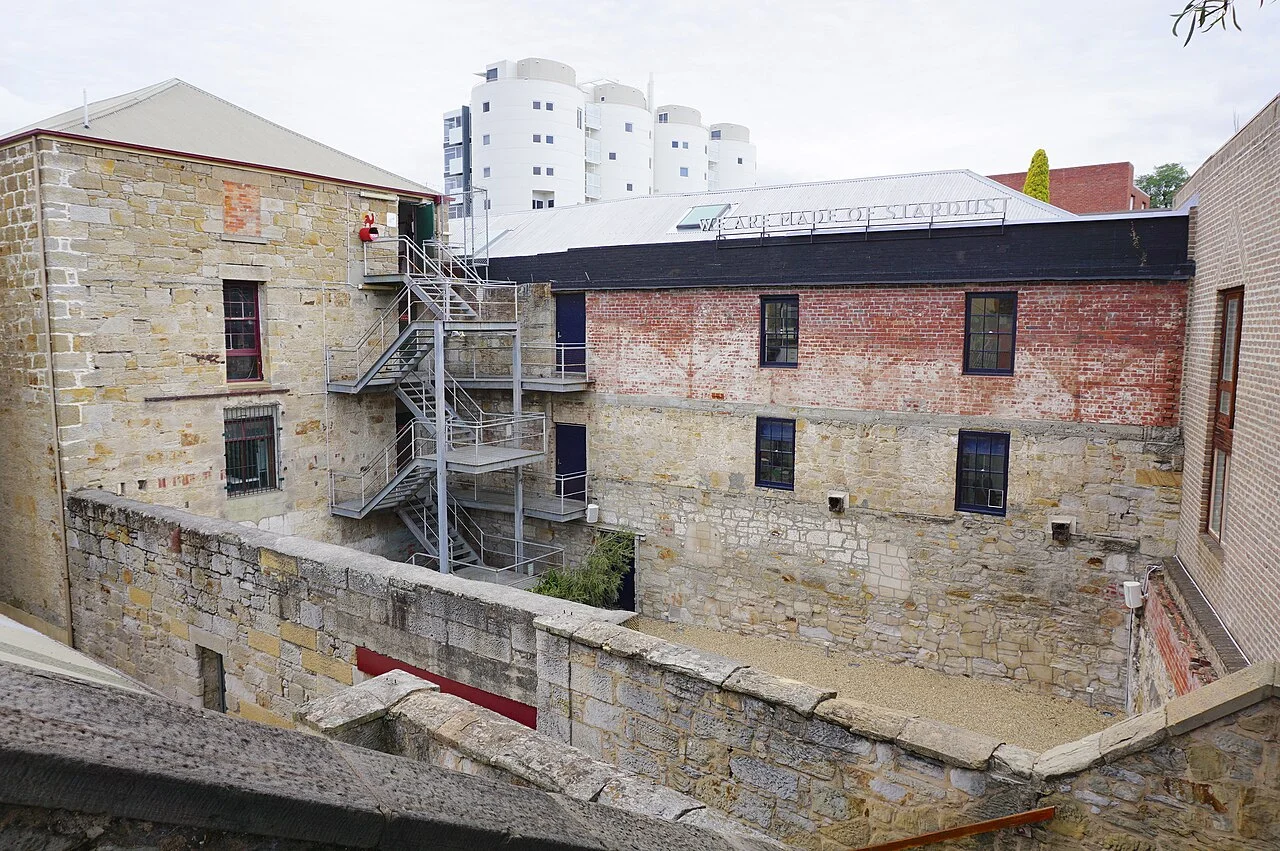

The purpose of this part of the walk is to understand the movement from the waterfront into the neighbourhood, rather than to use every narrow passage. An open private door is not a public route. Before extending the walk, consider the return journey and the next meal; the energy set aside for going uphill is not the whole day's budget. A few streets and a sitting pause can be sufficient. The neighbourhood deserves more than being reduced to one photograph point, but it does not require an exhausting circuit either.
Battery Point: houses and a short neighbourhood pause
Viewing the historic houses around Runnymede Street from the public street offers a different urban scale in Battery Point. Attractive homes in a photograph are not necessarily museums open to visitors. Remain on the pavement and give everyday residential life room instead of entering a garden or veranda. You can consider Hampden Road and the nearby streets together on a map, then choose a short loop that fits the afternoon.
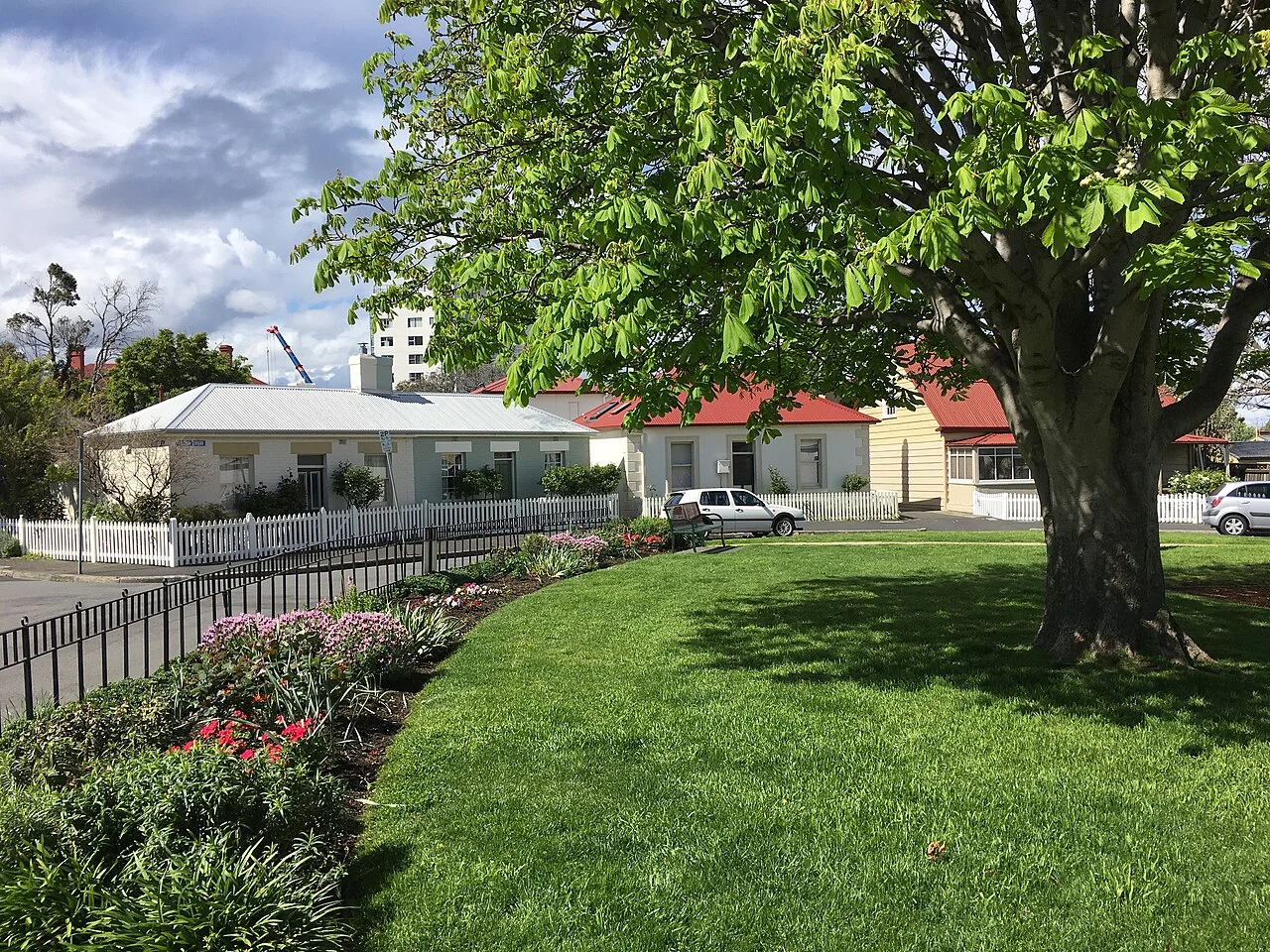

A coffee or light snack after this section changes the pace of the second day. If the main meal comes later by the water, there is no obligation to insert another large lunch into the neighbourhood walk. If rain becomes heavier, choose a shorter return towards your accommodation rather than continuing in the same direction out of habit. Travellers staying centrally and those based in Battery Point can reverse the same stops. The useful order depends on where your door is and how the day develops, not on one supposedly perfect route for every visitor.
Two meals: scallop pie and a fish choice
Harbour Lights Cafe's own introduction identifies its waterfront location at 29 Morrison Street and a traditional scallop pie as a lunch option. This pastry with a scallop filling gives one meal of the city break a concrete local candidate. It is not a promise about today's price or guaranteed availability at every visit; match the choice with the menu operating on your date. After this more substantial lunch, you might prefer a smaller dinner rather than ordering another rich meal just to complete a list.
Mures Lower Deck's business page presents fish and chips, scallops, chowder and other seafood choices on the docks. Treat the two businesses as alternatives or meals on different days instead of fitting them into one lunch. For a companion who does not eat seafood, finding a workable option at the group's shared table matters too. Alcohol need not be made a compulsory local experience: tea or coffee can accompany a waterfront pause. The street and dock images used in this guide are not being presented as current plates from either named business.
Airport transport, accommodation and departure
Hobart Airport's page identifies the SkyBus Hobart Express link. The overall number of stops stated there does not exactly match its written list, so this guide does not direct visitors using a fixed total. Compare the operator's current stop with the actual accommodation address. A waterfront stop does not remove a final uphill walk with a suitcase. Establish the fare and departure time for the real travel date, leaving a margin rather than converting an approximate journey time into a guarantee of catching a flight.
When choosing between the centre, waterfront and Battery Point for two nights, investigate access, slope, luggage storage and night-time noise alongside the view. Being close to Saturday's market is not automatically an advantage for an early airport journey on a different day. Confirm flight information with the airline and keep the third morning straightforward. The Stork's Hobart pause brings a working waterfront, historic streets and two thoughtfully selected meals together, giving a short city stay its own character rather than trying to consume the whole island.