
Ratnagiri: two different full days in a Konkan city
Give Ratnagiri four calendar days and three nights: arrival on day one, Ratnadurg surroundings and an urban meal on day two, Thibaw Palace and one selected coastal interval on day three, and departure on day four. The Tatilmerkezi Stork's pause is the city on Maharashtra's Konkan coast, not the Buddhist archaeological site with the same name in Odisha. Every beach, village and fort on a district map is not added to this short programme. A defensive headland, a palace associated with an exiled royal family and a working waterfront provide different interests across the two days. Three nights in one room make it easier to leave large luggage behind. Keep arrival evening modest: accommodation, food and tomorrow's connection are sufficient. This scale within a city answers a different need from taking one photograph during a lengthy coastal road trip.
Arrival: from the Konkan railway to the accommodation entrance
Verify the Ratnagiri stop against the actual booking and travel date. The district account establishes a Konkan railway context, but it does not prove that a particular train stops on a particular day or establish its time. Arrange the last connection from the station to the property's entrance separately. Bus travellers should compare the operator's actual drop-off point in the same way. The dated station entrance photograph is not a current service list. Late arrivals can arrange reception contact and nearby dinner; early arrivals can ask about luggage storage and a seated rest. A coastal accommodation address is not the same as a central meeting point. If using an airport, include the final road transfer in the whole journey rather than treating an old distance as a direct-shuttle guarantee. Establishing departure early makes both full days easier to organise.


Ratnadurg: the defensive headland and its seaward approach
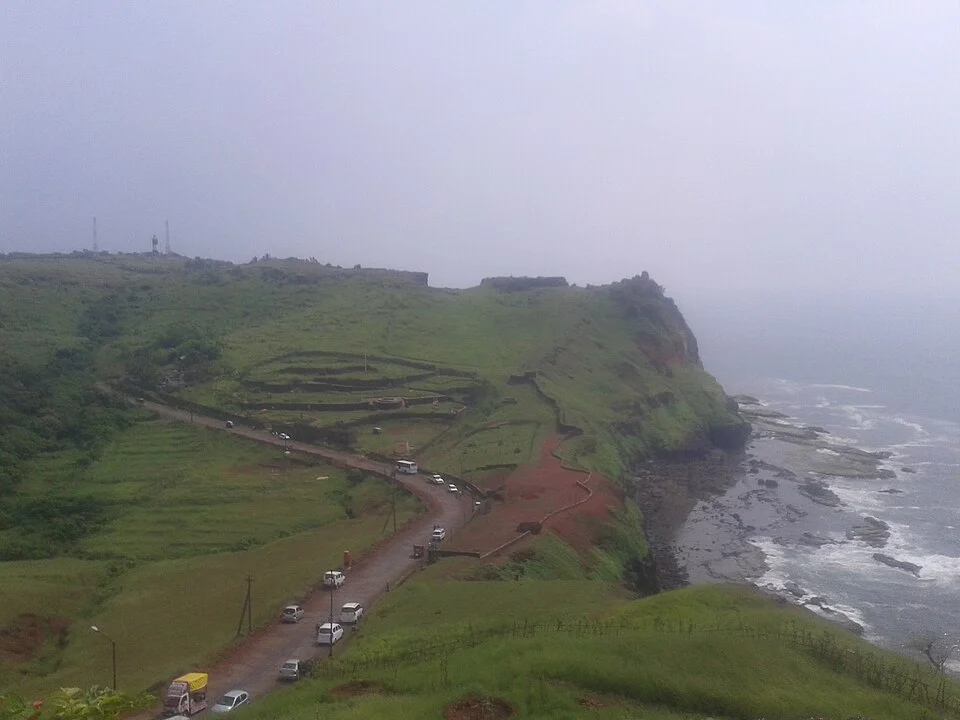
Give the first part of day two to Ratnadurg, also associated with the Bhagavati fort name. The official district tourism list identifies the fort in the Ratnagiri setting. Stone walls, the direction of land towards the sea and connections to town can be read together from an appropriate public approach. A fort photograph does not establish that every path is open or that a coastal edge is safe. Learn which route can be used that day and choose a section suited to personal mobility. Shorten it in rain or on slippery ground; a wall or cliff edge is not a platform to climb for a picture. Follow local conditions in worship-related areas and avoid obstructing others. Keeping one main defensive headland instead of several remote forts gives enough time to understand the city's geography before lunch, with a clear return connection.
Thibaw Palace: a separate museum session on day three
Thibaw Palace supplies the next day's main focus. The district administration describes a palace associated with the former Myanmar king's residence in Ratnagiri and a museum within it today. Sloping roofs, window rows and separate building masses provide a concrete architectural starting point. Establish museum entry, available sections, photography and that day's hours with the institution; an older listed fee or schedule is not repeated as an unchanging promise. If an interior is unavailable, the exterior and a separate coastal interval can create another form of the day. Not squeezing the fort and palace into the same morning gives each a quieter session. Historical accounts can mix construction and relocation dates, so disputed exact chronology is unnecessary for this practical programme. Respect display restrictions: seeing an exhibit does not automatically grant unlimited reuse of its photograph.


A Konkan meal with sol kadhi and the actual menu
An available Konkan fish or prawn plate can suit lunch, while travellers avoiding seafood can ask about vegetable and rice options. The district tourism account provides the regional seafood context. The national tourism food source describes sol kadhi through coconut milk, kokum and spices as a coastal choice. It is not presented as unique to Ratnagiri or served by every kitchen. Where it actually appears on the menu, it can accompany the meal. The same source supplies bhakri with pitla and bhaji as other concrete names in a Maharashtra context. Put lunch into the day's seated rest interval and choose using the kitchen's actual ingredient information. No health outcome, current price or restaurant ranking is invented. When considering seasonal mangoes or processed products, likewise judge the real product rather than a dated image; the same fresh item is not promised on every date.
Coast and working harbour: a short interval with a clear return
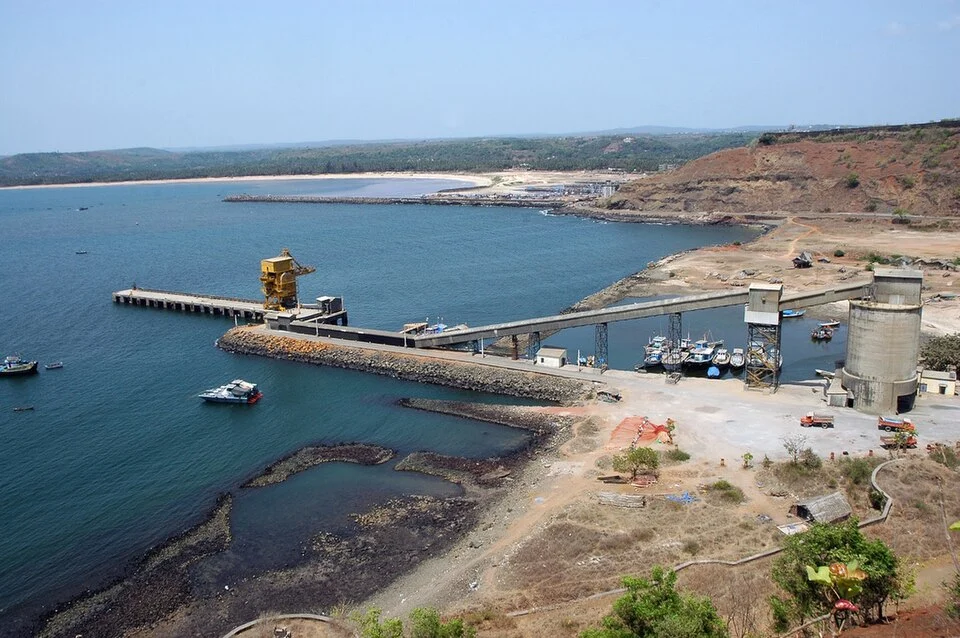
If choosing a coastal look after the palace session, establish its outward and return movements separately. The district list mentions places such as Mandavi and Bhate, but these are not merged into one continuous pedestrian route or the same urban point. The rocky-coast and harbour photographs also show different settings. Reach the chosen coast through an actual road connection and assess waves and weather; entering the sea is not required by this programme. Harbour interest should use only permitted public viewpoints rather than assuming access to working piers or boats. Understanding the city-sea relationship from outside is worthwhile without interrupting commercial activity as if it were a performance. Sunset times and open facilities are not guaranteed. In unsuitable weather, a shorter exterior look followed by food and streets in town is more coherent than pursuing an unplanned lengthy coastal tour.


Three nights: connect two interests through one base
Choose a room against the Ratnadurg day, palace session and actual departure stop. An entrance address, evening food and final vehicle connection matter more than an appealing sea view on a map. Compare night noise in a working central setting with the return connection from more outlying accommodation. This programme keeps the same room for three nights; the palace day does not require moving to another beach settlement. Leaving large luggage behind helps both days' short urban sessions. Where mobility is limited, consider the room's entrance steps and the chosen fort approach separately. Ask about actual museum conditions and actual accommodation entry arrangements: a historic-building image does not solve both automatically. Linking evening food preferences to available choices around the property can also reduce the need to travel a long distance at the end of the day.

Departure on day four and whether to expand the district
The final morning is for breakfast, luggage and reaching the booked service. Four calendar days mean three nights and two full sightseeing days: one fort-and-city day, then one palace-and-selected-coast day. Ganpatipule, Jaigad, Pawas and other district destinations require additional time and connections when wanted. Attaching their names to these two days does not create more hours. Sources were checked on 5 October 2026 without a guarantee of unchanged access or transport later. The Stork's useful contribution is to connect a coastal view to an actual city plan. A defensive headland, museum architecture, a regional meal and a limited seaward look complement each other. If interior arrangements change or weather prevents a coastal walk, the urban need remains; the day can be reshaped around permitted exterior sections and a meal rather than treated as wasted.