
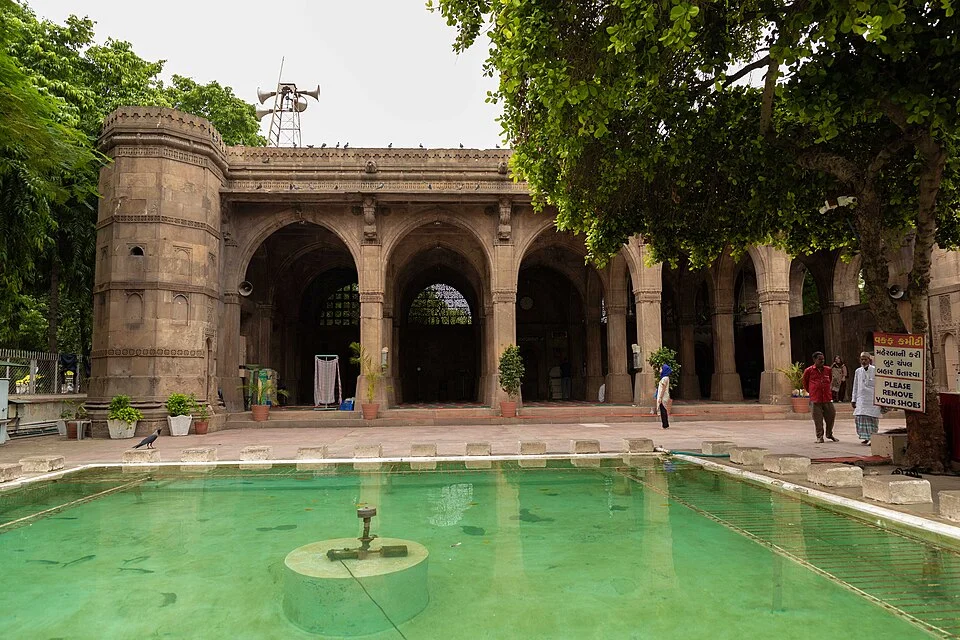
Ahmedabad: living streets and heritage in one plan
The Tatilmerkezi Stork chooses two rhythms for Ahmedabad: a slow historic-city walk and a northern day linking two cultural sites by vehicle. This guide does not try to compress all of Gujarat into one holiday. A first visit needs time to understand the residential fabric called pols from public streets, distinguish the two mosque visits, and give Sabarmati Ashram and Adalaj their own space. Four calendar days and three nights allow two full visiting days. UNESCO describes the historic city’s residential and religious heritage together, so passing monument entrances alone cannot explain it. Homes, shops and worship spaces remain in everyday use. Connect these settings through measured walks rather than collecting photographs. An attractive narrow street does not create a right to enter a private home.
Four days, three nights: centre and northern route
Day one is arrival, the hotel transfer and a meal nearby. Day two is a guided or carefully planned historic-city walk with Jama Masjid and the Sidi Saiyyed surroundings. Day three links Sabarmati Ashram with Adalaj stepwell outside Ahmedabad by vehicle. Day four is departure. Days two and three are the two complete visiting days; all three nights can remain at one city base. This proposal prioritises selected places over seeing every monument. Reserve day-two lunch for a Gujarati thali. Before purchasing the northern connection, establish its actual starting and return points. A late arrival or early departure does not create another full day. Readers who prefer to remain in the city can omit Adalaj and use the northern day for the ashram and a quiet urban break.
Historic streets: pols and everyday life
Begin on public streets open to visitors, preferably following a route chosen by a local guide. An explanation of shared spaces and residential patterns can offer more than a facade photograph. Avoid photographing people sitting at their doorways or passages leading into homes without permission. Where the street narrows, listen in a suitable space rather than spreading a group across the route. Choose a resting point before midday so that a warm or traffic-heavy stretch is not followed automatically by another long walk. Obtain the current starting time, duration and meeting point from the provider; a programme printed in an older brochure is not a confirmed booking. The value of the day is not the number of pols counted, but a respectful understanding of architecture and daily use in an inhabited neighbourhood.
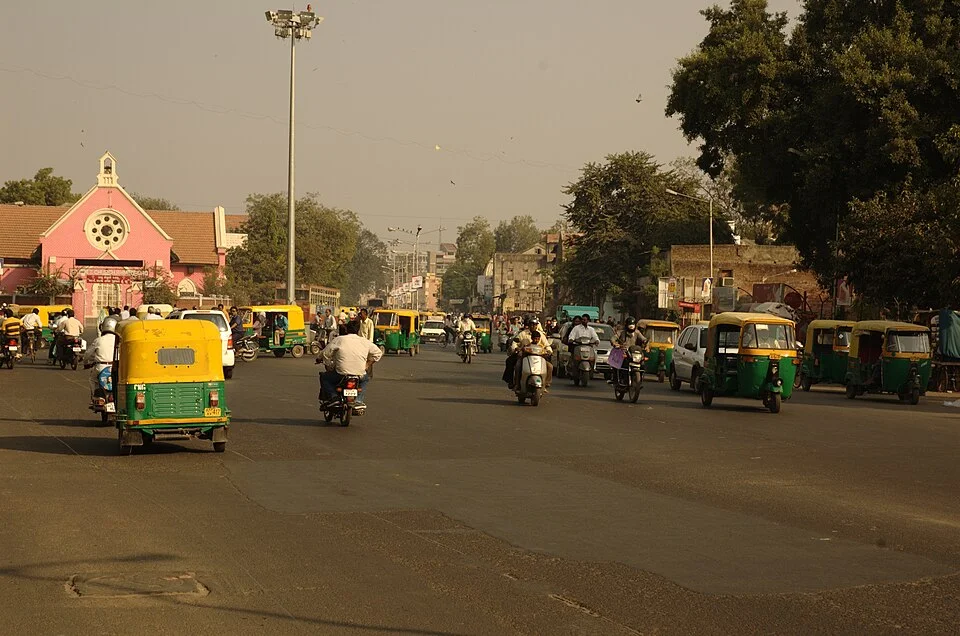

Jama Masjid and Sidi Saiyyed: two separate visits
Do not label the Jama Masjid courtyard and the Sidi Saiyyed surroundings as the same building. They offer different perspectives within the historic-city day: courtyard and colonnade in one, frontage and worked stone details in the other. Since worship continues, ask at entry which areas may be visited and what photography rules apply. Follow local instructions about footwear, dress and behaviour instead of deriving access conditions from a tourist photograph. If a stop is not appropriate for visitors at that moment, seeing the surroundings need not spoil the day. Understanding architecture does not require entry into every interior or photographing worshippers. Preserve rest and meal time while connecting the two locations. Keep any post-lunch walk shorter, leaving room to absorb the morning’s observations and explanations.
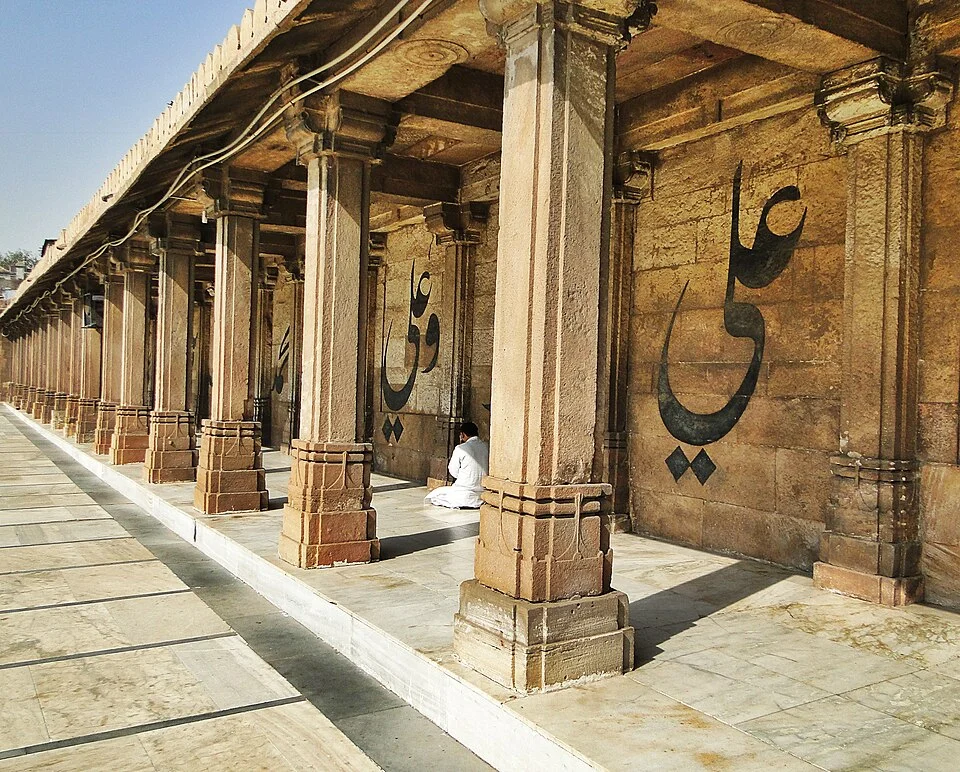

Sabarmati Ashram: a different kind of city pause
Sabarmati Ashram anchors part of the northern day through Gandhi heritage. Reserve time around Hriday Kunj and check the areas currently available to visitors. If arrangements have changed through works or maintenance, an older photograph does not establish today’s entrance layout. Give the visit time for historical explanation and quiet observation rather than treating it as a quick vehicle stop. Photography conditions may differ in a museum or exhibition area; take pictures only where allowed. Plan lunch and the Adalaj connection before leaving the ashram so that the second half of the day remains straightforward. One city location does not have to represent every period of Gandhi’s life; the site’s own context is enough. The quieter pace balances the market and street activity of the first sightseeing day.
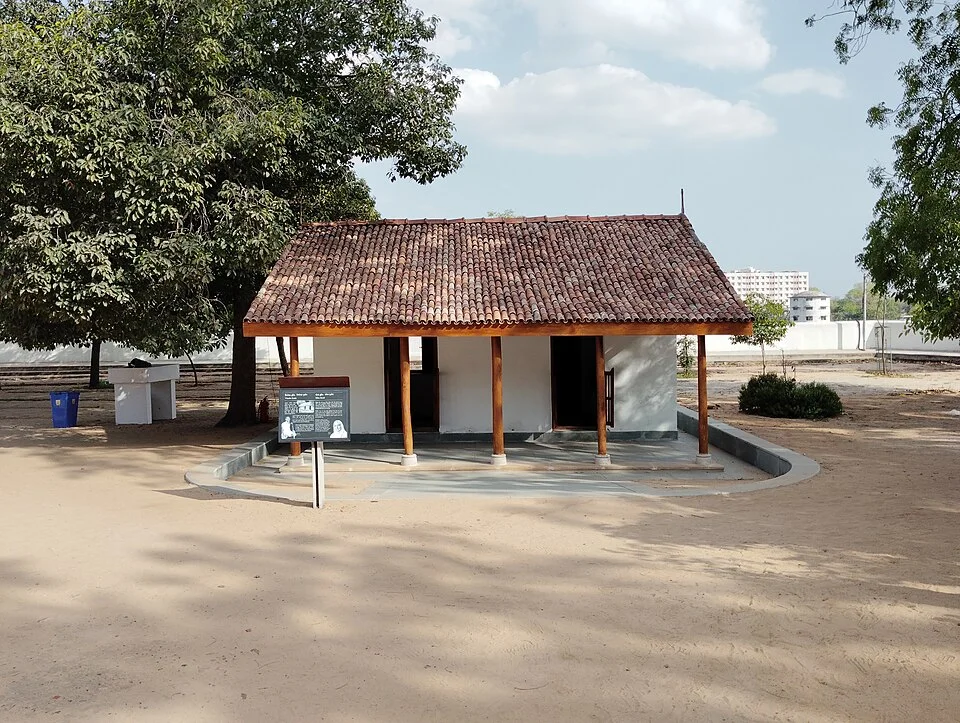

Adalaj: a stepwell outside the city centre
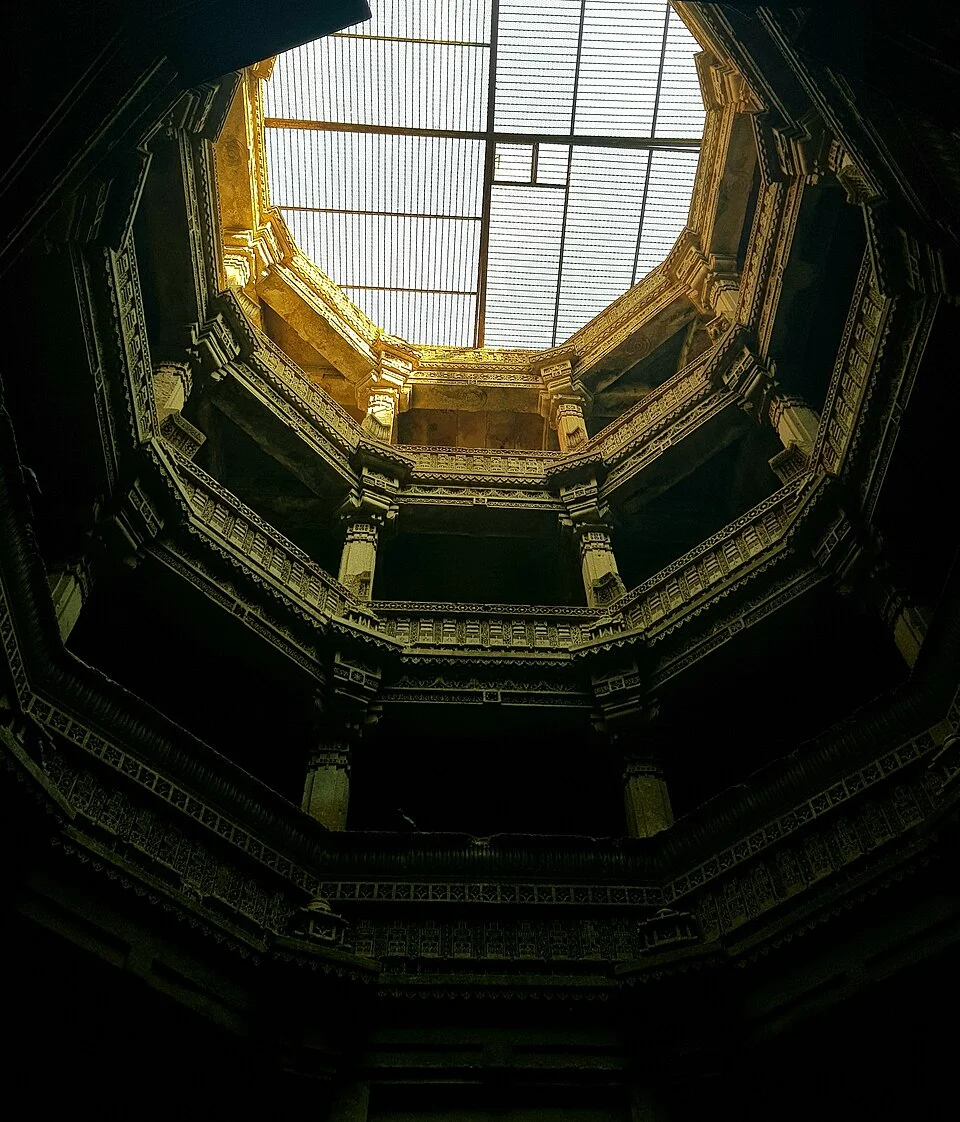
Adalaj ni Vav requires its own vehicle connection around Ahmedabad; it should not be treated as an extension of the historic-centre walk. Gujarat Tourism places the site in the Gandhinagar context. Wear footwear appropriate for stairs when exploring stone galleries and changing levels. Reaching every lower step is optional. Observe current access limits and any closed sections. Rather than presenting a local historical story as an independently established modern record, look closely at the structure’s actual spatial arrangement. A cooler feeling inside does not promise an identical temperature difference to every visitor. Include vehicle waiting time in the return arrangement. This day does not automatically add more distant sites such as Modhera and Patan: the aim is a controlled northern excursion complementing a city stay, not a full regional tour.

A Gujarati thali and smaller snacks
Incredible India introduces Gujarati thali and accompaniments including dhokla, khaman and kachori in Ahmedabad’s food scene. The vegetables, dal, breads and other dishes vary between kitchens; do not expect an identical fixed list on every platter. Undhiyu is associated with winter and aam ras with mango season, so neither is guaranteed for an October visit. Check what is actually available. A thali lunch on the first sightseeing day and a small snack later can balance food curiosity with a busy route. This guide promises no restaurant’s present price or unlimited-service arrangement. A famous dining room is not a reason to fragment the day across distant neighbourhoods. A lighter dinner after returning may make it easier to begin the northern route comfortably the next morning.
Accommodation, connections and the final check
Compare an accommodation candidate near the historic centre with one on the western side of the river. Access to the morning walk may matter more in the first; a vehicle stopping point and the northern excursion meeting may matter more in the second. Read the exact address and transfer location rather than treating a neighbourhood name as a guarantee of quiet or price. Check the Ahmedabad arrival ticket and hotel connection separately. Reconsider vehicle, current public transport or walking for each stop; this guide does not treat a planned high-speed railway mentioned on an older tourism page as an operating service. Confirm open areas, last entry and road conditions for the intended dates. Sources were checked on 4 October 2026. Exact fares and journey durations are deliberately not invented. Give the departure transfer traffic allowance and complete shopping the preceding evening.