
Samoa is more than a beach list to rush through between two islands. Upolu and Savai’i need different accommodation nights, a sea connection and room for local daily rhythms. The Tatilmerkezi Stork turns the curiosity sparked by a waterfall photograph into a programme that still lets you return to the same table in the evening. This guide covers the independent state of Samoa. American Samoa is a different administrative territory, and the entry or transport information here cannot simply be applied to it. All five images record real scenes in this country, but older photographs do not replace current information about facilities, prices or access. The first-visit example uses eight days; with less time, staying on Upolu rather than adding a second island can be a coherent choice.
Choosing between an Apia base and the southern coast
Accommodation around Apia can bring urban meals, errands and cultural pauses together. A stay on Upolu's southern or eastern coast gives the coast more prominence, while transport to the town becomes a separate arrangement. First decide what two or three nights are for: rest after arrival, urban life or coastal time. Then choose the accommodation's location. Planning a town-centre dinner, a distant coastal activity and a new hotel move in the same evening confuses an island's appearance on a map with the actual movements required.
Use the first day for arrival and settling in, and the second for a short Apia programme and lunch. Select a market or cultural activity after checking the day it operates through its current channel; do not build the itinerary on an assumption that every service opens every day. Leave time to return to accommodation between a short waterfront walk and dinner. An open beach fale and an enclosed room are different accommodation experiences. Understanding privacy, shared bathrooms, dinner, mosquito nets and luggage arrangements in a reservation is more useful than choosing only the view. This guide does not assume a particular property provides those facilities or services.
Sopo’aga and Lalomanu: keep an Upolu day to two focuses
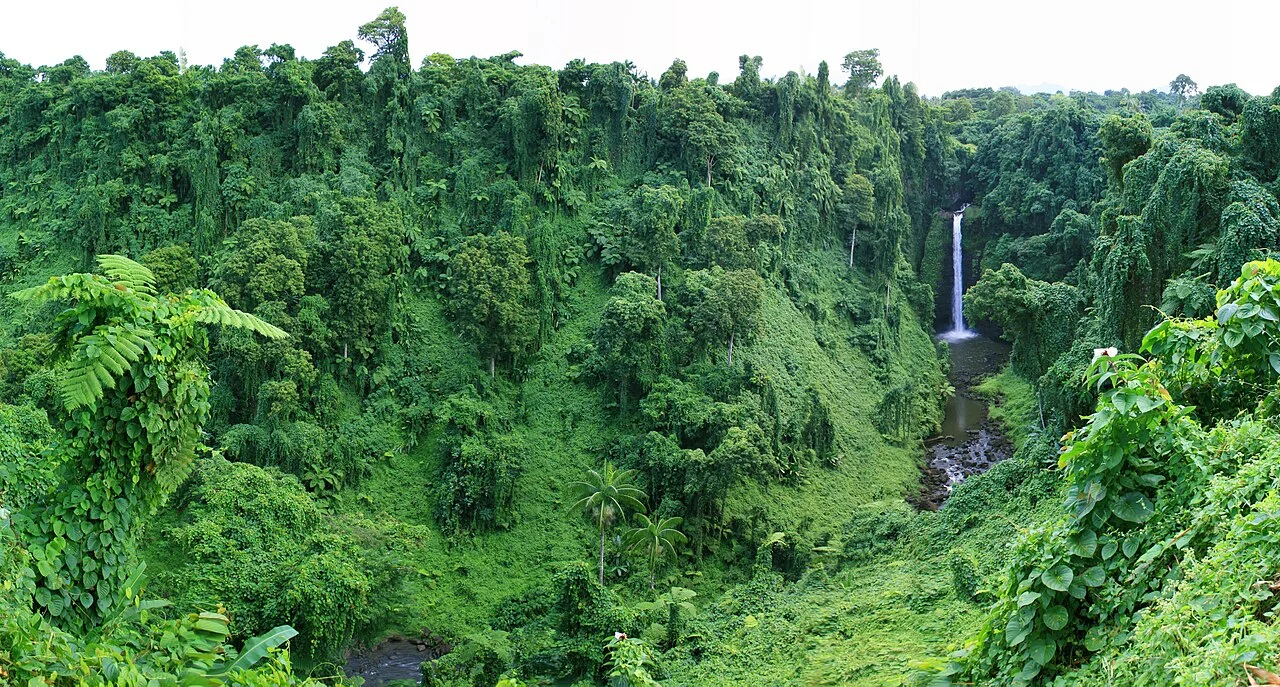
The panorama of Sopo’aga's green valley was taken in 2007. If eastern Upolu scenery interests you, organise the day around one viewing focus and one coast pause. The waterfall image does not establish that swimming is allowed or a walking path currently opens. The available approach, local permission and payment arrangements require separate checks. Choose the landscape whose access is confirmed for that day instead of making reaching the photographer's exact viewpoint the purpose of the journey.

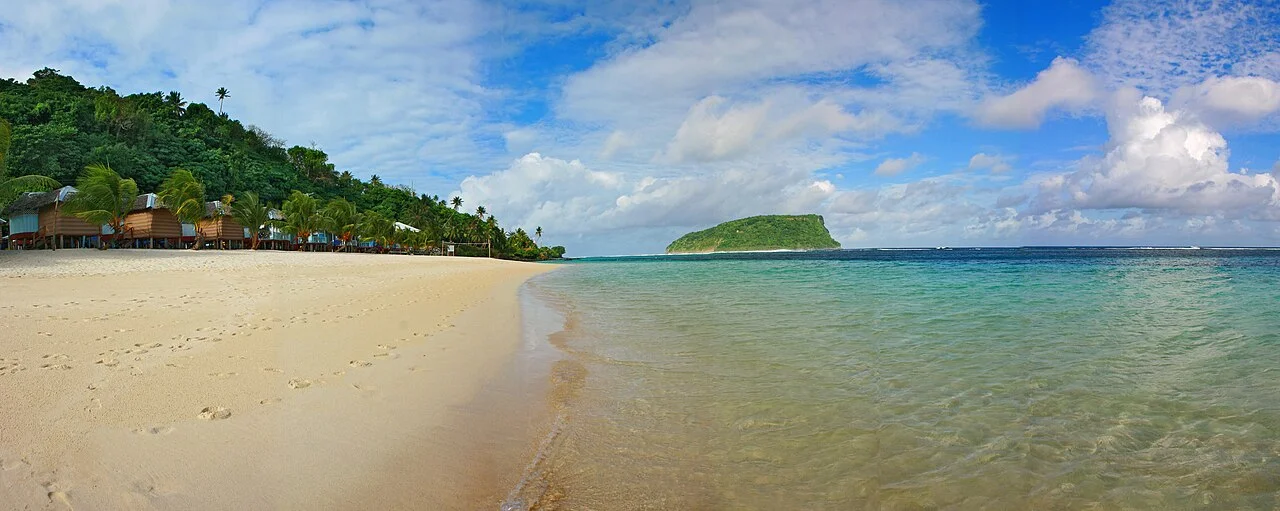
The cover photograph shows Nu’utele island opposite Lalomanu beach. It is not attributed to a coast in American Samoa or to Savai’i. For a beach pause during the Upolu section, plan the daylight return and the meal in the same framework. Try to understand one region instead of circling the entire island in a day. If sea conditions or local warnings make swimming unsuitable, looking at the coast and taking a meal break can still complete the outing. A visitor planning to move to Savai’i on day four should avoid filling day three with distant evening commitments. The space between these choices matters as much as the attractions themselves.
Connecting to Savai’i: remember the terminal-to-hotel stage
Samoa Tourism's current ferry page identifies Mulifanua on Upolu, Salelologa on Savai’i and the Samoa Shipping Corporation connection. This guide does not fix sailing times or fares. Examine the operator's timetable for the actual travel date, and do not assume that foot passengers and vehicle passengers have identical reservation conditions. Reaching the vessel and reaching the next accommodation are different stages. Plan the local vehicle after Salelologa, the meal break and how luggage will move before you travel.
In the eight-day example, day four is a transfer and settling-in day, without a full Savai’i circuit added to it. Days five and six hold limited local programmes from the same accommodation base. Staying near the terminal, on the northern coast or toward the west produces different distances. Choose accommodation around the one or two regions that interest you most, and record how far its movements extend beyond the ferry terminal and how departure day will work. If one night requires relocating to the opposite end of the island, reconsider whether that additional base is necessary. The ferry crossing is only part of the travel day, not the whole of it.
Mu Pagoa: give the coastal waterfall appropriate time
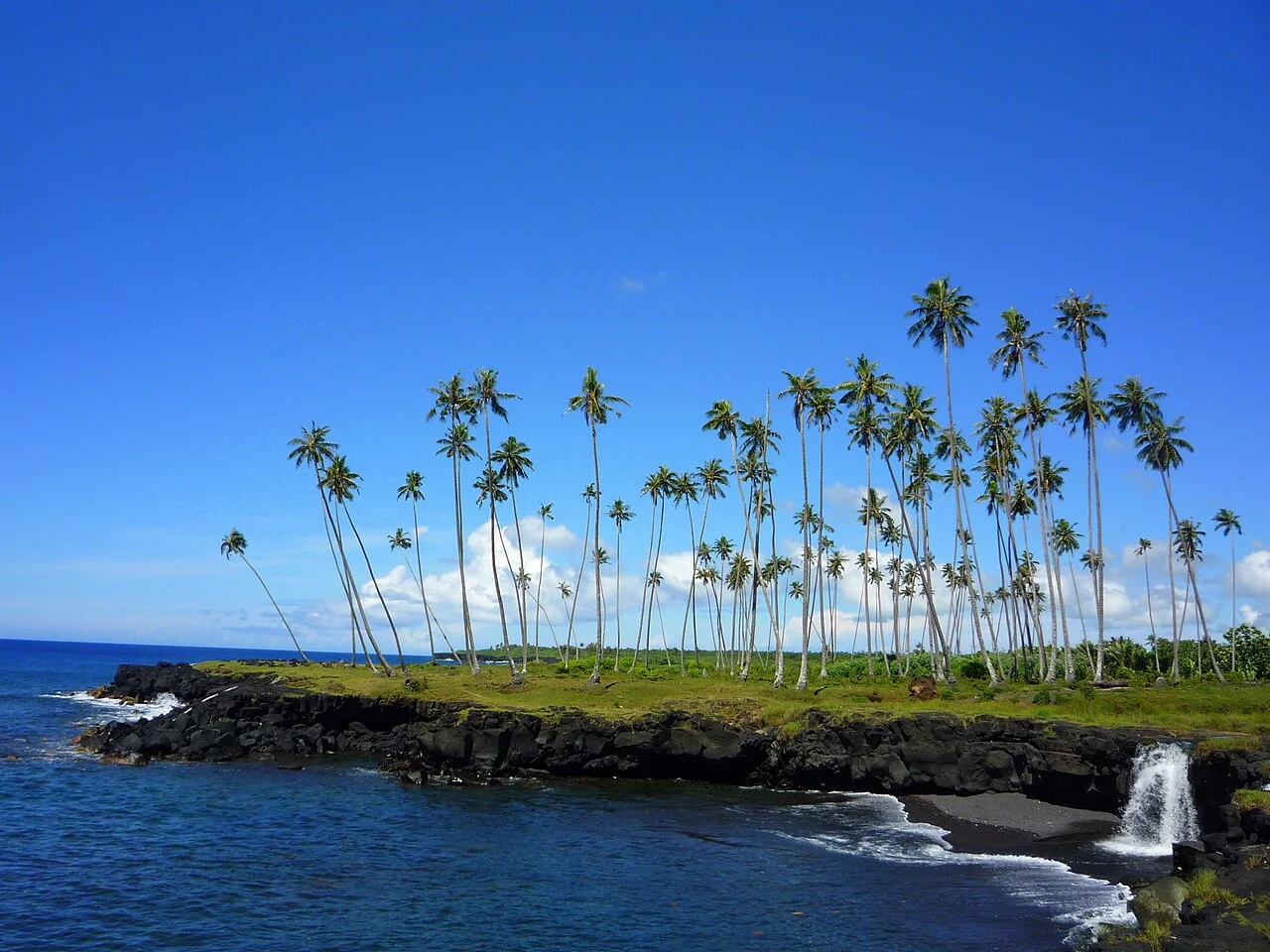
The Mu Pagoa photograph records a landscape on Savai’i's southeastern coast. Its source dates the image to 2009; it does not state that an entrance is currently open or that a water activity is permitted. In a southeastern programme that fits your base, one landscape focus and a meal can be enough. The day stays lighter when you do not also have to move hotels with luggage between coastal stops. Measure the journey by what fits the region rather than by the number of destinations. A morning and an afternoon can have different rhythms while remaining in the same area, leaving time to pause without another long movement.

Lava fields: a short, careful natural-history pause
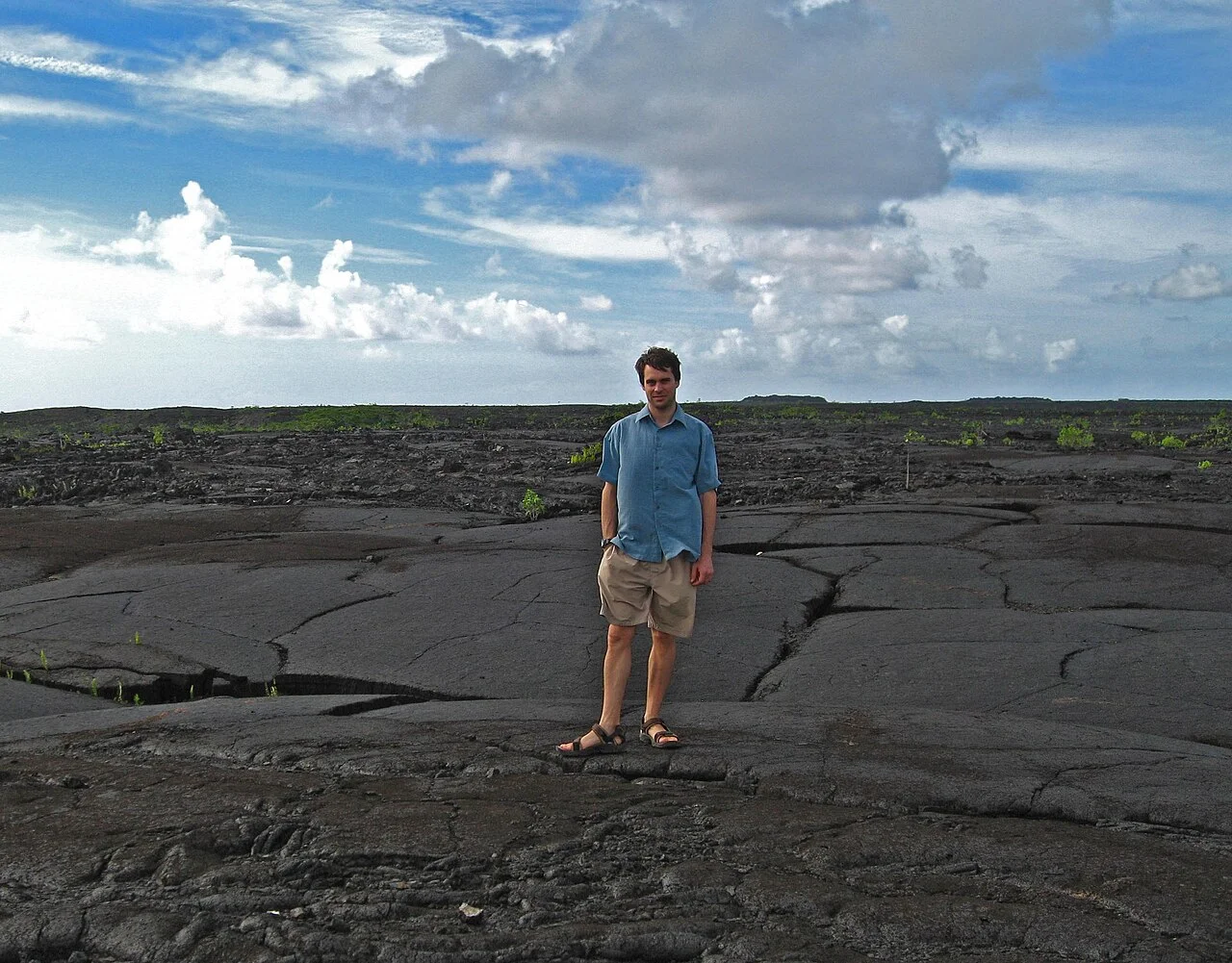
The Savai’i lava-field photograph shows a rocky surface and a visitor. It is not presented as an empty, landscaped or currently accessible walking park. This natural texture can begin a different way of looking at the country's landscapes. If the visitor arrangements are confirmed, consider a short pause in the permitted area and remain within local boundaries and uses. A limited regional programme combining coast, lava scenery and a meal answers a more specific need than trying to consume all of Savai’i in one day. It also gives the accommodation choice a practical role: the base should support the region you actually intend to visit.

Falealupo: a separate choice for the western coast
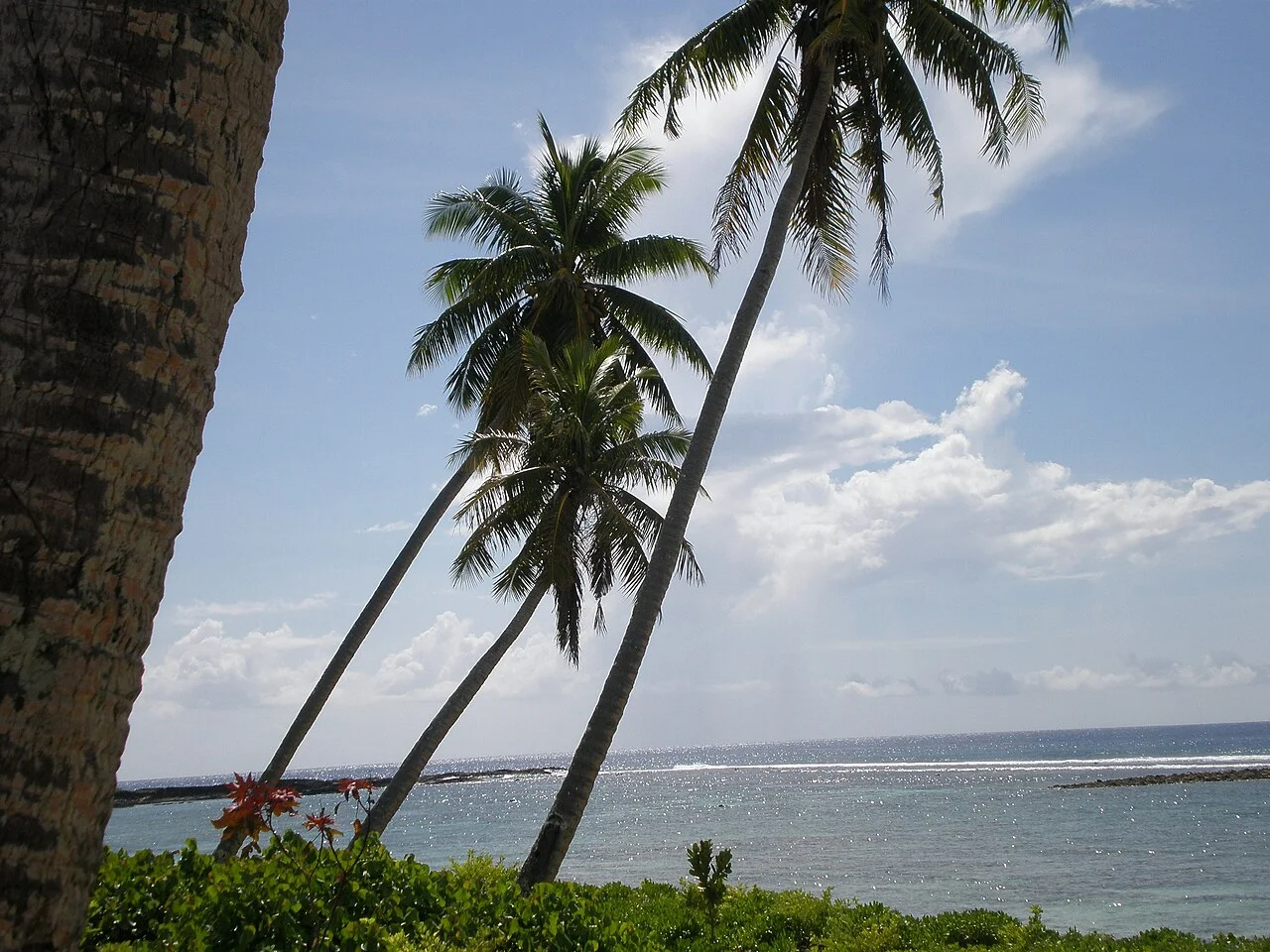
The palm-lined Falealupo photograph belongs to western Savai’i. Reaching it from a northern or eastern base can require more road time than adding another name to a map suggests. If the western coast is your priority, arrange accommodation accordingly rather than making it a compulsory addition to an already full sixth day. Day seven is reserved for the return to Upolu, and day eight for departure. If a Falealupo section would remove that return margin, prefer a closer local programme. The return night is part of keeping connections realistic, not a missing piece of sightseeing. It has a clear purpose even when it does not add a new destination to the list.

Planning meals with palusami, oka and koko
Samoa Tourism introduces palusami with taro leaves and coconut milk, and oka as raw fish prepared with coconut cream and citrus. Umu is a hot-stone cooking tradition. Talo, ulu and sapasui refer to taro, breadfruit and a local noodle dish you may encounter at the table, while Koko-Samoa offers a cocoa-drink choice. Spread these ideas between an urban lunch, a small pause and an evening meal instead of collecting every name on the first plate.
The second day's Apia lunch can focus on palusami and an accompaniment; a coast-day menu may offer oka; and a Savai’i evening can be organised around an umu programme. This does not claim that any particular business serves them every day or that the dishes suit every person. Make the choice using portion and ingredient information, and arrange the return vehicle when choosing an evening activity. At the 4 October 2026 check, FCDO advice highlights strong sea currents, road risks after dark and a cyclone season usually running November–April. Follow current local conditions for water, road and weather decisions. Dress appropriately in towns and villages, and seek permission before directing a photograph at a person or private living space. The Stork's aim is not to cross Samoa faster, but to fill the island choices with real time for landscapes and meals.