
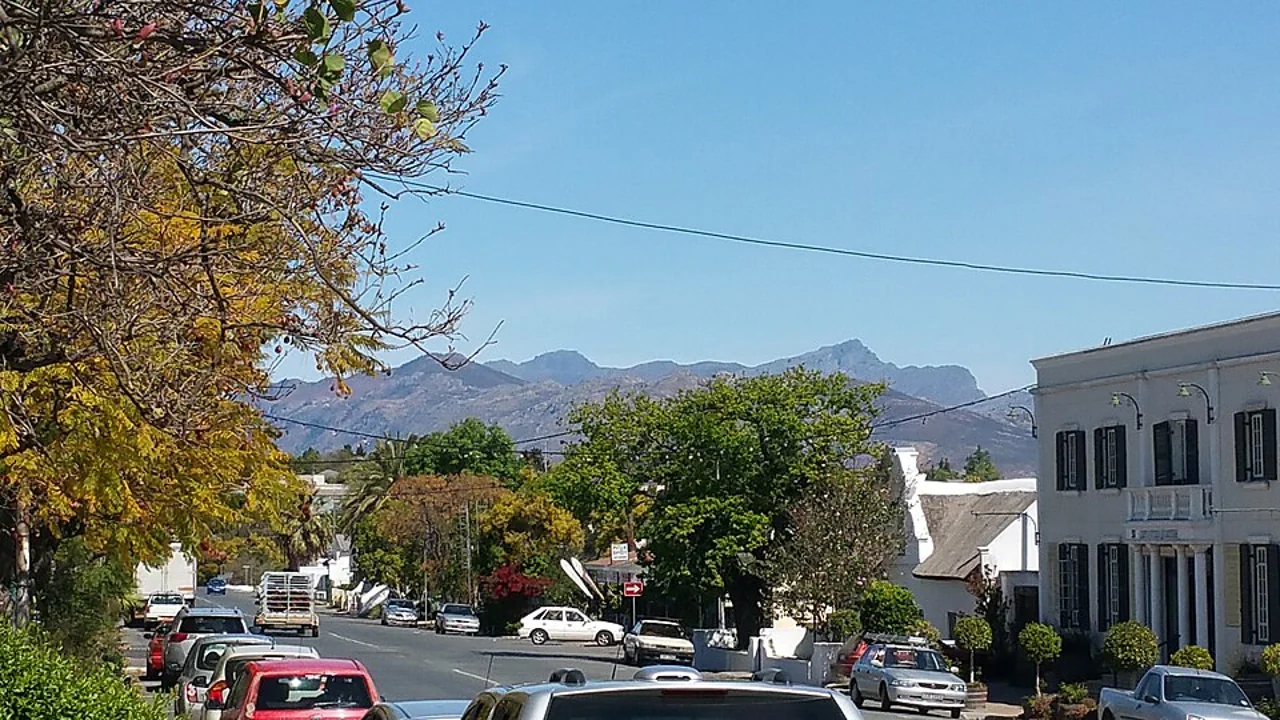
Come to Tulbagh for more than a pretty street
The Tatilmerkezi Stork starts Tulbagh with a question: how does a handsome street become a place of memory after destruction and reconstruction? In South Africa’s Western Cape, this small town offers a useful visit beyond vineyard scenery. The plan gives one full day to the 1969 earthquake and rebuilding, then another to furniture, church space and the interpretation of different households. Allow three nights across four calendar days: arrive and settle on the first, keep the middle two for culture, and depart on the fourth. Arrival is not counted as a full collection day.
Separating the journey from those two days avoids treating every museum entrance as a quick stop. If travelling from Cape Town, resolve the actual arrival connection before planning that evening. For families, assign one question to each day: distinguish old and reconstructed town fabric first, then consider how work and domestic routines were arranged. A vineyard excursion or outdoor activity may be worth adding, but decide which part of the collection plan it replaces. Short distances between historic buildings do not mean the stories inside them can all be understood in a few minutes.
First full day: Church Street after the earthquake
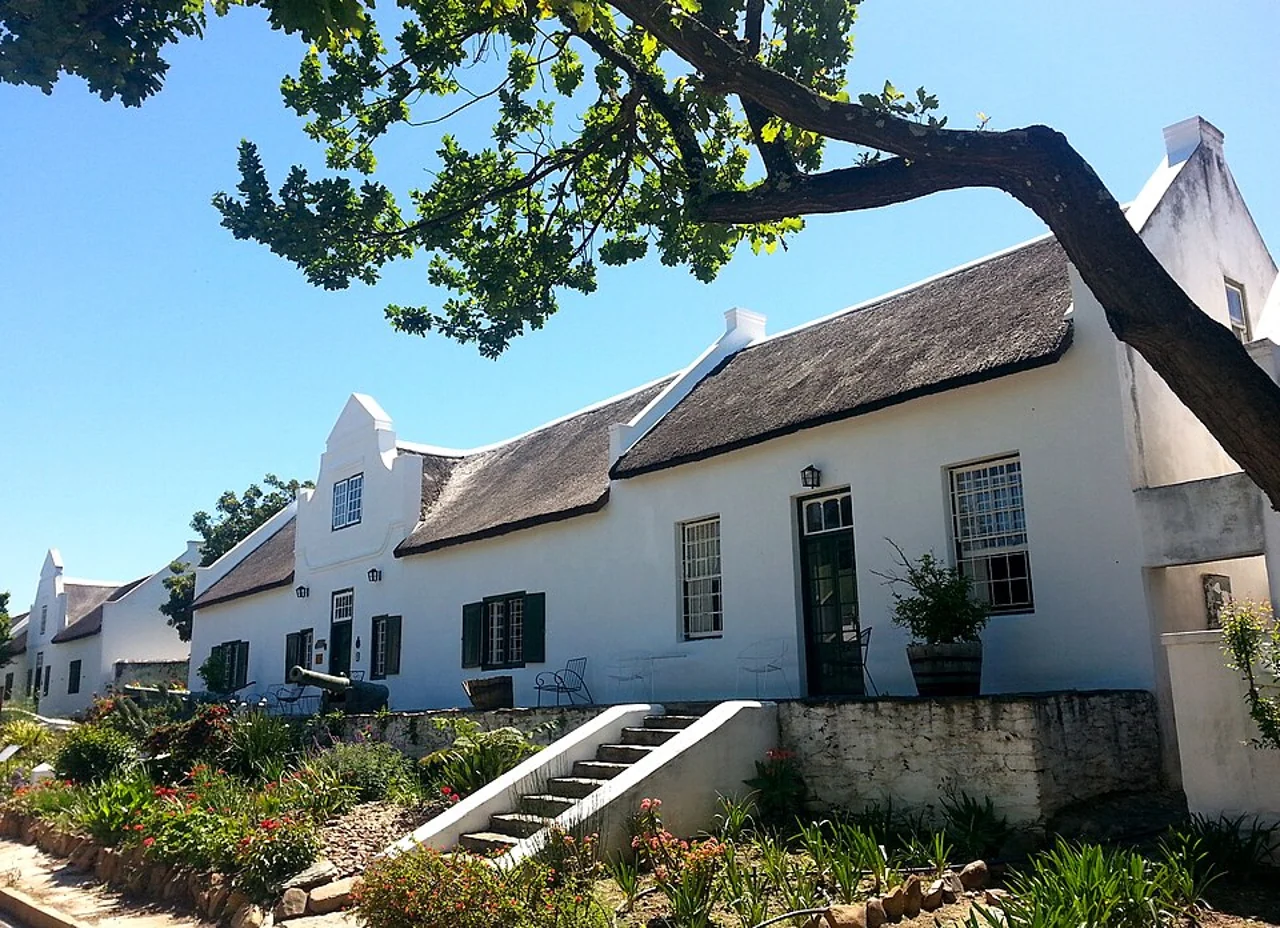
The museum’s institutional account links the Earthquake Museum to the 1969 disaster and the rebuilding of Church Street in its 1870 form. Make that museum the first day’s main focus, then look at the street with reconstruction in mind. Where an exhibition provides an older view, compare window proportions, roof shapes and the line of the buildings. Ask what was conserved, reproduced or selected in the rebuilding process. Do not assume that every attractive facade survived the earthquake untouched: an exhibition’s account and the present street offer different kinds of evidence.
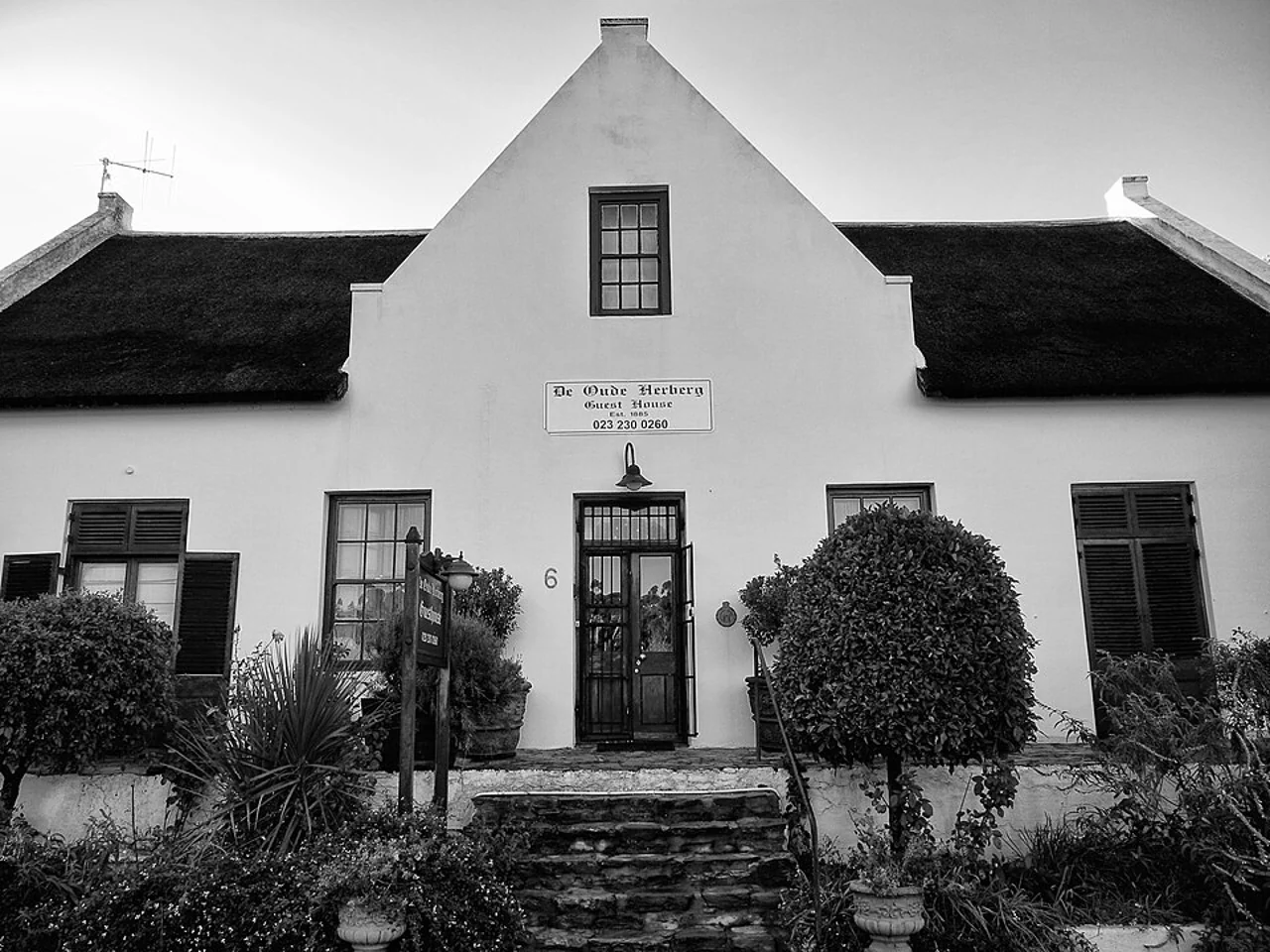

After the museum, choose two short exterior pauses instead of an exhausting photography checklist. At one, take in the street as a connected space; at another, look closely at the relation between doorway and windows. Respect traffic and the boundary between public pavement and private property. A photogenic staircase need not be a visitor entrance. Each family member can note one detail and compare it over lunch. Contact the institution separately for an educational programme or guide: describing such a programme online does not establish that a session is available automatically on every visit.
Second full day: Oude Kerk and different households
The Oude Kerk Volksmuseum’s own page describes Cape furniture and a historic cemetery. The Pioneer House interprets a working-class household around the period 1800–1920. Use the second day to ask about the function of objects, rather than simply collecting dates. When a table, cupboard or seating arrangement is presented, consider who might have used it together, which task belonged to which room and what the arrangement tells you about ordinary routines. This is a different question from the first day’s reconstruction story, even though both visits sit within the same compact museum complex.
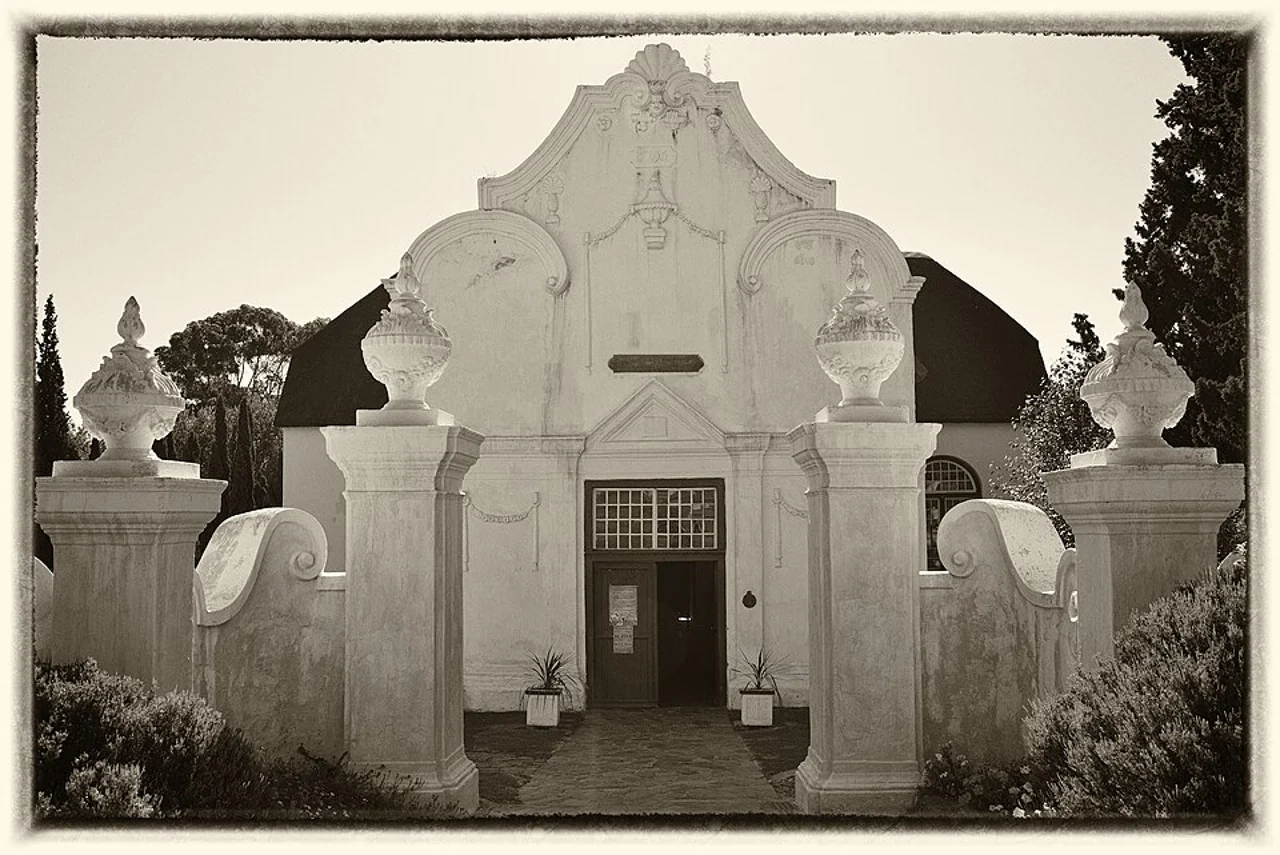

If both collection spaces are accessible on your dates, allow a rest between them. If they are not, give the confirmed space a fuller visit rather than inventing an alternative interior. The Victorian House needs particular care: the institutional text observed on 5 October 2026 says work is being carried out and that its textiles will eventually be displayed. This guide therefore does not promise a fully available textile exhibition. The same museum account discusses a Christo Coetzee selection; ask which section is accessible. Admission to a building does not automatically grant permission to photograph or publish the artworks inside.
A bobotie break within the street itinerary
Readers Restaurant’s published menu names bobotie with rice and a side salad as a lunch option, with malva pudding among its desserts. If these remain available, they offer a concrete meal choice after the first culture day’s main visit. This is an actual local business’s listing, rather than an invented claim that the dish originated uniquely in Tulbagh. Confirm ingredients, allergens and the day’s service when arranging a table. A seated lunch also divides the collection visit from the outdoor street comparison without turning every meal into a separate driving excursion.

Keep the meal plan tied to your confirmed museum and restaurant arrangements. With children or particular dietary needs, resolve an alternative through the accommodation rather than assuming that a special listed dish will always be available. No published price is transferred here as a guaranteed travel budget. If sharing a dessert, ask the restaurant about ingredients and the actual serving. Comparing notes at the table can make the pause part of the visit: how does the first day’s rebuilding story differ from the way a household’s furniture organizes everyday life? A useful meal stop needs more than a long list of restaurant names.
Choose a centre base or plan the valley connection
For this particular cultural visit, accommodation with a verified walking connection to Church Street is a practical starting point. Check the entrance address, evening return, luggage arrangements and any stairs in the room access. Families who need a rest during the middle of a museum day may find a nearby base useful. A historic facade does not establish that the property has an accessible room or parking for every vehicle. Ask about these needs at booking rather than treating the town name in an accommodation description as proof of proximity.

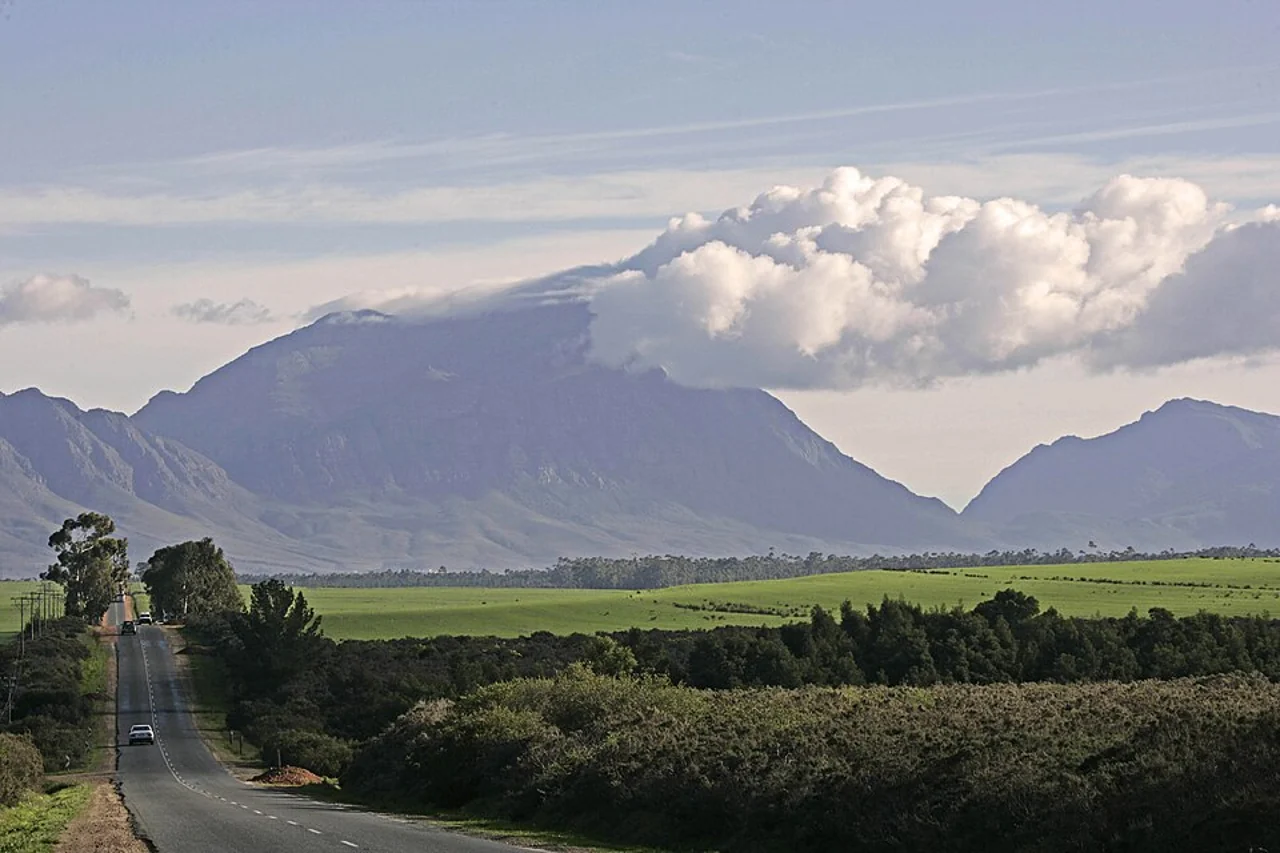
A valley or farm stay can offer a broader landscape setting, but the final connection to town requires a separate plan. Tulbagh Tourism’s official map brings accommodation, dining and activity locations together; follow that with verification of the actual business address. A countryside photograph is not evidence that the museum is a short walk from the property. Compare a hire car, a prearranged transfer or a current service verified for your real starting point. This itinerary promises no particular train or bus departure and no continuously available vehicle through an app. Settle child-seat and luggage requirements when making the transport arrangement.
Short visits, access and a final check
With only one full day, combine the Earthquake Museum with a short Church Street exterior walk; do not claim to have completed every household collection. With two days, preserve the distinction between reconstruction and domestic interpretation. In rain, shorten the exposed street section and spend more time in the confirmed indoor collection. Contact the institution about steps, floor surfaces, places to rest and any access assistance needed. Historic architecture is not evidence that every visitor can follow the same route. Confirm arrangements for your own date rather than using an unverified fixed timetable or admission total.
Sources were checked on 5 October 2026. Work, special events and display arrangements may affect individual buildings, so connect the journey and meals to the latest confirmed visit plan. The Stork suggests leaving with a specific comparison rather than only a facade photograph: what did the reconstructed street tell you that an everyday object inside a household could not, and what did the object reveal that the street missed? Keeping those questions separate gives Tulbagh its own visit, rather than making it an interchangeable stop on a Western Cape tour.