

Build a day in Hildesheim around three questions: why reconstruct a square, how can a door tell a story, and why might a ceiling justify a visit in its own right? The Tatil Merkezi Stork’s route leads from Marktplatz to the Mariendom and then St. Michaelis. Instead of attaching one historical label to the entire town, distinguish reconstructed façades, surviving works of art and places still used for worship. That approach lets you notice differences without making the day a race through museum names. Fit a proper meal between the stops according to their actual visiting arrangements.
Read the reconstructed past at Marktplatz
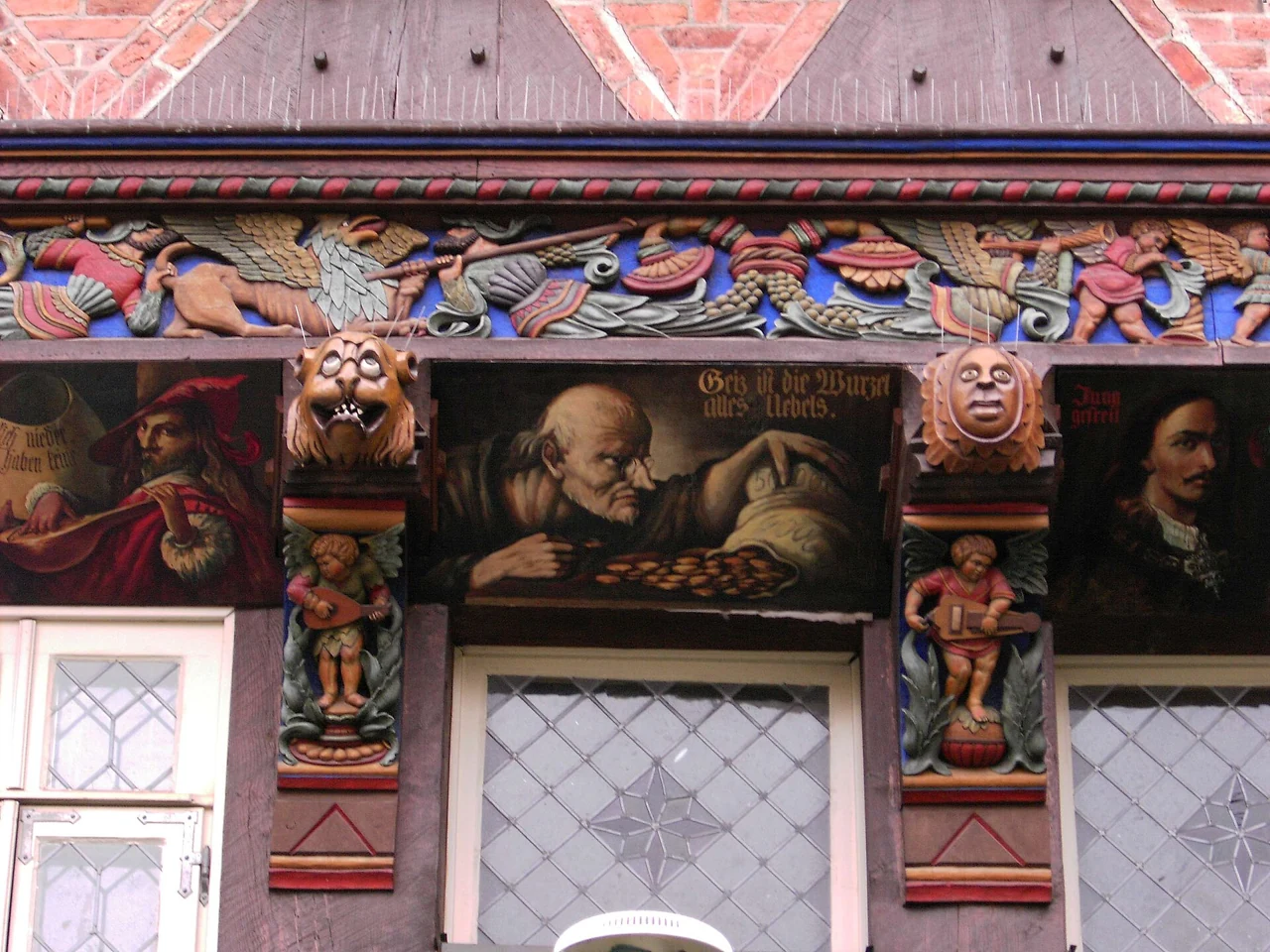
The tourism organisation’s account of Marktplatz connects the destruction in the bombing of 22 March 1945 with the reconstruction of historic façades. The Knochenhauer-Amtshaus was rebuilt between 1987 and 1989. Describing today’s timber structure simply as an uninterrupted medieval survivor would miss a central part of that account. Look first at the square as a whole, then compare the building’s levels and decoration with another front. Reconstruction should become one of the walk’s main questions rather than a small footnote added after you have taken the picture.
The tourist information office in the Tempelhaus is a useful place for a current map and advice about the day. It describes a side entrance with a bell on Judenstraße for visitors needing step free access. That information does not establish identical access throughout the square or at the churches you plan to visit. Ask about the route that fits your own needs. While others choose an overall view, you might compare the lower and upper levels of a single façade. A few minutes spent on one detail can give you a reason to return later.
At the Mariendom, choose one work first
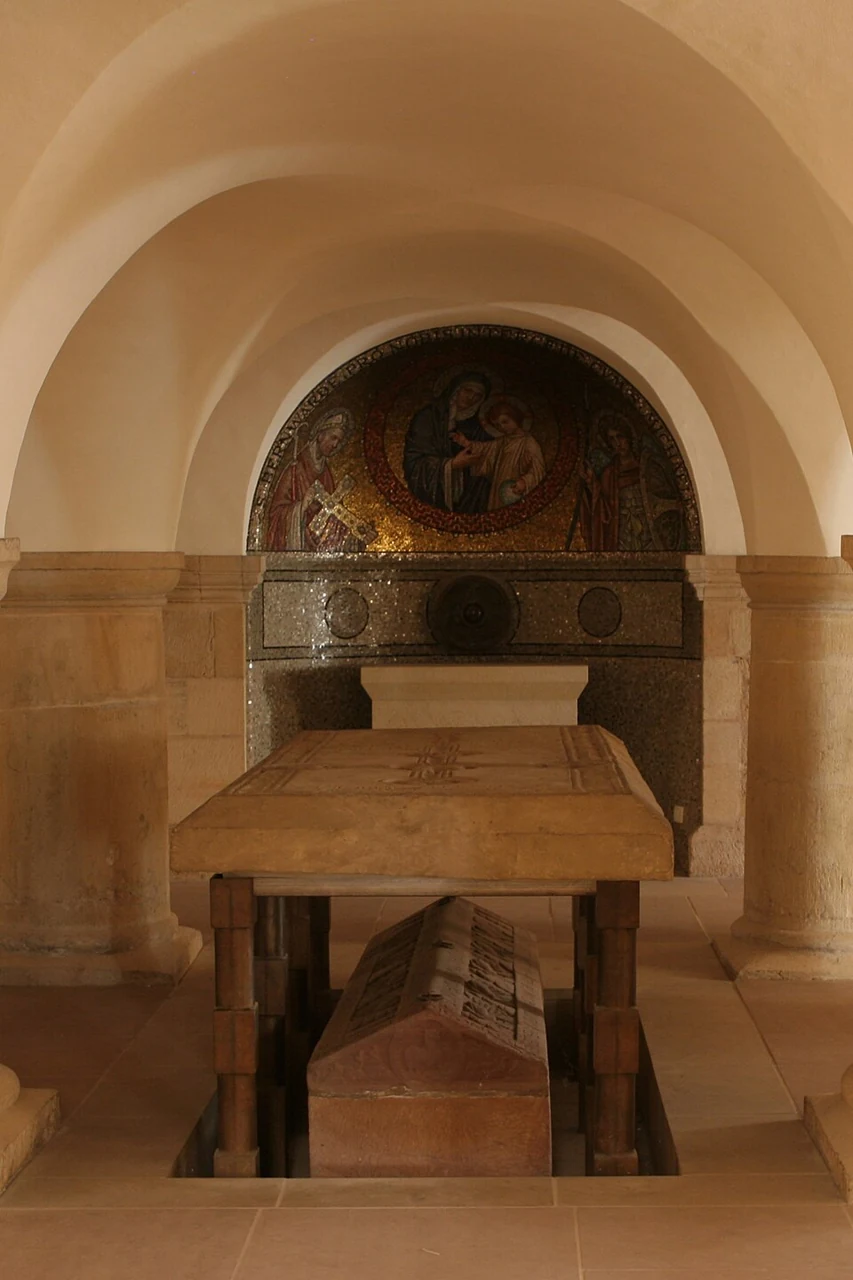
Make the Mariendom the principal interior stop after the square. The cathedral’s own website highlights the bronze door leaves commissioned by Bernward in 1015. Choose one panel before trying to follow every scene. Look at the direction in which figures turn and the way forms stand out from the surface. You do not need to memorise each title and move immediately to the next photograph. After seeing the doors as a whole, return to the panel you selected. That second look may reveal a relationship between figures that was easy to miss initially.
The cathedral remains a place of worship. Check a proposed tour against services instead of assuming a visit will fit between them. The cathedral, Domfoyer and Dommuseum have different purposes and visiting arrangements; one opening time is not automatically an admission rule for all three. Follow the current directions and photography rules displayed during your visit. Companions do not have to inspect every work in the same order. Agreeing on a precise meeting point outside can be more comfortable than calling one another while trying to keep a quiet interior quiet.
Walk to St. Michaelis for a second way of looking
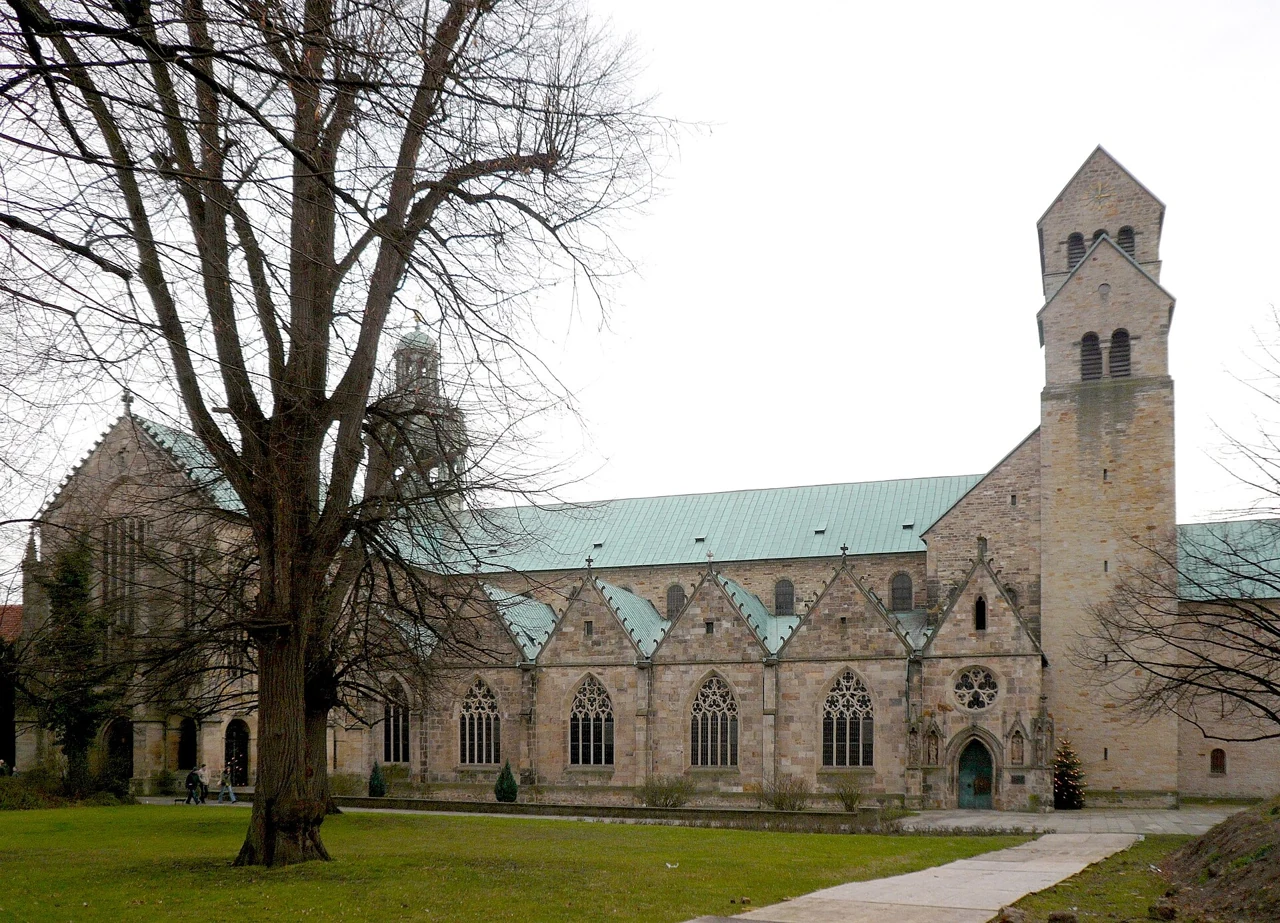
Give St. Michaelis the next part of the day. The city’s official cultural programme links the two churches in one outing. You can use that connection when planning independently without implying that you have purchased its group package. Since interior arrangements differ, think about arrival at the second church alongside the finish of the first visit. There is no walking time that fits every traveller. Breaks, weather and the connecting streets you choose will affect it. Drawing the link on a current map also lets you decide where a small architectural detour would be worthwhile.

For the painted wooden ceiling in St. Michaelis, the Lower Saxony conservation authority explains its place among the few surviving monumental medieval panel paintings on wood. Comparing the bronze surface at the cathedral with a painted surface above you gives the two church visits different purposes. If looking up for a long time is uncomfortable, divide your attention into shorter sections. Choose a place to pause according to the current visitor arrangements. A report about conservation work does not by itself establish that the entire interior will be closed on your travel date; check present access separately.
Plan a real main meal at Gildehaus
Restaurant Gildehaus at Markt 4 is a named candidate for the meal break. The operator’s 2026 menu record includes caramelised walnut risotto with vegetables and braised cherry tomatoes. Ask whether it is on the menu during your visit. If walnuts, another allergen or vegan preparation matters, discuss the actual order with staff rather than relying only on a menu marker. This is a possible seated main meal, giving the day a proper pause rather than turning food into a small snack squeezed between the two churches.
The restaurant says guests who are not staying at the hotel are welcome. It also explains that restaurant and bar purchases are paid directly rather than charged to a hotel room; that detail helps if you choose to stay at the same address. Establish kitchen service arrangements before fitting the remainder of the walk around lunch. A place suggested in a guide is not a confirmed table reservation. Returning to Marktplatz afterwards lets you compare the façades with your first view of the day. Alternatively, make St. Michaelis the main task of the afternoon. You do not need to hurry both options to make the outing worthwhile.
If staying overnight, decide how you will arrive
Van der Valk Hotel Hildesheim at Markt 4 is an accommodation candidate with a concrete address. Staying by the square may make it easier to return to a façade on the next morning. Assess room type, access and the conditions of your own reservation together. A central location does not give every guest the same practical experience. The operator’s reservation information describes short term luggage storage. Confirming the arrangements against your arrival time may let you begin the walk without carrying a bag through every stop.
For drivers, the hotel’s arrival directions point to Gerberstraße for the garage approach. Markt 4 is the hotel address, so do not treat it as the same vehicle entrance. Confirm garage conditions and the connection into the hotel, then follow current signs on arrival. If travelling by rail, use the Hildesheim Hbf page for actual services, platform information and access. An overnight version of the plan gives the first day to the cultural route and the second morning to a shorter return to the square. Keep collecting bags and reaching the station separate from the final minutes of an interior visit.