

A useful Port Vila city plan begins with a current address rather than walking straight towards the street shown in an old market photograph. The Tatilmerkezi Stork suggests linking the latest city map, your accommodation entrance and the next morning's meal. Vanuatu's capital sustained serious infrastructure damage in the earthquake of 17 December 2024. The tourism office's temporary city map, checked on 4 October 2026, explicitly notes that some businesses have moved to new premises. These two days therefore centre on a currently verified market visit and modest pauses along waterfront sections that are accessible on the day.
This is not an Efate island loop or a flight programme for Santo. It is designed around two nights, two city days and departure on the third morning. The first day combines orientation and lunch, while the second gives a separate interval to the waterfront and craft shopping. Even an early-arriving visitor need not attach every island excursion to the list. Two considered meals and a straightforward return to accommodation can be more useful than an attempt to cover the greatest possible distance in limited time.
Before arrival: start with current post-earthquake addresses
Open the tourism office's temporary Efate and Port Vila map before arrival, marking your accommodation, a meal point and a transport meeting address. Compare the business name on the map with your booking and allow for relocation. Ask your accommodation to arrange a drop-off at the entrance and clarify exactly where to meet the vehicle. This preparation prevents a business's former city-centre location from being treated as evidence that it still trades at the same address.
An evening arrival leaves the first night for settling in and a nearby meal; the two sightseeing days begin the following morning. No fixed airport transfer fare or duration is invented here. Your own flight and the accommodation's current arrangements determine the journey. Save a contact number and meeting point offline. A city programme that will work the next morning often starts by removing an unnecessary search for an address on the first evening.
Accommodation: weigh central access against an easy return
Compare accommodation in the centre or around accessible waterfront sections by how it relates to market and meal visits. An address described as “waterfront” is not enough on its own. Examine the entrance, present road access, evening vehicle arrangements and reception procedures. Read the temporary map alongside directions from the accommodation itself. This comparison does not claim that every section of the waterfront forms an uninterrupted walk today or that every central street is safe.
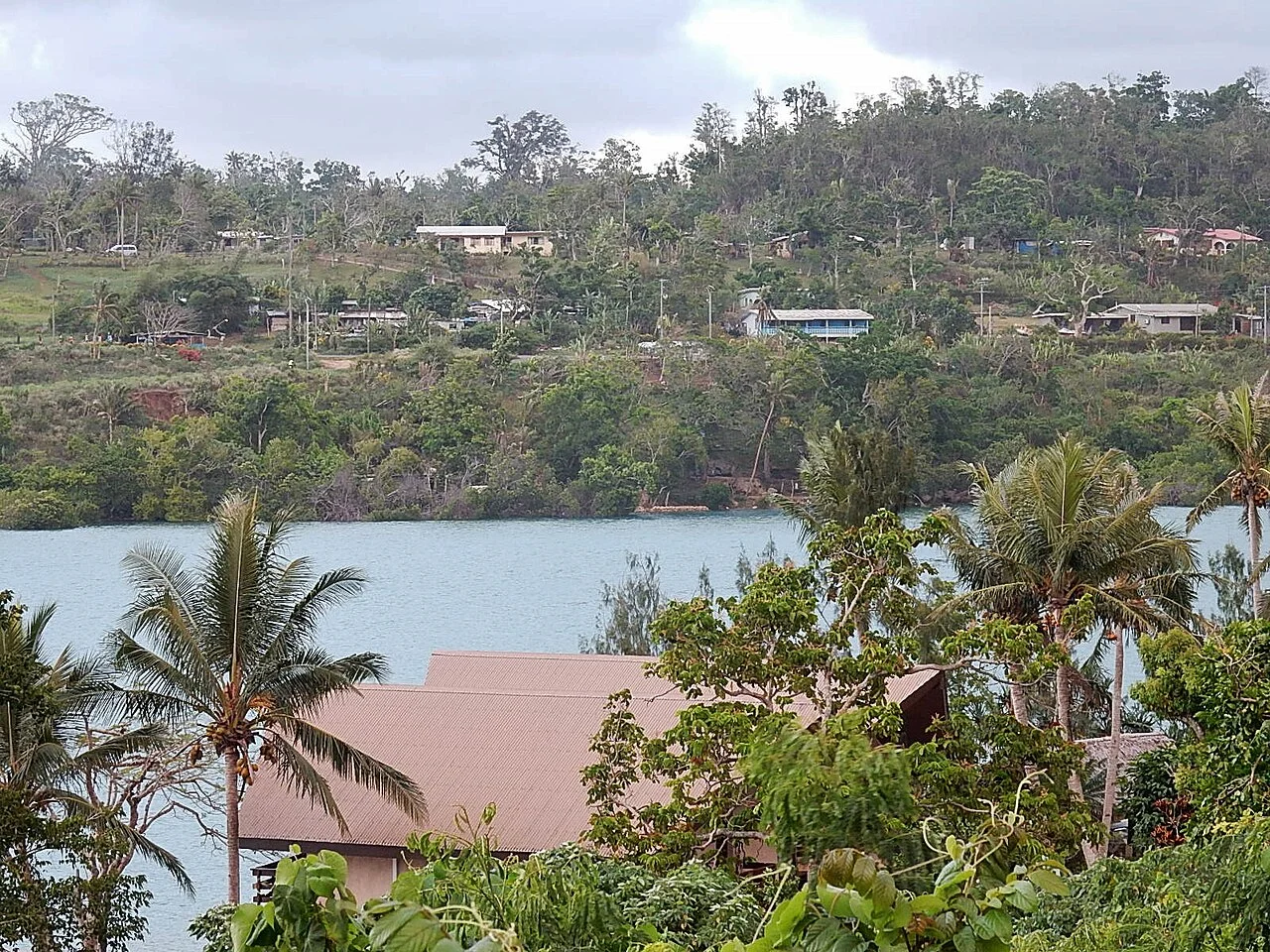

A base outside the centre may offer a quieter room or a different setting, but it also adds transport to the city visit. Keeping one accommodation for both nights reduces luggage work. You can organise one daytime central block followed by dinner near your base. If a companion wants more shopping while you prefer waterfront observation, agree on the vehicle pickup time rather than requiring identical activities. A short stay works better when nobody has to complete every stop at the same moment.
First morning: a measured visit to a current market point
Make the market the morning's focus, but do not use the hall in a historical photograph as current address evidence. The tourism office presents Port Vila in the context of fresh produce, food and crafts, while its post-earthquake map explains relocations. Confirm which market section is operating now and plan a modest visit there. An observation round among fruit, root crops and cooked-food stalls helps separate a considered meal choice from a hurried purchase.


Bring a small amount of vatu and a reusable bag. A few small notes can make your own purchases easier than spending time finding change for one large note. Ask before photographing a stall or a person. The official market guidance explains that haggling over food is not generally expected. No product prices are invented in this guide: buy against the amount and the displayed or agreed price for the actual goods you select that day.
Lunch: give laplap and tuluk separate possibilities
Laplap and tuluk are local preparations named in the Vanuatu tourism office's market material. Exploring one on the first day and comparing it with another meal gives the food programme more structure than trying to finish every name at a single sitting. A cooked dish and fruit can also provide a modest framework for a visitor who wants a smaller market lunch. No promise is made that every stall will have every item or follow an identical recipe.
If interested in tuluk, learn what the particular preparation contains and give it an appropriate meal interval. Companions with different food preferences do not all need to order the same plate; a nearby place to sit and a clear meeting arrangement are enough. After lunch, returning to accommodation for a pause instead of adding a long island transfer can make the following day's waterfront visit more comfortable. The Stork's food suggestion is simple: choose a meal you will give time to, rather than a name collected only to label a photograph.
Second day: a short loop on an accessible waterfront section
Choose the second day's waterfront section according to current access information from your accommodation or a tourism information point. A broad bay view and a closer observation of boats are different perspectives, but seeing both does not require walking the whole shoreline. Decide on a short starting and turnaround point. Construction, barriers or a temporary closure should reduce the route. An attractive old image is not a reason to enter an area that is closed today.


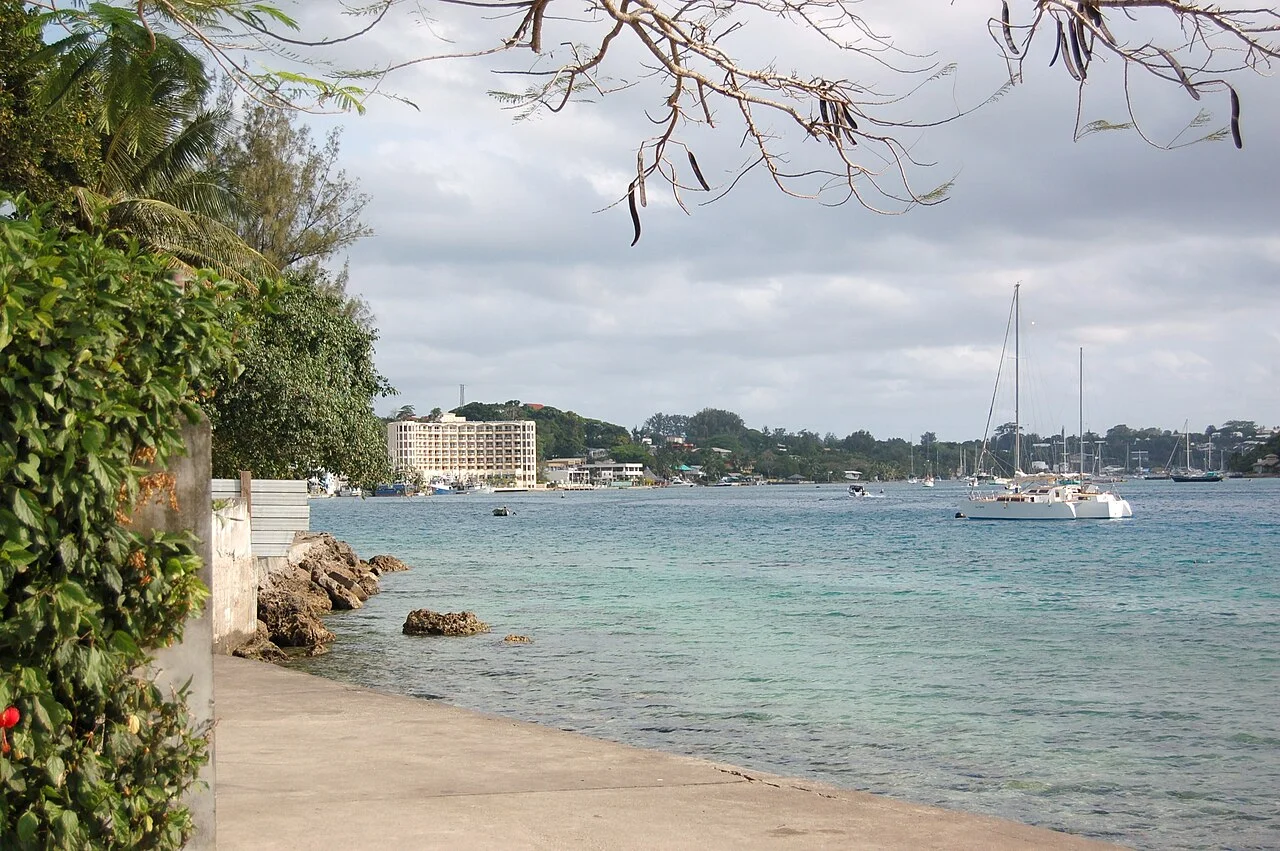
The boat photograph provides city waterfront context. It recommends neither a particular operator nor a current boat tour. Purchasing a sea excursion is a separate decision, not the required continuation of a shore walk. This guide also guarantees no swimming spot or water conditions. Capture dates are deliberately visible: all five scenes predate the earthquake and do not document today's buildings or market arrangements in Port Vila.
A craft pause and departure on the third morning
On the second afternoon, visit a craft-selling location whose present address you have confirmed. If considering a basket, woven item or small souvenir, learning how it was made gives the purchase another dimension. Choose something you can carry rather than automatically buying a large quantity; your return flight's baggage rules are a separate consideration. Keeping the market meal and craft shopping out of one rushed tour leaves room for conversation and a considered choice.

Reserve the third morning for breakfast, check-out and an arranged transfer. UK official advice checked on 4 October 2026 treats earthquakes, tsunamis and volcanic activity as separate risks. Learn the local emergency directions at your accommodation and follow official instructions. This city programme offers no unconditional access or safety promise. Leaving Port Vila with two short days shaped around actual addresses and two unhurried meals may be more satisfying than abandoning half of an overextended island checklist.