
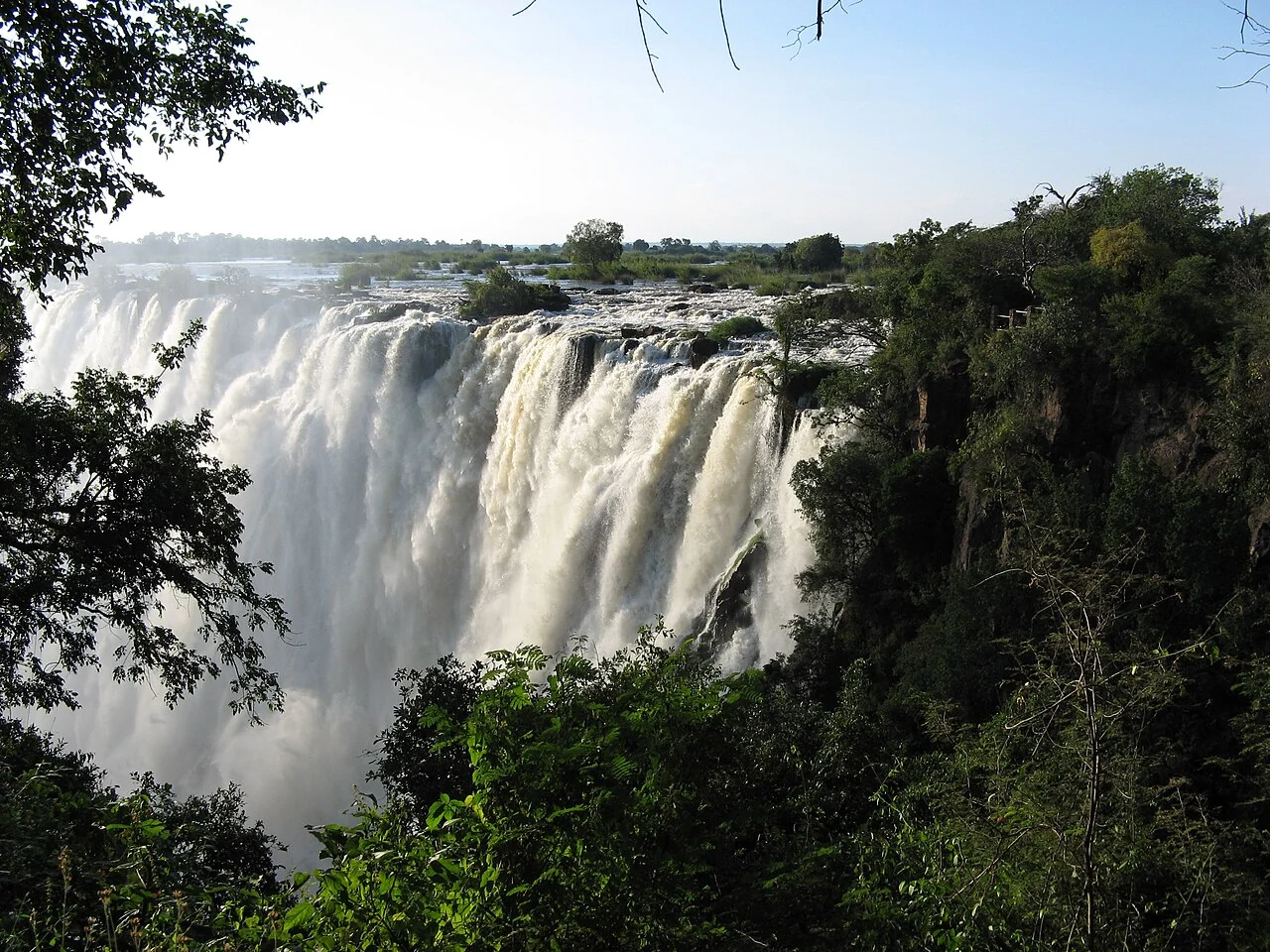
The Tatilmerkezi Stork begins a Zambia map with two very different landscapes: the Zambezi dropping into a gorge near Livingstone, and the river valley of South Luangwa in the east. They can belong to the same holiday, but adding another national park to every spare day turns a wildlife trip into a transfer schedule. This guide chooses Livingstone and the Mfuwe area for a first visit, using Lusaka as a connection and overnight buffer when needed. It helps waterfall walkers and travellers who care most about guided safaris divide their time differently.
Choose your emphasis: waterfall or safari
For a short six-night holiday, three nights in Livingstone, one connection night in Lusaka and two further nights for rest or activities around Livingstone can be a less mobile choice. If South Luangwa is your priority, extend the trip so the park receives several mornings and evenings. Wildlife is not a result purchased by the hour: repeated opportunities to observe are more rewarding than one hurried excursion. Waterfall flow and road conditions change with the season; do not expect the same landscape in every month.
A balanced planning example uses nine nights: three in Livingstone, one in Lusaka, four in Mfuwe or a South Luangwa camp, and one back in Lusaka. Day one is arrival and settling in; day two is the waterfall walk; day three is town and a museum; day four is a connection; day five is the camp transfer. Keep days six, seven and eight for activities agreed with your guide. Return to Lusaka on day nine and take the international flight on day ten. This is an itinerary suggestion, not a promise of an available flight schedule.
Livingstone: balance waterfall walking with town
Victoria Falls, also known as Mosi-oa-Tunya, is the main focus of the Livingstone section. Give the visit its own half-day rather than treating it as an interruption between town activities. Confirm admission arrangements, transfers and which walking areas are open on the day. Stop for photographs without obstructing paths and follow signs on wet surfaces. A waterproof camera cover and footwear with grip are useful. Lower water flow changes the view; trying to reproduce an old photograph is no reason to approach an unsafe edge.


For a town day, choose between Livingstone Museum and the Railway Museum according to your interests rather than squeezing both alongside the waterfall. The former offers a way into the area's historical and cultural context, while the railway theme encourages a different look at transport history. Ask separately about current visiting arrangements. Return to your accommodation after the museum break and confirm the following morning's transfer. Crossing to the Zimbabwe side is outside this core route and requires separate immigration checks.
South Luangwa: stay in one valley for several days
The Zambia Tourism Agency identifies Mfuwe as the airport for South Luangwa and Chipata as its road approach. On a first visit, an arranged transfer between the airport and accommodation reduces uncertainty. Compare camps by their distance from the park entrance, the scope of guided activities and whether meals are included. A room that looks inexpensive can become a different proposition once vehicles, guiding and transfers are added. Compare the complete stay, not simply the nightly room figure.


Leave a rest period between morning and evening activities. Alongside a camera, consider binoculars, sun protection and the understated clothing recommended by your guide. A walking safari is an option only under the direction of properly qualified, authorised guiding staff; it is not equivalent to wandering alone beside the river. Putting the camera down to notice birds or the movement of the water belongs to this experience too. Do not accept a particular animal sighting as something any operator can guarantee.
Transport: settle connections before booking rooms
Proflight's official pages list Lusaka, Livingstone and Mfuwe, including Livingstone–Mfuwe options through Lusaka. Check the booking system for your actual dates, operating days and baggage conditions. A final overnight buffer is easier to manage than attempting an international connection on separate tickets immediately after leaving camp. Agree the airport transfer vehicle, driver's contact and arrival meeting arrangements in writing with your accommodation. A saved route page helps planning but does not replace a confirmed booking.
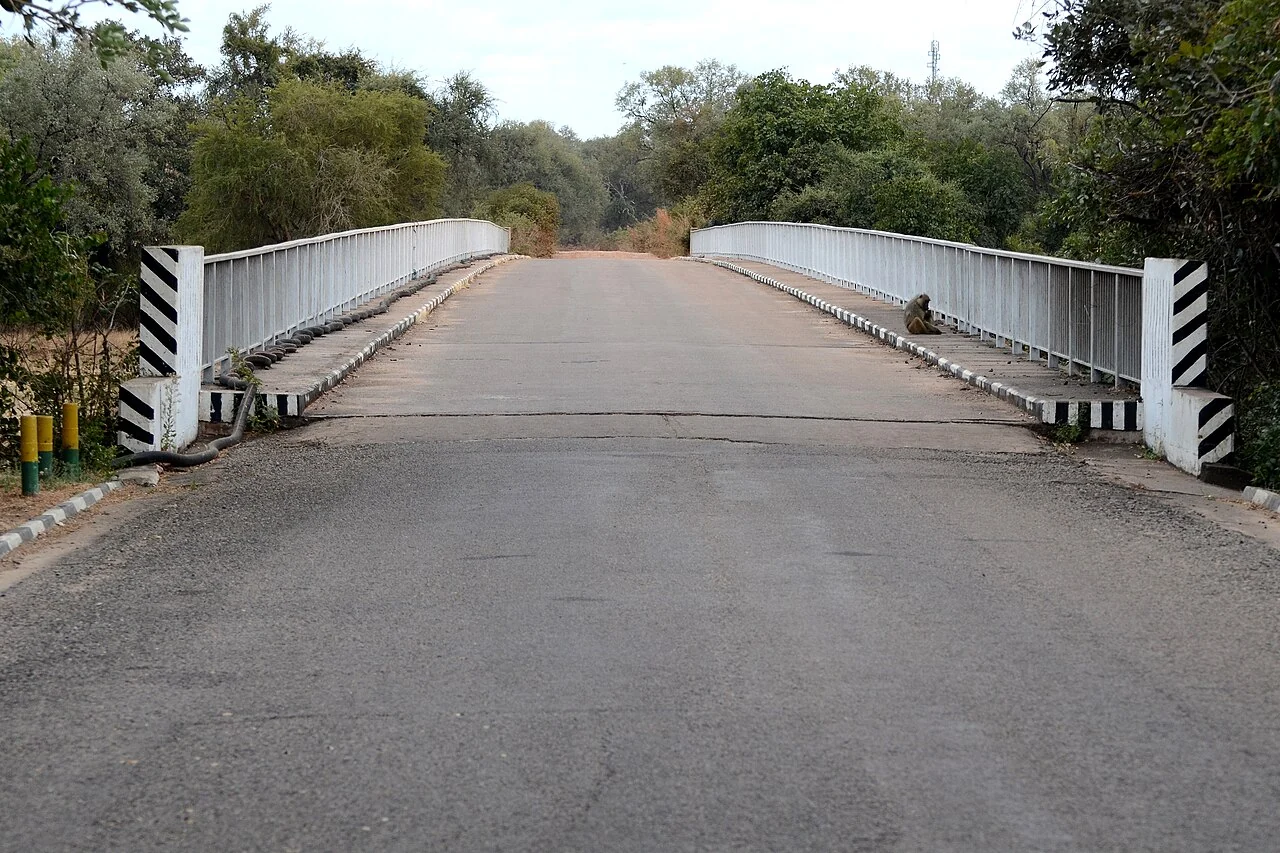

A road-based visit has a different pace. Access through Chipata is possible, but Livingstone to a safari camp is not a short urban transfer. Discuss distances, surfaces, rainfall and daylight with a local operator before committing. Avoid building long drives after dark into the itinerary. An attractive photograph of a bridge or river does not establish that a road is open today; use current local directions. If the connection becomes awkward, reduce the number of bases rather than using an unsafe rush to preserve every stop.
Where to stay: town convenience or a complete camp stay
Accommodation in Livingstone town can suit museum breaks and meals, while a riverside lodge may trade easier town access for a quieter outlook. Ask about walking distance, arranged evening transport and whether the waterfall transfer is included. Use a prearranged vehicle after dark instead of walking an unfamiliar route. Decide whether practical location or the view from the room matters most to you. A hotel description saying Livingstone may encompass more than the town centre, so check the actual map pin.
Near Mfuwe, the camp's arrangements matter more than a long list of amenities. How are airport pickups, park activities, guides, meals and electricity provided? Families should ask directly about age limits and activity suitability; travellers with mobility needs should confirm vehicle access and facilities. For a connection night in Lusaka, airport access and the departure time should shape the choice before sightseeing. A good itinerary sometimes means staying in the right place rather than adding another attraction to the map.
A simple local meal built around nshima
Nshima is a substantial maize-based accompaniment and an accessible introduction to Zambian meals. UN Tourism's Zambia gastronomy section includes nshima made with different grains, kapenta and a Zambian bream preparation. If available on the menu, start with nshima and thoroughly cooked fish, chicken or vegetables, asking about ingredients, chilli and allergens. One main dish with its accompaniment can be a better introduction than ordering many unfamiliar items together.


On the Livingstone town day, place lunch after the museum; on safari days, use the camp's breaks for meals and rest. Agree breakfast arrangements before an early transfer and confirm a safe drinking-water source with your accommodation. This gives local food a place in the journey without a restaurant hunt delaying departure. The illustrated plate is a food example, not a current menu from a named business.
Check entry, health and regional safety
At the 4 October 2026 review, FCDO highlights the risk of inadvertently crossing an unmarked boundary in rural areas near the DRC border. This guide does not include that region. Additional entry health screening may affect arrivals from affected areas; compare your travel and transit history with current official notices. Verify visa conditions for your own passport with Zambia's immigration authorities or diplomatic representation. Seek qualified travel-health advice in advance about malaria and other relevant risks, and confirm that insurance covers your planned safari activities and possible evacuation.