
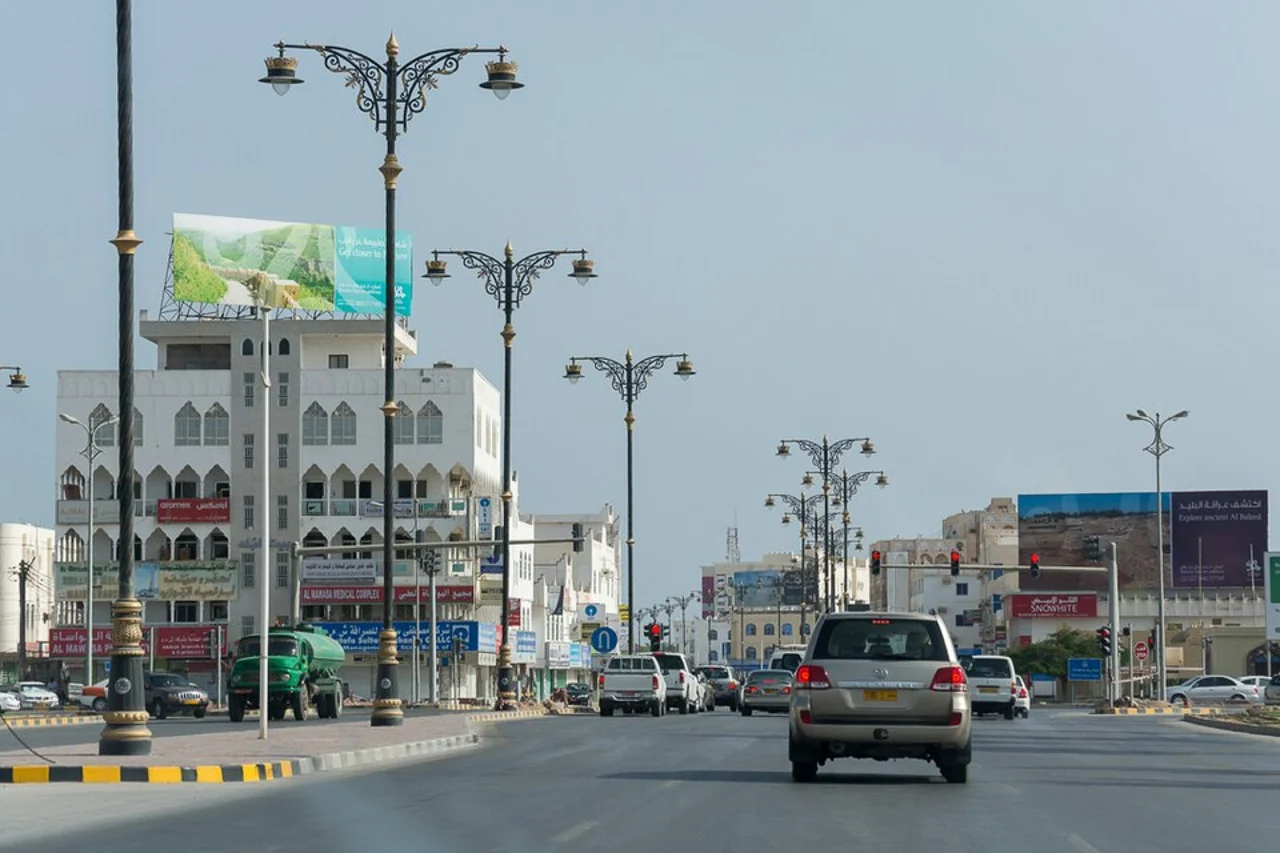
Three nights and two full Salalah days
Tatilmerkezi Leyleği follows the story of frankincense from an old port into Salalah's city souq. This is a plan for two complete urban days in southern Oman, rather than an attempt to collect every valley and coastal stop in Dhofar. Allow three nights: settle in on arrival, spend the next two days visiting, and leave the following morning. Early arrivals can add a nearby meal; late arrivals should not inherit a museum deadline from an optimistic flight timetable. Muscat, Nizwa and Misfat belong to a different northern journey. Reaching Salalah, choosing a room here and leaving again each need their own arrangements.
Give the first full day to Al Baleed and its museum, then use the second for Haffa and a manageable section of the centre. Adjust the balance of outdoor and indoor time to the actual weather. If a heritage venue is closed on your intended date, reverse the days and choose an open visit rather than waiting outside. Travellers requiring mobility assistance should ask about the surface, shaded waiting space and distance from the vehicle drop-off to the entrance. A principal visit, a proper meal and an agreed return journey are useful anchors. They make a clearer holiday than treating widely separated city fragments as one continuous walk.
Al Baleed: the old port and frankincense heritage
Read Al Baleed first as the remains of a coastal port: stone walls, open spaces and the scale of a settlement that once faced the sea. This is Salalah's archaeological component of the UNESCO Land of Frankincense property. The neighbouring Museum of the Frankincense Lands connects Dhofar's history with Oman's maritime past. Looking at the site before entering the museum can establish a useful framework; temperature, admission arrangements or personal needs may make the opposite order better. Confirm current opening and which sections are accessible rather than assuming uninterrupted access to every gallery.
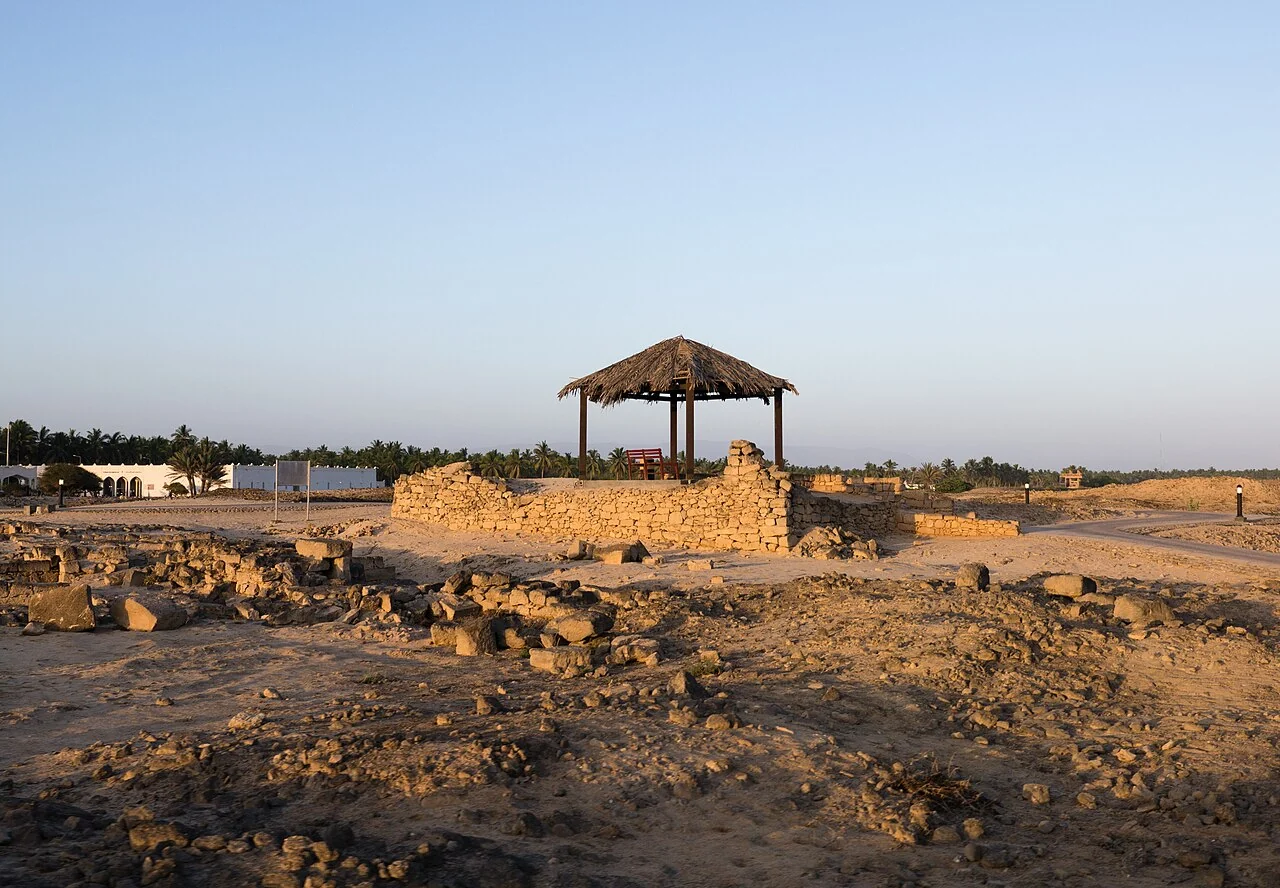

Keep the day's question close to the city: how did this port connect Salalah with a wider trading world? Sumhuram, Shisr and Wadi Dawkah are not additions to the same afternoon merely because they share a World Heritage inscription. Follow marked paths, stay off archaeological walls and ask about photography inside. With children, choose a short discovery task instead of making every display compulsory. Understanding what a port carried, and why frankincense mattered, leaves an interesting question to take into the souq. It also gives the two city days a connection beyond a list of separate attractions.
Haffa souq: fragrance and thoughtful shopping
Use the second day for Haffa's frankincense, bakhoor and small purchases. The airport's official city information describes incense shopping beside Al Husn Palace and gold and silver around As Salam Street. The palace is a geographical reference here, not a promise of public access to its interior. Ask how a resin is used, what a scented mixture contains and how it should be packed. Check the destination country's customs requirements and your airline's rules before buying something that will travel in your luggage.
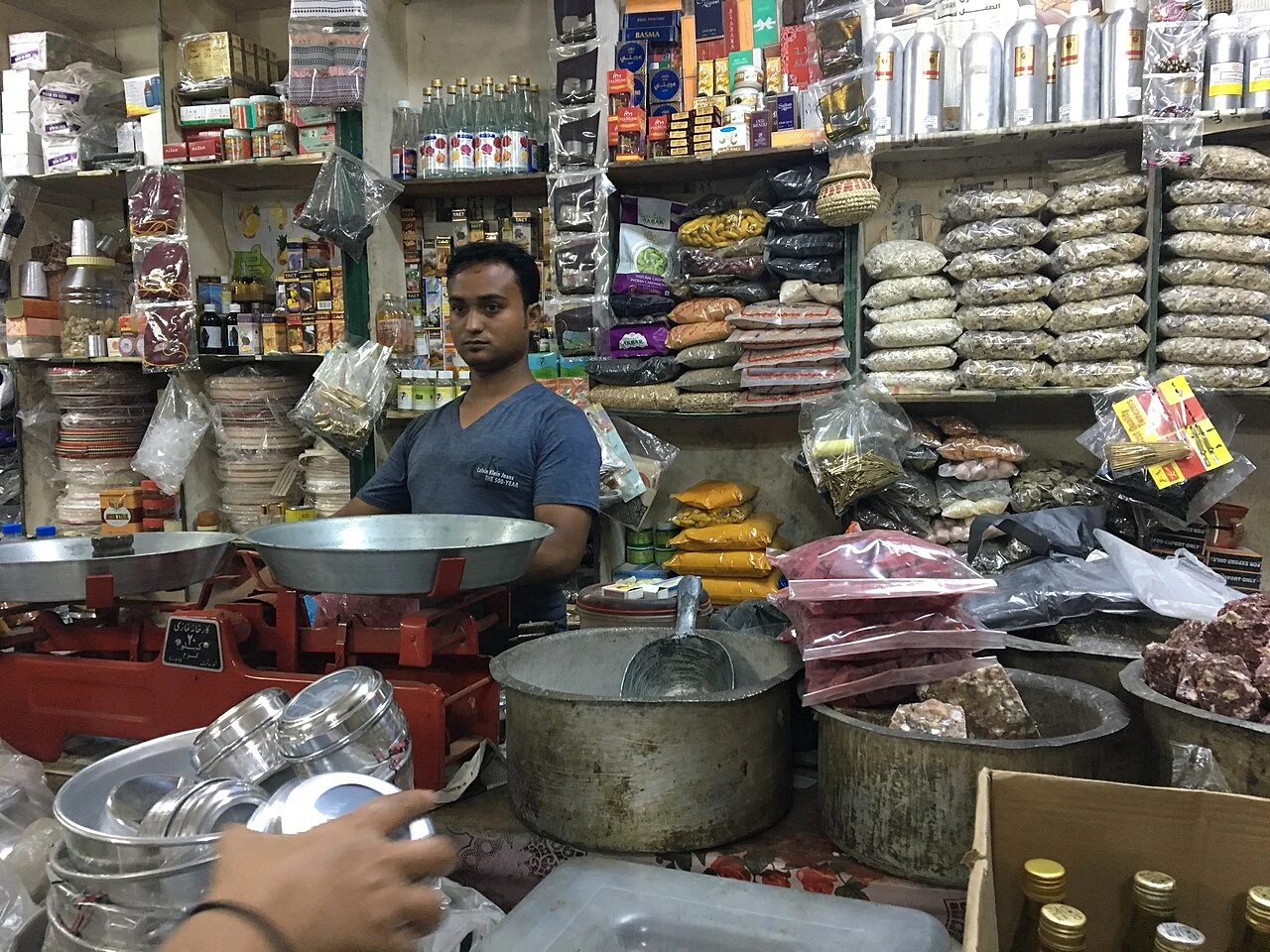

A small notebook is useful for comparing quantity, ingredients and the actual offer for similar products. Seek permission before photographing people; a shop worker's portrait is not automatically part of admission to a market. Give the group an agreed meeting place and a real rest stop. Later, select one manageable section of the centre instead of promising a continuous walk from Haffa through every modern shopping district. Tatilmerkezi Leyleği's suggestion is to understand a few purchases rather than accumulate bags in a hurry. Shopping then becomes part of the city's trading story, with enough time left for a comfortable meal and the journey back.
Palm-lined surroundings and a slower city hour
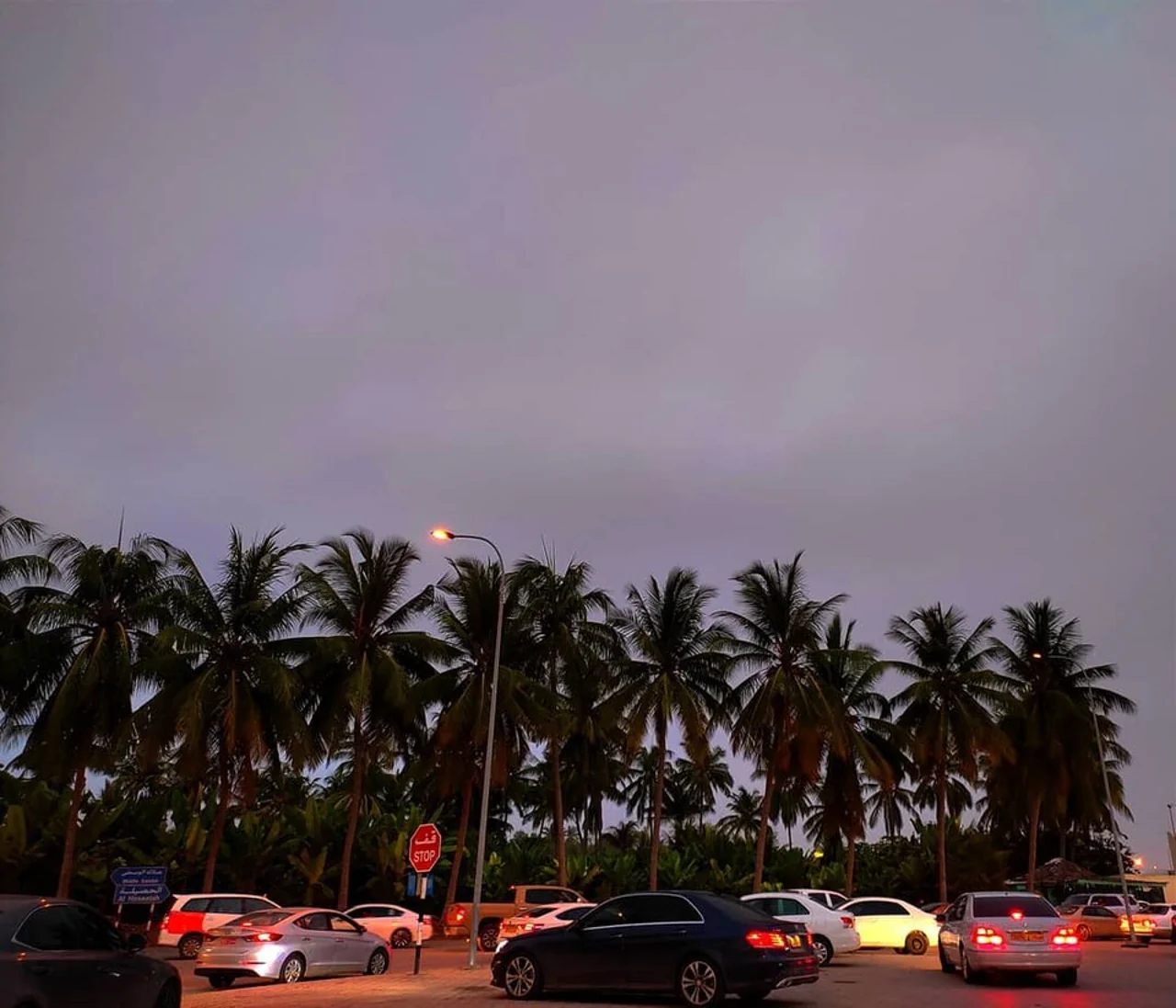
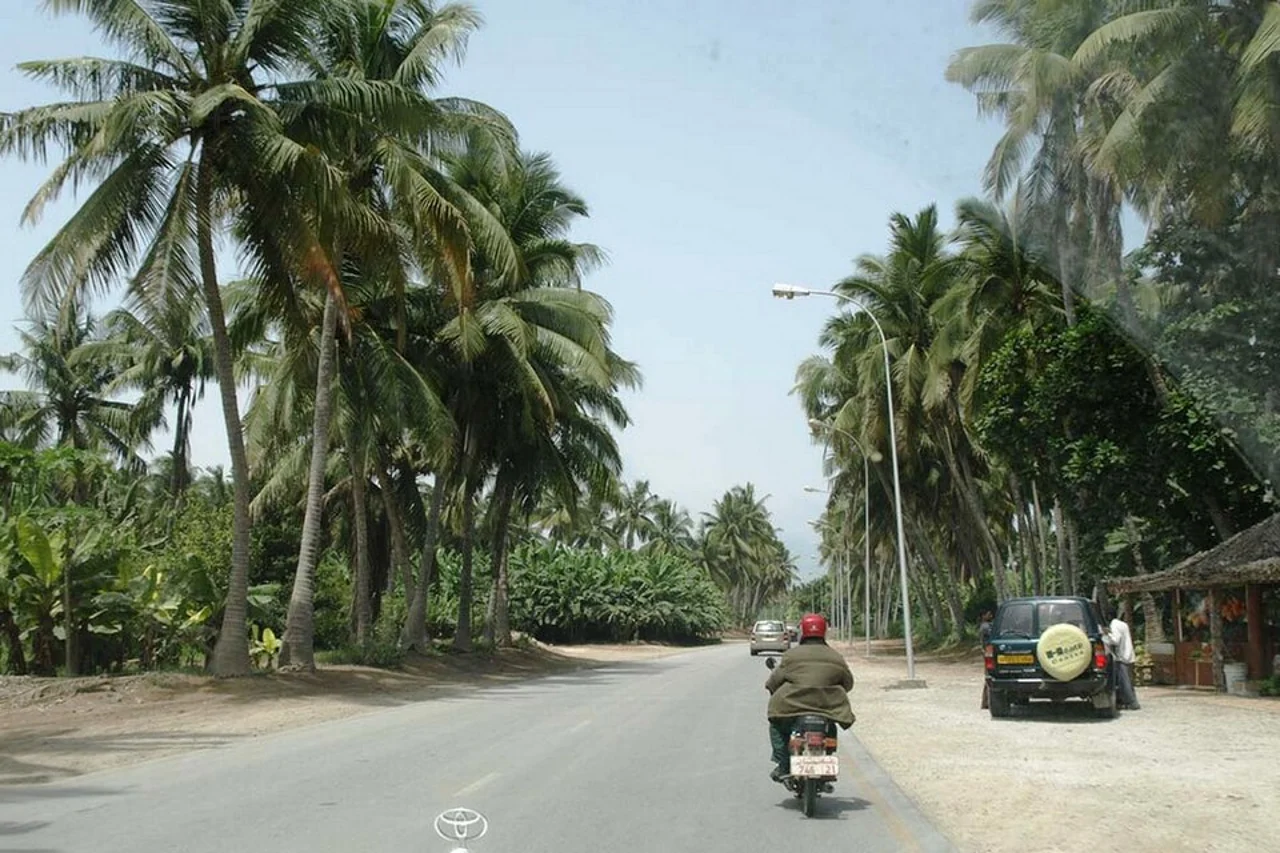
Between the cultural visits, a short break among palms near your accommodation or an appropriate waterfront walk can provide a slower city hour. Salalah's urban layout is not one continuous resort promenade. Ask about the actual pedestrian connection from your building and arrange the return journey. A sea view is not an invitation to swim. Assess currents, waves, local warnings and permitted access before considering the water, and keep to a safe open area rather than pursuing a photograph further along an unfamiliar edge. An indoor meal and rest stop are equally valid when outdoor conditions are unsuitable.

Do not treat green mountain photographs from the khareef season as a year-round promise. A city museum and shopping plan does not depend on a landscape being a particular colour. Long mountain drives are not automatic additions to a misty or wet urban day. Avoid wadi crossings when flash-flood warnings apply and follow local instructions. Decide the evening meal and return transport together. An attractive view should not leave you committed to an unfamiliar dark walking route home.
Madhbi, rice and a coastal meal
A Salalah restaurant's own menu lists madhbi, mandi and kabouli rice options. Treat these as concrete dishes to investigate in the city, not a claim that every kitchen follows one exclusively Dhofari recipe. Ask which meat is used, how it is prepared and how many people a serving is intended to feed. Before sharing a rice platter, establish its size. Families may find several appropriately sized choices easier than one oversized order that does not suit everyone's needs. Confirm the actual menu and price at the venue.
Experience Oman's culinary publication also mentions seafood such as kingfish and lobster in the Salalah context. This does not establish that every restaurant has fresh stock that day. Ask about species, cooking method and whether the charge is by portion or weight. A meal near the Al Baleed visit on the first day and a table suited to the Haffa outing on the second reduce unnecessary journeys across town. Explain allergies and dietary requirements directly. For Tatilmerkezi Leyleği, a meal is the day's genuine rest period: a comfortable place to review what you have seen, rather than an uncertain snack squeezed into the final minutes.
Centre, Haffa or coast: choosing a room
Central accommodation can suit travellers prioritising city shopping and a choice of meals; the Haffa area may appeal when proximity to the souq is the main consideration. Coastal accommodation around the Al Baleed and Dahariz side is worth researching for a balance of museum time and rest. These are area choices, not guarantees about a particular hotel's services, view or accessibility. Locate the real address and ask what transport is needed for your two main visits. Confirm requirements such as separate beds, a quiet room, a lift or kitchen facilities directly with the operator.

A resort farther from the centre can prioritise its own facilities, but transport into the city still belongs in both the time and spending plan. Do not assume complimentary transfers. Check how breakfast arrangements fit the visit and whether luggage storage works with the departure flight. Remaining at one base normally simplifies a two-day city stay. Flexibility to cancel or change the room and transport may matter more than a striking accommodation photograph.
Airport connection and current safety
Salalah Airport's official information describes its arrivals taxi office, car-rental counters and hotel transfers arranged in advance. Give the destination, passenger numbers and luggage requirements, then obtain the actual quotation. An old tariff is not a guaranteed price for a new journey. Check any Mwasalat connection against the operator's current route and stop information. For a late arrival, keep the meeting point and driver contact in writing. When renting, clarify insurance, fuel, return arrangements and requirements such as a child seat in the contract.
The official FCDO advice checked on 4 October 2026 describes regional strikes and retaliatory attacks, with a risk of unpredictable escalation, cancelled flights and airspace closures affecting Oman too. Reassess the warning, your flight and local instructions before deciding to travel; avoid areas around military and security facilities. This city itinerary does not imply that those risks have ended. Verify entry requirements for your own passport through the responsible official channel. The reward of three nights is not an overfilled checklist, but two understandable days connecting port heritage with the life of the souq.