
Chillicothe: two days around the Hopewell earthworks
Chillicothe in south-central Ohio rewards a slower kind of trip. Instead of filling a day with a long list of indoor attractions, use the city as a base for reading a remarkable archaeological landscape at Hopewell Culture National Historical Park. Low earthwork profiles, interpreted outlines and museum explanations become more meaningful when you give them time together. This itinerary separates the downtown meal and overnight stay from the park's different units. They are not all parts of one continuous walking circuit. Start with the visitor center, choose a manageable second site, and leave room to ask questions rather than assuming every stop offers a scheduled tour.
Getting to the correct starting point
The official NPS directions identify Mound City Group as the location of the park's only visitor center. Enter 16062 State Route 104 into navigation. John Glenn Columbus International Airport is approximately 55 miles north of the park. From Columbus, follow US 23 south, take the State Route 207 exit and turn right. Continue as the road becomes State Route 104, then follow the signed park entrance. These directions describe the approach rather than guarantee a journey time. If you do not drive, arrange the return journey as carefully as the outward ride. Do not assume that a downtown bus serves every park unit or that the sites can be connected comfortably on foot.
Hours, fees and access boundaries
The park's hours page lists Mound City Group Visitor Center daily from 9 am to 4 pm. The film, store and indoor restrooms operate within those building hours. Normal building closures include New Year's Day, Thanksgiving Day and Christmas Day, with additional closures possible for weather or other circumstances. Grounds at Mound City, Hopeton, Hopewell Mound Group and Seip are open from dawn to dusk. Entry to the park is free. Overnight camping is not allowed at its sites, and drones may not be operated within park boundaries. Recheck live alerts before leaving. A static page without an alert message is not proof that every gate, facility and route is available.
Day one: make sense of Mound City
Begin inside the visitor center rather than driving immediately between earthworks. Ask about the film and the routes that make sense under that day's conditions. A ranger-led activity may add context, but this guide does not promise a particular departure time or a guaranteed daily event. Outside, first take in the entire setting, then use the interpretive stops to investigate its details. Stay on designated visitor routes rather than climbing a mound to improve a photograph. These are protected cultural structures, not ornamental garden hills. With children or a mixed-interest group, pause at a few shared points and discuss what the landscape communicates. Return for restrooms and final questions before the building closes.
Day two: choose the appropriate second unit
The NPS planning information describes Hopeton Earthworks as a 1.1-mile round-trip walk to an overlook, with no restrooms at the site. Hopewell Mound Group offers approximately 2.5 miles of interpretive trails, restrooms and a picnic shelter used on a first-come basis. Surfaces include paved sections, gravel and grass. Choose between these options according to daylight, mobility and the amount of time you want outdoors. Seip has mowed paths and a shelter but no restrooms. High Bank is not an unrestricted sightseeing stop: access is limited to special permits or ranger-led events. Spruce Hill requires enquiries through Arc of Appalachia; park rangers cannot simply authorize access there for you.

Accessibility and practical preparation
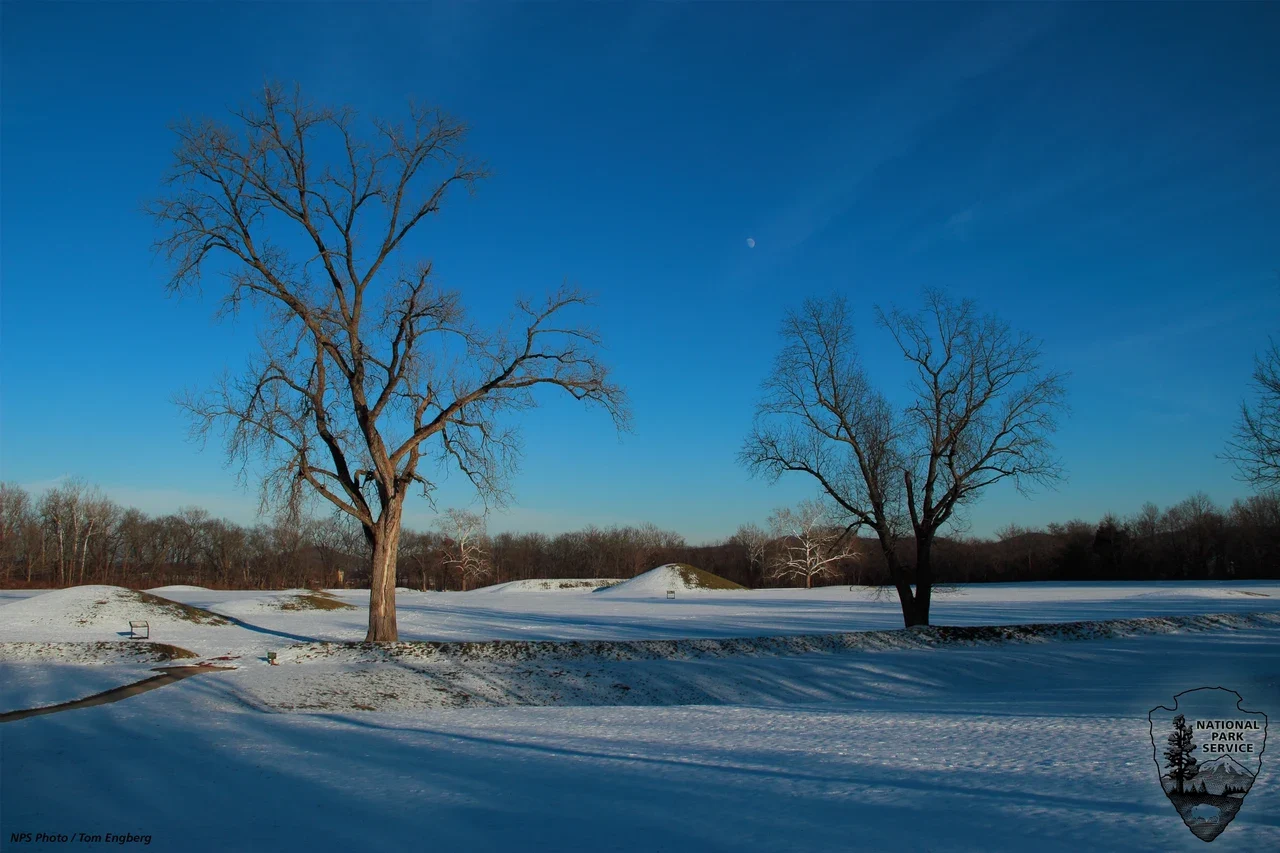
Mound City's interpretive paths are described as accessible, but the park also warns that grass, gravel and wood-chip surfaces may be uneven. Ask about the precise route and current surface conditions if you use a mobility aid. A general accessibility label does not establish that every part will feel equally easy with every device. Wet weather can change how comfortable grass paths are, while a winter archive photograph says nothing about today's snow cover. Carry water and suitable footwear, and add sun or rain protection according to the forecast. Use facilities before travelling to a unit without toilets. Picnic shelters cannot be reserved; a group meal plan should allow for the possibility that a shelter is already occupied.
A practical hotel base
Hampton Inn & Suites Chillicothe is at 100 North Plaza Boulevard. The hotel's own information lists check-in at 3 pm and checkout at 11 am, together with free hot breakfast, parking, WiFi and an indoor pool. Those amenities can simplify a morning departure by keeping breakfast and car preparations in one place. The property states that an airport shuttle is not available, so arrange a separate transfer if you arrive by air. No fixed nightly rate is quoted here because dates and room conditions affect the price. Confirm the specific accessible room, pet policy, cancellation terms and any additional charge on your own reservation rather than treating the general amenities list as a guarantee for every room.
Dinner from a documented local menu
Old Canal Smoke House is at 94 East Water Street downtown. Its own menu lists the Brisket and Hand Pulled Pork platter at 26 US dollars, with two sides and cornbread. The combination contains beef and pork; it is unsuitable for someone avoiding pork, and other dietary questions should be discussed directly with the restaurant. Smoked meats are prepared daily and can sell out. The operator's opening schedule is Monday, Tuesday and Thursday 11 am–9 pm, Friday and Saturday 11 am–10 pm, and Sunday 11 am–8 pm. Wednesday is closed. Check the current price, tax, gratuity and final kitchen order time before relying on a late dinner.
Understanding the archive photographs
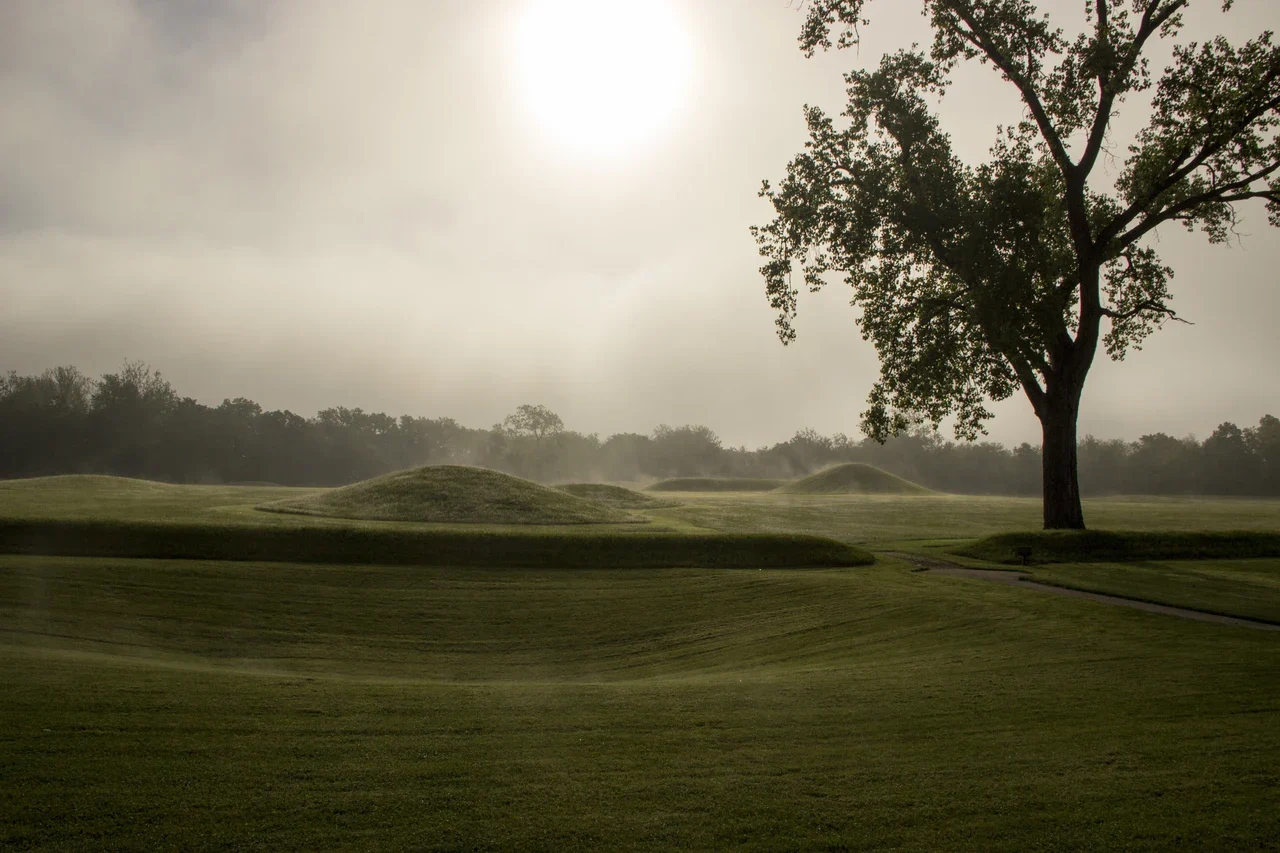
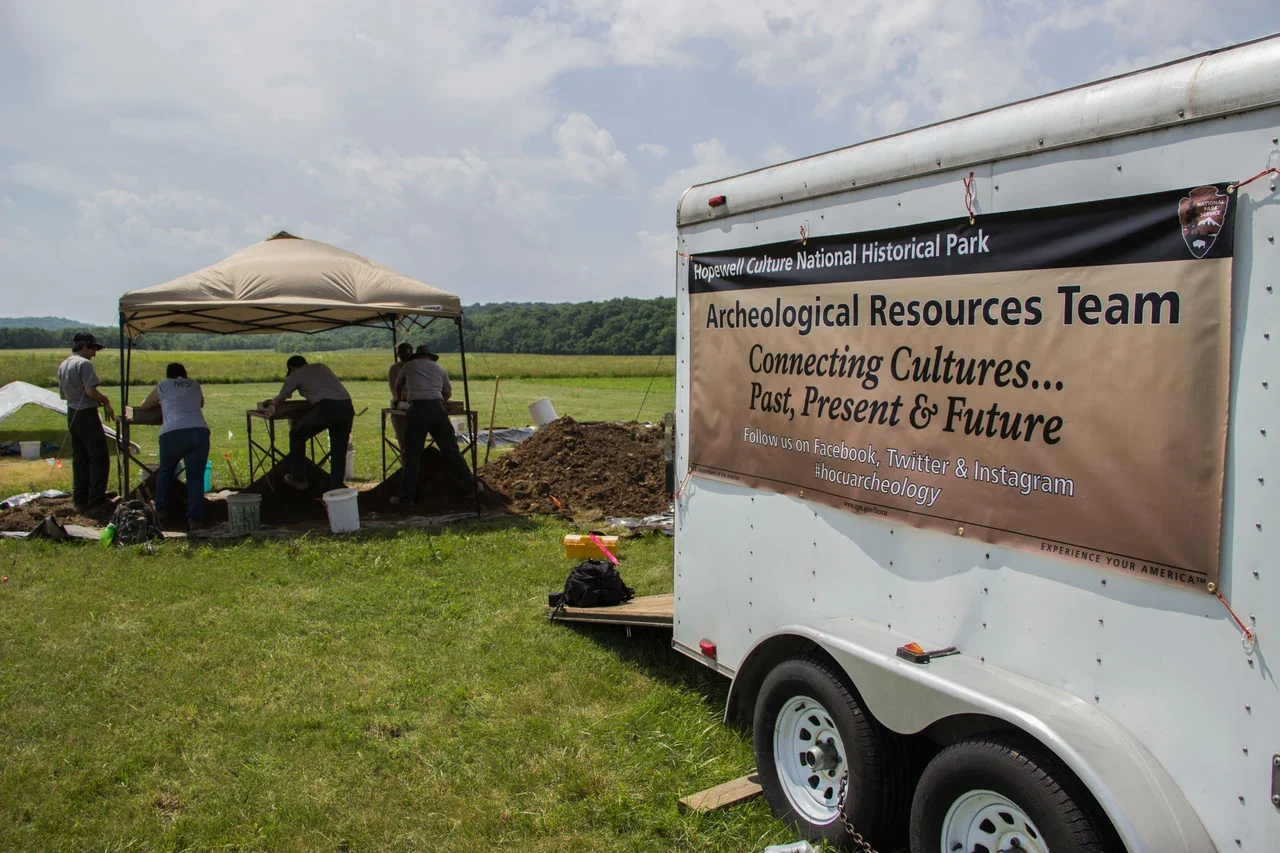
The NPS photographs accompanying this route show Mound City in morning light and winter snow, a Junior Ranger activity, archaeological field work and a pottery fragment in the soil. The event and excavation images document earlier activity; they are not advertisements for a program taking place during your visit. Nor do they give visitors permission to join an excavation or handle archaeological material. Read them as background to the park's research and interpretation. Leave anything you find in place and report a concern to staff rather than taking a souvenir. Build the final itinerary around open facilities and the transport you actually have. Two days with a few well-understood stops offer more than a rushed attempt to reach every named earthwork.
