
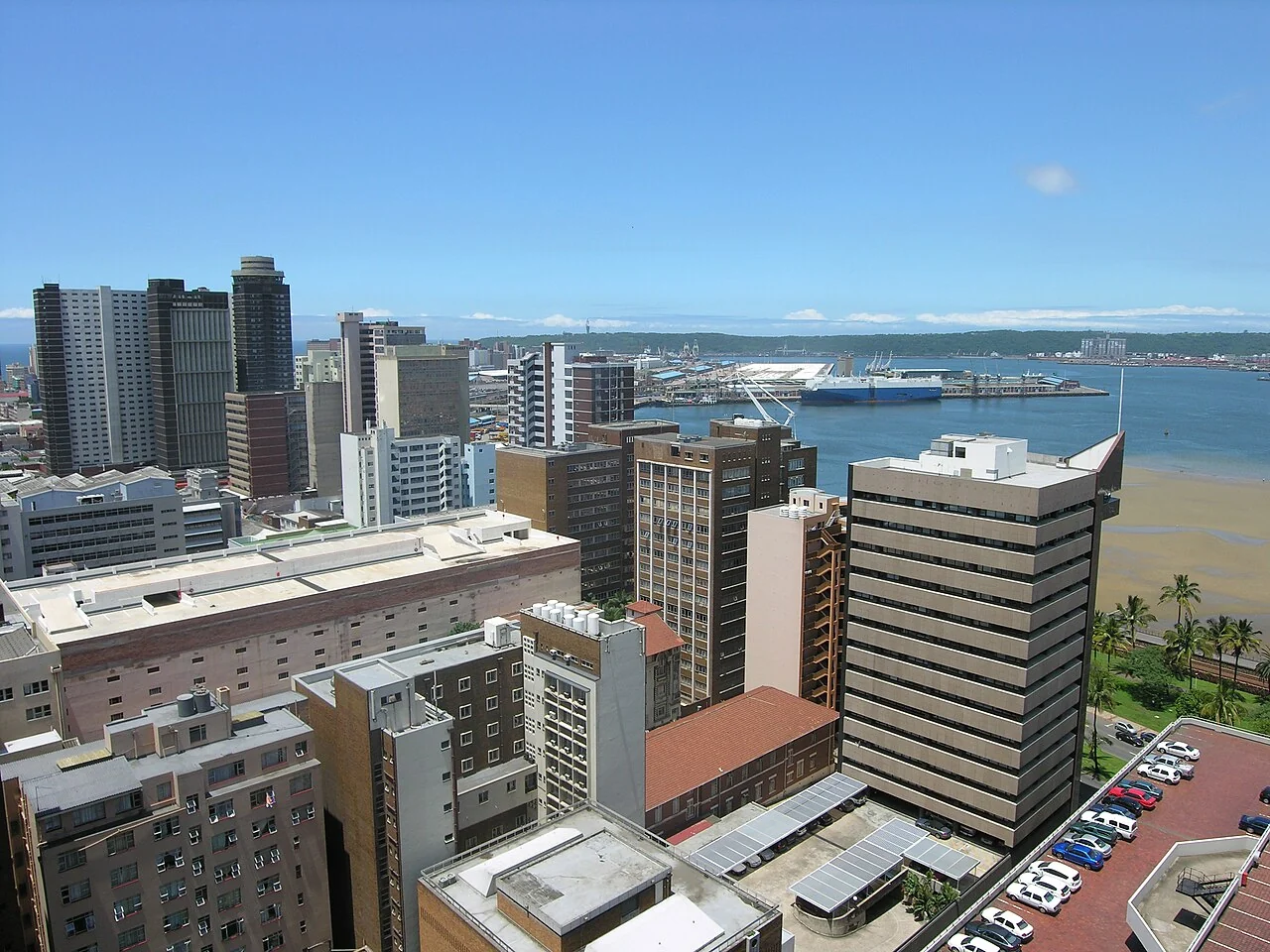
Durban: two days for municipal history and port labour
The Tatilmerkezi Stork brings two modest questions to Durban: how did a municipal system influence residents' daily lives, and what equipment and human work sustain a port? KwaMuhle Museum on day one and Port Natal Maritime Museum on day two offer different starting points. This is not a retelling of a South Africa country circuit or a base itinerary for places such as Matobo. It concentrates on two urban museums, proper meals and carefully organised transport. Three nights can separate the arrival evening and departure preparations from two full visiting days.
With only one day, choose social history or maritime heritage. Understanding one account is more useful than rushing through both institutions. Families or companions with different interests can choose an object and a question to begin a shared conversation. The city's scale does not require linking all distances on foot. Reliable transport, seated meals and the return to your room take priority in the evening. Coastal views provide geographical context; moving between beaches is not this outline's purpose.
KwaMuhle: read an administrative system through people's lives
KwaMuhle occupies the former Native Administration Department headquarters at 130 Bram Fischer Road. Its Durban System interpretation connects the municipal monopoly over beer brewing and sales with segregated housing arrangements. When reading an explanation, make three small notes: the rule, the revenue and the everyday consequence. Do not turn that into a claim about every action of the present municipality or identical experiences for all residents. Comparing two selected examples afterwards can be more memorable than reading every label from beginning to end.
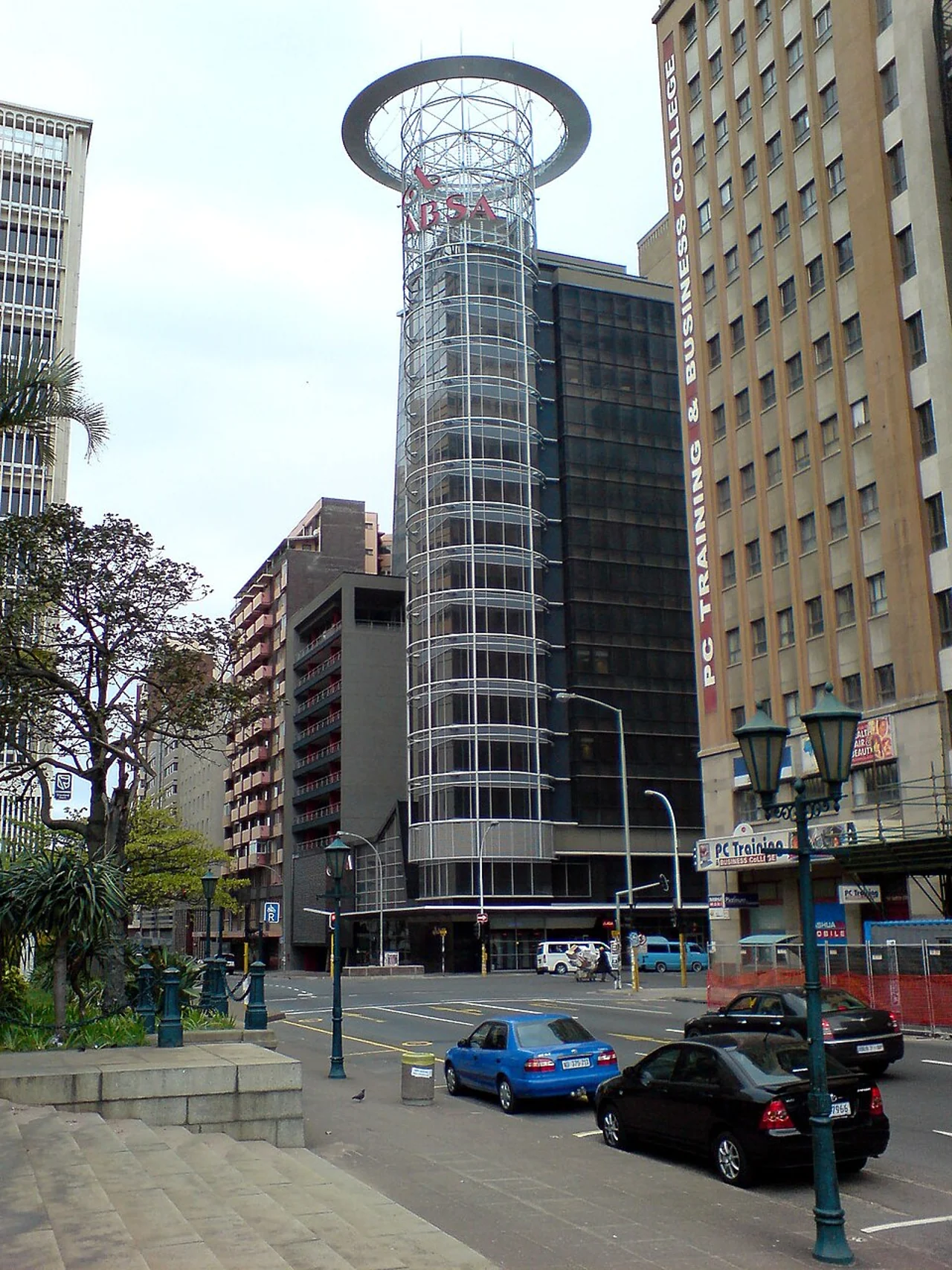

At the 4 October 2026 check, municipality and museum pages give different weekday starting times; both report Sunday and public-holiday closure. No exact timetable is promised here: reconfirm your date, last entry and available galleries with the institution. Allow for a shorter Saturday visit. An old central-city photograph is not a picture of KwaMuhle's building or current exhibition entrance. Rights in contemporary art and photographs inside differ from permission to visit the building. Asking in advance about interpretation language, stairs and seating can reduce fatigue during the visit.
Port Natal: connect the vessel, its task and its workers
Port Natal Maritime Museum is at the bay end of Samora Machel Street beside the BAT Centre. The institution lists museum vessels such as the JR More tug and SAS Durban within its maritime interpretation. Do not treat them as boats with identical functions; ask how a vessel's task relates to its equipment. Seeing its exterior does not mean every interior section is available today. Restoration, steps, narrow passages or safety arrangements may restrict access; establish the actual visitor route on arrival.


Arrange a separate daytime transport connection for this section. The museum waterfront sits within the surroundings of a working port; stay within visitor boundaries instead of entering operational areas. If a child or person with reduced mobility cannot board, a smaller observation based on the exterior hull and shore-visible equipment may work. Exploring a museum vessel and buying a current boat excursion are different activities. Reconfirm tickets, accessible vessels and last admission for your day. Selecting a seated meal and return point beforehand gives the second day a comfortable close without a demanding walk afterwards.
Bunny chow and breyani: leave room for a real meal
South African Tourism discusses bunny chow and breyani among Durban's Indian-influenced food traditions. Bunny chow is curry served in a hollowed loaf; the word bunny does not promise rabbit meat. When offered, ask about filling, heat and portion. Seeing lamb or chicken examples does not establish that a vegetarian option is prepared too. Bread matters to travellers avoiding gluten; choosing a different filling may not be enough. Explain allergies and dietary needs to the business before ordering.
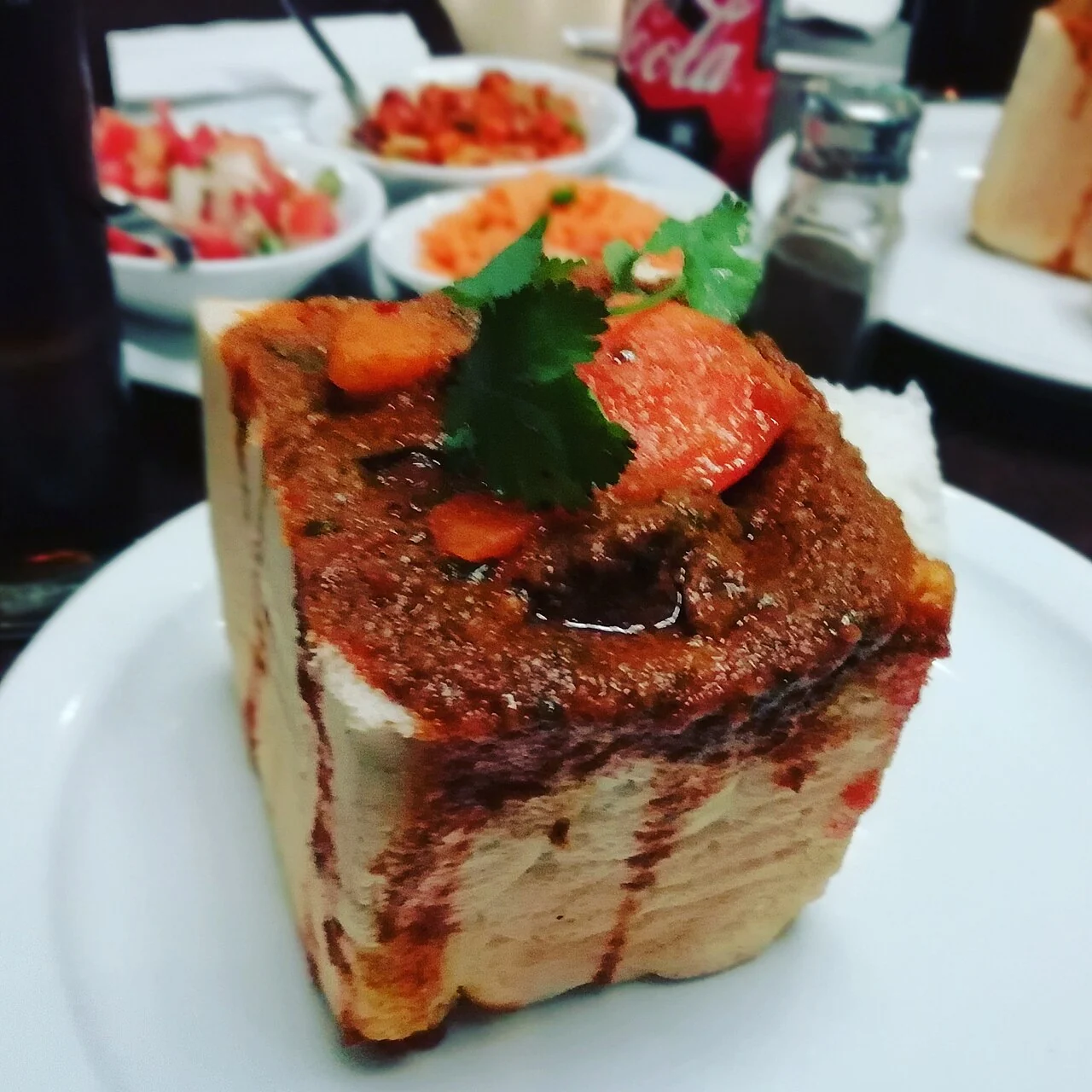

After the museum, starting with a smaller portion while seated and keeping a later meal lighter can be practical. If rice-based breyani is available, ask about its ingredients and accompaniments; do not compare the two as though they were one dish. You need not choose the hottest version to appreciate a curry. Connect the meal with the return to your accommodation, selecting a suitable business in daylight instead of seeking an unfamiliar shop after dark. This guide invents no first creator, permanent restaurant menu or current price. The 2018 food photograph is an example, not a guarantee that the same plate is available at the same business today.
Coastal and central rooms: plan the return before choosing a room
Do not assume a coastal room is within walking distance of both museum entrances. Compare its actual address with daytime museum transfers and the return after dinner. A central room may offer proximity, but late entry, a safe vehicle waiting point and food options need separate questions. Apply the same method to accommodation around Berea or farther north; a neighbourhood name alone establishes neither room security nor every transport connection.
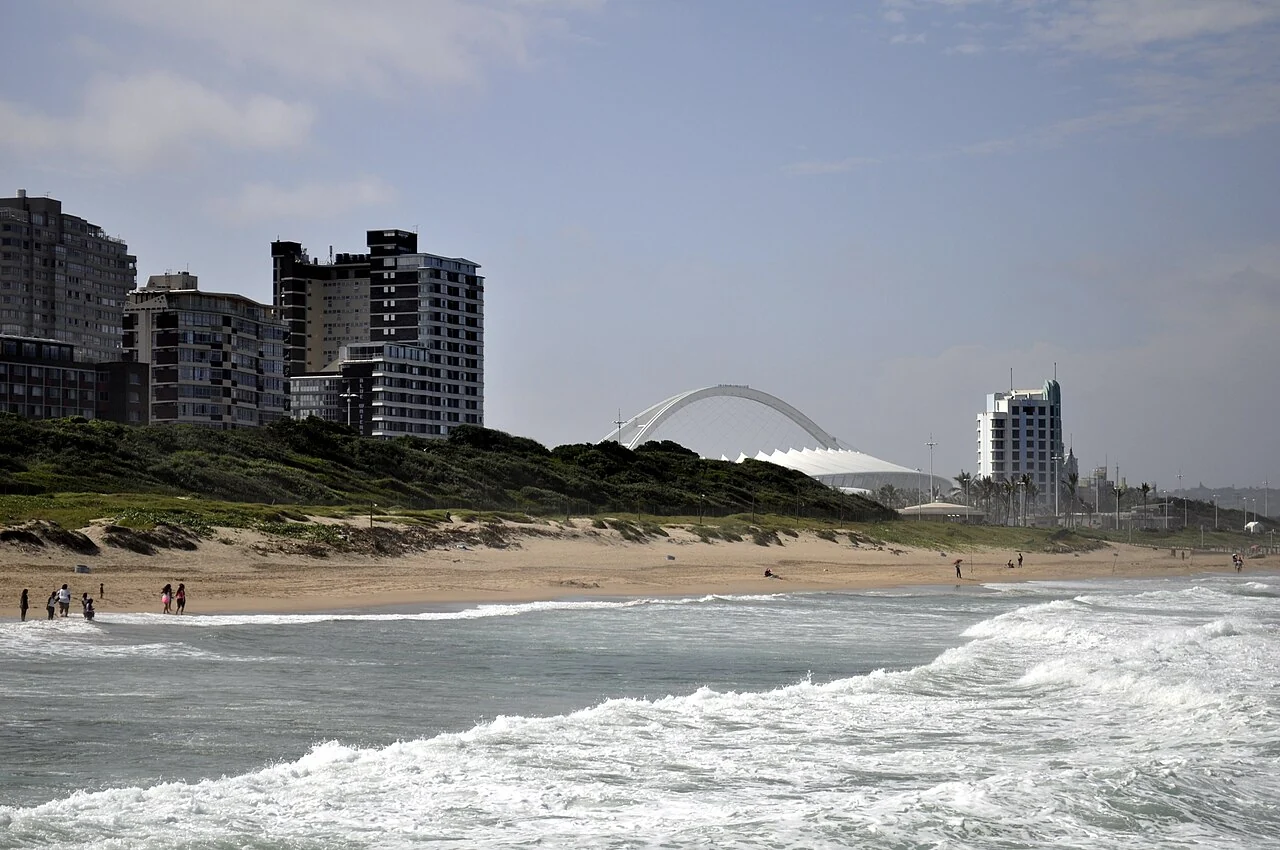

If you want a coastal pause, select a short populated section in daylight and check weather and local notices. Official South Africa advice warns about high crime, walking after dark and isolated beaches; the attractive view does not conceal those cautions. Avoid demonstrations or roadblocks, leave safely if encountered and follow official instructions. Swimming is not an essential part of this cultural itinerary; a historical beach photograph supplies no information about today's water quality, lifeguards or permitted swimming area. Keeping valuables out of sight and sharing the return plan with companions are small but important preparations.
King Shaka arrival and the transport structure of two days
ACSA's King Shaka airport page lists taxi and shuttle contacts; a company appearing there does not guarantee a seat on your day or direct service to every city address. Establish dependable collection, vehicle identity, final doorway, luggage and total with your accommodation beforehand. Do not treat an airport transfer and a full day of urban movement as the same agreement. After a late arrival, reaching the room and having a simple meal are sufficient; the museum day starts tomorrow.
The municipality's People Mover and bus page provides route information, but do not equate a museum entrance with a stop name on an old map. Check the connection operating on your actual date, its return and a safe waiting point with a dependable local contact. There is no need to join the museums with a lengthy central walk. Use KwaMuhle and a selected meal on day one, then Port Natal and the return on day two; add a brief coastal section only when conditions suit. Sources were checked on 4 October 2026. Adapting this small outline to conflicting hours, maintenance or access changes is more valuable than finishing a list at any cost.