

The Tatilmerkezi Stork is folding the Suriname map down to a handful of Paramaribo neighbourhoods. This visit is about two nights in the capital, with timber facades, riverside commerce and meals from different culinary traditions. It does not add an interior boat expedition to a city stop. The suggested two sightseeing days end with departure on the third morning. If your flight lands late, use the first evening for settling in and move the two city days to the following mornings. A rewarding urban pause depends more on choosing where to stop than on covering the longest possible distance.
Choose a base without assuming every nearby street is a walking route
A room near the historic centre can make Waterkant and Fort Zeelandia easier to combine during daylight. Look beyond the attractive building in the booking photograph: the entrance street, your evening return arrangements and reception coverage matter too. A food-focused stay might instead consider options around northern Blauwgrond. That choice can mean a separate transfer to the historic centre each day. For two nights, keeping one base is usually a clearer editorial plan than changing accommodation halfway through. Parking, breakfast and a staffed reception should be checked for the specific property rather than treated as universal hotel features.
Treat the journey from Johan Adolf Pengel Airport as the final part of your arrival flight. Arrange a transfer suitable for your landing time and resist trying to reach a museum immediately after collecting your luggage. Two short vehicle connections within the city can be more useful than carrying bags in the heat. This guide does not promise a fixed taxi fare, bus frequency or road journey time. If you sleep in the city before an outbound flight, put luggage arrangements and the airport pickup in the same booking note. Do not build a new breakfast detour into that departure journey.
Day one: turn Waterkant facades into a short city reading
Begin the first morning with Waterkant and nearby historic streets. UNESCO describes a historic centre where timber building traditions reflect different cultural influences. You need not turn this into an architectural examination. Notice the repeating windows, galleries and relationship between a building and its street. Seeing a complete facade from a sensible distance can offer a better introduction than collecting dozens of close-ups of the same windows. Keep private entrances clear while taking photographs and do not interpret an open door as an invitation to enter. Older images on this page show urban fabric; they do not prove that a business or access arrangement remains unchanged today.
Follow this with a brief riverside pause. The purpose is to understand the city's relationship with water rather than walk the entire waterfront. Then give lunch its own shaded or indoor stop. If one companion enjoys history and another wants to try food, avoid forcing both interests into the same hour. A calm start among the facades and a separate meal table are a useful pairing. Rain does not automatically ruin the day: shorten the outdoor section and make the meal more leisurely. Let traffic, slippery ground and interruptions in the pavement determine your walking pace rather than a target distance on your phone.
Fort Zeelandia: distinguish the museum visit from the exterior
Choose Fort Zeelandia as the historical focus of the city day. The old fort and a visit to the exhibitions inside it are two different decisions. Seeing the exterior does not mean the museum is open or every area is accessible. If you want to enter, confirm the arrangements for your date through the museum's own contact channel. This guide does not reproduce an old online opening-hours table as a current appointment guarantee. A guided explanation can offer a richer understanding of colonisation and the city's communities than interpreting the setting only through photographs.


You need not give the fort your entire afternoon. Returning to your accommodation for a rest before choosing one dinner tradition keeps a two-night stay manageable. Museum collections can carry rights separate from the building or photograph; the exterior image on this page is not an illustration of an exhibition object. Keep dinner as a planned meal with a defined return journey, rather than extending it into an unplanned riverside walk after dark. That also leaves you better rested for the following morning's market focus. A short city stay benefits from pauses between subjects, especially when the subjects carry substantial history.
Day two: separate Centrale Markt from your lunch menu
Centrale Markt and Vreedzaam Markt provide the second morning's trading focus. The aerial photograph explains how market buildings sit beside the river; it does not show an observation terrace visitors can use. Arrange a short daylight visit with a local guide or current advice from your accommodation. Observe the flow of fruit, vegetables and everyday goods without interrupting people doing their shopping. Do not assume all stalls belong to a single culinary tradition. Pointing out a product you would like to buy creates a more reciprocal interaction than treating the whole market as a photographic studio.
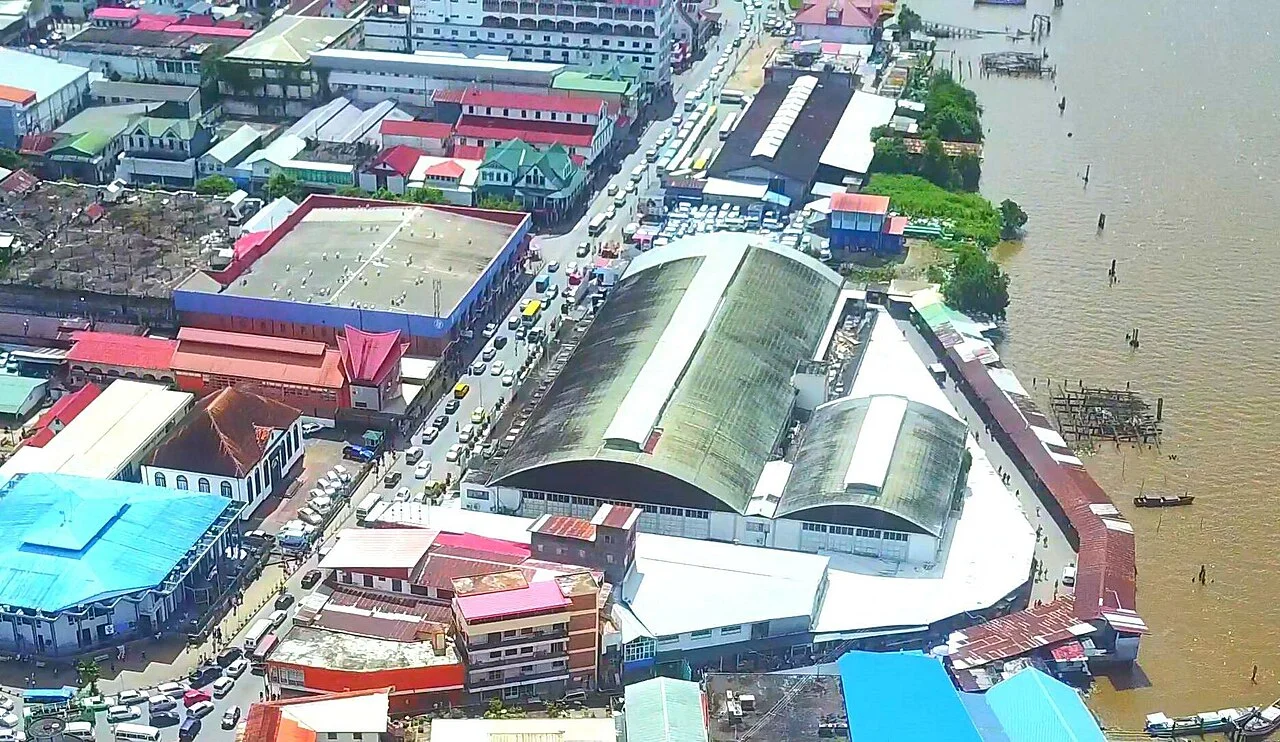

Choose a separate seated lunch afterwards. Roti accompanied by curry dishes is one direction; saoto soup makes a different meal focus. If you intend to try Javanese cooking around Blauwgrond in the evening, lunch does not also have to be based on bami or nasi. Names such as pom, satay and dawet open up other choices on a menu. Recipes and availability vary, and the guide makes no promise that every establishment serves each dish every day. Two companions can choose different plates to share, after seeing the portions and considering their own dietary needs. These meal decisions belong to an urban programme rather than a ranked list of restaurants.
A beautiful Palmentuin image does not settle the visiting decision
The Palmentuin photograph illustrates the capital's palm garden, not a certificate of visitor safety. British official advice checked on 4 October 2026 notes violent crime in Paramaribo and specifically mentions targeting in secluded places including Palmentuin. A solitary evening shortcut through the garden would therefore be an inappropriate recommendation. If an organiser familiar with current local conditions does not consider a short daylight visit suitable, leave this section out and use the photograph to understand the city's setting. The success of your itinerary does not depend on entering the garden.
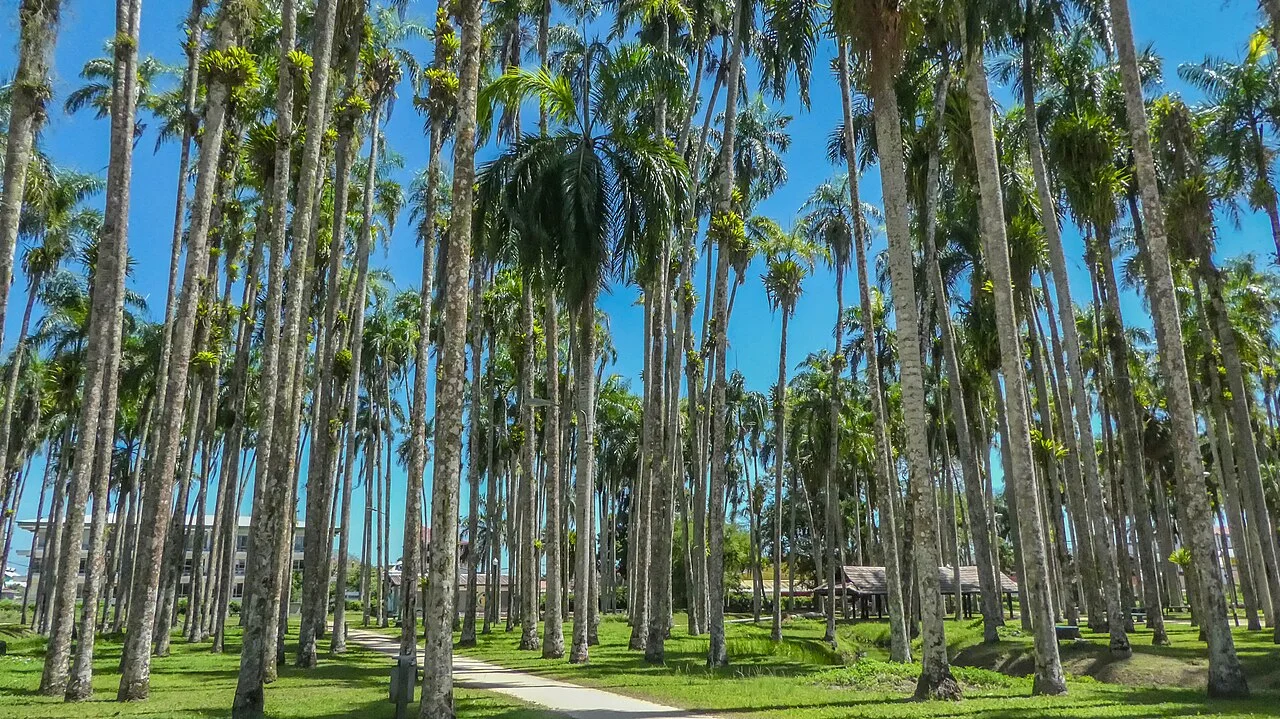

A planned daytime cafe break or a confirmed indoor visit can take its place. Removing a stop that appears unsuitable does not make the two-day programme a failed trip. The official advice also favours licensed taxis or official hotel taxi ranks rather than hailing vehicles beside the road. Coordinate those return arrangements with your dinner plan, so the meal and the journey are not separate last-minute decisions. Sunshine in the historical garden photograph is likewise not a forecast for your own travel dates. The weather and suitability of a stop still belong to the actual day you are travelling.
Finish with one meal rather than one more district
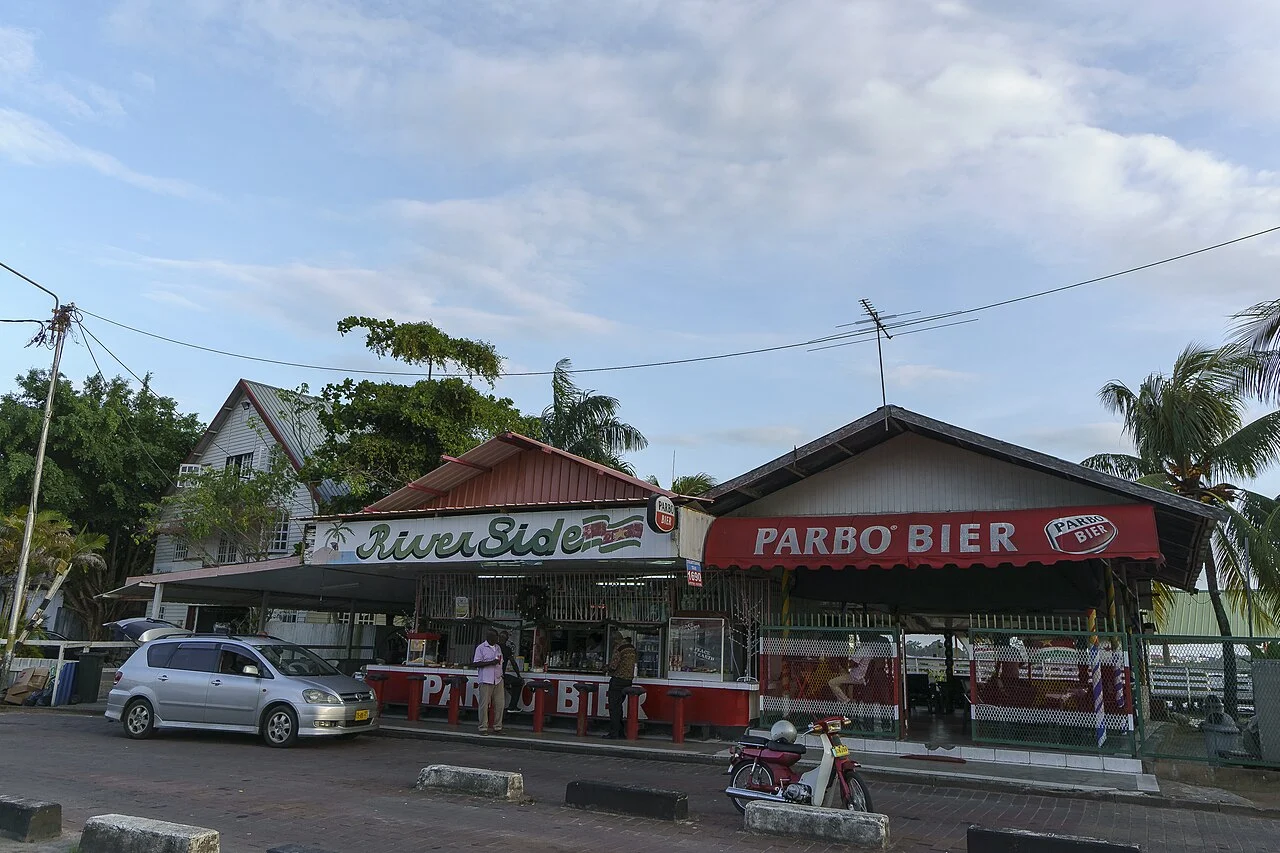
On the second evening, choose the meal you most want to understand instead of adding another district. After roti on the first day, you could focus on saoto or pom; after a soup-based first meal, Javanese bami or nasi creates a different direction. For a refreshing drink, look for dawet on the menu. These choices let different food traditions remain distinct rather than presenting them as interchangeable flavours. The photographs in this guide do not document a particular restaurant's current dishes: the market and street images supply city context.

Keep the third morning simple enough to meet your transfer comfortably. Pack small purchases the previous night, have the flight document ready and do not put a final city circuit ahead of the airport journey. The Tatilmerkezi Stork's small ambition for Paramaribo is two nights, two different morning focuses, a few well-chosen meals and enough unhurried time to notice the capital's timber heritage. This city plan includes neither Brownsberg nor Atjoni nor an interior boat route. Those require a different set of transport and accommodation decisions, and deserve a separate programme rather than a rushed addition to these two urban days.