
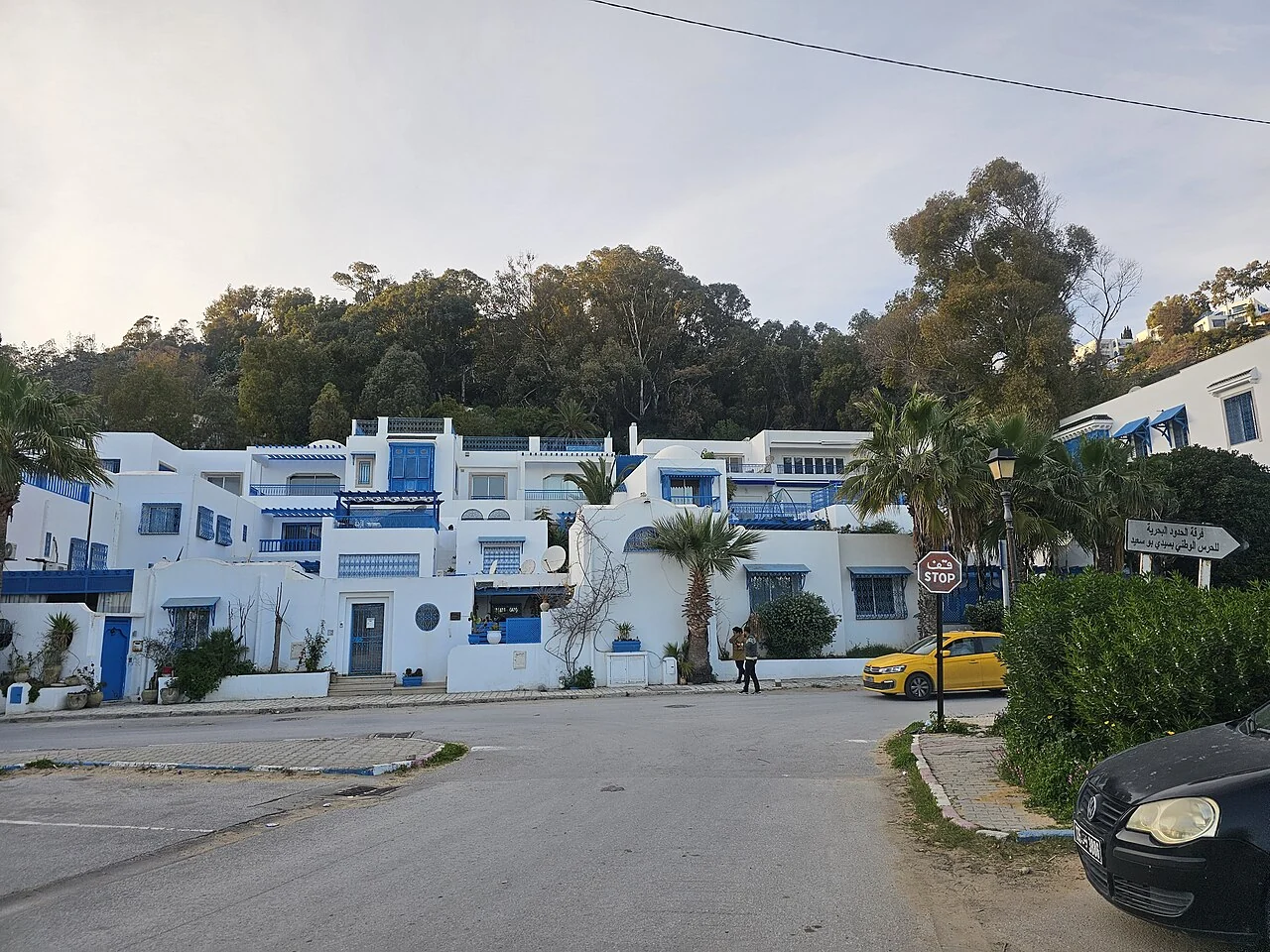
A first short Tunisia visit can connect the capital's surroundings with Kairouan, introducing different layers of the country without squeezing every historical and coastal region into one week. Tatilmerkezi's Stork proposes three nights in Tunis, two in Kairouan and a final night back in the capital before an international flight. Divide the capital days between the medina, Carthage and Sidi Bou Said; give Kairouan a separate chapter for monuments and local food. Adapt that six-night allocation to the arrival airport and confirmed return connections. The Sahara, western border mountains and distant islands are not automatic additions to this first route. A country guide does not mean unrestricted movement throughout the country.
Read regional travel warnings before choosing the route
FCDO guidance checked on 4 October 2026 contains do-not-travel or essential-travel-only warnings for Chaambi and designated western mountain military areas, parts of the Algerian border and areas near Libya. Ben Guerdane and the southern militarised zone are outside this itinerary. Do not add Sbeitla in the west or a desert extension simply because a photograph looks appealing; consult the current official map and detailed distance boundaries. Terrorism risks and a state of emergency also matter elsewhere. The town-focused choices below do not replace a security assessment; follow current official and accommodation advice.
Tunis medina: a manageable gate-to-souk walk
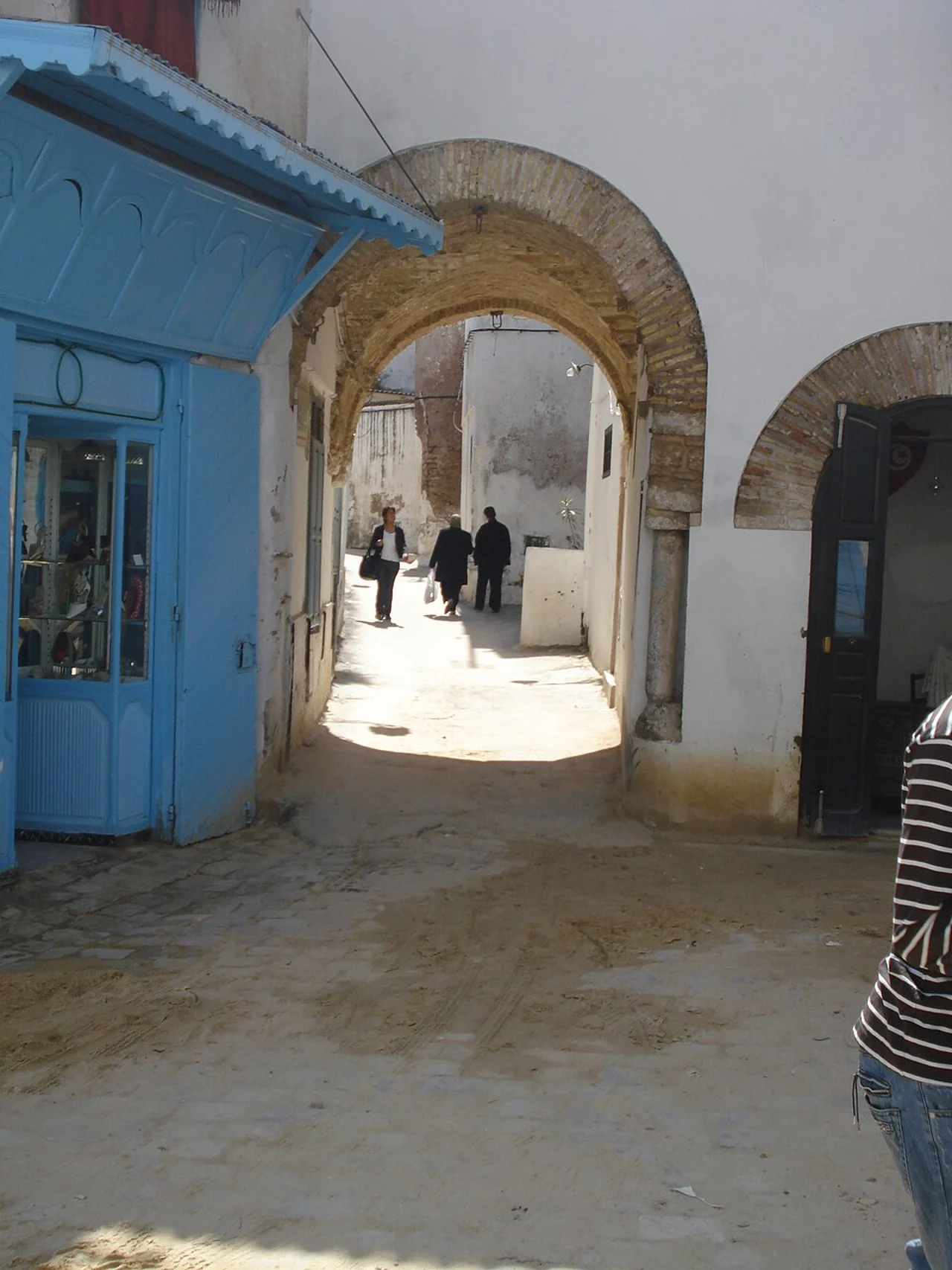
Give the first full day in the capital to the medina. Work out how to reach an entrance from your room, then choose a principal pedestrian branch, one cultural stop and a seated meal. That can be clearer than an endless list of pins within the old streets. Official tourism information introduces the Zitouna surroundings, souks and different uses of historic houses. Do not assume entry to a place of worship; ask about permission, dress and photography locally. The final approach to an address in a narrow street may not allow a car, so keep an arrival with heavy luggage separate from a walking day. Discuss price and ordering conditions while shopping, and ask before making close photographs of people. Record an identifiable exit point rather than treating getting lost as an essential part of the experience.

Carthage: start with one archaeological site
Thinking of Carthage as a single extensive museum compound can be misleading: ancient remains are distributed through the modern settlement. If the baths interest you, make the Baths of Antoninus the principal stop and ask about currently open areas and ticket coverage. The official history resource describes them as part of Roman Carthage. Follow the designated visitor route instead of climbing masonry or crossing the boundary of a closed section. Shade, water and seated breaks matter on an archaeology day; the open ground shown in a photograph can become hot around midday. Compare one main historical visit with a short second branch rather than filling the same day with every Punic harbour, museum and coastal town. Verify the actual transport stops between them.


Sidi Bou Said: sloping streets and a coastal outlook
The white-and-blue houses of Sidi Bou Said can form a short branch after Carthage or have a separate half-day. Slopes, narrow pavements and steps are meaningful selection criteria for travellers with mobility needs. With a wheelchair or pushchair, ask about the actual drop-off point, a manageable street section and toilet access first; a photograph of a hilltop café is not evidence of accessibility. A principal street and a rest stop reduce the pressure to reach every viewpoint. Seeing the coast and swimming at a beach are separate activities. Leave time to sit after a long capital day. If returning to Tunis in the evening, confirm the last available transport and its location; a nostalgic train image does not establish an operating service.
Kairouan: two nights for monuments and a town day
A daylight journey to Kairouan followed by an evening around accommodation and dinner can make the next day's historical visit easier. The Great Mosque can be the main stop, but do not assume that courtyard, enclosed areas and prayer space have identical visitor access. Official tourism information combines the medina and monuments with local craft traditions. At a carpet workshop, distinguish watching a demonstration from an obligation to buy. Discuss dimensions, material, delivery and price conditions plainly. A second night leaves flexibility for another town day or an early return to the capital. Put a meal near the historical walking branch so the morning is not only door-to-door transport. Official tourism information lists coach and fixed-route shared-taxi connections; check the current departure point and baggage arrangements with the provider.


Accommodation and journeys between towns
Investigate accommodation near the Tunis medina for walking-focused days, or around the Carthage coast for a visit spending more time on that side. They are not equivalent central locations: plot the actual hotel entrance and intended stops separately. In a historic guesthouse, room stairs, night access and luggage handling matter as well as a courtyard. In Kairouan, compare access to meals and transport when choosing between a room near the old town and a larger hotel. For a longer vehicle journey, confirm the driver's name, vehicle, return arrangements and what the price covers. Keeping trips in daylight and a final night in the capital before flying can be useful planning choices. An unverified train or bus departure should not become the basis of a reservation.
Brik, lablabi and Kairouan maqroudh
For the capital, official tourism information names egg brik, chickpea lablabi and kaftaji, a preparation of fried vegetables with egg. Where a menu offers them, choose one for a medina meal and discuss heat and egg cooking according to your needs. Couscous may be served with lamb or fish; broth matters when making a vegetarian choice. In Kairouan, maqroudh creates a distinct food stop: the official source explains its semolina, oil, honey and date ingredients. A few pieces with tea after a walk connect monument visits with a regional product. The photographed lamb-and-vegetable pot is a couscous-preparation example, not a current plate at an identified restaurant. Confirm allergens and daily availability with the business; a familiar dish name does not imply one recipe in every kitchen.


Final preparation: documents, heat and return margin
Check visa and passport conditions with Tunisia's authorised representatives for your own nationality. Reading another passport's advisory in translation does not make its entry rules applicable to you. Leave room for identification, security checks and institution rules on visiting days. In hot weather, divide walks into short sections and put an indoor or shaded pause around midday. Ask accommodation about air-conditioning, water and payment arrangements without treating any service as guaranteed uninterrupted throughout the country. The Stork's small suggestion is to remove one stop from the return day: a medina meal, one main Carthage site and an unhurried Kairouan town day can offer a more useful first introduction than a long list completed in a hurry.