Huaraz need not be only somewhere to sleep before a mountain excursion. The Tatilmerkezi Stork suggests a smaller city plan using one night and two calendar days: find your bearings around Plaza de Armas, assign the Áncash museum to a suitable opening day, explore the La Soledad neighbourhood and make room for named regional foods. Choose either the Quillcay or Santa River as a separate urban viewpoint rather than treating them as one watercourse. This is not a high-mountain trekking itinerary or medical advice. It does not make a demanding activity compulsory immediately after arrival. Accommodation, luggage and meals belong within the city visit itself. The mountains can provide a striking background without every urban hour becoming preparation for the next tour.
Current conditions: build the visit around its actual date
The UK government's Peru advice, checked on 5 October 2026, describes larger gatherings around electoral institutions during the 4 October local elections and in subsequent days, with possible incidents or protests. Election day has already passed, so it is not presented here as an upcoming event. Avoiding large gatherings or protests remains relevant to the days after it. For road arrival and departure, check the service and route for the actual travel date; an urban programme is not a promise that every regional road stays continuously open. The same advice identifies other geographically specific restrictions in Peru. This Huaraz guide does not turn a warning about another region into a single statement about the whole country. Align the accommodation and transport arrangements with the real arrival date, then make the museum-day decision separately.
Plaza de Armas: begin with the city centre
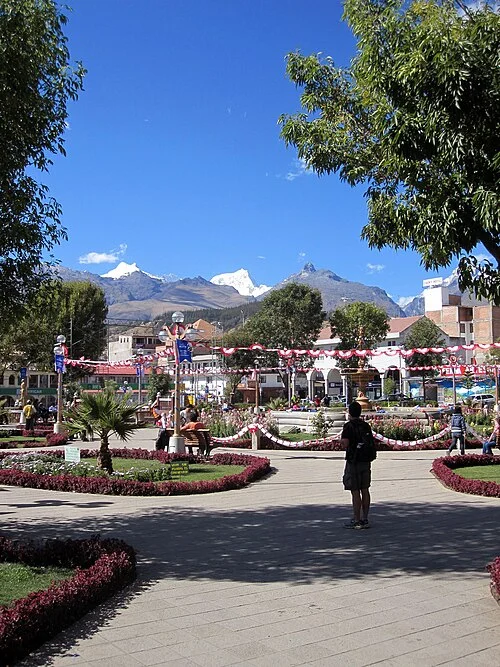
Plaza de Armas provides a useful first-day orientation point. The July 2011 photograph records a broad square, planting and mountain background, not today's traffic or event layout. Establish the accommodation address and the direction of the return walk before settling into coffee or a smaller meal. Instead of attempting every neighbourhood in the first few hours, find the museum approach, the departure connection and the area where dinner will fit. A central room can group the practical parts of a short stay together. Accommodation farther away may offer a different view or atmosphere, but each additional connection belongs in the itinerary. The room decision therefore involves more than the attractiveness of a mountain seen from a window. A slower first afternoon can make these urban relationships clearer.

The Áncash museum: the right address and opening day
The Ministry of Culture's own page for Museo Arqueológico de Áncash Augusto Soriano Infante gives the address as Avenida Luzuriaga 762. On 5 October 2026 its regular hours are listed as Tuesday to Sunday, 9am–5pm. The page also carries special 8.30am–3.30pm hours for 4 October. That date is now past, and Monday 5 October is not treated as a normal open museum day. The current institutional page takes precedence over an older brochure with a different street number and time range. Established in 1935, the museum provides archaeological context and Recuay stone material for the city visit. Free-entry categories are described for qualifying Peruvian people and foreign residents; they do not mean every overseas tourist enters free. Nor do a ticket or public opening hours grant photographic rights over collections. The guide's illustrations remain with public city and river settings.
La Soledad: a neighbourhood pause beyond the square
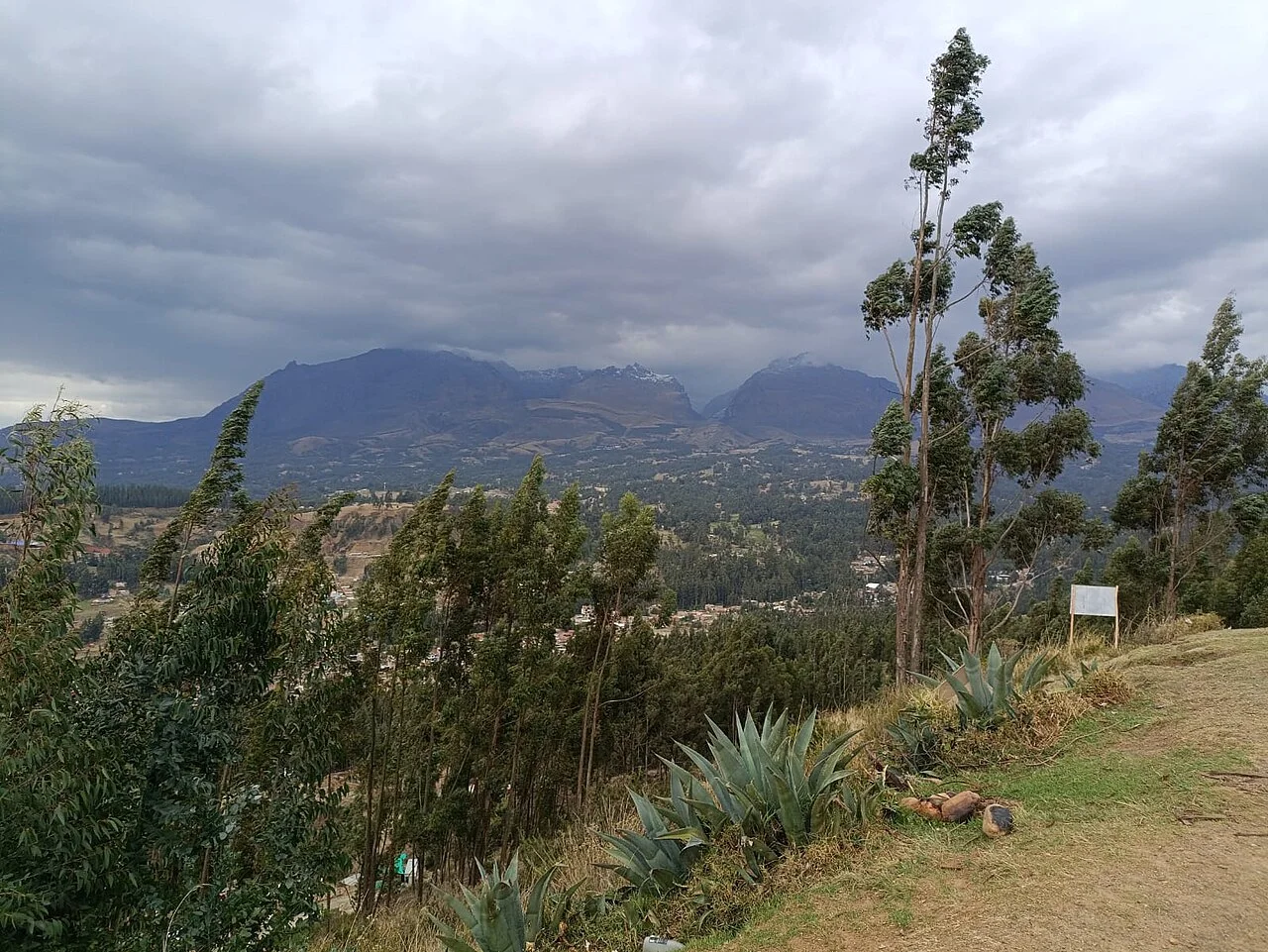
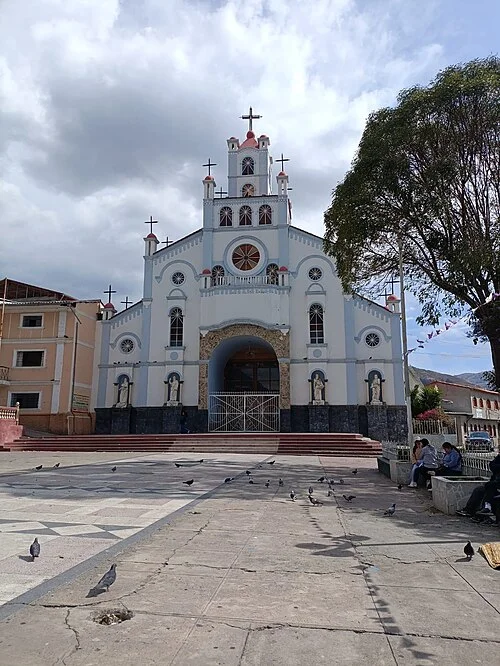
La Soledad offers a different urban focus from the first central orientation. The November 2024 photograph shows the church exterior and its public surroundings, not current worship or interior admission times. Choosing a short neighbourhood walk does not require turning the whole day into religious-building visits. The accompanying lookout-direction photograph has trees in the foreground and a distant city-and-mountain view; it is not captioned as a panorama taken from the middle of Plaza de Armas. For an overnight stay, La Soledad can fit the arrival afternoon while the museum waits for its actual opening day. A Monday arrival may therefore suit a city-and-meal day followed by the museum on Tuesday, provided onward travel permits that timing. Leave room to exchange the two focuses if weather or transport changes rather than force them into an immutable timetable.

A Huaraz meal: tarwi, llunca and pachamanca
PROMPERÚ's 2026 description of Huaraz names pachamanca, ceviche de chocho or tarwi, llunca kashki con pollo and picante de cuy. These are regional food choices, not proof that a named restaurant serves all of them today. Ceviche de chocho offers a way to encounter the legume also known as tarwi; the word ceviche alone should not lead to describing it as a fish plate. The con pollo in llunca kashki con pollo identifies the chicken version, useful when choosing a warm meal. Pachamanca represents a broader cooking tradition rather than something to assume is ready at every brief lunch stop. Visitors considering picante de cuy can make that choice according to their own food preferences. A concrete city meal plan might use a soup or legume-based plate for lunch and a longer dinner later. The market proximity in a river photograph does not establish the menu or service hours of any stall. Keep the regional names while leaving actual venue selection separate.
Quillcay and Santa: two distinct urban rivers
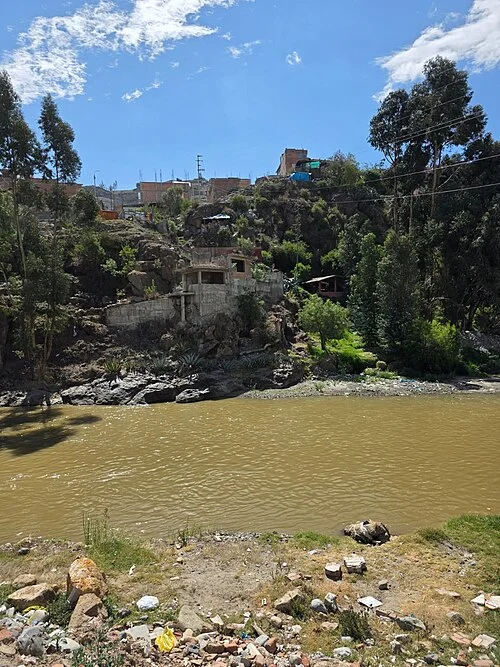
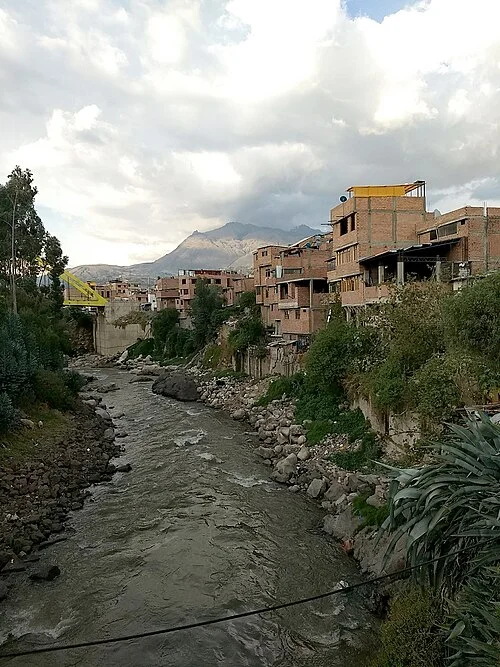
The November 2018 Quillcay photograph shows the river channel and adjacent buildings. The February 2026 Santa River image records a different section near Challhua market. They are neither crops of the same cover nor interchangeable names for one watercourse. Choosing one short viewing pause may be sufficient for this city itinerary. Entering the water, swimming or crossing the river cannot be inferred from a photograph, and present conditions at the approach require their own assessment. Rather than force the square, museum, La Soledad and both river settings into a short morning, decide what you most want to understand. The museum supports a historical focus; a neighbourhood and river view offer a more everyday urban one. Historical capture dates make the distinction between documentary background and today's travel decision clear.

Rooms, luggage and departure: a city need of its own
Central accommodation can help group a short walk, meal and luggage collection. For a room farther away, compare its actual address with the return journeys instead of assuming every visit is walkable from it. One night and two calendar days can use arrival for the centre and La Soledad, followed by the museum on a suitable morning or one river focus. Leaving a museum visit until Tuesday after a Monday arrival must also fit the departure ticket and luggage arrangements. This guide does not promise that a city pause provides altitude acclimatisation or readiness for a mountain activity the next day. Medical and demanding outdoor needs require separate expertise. The Stork's proposal is smaller: give Huaraz time for its food, neighbourhoods and urban history, rather than treat the city only as a waiting room for another excursion.