
Kisumu: give the lake city a cultural day
The Tatilmerkezi Stork suggests starting Kisumu by asking how the city explains itself, rather than immediately looking for a boat. This Lake Victoria plan is distinct from Nairobi's national museum and wildlife stops. With one complete day, choose Kisumu Museum in the morning, a lunch that introduces a tilapia preparation, and a short city or Dunga-area observation in the afternoon if conditions permit. Two nights around one activity day leave room for arrival and departure. With a slower second day, separate the museum and shore segments instead. A boat excursion is not required.
The useful connection is between a homestead interpretation in the museum and everyday urban life. Learning about the household arrangement represented by an exhibit does not mean assuming that an entire community lives identically today. Likewise, people working by the lake are not performers in a tourist attraction. Listen to an explanation before asking permission for photographs. A small, concrete question can be a better beginning than racing to a distant excursion. Reserve separate time for rest and meals; the first visit does not need to consume the entire day.
Museum and Ber Gi Dala: interpret the homestead with context
The National Museums of Kenya brochure describes regional cultural and natural heritage as the museum's subject. Its outdoor Ber Gi Dala interpretation presents Luo ways of life, and the Kenya Tourism Board also identifies a reconstructed traditional Luo homestead. Use the morning to understand the relationship between buildings within a domestic enclosure, rather than count display objects. Ask staff how household organisation is represented, which historical context the explanations describe and which areas are accessible. A meaning assigned to one exhibit should not be extended to every Luo household or to all contemporary life.
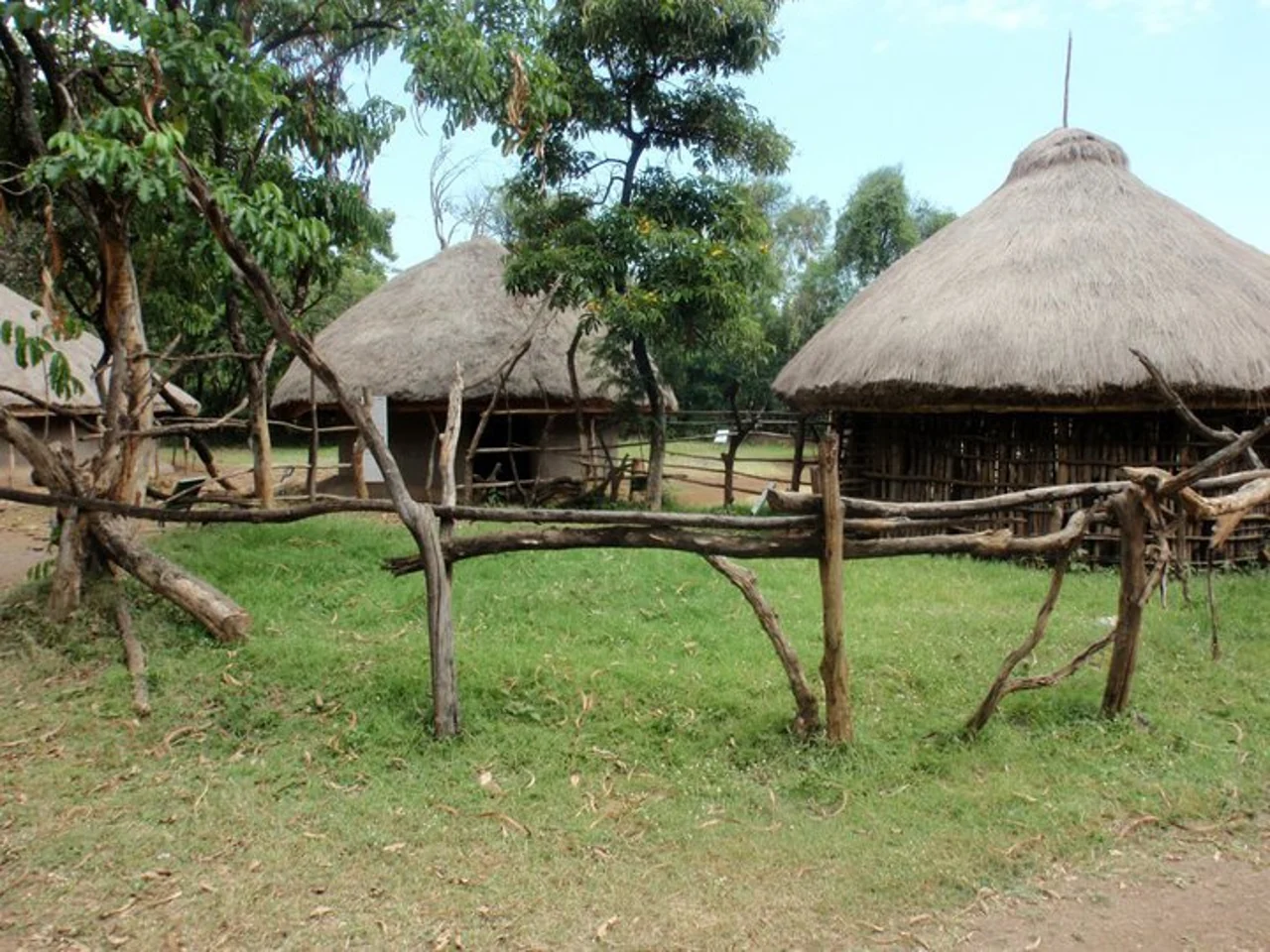

Opening times and charges printed in an older brochure are not used as current guarantees. Recheck admission through NMK's official channel and museum staff. The institutional sources establish the cultural focus, but do not guarantee that every gallery and outdoor area will be accessible on your date. If a section is closed, concentrate on available interpretation or shorten the visit. Seeing a live-animal area or attending a special guided programme is a separate decision, not an automatic element of this day. Making notes from labels can preserve understanding better than recording every object in unauthorised close-up photographs.
Tilapia and omena: connect lunch with the lake city
Kenya's official tourism site highlights tilapia in Kisumu's food setting. Kisumu County's account of Dunga also names tilapia and omena. Plan lunch by asking about an actual tilapia preparation on the menu, including whether the serving is a whole fish, a portion or another preparation. If interested in omena, ask what product and cooking method the business uses. A food's association with the lake region does not mean it is available at every business that day or that a particular plate belongs exclusively to this city.
Start with a trustworthy place to sit and clean handling conditions. Discuss ingredients and cooking arrangements directly if fish allergies or dietary requirements matter. Establish accompaniments and portion size to avoid ordering more than two travellers need. If prices are not shown, confirm the total and whether drinks are separate before ordering; this guide does not invent a current fixed charge. Completing lunch before a shore visit also makes it easier to change the afternoon if access or weather is unsuitable. There is no need to find a compulsory package tying a meal to a boat trip.
Dunga: observe a working shore without assuming water access
Treat Dunga as a separate, conditional shore segment after the museum. County information identifies its relationship with lake-based food and local visits. Establish the current road and public visiting point with accommodation or a reliable local guide before departing. Keep the drop-off and collection arrangements clear. If rain or shoreline conditions change the plan, take a pause elsewhere in the city. A landing site appearing open in an older photograph does not provide unrestricted access to working areas.
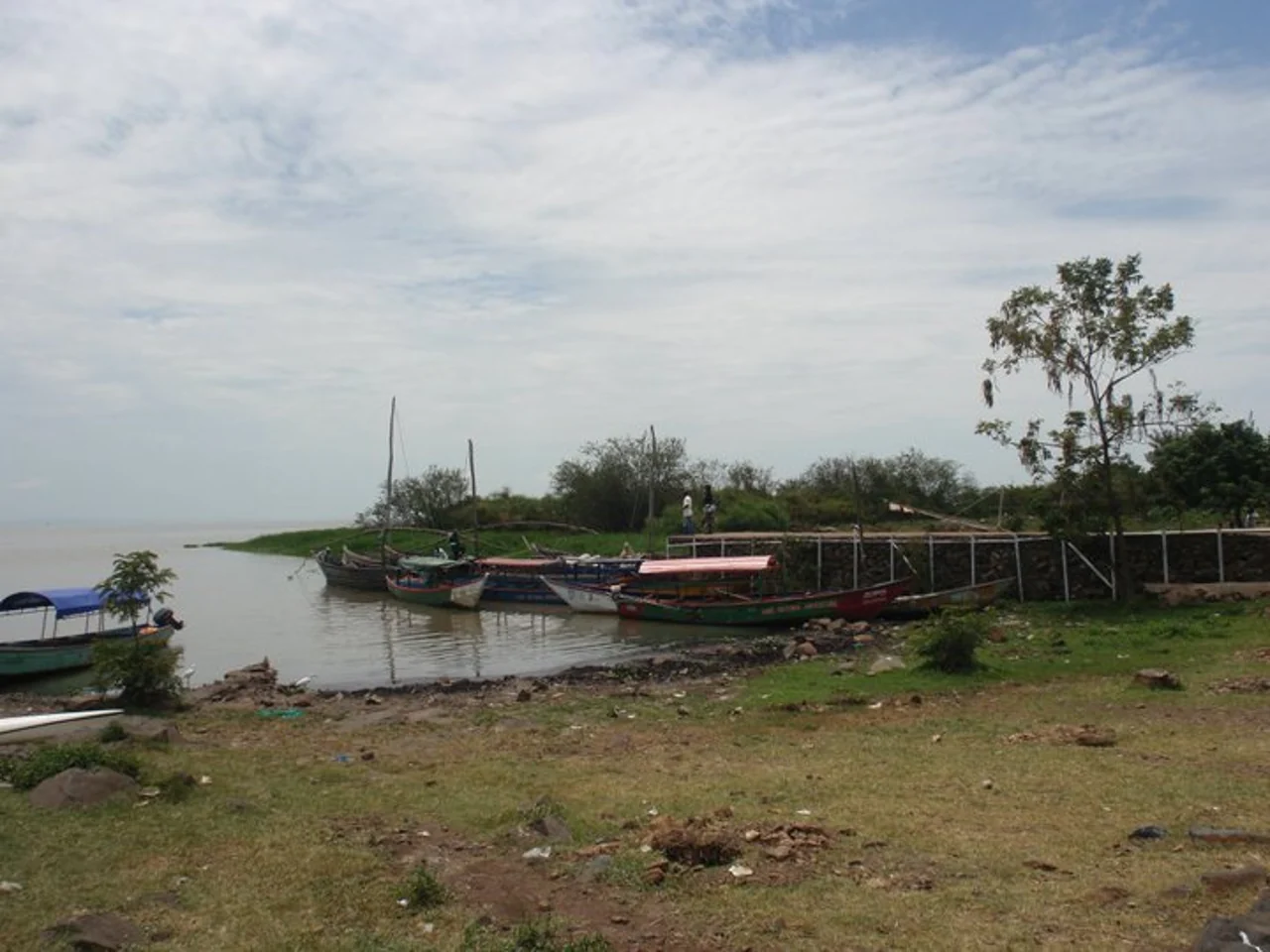

Observing the relationship between boats, water and city life from an appropriate distance is enough. Ask before photographing fishers or traders, and keep their working routes clear. Swimming, boarding a boat and wildlife viewing are not included in this short programme. Any separate excursion requires an authorised operator, suitable craft, weather assessment, safety equipment and current conditions. Keep children supervised near the water. Finish the visit without moving the return into darkness. For the Stork, the value is not collecting another landscape; it is reflecting carefully on regional life described in the museum while looking at a working urban shoreline.
Moving around town and choosing accommodation
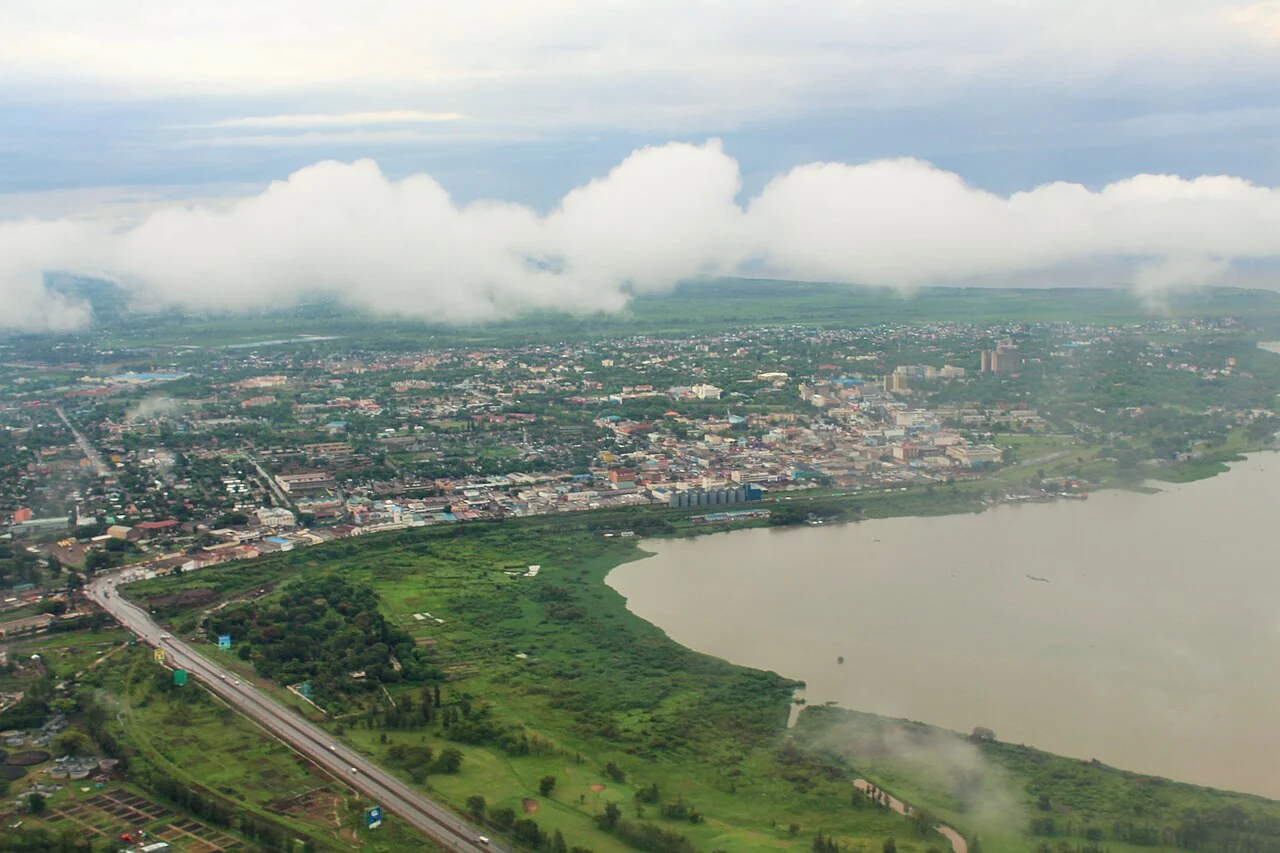
A central room and accommodation closer to the lake may create different transport needs. Ask about the actual entrance address, reaching the museum and returning from meals before booking. A skyline photograph does not establish that every stop is walkable. A central base can suit short urban observations; a quieter location may require clearer vehicle meetings. Discuss water, cooling, noise, stairs and breakfast arrangements for an early departure. A view alone does not create a comfortable day.
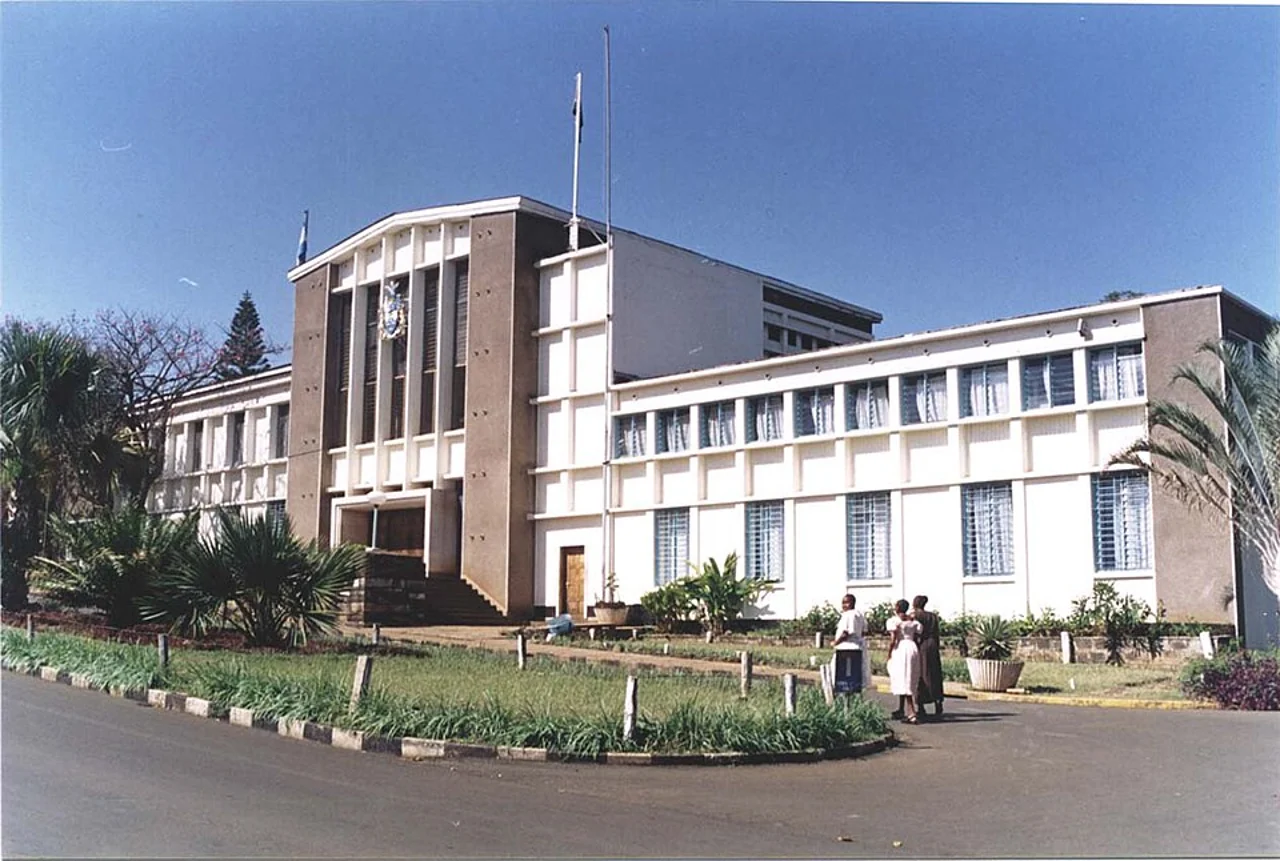

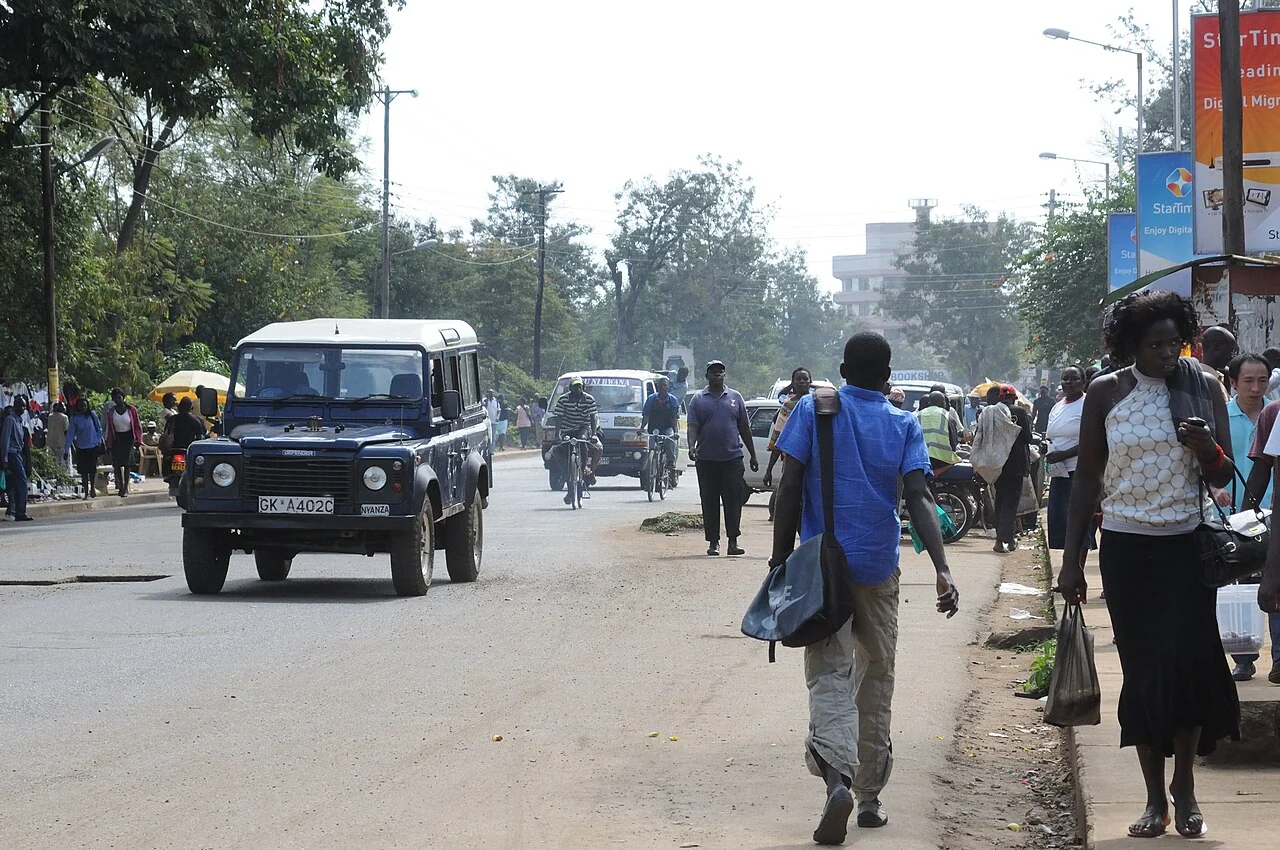
The Town Hall setting or a commercial street can supply a brief exterior observation. The dated civic-building photograph is not a promise of an institutional tour or exhibition. Check photography permission around official premises separately. Nor does the number of people and vehicles in a street photograph measure today's congestion. Combine walking and vehicle segments according to current local advice: the shortest line is not automatically the most appropriate pedestrian route. Agreeing museum, lunch and shore collection points with one dependable transport arrangement can make the day simpler than repeatedly improvising new connections.
Check arrival, return and current conditions together
Kenya Immigration lists Kisumu International Airport among official points of entry. This does not promise a particular flight or permission for every passport. Check the actual route offered by the carrier, connections and baggage conditions when booking, and agree the meeting place with accommodation. For onward travel by road, establish current route conditions and an appropriate daylight arrival locally instead of attaching an uncertain night transfer to the museum day. Save addresses and contacts offline so that the meeting arrangement remains understandable without immediate phone access.

Read official Kenya advice checked on 4 October 2026 together with your own authorities' guidance. Avoid demonstrations, keep valuables discreet and accept a smaller cultural day when conditions change. A warning concerning another part of the country should not be applied mechanically to every Kisumu street; the city is not declared risk-free either. Assess entry and health preparation through authorised sources appropriate to your passport. Reconfirming the return vehicle, documents and morning needs on the final evening is more valuable than adding a last-minute boat excursion. One domestic interpretation, one meal and a thoughtful view of the city's lake relationship can satisfy a full day's curiosity.