

Malawi: give the lakeshore and river park their own time
Tatilmerkezi’s Stork builds a first Malawi itinerary around three contrasting settings: arrival arrangements in Lilongwe, the lakeshore around Cape Maclear, and a guided nature programme in Liwonde National Park. Rather than fitting the whole country along one exhausting road, this framework gives transfers and quiet periods a visible place. It proposes eight calendar days, without claiming to cover northern islands, Nyika and Mulanje as well. For a shorter trip, remove a region instead of changing hotels every morning. A peaceful lakeside setting does not provide clearance for swimming or a particular boat activity. Select the actual experience alongside current health and local operating information. Time watching the shore can be as valuable as another scheduled excursion.
A transparent eight-day calendar
Day one is arrival and rest in Lilongwe; day two is the transfer to your Cape Maclear accommodation. Days three and four provide lakeshore activities, day five a transfer to the Liwonde area, and day six a prearranged guided park programme. Return to Lilongwe on day seven and depart on day eight. Arrival and departure are included: the framework contains three full activity days and three regional transfer days. Flights, road conditions and accommodation locations can change that pattern. Do not turn a transfer into a race to reach dinner. Combine shoreline observation with a short guided land walk on a relaxed lake day. Choose one principal park activity and allow rest. If you want another full safari day, add a night rather than pretending the same calendar contains unlimited stops.
A Cape Maclear day without compulsory swimming
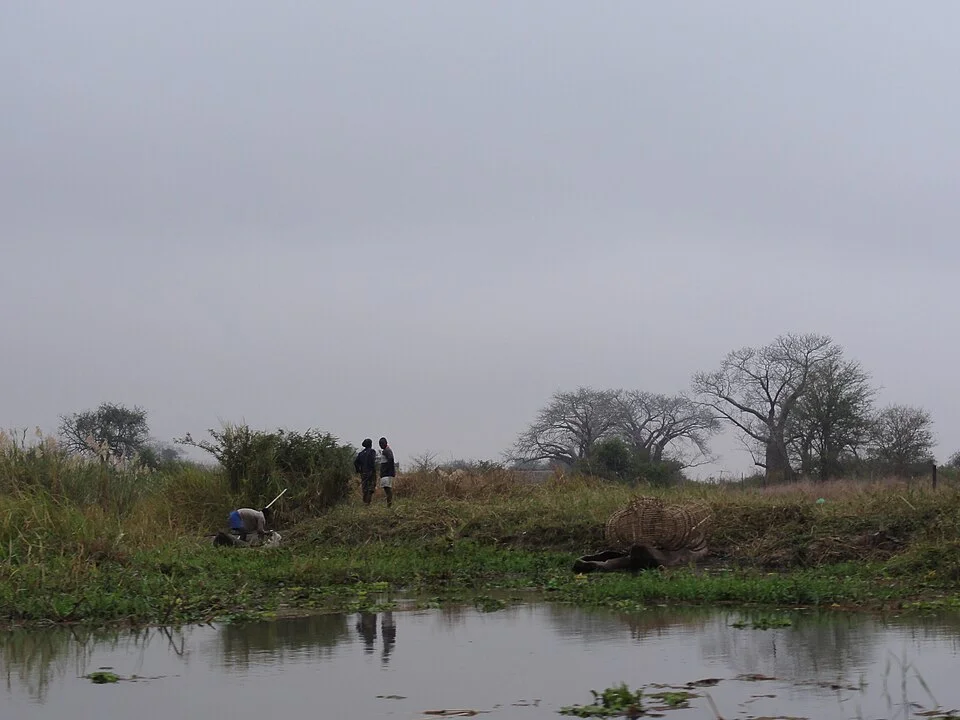
The Department of Tourism describes the land and island environments of Lake Malawi National Park. From a Cape Maclear base, give the morning to shore scenery and everyday village life, asking permission before photographing residents or working fishers. A shaded lunch followed by a short land walk arranged with a guide creates a manageable afternoon. For a scenic boat trip or bird observation, establish the operator, life jackets, weather decision and return point beforehand. Do not assume an island departure runs automatically from every hotel each day. This lake programme does not require entering the water: shore observation and an appropriate arranged boat activity are ways to explore it. A photograph of a fish eagle illustrates the setting; it does not promise that bird on your departure.


Liwonde and the Shire River
African Parks’ management information identifies Liwonde as one of Malawi’s protected areas, with the Shire River central to the visitor setting. A land safari and a river activity may be separate products. Before booking, obtain a clear explanation of the guide, park access and activities included. Confirm current entry arrangements and seasonal conditions with the park or operator. Allow sufficient nights near the park instead of combining a long road day with numerous observation sessions. Do not leave a vehicle without permission to approach wildlife; walks must follow the authorised guided arrangements. An animal not appearing does not make the excursion a failure. Wetland scenery, vegetation and birds are also part of the experience. Respect protection rules when considering souvenirs, particularly items made from wildlife parts.


Accommodation bases and regional transport
For the first and last nights, select Lilongwe accommodation together with its airport transfer and reliable evening transport. Around Cape Maclear, check the actual shore address, meal arrangements and the starting point of your planned boat outing. At Liwonde, compare staying inside or near the park with included activities and entry logistics. An apparently cheaper room can change the daily programme if it requires a longer transfer. Assess a prearranged driver, rental vehicle and public transport against your experience rather than treating one mode as compulsory. Obtain current quotations without assuming a published photograph represents today’s fare or journey duration. Fuel availability and road conditions can affect travel. Confirm the destination in writing with the driver, particularly when accommodation lies away from a town centre.


Build a meal around nsima and chambo
The Tourism Department’s cultural information identifies nsima, made with maize or cassava meal, as a staple and lists chambo lake fish among its accompaniments. These names offer a concrete starting point for choosing lunch or dinner. Read nsima alongside the vegetables, sauce or fish accompanying it, rather than as a restaurant label by itself. Ask how chambo is prepared and whether it is available that day; the example is not a claim that every property serves the same fish. Well-cooked food, reliable drinking water and clear allergy information belong in ordinary trip planning. Place a relaxed meal after a boat or park activity instead of squeezing a large lunch immediately before departure. For an evening meal away from the property, include reliable return transport in the arrangements.
Freshwater health and a pre-travel consultation
NaTHNaC records a risk of schistosomiasis in Malawi and advises avoiding swimming, bathing and wading in freshwater. The lake is therefore not presented here as automatically safe for swimming. The same specialist source identifies a high malaria risk. Discuss individual prevention and preparation with a qualified travel-health professional before departure rather than selecting medication yourself. Ask accommodation about mosquito nets and practical insect precautions. Review current outbreak information, vaccination advice and any transit-dependent certificate requirement in that consultation. Consider insurance covering access to appropriate treatment and evacuation if necessary. If illness develops during travel or afterwards, tell the healthcare provider where you travelled. A tourism advertisement for a water activity does not replace a medical assessment of its suitability.
Roads, weather and personal security
Current FCDO advice highlights fuel shortages, poor road conditions and risks after dark. Schedule transfers in daylight; the November-to-April rainy season can bring floods and road closures requiring a different route. Official information also records street theft, violent crime and occasional reports of kidnapping for ransom. Avoid demonstrations, isolated night walks and situations involving drinks from strangers; examine accommodation security. Same-sex sexual activity is illegal and carries custodial penalties, so read the official detail if relevant to your circumstances. These points help match reservations to actual conditions rather than to a scenic impression. Keep enough flexibility to change an activity or transfer following local announcements, and check conditions again close to travel.
Entry documents and final checks
The Department of Tourism’s visa table lists Turkey among nationalities requiring a visa. Confirm the current requirement for your nationality and passport category with the Immigration Department and official e-visa service; do not apply another passport’s exemption to your own journey. Payment or an application screenshot should not be treated as an approval without observing the actual decision. Prepare carrier document checks, onward arrangements and accommodation details separately. Sources were reviewed on 4 October 2026. Reconfirm flight and transfer quotations, park activities, health preparation and weather conditions before departure. The Stork’s practical invitation is simple: give the lake and park separate days, travel the regional roads in daylight, and preserve enough space to enjoy each day’s main experience.