

Two nights and one full city day in Kannur
Kannur offers a useful coastal base for a traveller who wants historic institutions, an urban meal and time beside the Arabian Sea within one stay. Tatilmerkezi Leyleği allows two nights for this route: arrive and settle on day one, use day two for the fort and museum setting, then leave after breakfast on day three. Three calendar days therefore contain only one complete sightseeing day. An early arrival can add a short beach visit on the first evening; a late arrival needs only a comfortable transfer to the room. The main stops here are St. Angelo Fort, Arakkal Museum and the Payyambalam shore. This is a city itinerary rather than a sweep of every hill, temple and beach in Kannur district. A wider district trip needs added nights and an actual vehicle plan. Leave room for everyday streets between the institutions, since the working city is part of the experience too.
From the station to the actual accommodation door
The current district administration transport page describes regular railway connections between Kannur and other major Indian cities. Check your own ticket for the train, arrival time and station rather than treating that general statement as a timetable. An air arrival also requires a separate road transfer between the airport and the accommodation address. Ask the property about early luggage storage or room access before planning a full first day with bags. A station-side address may suit arrival and departure; staying towards Payyambalam gives a different priority to evening shore time. Locate the actual entrance, especially for a late arrival, rather than relying only on a neighbourhood name. Keeping the same room for both nights avoids moving luggage during a short stay. Allow separate time for the return trip, bags and possible road delays on the last morning. A historical station photograph cannot establish today's platform or taxi arrangements.


St. Angelo: the courtyard and a coastal history
The district tourism record identifies St. Angelo Fort with the Portuguese administrator Francisco de Almeida and the year 1505. Use that as an introduction to the coast's history rather than trying to absorb every period of maritime trade during a single morning. Making the fort the first main stop of the full city day leaves a workable interval before the museum, meal and rest. Look at the approach, courtyard and relationship between the buildings. The selected photograph shows the coastal wall beside rocks and waves, bringing the fort’s relationship with the sea into view. Check current admission hours, ticket requirements and closed sections before setting out. Water, a hat and short breaks matter in an exposed outdoor setting. In rain, give the stone surface more attention and shorten the visit if necessary. If a section is closed, continue with the remaining day instead of assuming that another waterfront building provides a permitted shortcut or an alternative entrance.


Arakkal Museum: a second account of the city
Kerala Tourism records that part of Arakkal Kettu became a museum presenting the history of the family. Consider it as a second historical stop after the fort, checking the transfer and actual opening arrangements together. It brings a different institutional account into the coastal city day. Exhibition labels and staff guidance can help explain objects within their own context; photographing everything is not necessary for a worthwhile visit. Use the rooms that are genuinely open and ask separately about photography permission. The museum exterior shown here has a tiled roof, white walls and an entrance sign. That provides an honest sense of the building in its urban setting without suggesting that every collection room has been visited. If it is closed, avoid spending the lunch interval waiting at the door. A short exterior stop followed by a meal and rest still works. Return later only if confirmed hours and the remaining connections make it practical.


A concrete Malabar meal with time to sit
For lunch, ask about a Malabar chicken biriyani or a suitable main dish served with pathiri. The state tourism account of regional food includes biriyani, rice-based pathiri, parotta and ghee rice. These give a concrete starting point for a meal in Kannur, without claiming that every recipe originated inside this city. In particular, a preparation associated with the name Thalassery should retain that geographical context. Discuss the meat choice, portion, heat and accompaniments with the establishment when ordering. Vegetarian or other dietary needs require a conversation about ingredients rather than an assumption based on a familiar dish name. Allow time for a seated meal instead of relying on snacks between the fort and museum. There is no need to rush directly from lunch to the beach; a short rest and water break keep the remaining city day comfortable. Choose an actual establishment and price from its current menu. This route does not depend on a claim that a particular restaurant has been personally tested.
Payyambalam: give the shore the final part of the day
Payyambalam is one of the coastal places presented by Kerala Tourism in the Kannur setting. Use the final part of the full city day here, or make a shorter first-evening visit if arrival leaves enough time. The purpose is to see the shore and slow down after the institutional stops. Check the sunset time for the actual date, and use current rain forecasts and coastal warnings rather than a past sunset image. Attractive sea views do not establish that swimming is safe. Follow instructions from coastal staff and think about the return journey to your room before darkness. Learning the last practical transport connection is particularly helpful when travelling with children or heavy bags. The park, shoreline and every route towards the sea do not form one continuous permitted walking circuit. Stay within the accessible area you actually find. An unfamiliar rocky or unlit path does not become suitable simply because there is spare time in the itinerary.
Everyday streets and a separately planned wider visit
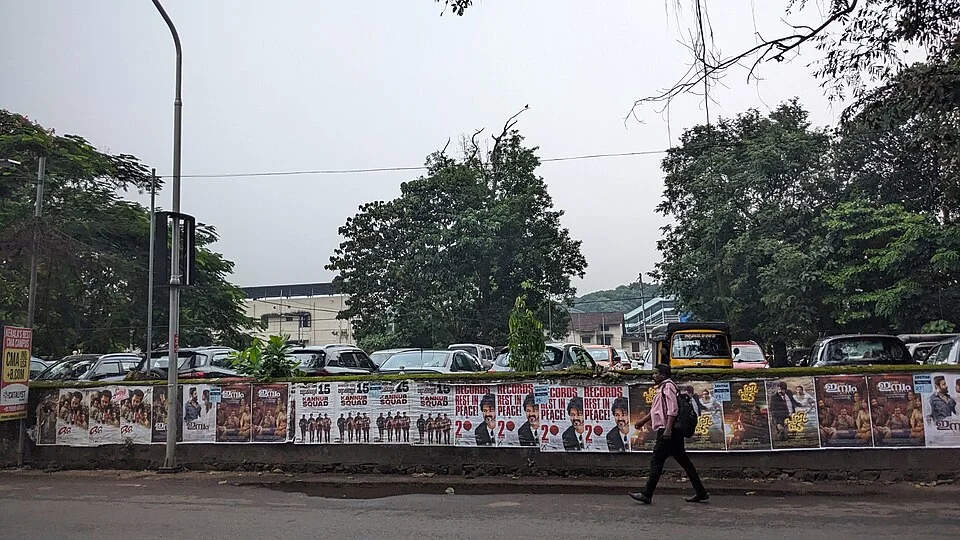
The city also appears in short journeys between accommodation, meals and transport. A tree-lined road, waiting vehicles and notices on a wall show the everyday setting around the historic institutions. There is no need to turn an ordinary photograph into a named shopping street or a market that supposedly opens every day. Select a walking segment according to pavements, traffic and weather; use a vehicle for the next main stop when tiredness begins to reduce the useful day. If another district beach, hill or cultural programme interests you, establish its real connection time and date first. A festival tradition associated with the region does not promise a performance every evening. Adding a full day for a wider visit is more practical than turning the original two nights into a race. Other Malabar cities also need their own accommodation and connection plans, even when their names are familiar from a regional food account.

Keep the departure morning available
The final morning is for breakfast, packing and the actual booked onward journey. Adding a fresh museum, beach and distant district excursion makes a two-night stay unnecessarily fragile. Confirm check-out and luggage storage with the property; a late train can leave a waiting interval that is best spent somewhere shaded and accessible. A relaxed meal break and an uncomplicated station return may be enough, without reopening a complete sightseeing day. Sources were checked on 5 October 2026. Use information for the real travel date when checking charges, daily opening hours, menus and services. One full city day gives Kannur a balanced introduction through a fort, a museum setting, a regional meal and the shore. A traveller who wants more places can add a night. Arriving late, or finding one institution closed, does not require treating the whole short visit as unsuccessful; the route has room to adjust.