

The Tatilmerkezi Stork separates Tunisia, the country, from Tunis, its capital: this guide contains three full city days and short visits from one accommodation base. Long travel to Kairouan, a coastal day in Sidi Bou Said and Carthage's archaeological sites are considered separately in the country guide. The new reader needs time for the medina's narrow streets, cultural interpretation at Bardo and meals around the modern centre. Staying in the capital does not require leaving it every morning. A slow old-city walk and a museum day have different demands; avoiding one continuous rush can make a short holiday more useful.
Three capital days within four nights
Keep arrival night for settling in and a nearby meal. Use the first full day for the medina, the second for Bardo after confirming admission, the third for the modern centre and a short outdoor pause around Belvédère, then depart the next morning. Four nights therefore contain three complete visiting days. Personal interests and actual institutional opening can alter the order. If a day is cancelled, narrow the selection rather than packing two large visits into the next one. With two full days, retaining the medina and museum while shortening the park pause preserves the itinerary's central questions.
Save the real address where you leave your luggage and establish how to return. Keeping the same room for three more nights provides a different convenience from finding another hotel each day. Think of each programme as separate morning and afternoon sections, allowing each a real meal and rest interval. There is no obligation to complete every name in a brochure. For an event, obtain the current institutional programme instead of treating an old festival month as today's calendar. Allow checkout, bags and the airport road a joint departure margin. Last-minute medina shopping should not determine whether you catch a flight.
The medina: navigation and a neighbourhood walk
UNESCO describes the Tunis medina as a protected urban ensemble encompassing streets, housing, markets and historic structures. A short daytime route with a local guide can help understand different urban functions rather than remaining on one shopping lane. Choose a recognisable meeting point such as Bab Bhar and agree whether the walk returns there. Stop clear of circulation when reading a map in a narrow street. Learn actual admission conditions for religious or private places; visibility from the street does not establish permission to photograph interiors.
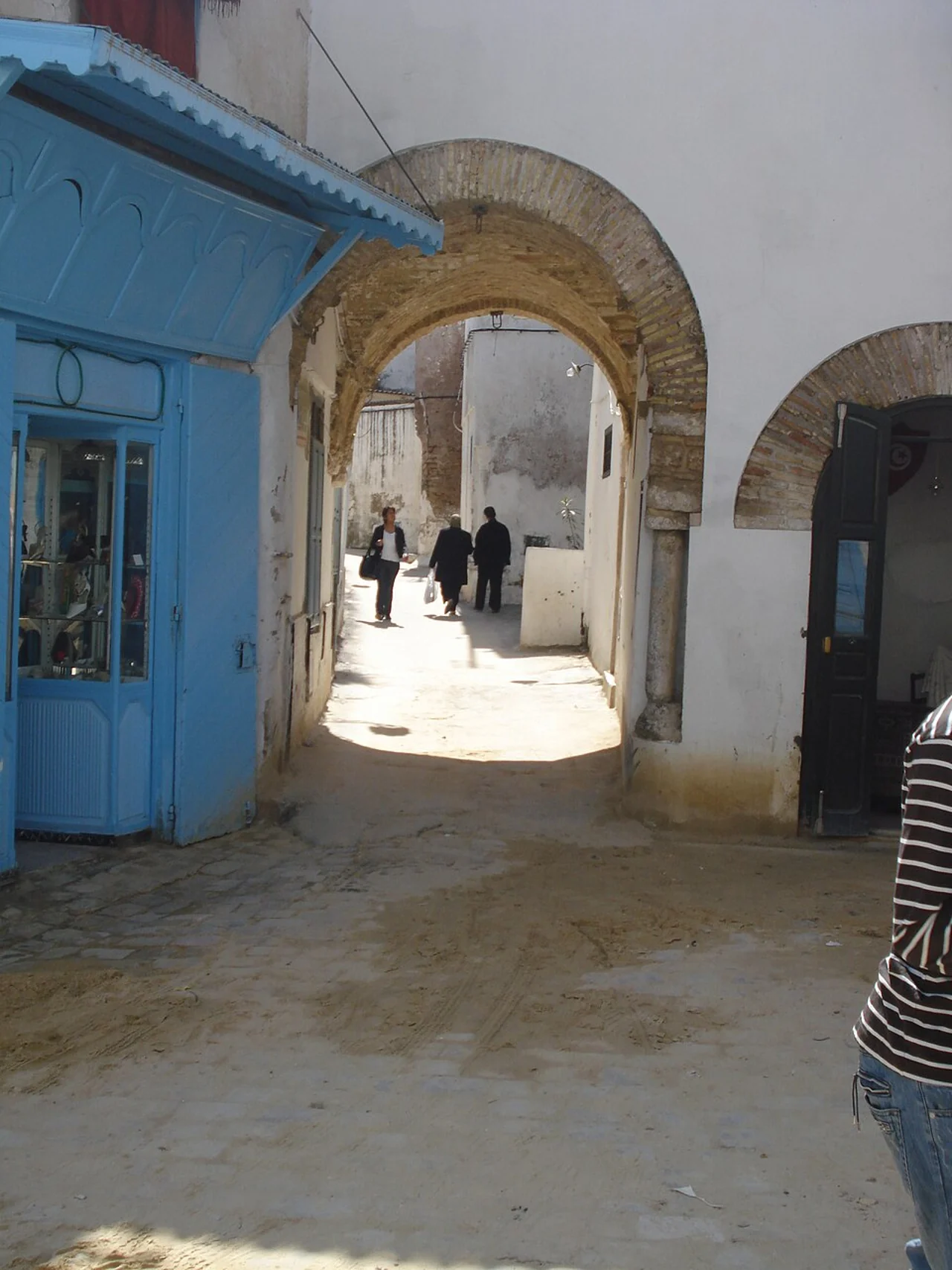

Explain the walking distance, stairs and seated breaks you need. With children, examining a few doors and street forms carefully may be clearer than listing dozens of names. Ask about the purpose and transport requirements of textiles, ceramics or another purchase. Prefer lawful contemporary products over historic objects of uncertain origin. Request permission for close portraits and do not treat residential doorways as stage scenery. Arrange lunch near the end of the walk in the same area, reducing a journey to the centre and back. Completing an extended market day within its own neighbourhood can be a sufficient city experience.
Bardo: a second day reserved for the museum
The Tunisian National Tourist Office presents mosaics and historical collections at Bardo's former palace site. Confirm actual open galleries, admission arrangements and accessibility with the institution or official tourism office. The museum's own website was unavailable during this research, so no exact opening time or current charge is reproduced. Depending on your interests, spend more time in two sections. Consider an object's material, previous use and context rather than merely racing through a list of exhibits.


Arrange the return vehicle and meal connection beforehand. Follow current photography and baggage rules in galleries and ask the institution about rest areas. Our museum image shows the exterior in 2006, not today's admission arrangements or open displays. Rather than making Carthage another compulsory stop, leave time for nearby food and rest. Add another historical visit only after confirming that it is open. A shorter museum visit can leave the rest of the day near the accommodation. If admission cannot be established, choose another cultural option with verified present access.
The modern centre and a Belvédère pause
The third day can be divided between the urban setting around Habib Bourguiba and a brief Belvédère pause. The official tourism source includes both the modern centre and park among urban choices. Ask the accommodation about the current open gate, walking route and return point. A historic view from one part of the park does not prove that the whole area currently admits visitors. If the aim is simply to consider the city landscape, choose a short permitted section rather than an extensive walk. Reducing outdoor plans because of rain or heat does not waste the day.


For a café or meal in the centre, assess actual options near that day's programme instead of attaching the whole visit to one unconfirmed address. A meeting or shopping purpose in another district may justify removing the park and remaining nearby. Returning to an out-of-city coast in the evening is not required by this capital itinerary. Do not automatically assume that a daytime connection suits an evening return; re-establish the vehicle and meeting point. Before departure, free time for packing and a short rest can be particularly useful with an early flight.
Choosing meals with lablabi, brik and couscous
The official gastronomic source identifies lablabi as chickpea soup and brik as a crisp egg-based option; couscous served with meat or fish offers another meal. If available on the actual menu, a short lablabi or brik pause could suit the medina day, while a longer couscous lunch could fit the museum day. Do not infer ingredients or cooking details merely from a name. Ask how eggs are prepared, which spicy accompaniments are included and whether fish or meat is used. Explain allergy or dietary requirements before ordering. The photograph is an example of Tunisian couscous, not the dish currently served by a recommended Tunis restaurant.


Use a substantial lunch as seated rest rather than squeezing it between two large visits. If a snack is replacing lunch, ask whether the portion suits. Settling breakfast and drinking water before leaving can make a delayed lunchtime programme easier. Obtain the actual charge, portion and service time when taking a table; no daily budget is manufactured from a historical brochure. On the final day, a considered meal near the base may serve better than crossing the city for a new address. To the Stork, local food connects visits rather than supplying a fictional tasting memory.
A base, transport and current warnings
For a room around the medina, establish the gate reached with luggage, stairs and vehicle meeting point. When choosing a modern-centre address, consider room quietness, the daily museum connection and evening return together. Accommodation at Berges du Lac can make sense for commitments there; it should not be assumed closer to every old-city visit. A district name is not an automatic safety label. The full address, access, actual breakfast and contact arrangements should determine the choice. One room across three city days is useful when the actual connections fit.
The official tourism source describes public transport and taxi options in the city. Verify present airport connections, stops and schedules with the operator before relying on a fixed service. For delayed arrival, establish a dependable collection's identity, charge and baggage conditions. FCDO advice checked on 4 October 2026 discusses terrorism risks and separate travel warnings for some border and mountain areas; this city programme adds none of those risky regions. Handle belongings carefully in crowds, move away from demonstrations and follow local instructions. Obtain current passport-specific entry documents from official sources. A brief capital stay does not invalidate country-wide warnings.