
Two measured days in Bhavnagar
Build a Bhavnagar visit around a city day rather than a race through every attraction in the surrounding part of Saurashtra. The first useful pairing is hilltop Takhteshwar Temple and the central Ganga Deri memorial, with a substantial break between them. A second day gives Gaurishankar Lake room to become an unhurried waterfront stop. This structure suits travellers adding one or two nights to a wider Gujarat journey: arrival fatigue and visiting time become separate decisions. With only one night, keep two principal stops and treat the remainder as optional. Trips to Palitana, Velavadar or another coastal destination need their own allowance; adding them should not silently consume the time set aside for Bhavnagar. Establish the day’s access and your return arrangements before leaving your accommodation, then keep enough flexibility to respond to what is actually open.
Takhteshwar: a morning that accounts for steps
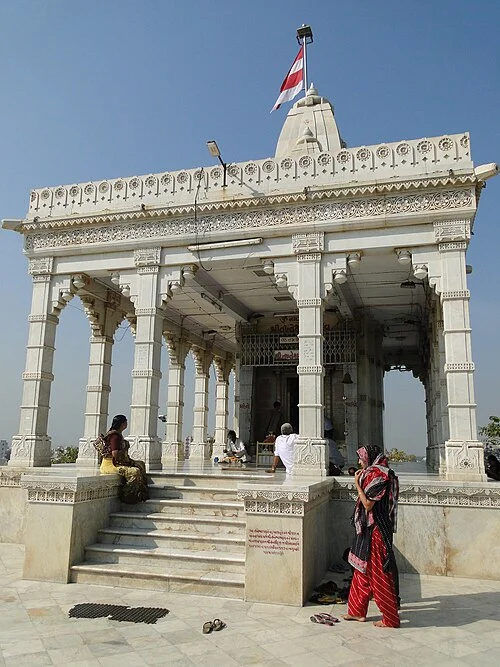
Gujarat Tourism describes Takhteshwar as a marble Shiva temple on a small hill, with marble steps leading to its main courtyard. A short distance on a map therefore does not describe the whole approach. On arrival, ask about the steps, the place to leave footwear and any visiting arrangements affected by worship that day. For a relaxed pace, make this the morning’s single substantial stop and leave a breakfast or rest break after descending. Wait to one side when photographing architectural details instead of interrupting people moving through the entrance. Permission to photograph the exterior does not automatically cover the interior. Travellers who find stairs difficult should establish the closest usable vehicle drop-off and whether an accessible approach exists before committing the morning to this visit. Adapt the itinerary to that answer rather than assuming the hill can be bypassed.
Ganga Deri and a short central walk
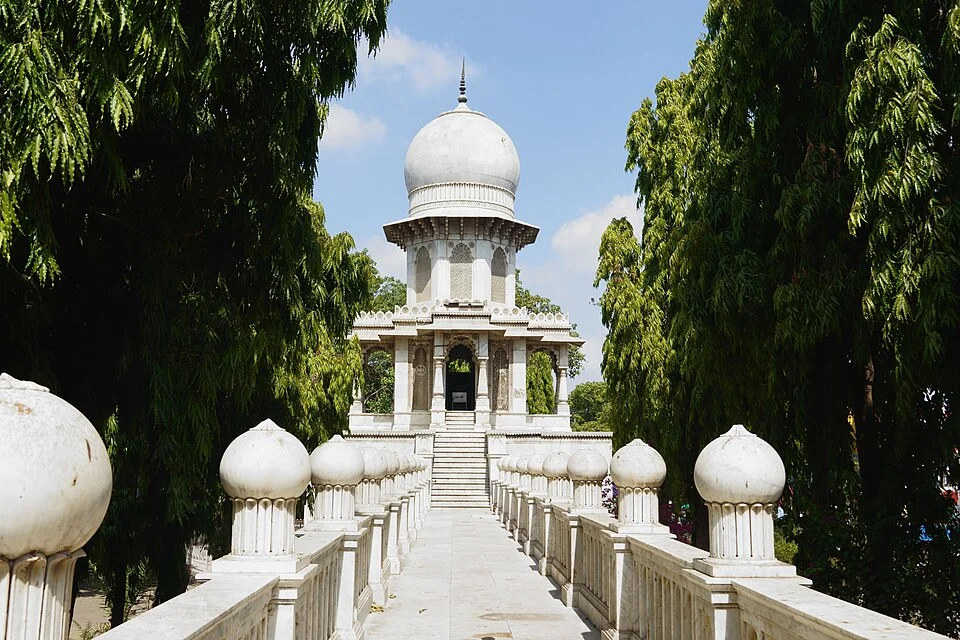
Bhavnagar Municipal Corporation lists Ganga Deri as a memorial beside Gangajaliya Talao. Rather than squeezing it immediately after the hilltop visit, make it the anchor for a shorter walk after your midday break. Find the approach that is open on the day, then add a compact circuit through nearby streets while keeping your orientation. Seeing a structure and being allowed inside it are different experiences; an exterior visit may be sufficient when an area is closed. You need not follow directly behind a large group to notice the white columns and the approach. Historical information on a municipal page is useful context, but it is not a daily opening notice. Ask locally about access. The central walk can continue with a street-level view around the clock tower, provided the route fits your energy and the traffic conditions, before turning towards your evening meal.

Gaurishankar Lake: an open-ended waterfront break
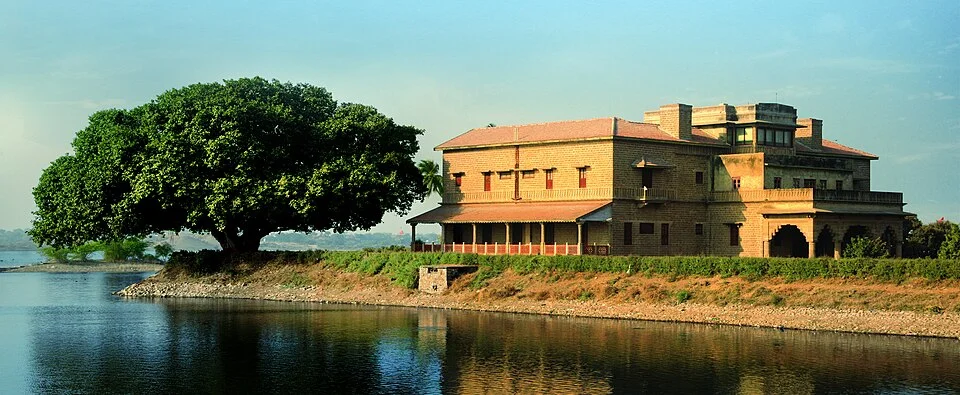
Gaurishankar Lake is the reservoir the municipality also introduces as Bortalav. Use this part of the second day as a flexible waterfront break instead of an obligation to cover a complete circuit. First identify an open approach, choose the stretch that is usable on that particular day and agree your meeting point with a driver if one is involved. Water levels, vegetation and the opposite bank in an archive photograph are not a promise of the conditions during your visit. Someone who simply wants to look at the water may need a short stop; someone who enjoys a slow walk should allow longer. A path appearing on a map does not establish that its entire length is open. If you add a neighbouring green space, check that location’s separate entry conditions: visiting the lake does not automatically provide admission elsewhere.

Finding your bearings around Crescent Tower
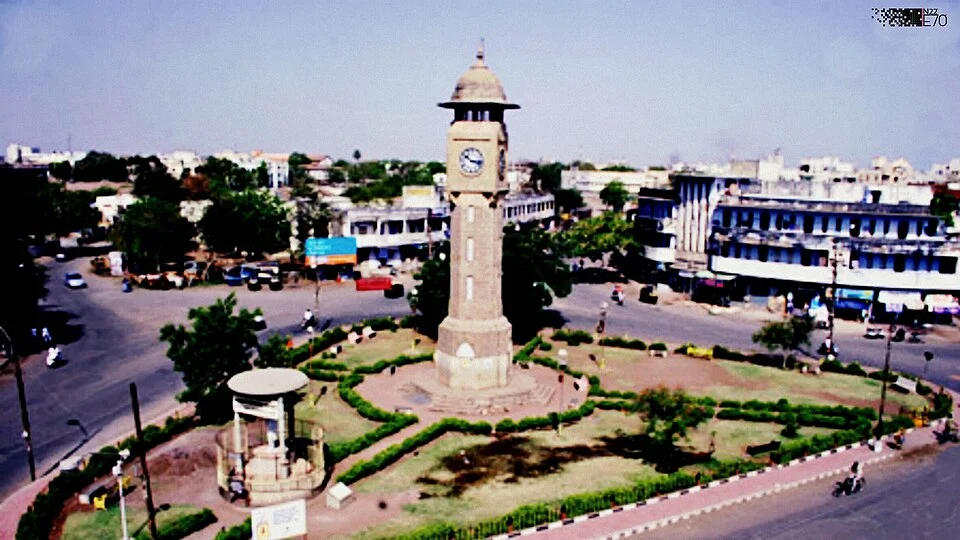
Crescent Tower can serve as a brief visual landmark while finding your bearings in the city. The archive photograph shows the tower together with a road junction and a small landscaped area; it does not record today’s traffic flow or a currently available pedestrian route. Save the name, including its local spelling when available, before setting out and avoid relying solely on showing a driver a photograph. If the view does not require crossing to a traffic island, choose a suitable position at the edge instead. The purpose of this stop is to understand the movement of central Bhavnagar as much as to see the tower itself. Let weather and street conditions determine the length of the walk. Placing stops along the line back to your accommodation may be more useful than making two vehicle journeys across the city in opposite directions.

The Town Hall facade and the boundary of public access
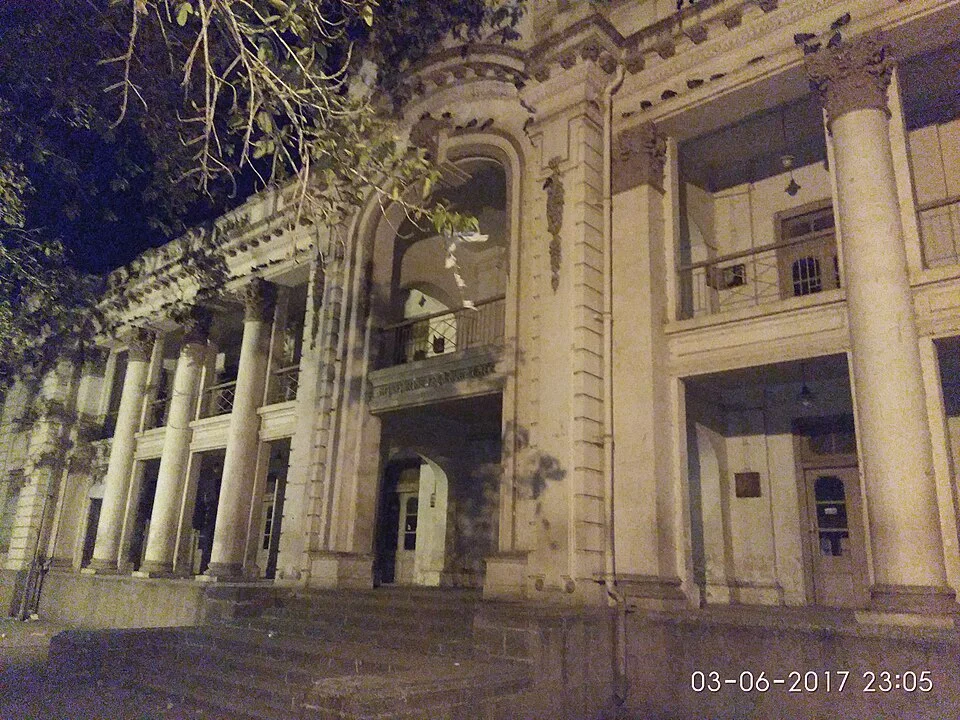
The photograph used here for Krishnakumarsinhji Town Hall records its columned facade at night in 2017. It does not establish regular night illumination, a hall currently open to visitors or an event taking place today. To see the building, first establish where its exterior can be observed from public space and whether an event changes the entry arrangement. A short exterior stop can be enough to appreciate another architectural setting; an open door is not an invitation to enter. Plan around a local programme only when there is official event information. Treat this visit as an addition to the central walk so that it does not displace the first day’s principal temple and memorial stops. Rather than arranging a separate late journey in pursuit of the archive photograph’s lighting, consider how the building fits the route you are already following.

A concrete vegetarian meal at Nilambag
For a specific meal, start with the vegetarian restaurant menu published on Nilambag Palace’s own website. Dal Tadka, Tawa Roti and Steamed Rice are listed as separate items, giving a straightforward combination of a lentil dish, flatbread and plain rice. Before travelling to the restaurant, confirm that outside diners are welcome, that the dishes are available that day and whether the portions suit sharing. Ordering both bread and rice is optional; a smaller meal can include just one of the two accompaniments. A vegetarian menu does not make every item vegan or free of allergens. Explain requirements concerning dairy, cooking fat, gluten or spice directly to the kitchen. This suggestion comes from the operator’s actual menu, rather than a tasting report. It does not attach a fixed current price or claim that this meal is uniquely Bhavnagar cuisine. Allow time to eat without placing your next transport departure immediately after the order.
Transport and choosing a place to stay
The district administration’s access page introduces the airport, rail connections and Gujarat state bus services. Establish whether a flight or train operates on your chosen day through the carrier’s current search: a general destination description is not a booking confirmation. Identify the actual arrival station or bus stop and plan the final leg to your accommodation separately. When choosing a Bhavnagar hotel, weigh access to the central walk against the kind of room and rest you need. Gujarat Tourism includes Nilambag Palace among its accommodation options; that listing does not guarantee a room, a particular rate or a suitable accessible layout. For a one-night stay, early luggage storage and the next day’s departure time may matter more than a star category. If arranging a vehicle for the lake, record both the drop-off and pickup location and understand the complete waiting arrangement before agreeing to it.
Making a short visit work
With one full day, Takhteshwar in the morning, a midday break, then Ganga Deri and a compact central walk form a workable outline. A second day can hold Gaurishankar Lake and one selected exterior stop, with a meal deliberately placed in the schedule. If you leave early for another city, do not put the waterfront visit into the final minutes before departure. Presenting Bhavnagar as a replica of a Palitana temple excursion or a Velavadar nature visit blurs the reason for staying here; those journeys have their own access and transport preparation. The practical aim is to choose a few meaningful city stops that fit the time you actually have. Institutional and menu sources for this guide were checked on 5 October 2026. Daily closures, hours and food availability still require direct confirmation close to travel. Leave enough room for that confirmation to change the day without undoing the whole visit.