
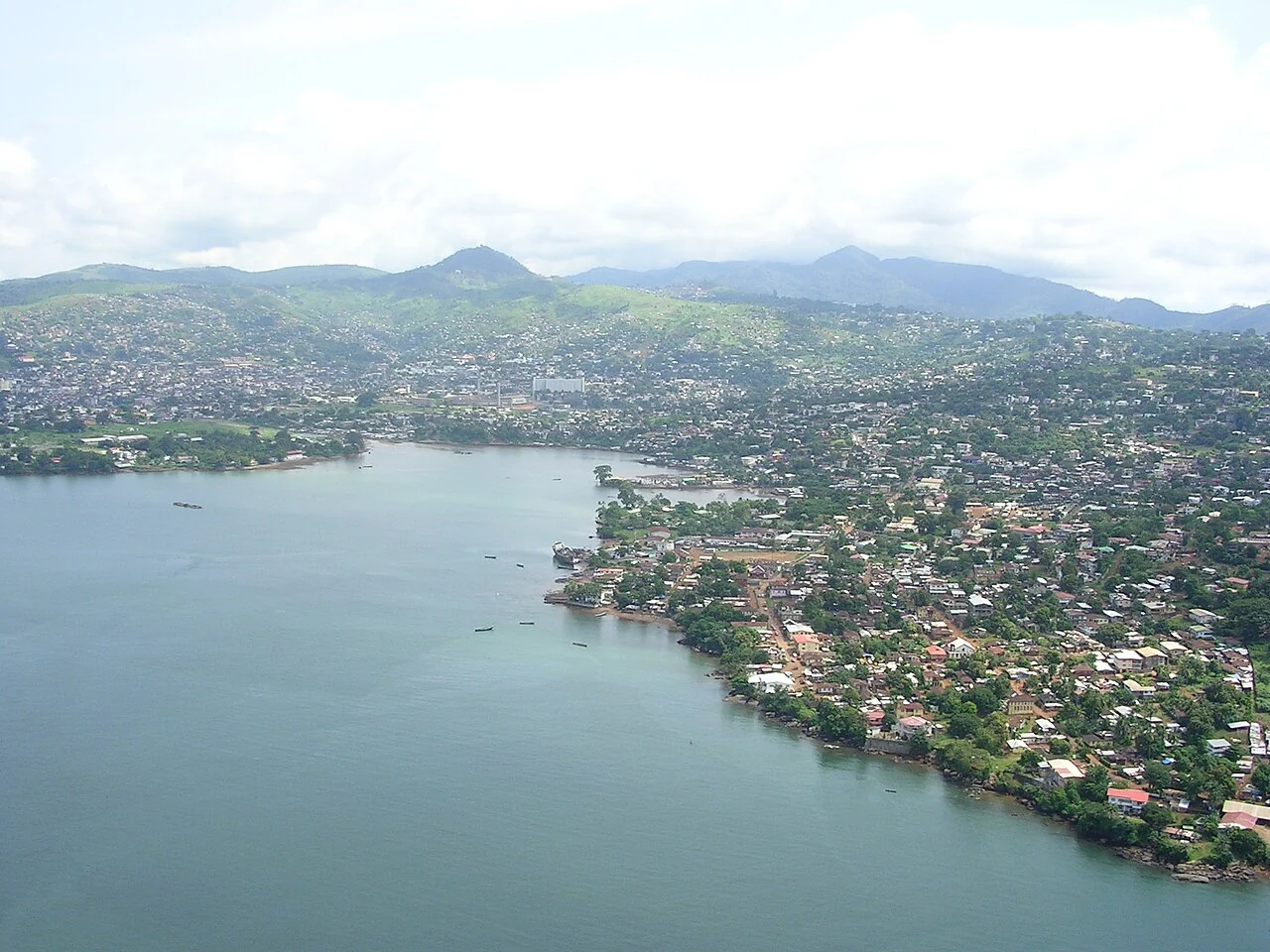
The Tatilmerkezi Stork builds a first Sierra Leone trip around Freetown and its peninsula. City history and a market visit, an unhurried coastal day, then the Banana Islands if weather and safe boat arrangements allow: this sequence does not claim to cover the whole country. Two main bases can be enough for an introduction. Trying to include distant forest reserves, lengthy road transfers and an island stay in the same week creates a very different journey. Freetown's busy streets and the peninsula's coastal rhythm deserve separate time, with meals and rest between them rather than a race to every place shown in a photograph.
Divide seven nights between city and peninsula
A planning example uses the first three nights in Freetown, the next three at one chosen coastal base on the peninsula, and a final night back in accommodation suitable for the departure transfer. Day one is arrival and settling in; day two city history and a museum; day three a short market circuit and a local meal. Transfer to the coast in daylight on day four. Day five can be rest without compulsory swimming, and day six a confirmed island excursion or a land alternative. Return with a buffer on day seven and arrange the flight connection on day eight.
This first week is not an extensive national circuit into the interior. Gola or Tiwai require separate transport, guiding and additional nights; they are not minor side stops on this coastal itinerary. If an island stay is a priority, redistribute the peninsula nights and preserve the departure buffer. Each new base consumes luggage and connection time as well as providing scenery. When weather changes the plan, choose one manageable land outing rather than trying to rescue every activity on the original list.
Freetown: start the history walk with a museum
The National Museum or the Railway Museum at Cline Town can introduce different layers of the city's history. Choose one main visit according to your interest rather than fitting both museums and the entire centre into a single day. A railway collection does not demonstrate that a passenger rail service is running today. Confirm opening, guiding and any accessibility requirements before visiting. A short circuit around the National Museum followed by a cooler lunch break can simplify a city day that might otherwise become extended traffic and heat.
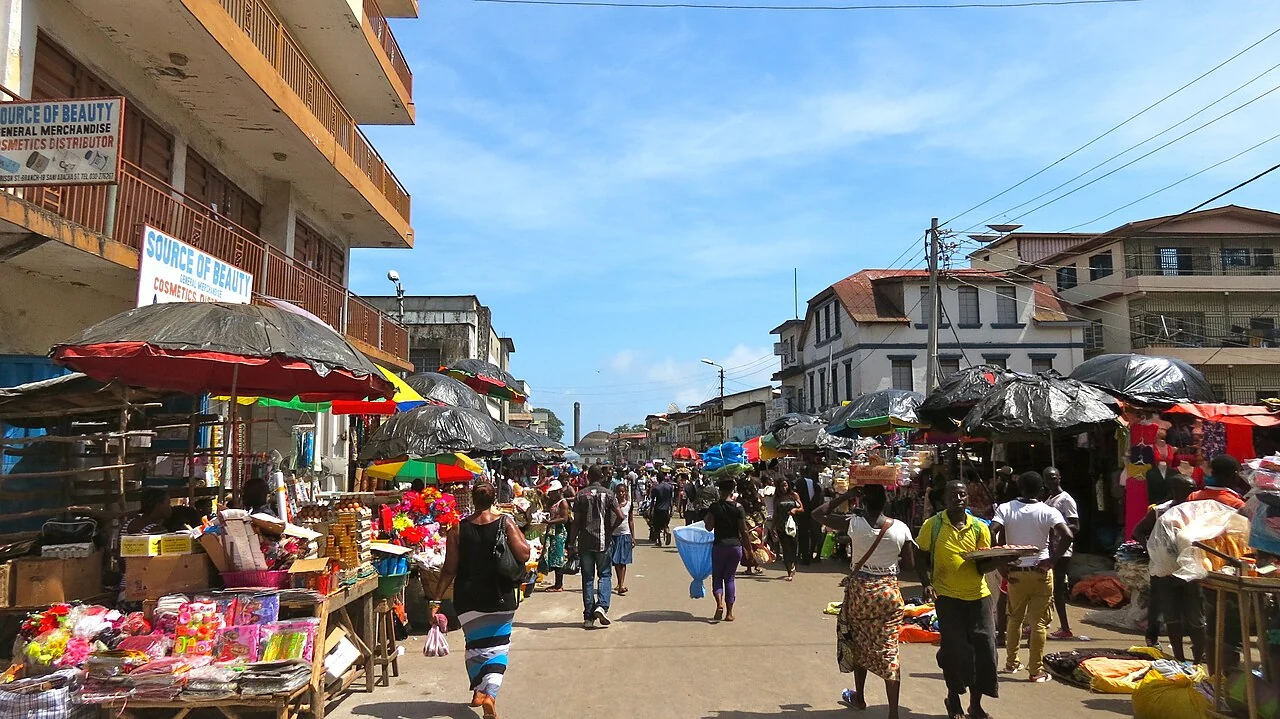

Around Big Market, look at crafts or everyday goods without obstructing people's workplaces. Ask permission for photographs of products and people, and avoid rushed purchase decisions. Freetown's history extends beyond the slave-trade period: ask a guide to connect Krio culture with present-day city life. Do not expect old photographs of the Cotton Tree's canopy to represent the tree as it stands today. The official tourism page reports that the tree fell in the May 2023 storm and part of the trunk remains. Check the present arrangement of the area locally.
Tacugama: do not schedule a visit without confirmation
Tacugama's chimpanzee conservation work is an important part of Sierra Leone's nature story. However, the institution's third-quarter 2025 report records closure to visitors. The presence of visit and accommodation links on its homepage does not prove that the gate is open on 4 October 2026. This guide therefore does not book Tacugama into a fixed third day. Make space only after receiving date-specific confirmation directly from the organisation; otherwise use a museum, a short city outing or a rest day. The photograph provides historical conservation context, not proof of current visitor admission.
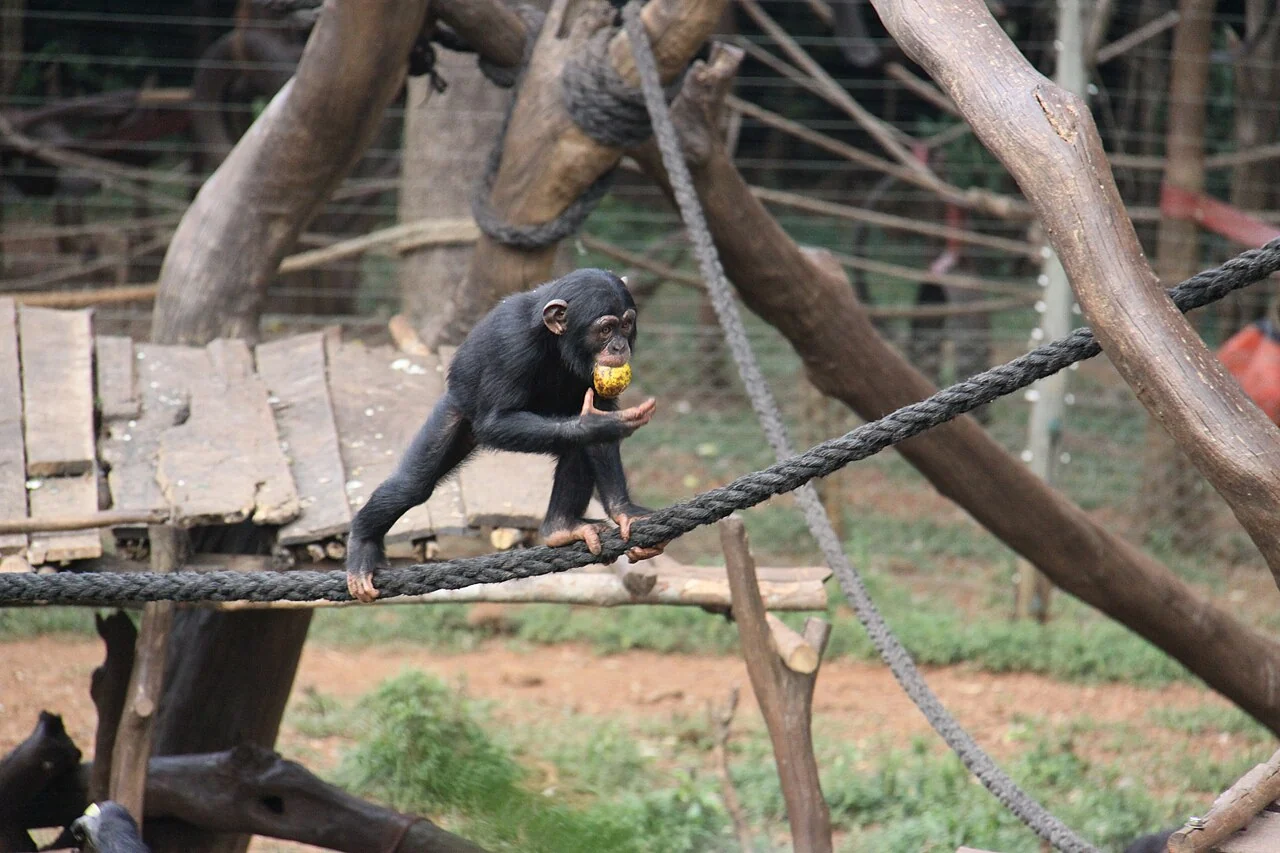

If an authorised visit is arranged, follow the organisation's health, distance and guiding rules. Do not arrive expecting to touch or feed chimpanzees or take close selfies. A conservation centre's purpose is not to provide animal interaction. Ask separately about suitability for children and mobility needs. Before adding an independent walk, find out whether the trail is open and appropriate. Reading conservation information can be a separate option for people interested in the institution; this guide does not promote a particular donation or event.
Peninsula and Banana Islands: choose one coastal base
Consider River No.2 or the Tokeh area for the coastal section. Instead of trying to cover both extensively in a day, choose a base where accommodation, meals and daylight transport work together. A beach day can revolve around a short walk, shaded rest and lunch; swimming is optional. When using local community areas, ask about visitor arrangements and any services first. Do not assume that walking between beaches remains possible in the same way at high tide. Knowing how to return to the accommodation matters as much as a beautiful view.
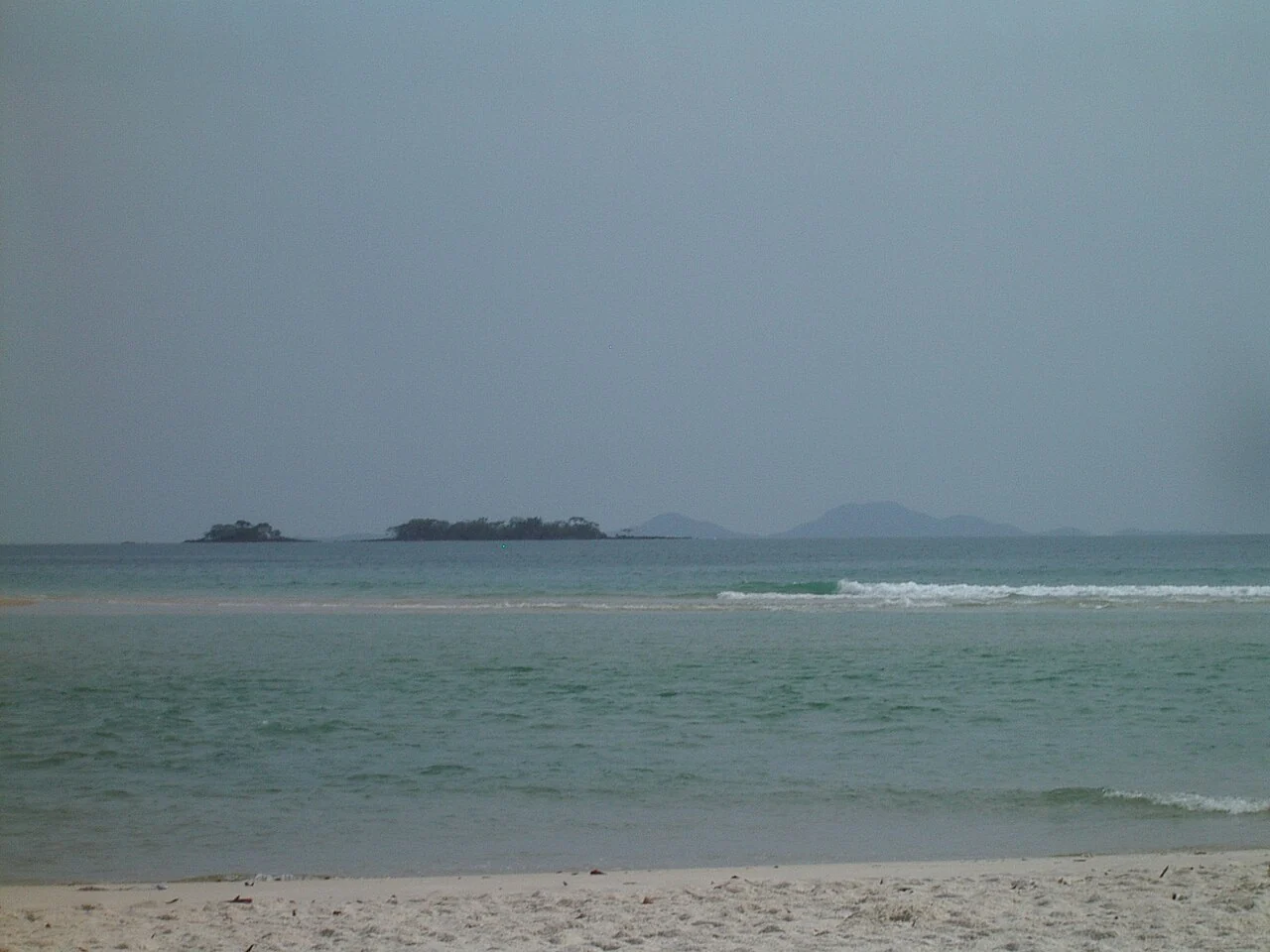


The ministry describes Dublin and Ricketts within the Banana Islands in terms of beaches and forests. The island option here depends on a verified safe boat arrangement, suitable sea conditions and a clear return plan. Ask about life jackets, the captain, passenger capacity, departure point and decisions in bad weather. Do not feel pressured to board an improvised small boat merely to complete the itinerary. Staying on the islands needs additional arrangements for meals, water, rooms and the return. Avoid linking the flight buffer to the last possible expected island departure.
Cassava leaves, Salone jollof and the meal rhythm
The National Tourist Board's gastronomy source identifies cassava-leaf stew, potato leaves and Salone jollof among local choices. If available, plan a city meal around rice with cassava-leaf sauce or jollof. A leafy dish may contain fish or meat; explain vegetarian needs or allergies before ordering. Foofoo with sawa is another pairing recorded by the source. Even dishes bearing the same name may use different preparation and accompaniments, so do not expect an identical recipe at every establishment.
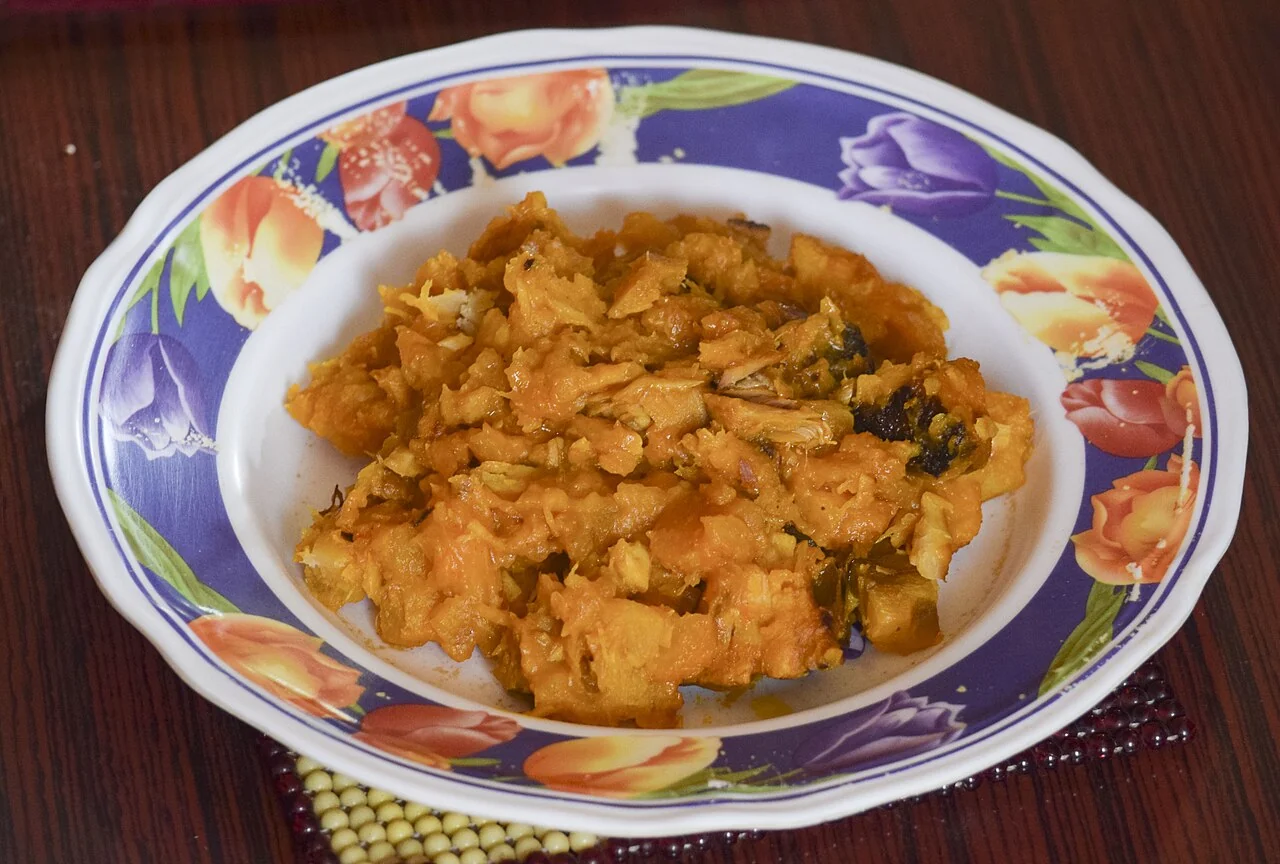

Connect a city morning with lunch and an island day with an arranged meal on returning. The Ebeh photograph shows a different cassava-based Sierra Leonean dish; it is not labelled as leaf stew or jollof. If choosing fish at the coastal base, ask what is available and properly cooked that day rather than reading a restaurant or daily catch guarantee into an image. Before a long transfer, think about drinking water, a small snack and an appropriate stop instead of adding a heavy programme. Knowing meal times reduces last-minute searching along the coast.
Lungi transfer and accommodation arrangements
Lungi airport is separated from Freetown by an estuary. Landing is not the same as arriving at the room. The official tourism source identifies water-transfer options. Ask the actual operator about your flight connection, luggage, meeting point and bad-weather alternative. Record whom to contact if the flight is delayed. After a water transfer on the first day, a restful city base can be more manageable than immediately adding a long coastal journey. Plan the departure connection alongside room checkout, baggage and the actual flight time.
In Freetown, evaluate nearby meals and a dependable prearranged vehicle connection. On the peninsula, ask separately about drinking water, backup power, telephone communication and meal arrangements. A distant room view does not solve everyday transport. No transfer or tour fare is fixed here: compare the included services in writing. Compact baggage may simplify movement, but do not omit necessary health and communication preparations simply to travel light.
Current entry and safety checks
In the 4 October 2026 review, FCDO stresses avoiding demonstrations and walking alone at night, and using dependable prearranged transport instead of local public vehicles. Strong currents, absent lifeguards and rain-related boat cancellations matter; it also warns of medical waste at Lumley. Do not assume a beach or conservation visit is safe. Check the official eVisa system and entry documents for your passport. NPHA's Health Travel Portal requires a declaration no more than 72 hours before travel. Retain the confirmation and verify relevant health documents with qualified advice.