
Erode: a working city and a separate Bhavani day
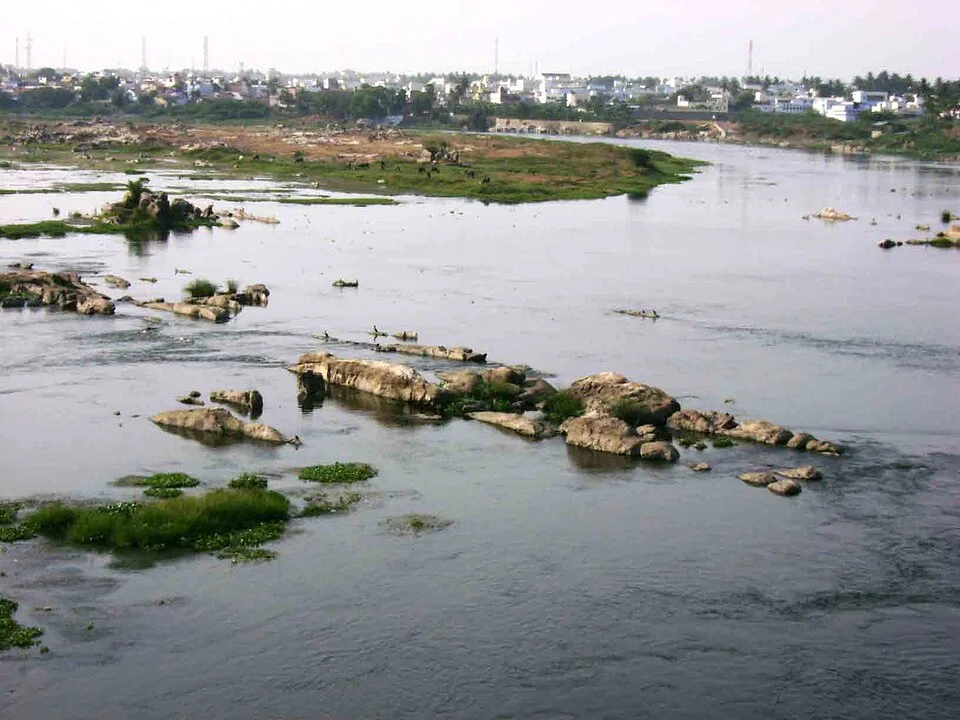
The Tatilmerkezi Stork suggests a small Erode plan that distinguishes the working city from its wider river scenery. Four calendar days and three nights cover arrival, a city-and-meal day, a separate Bhavani direction, and departure. The Nethaji market context, everyday shopping and a rice-based meal form the first full day's interests. The river confluence belongs to the next full day; Erode centre, Bhavani and Kumarapalayam are not presented as the same stop. A Cauvery view seen while approaching by train can introduce the water geography, without guaranteeing that photograph's view on every connection. This guide serves a reader staying in Erode rather than borrowing Salem's hill extension or a broad tour from Coimbatore. Three nights create realistic transport allowances for the city and a separate river direction, instead of promising all the district's water sites.
Arrival: establish the railway stop and accommodation address
If arriving by train, confirm the actual stop, operating day and final connection to the accommodation. A river-view railway photograph does not establish that every service uses the same line or passes it under the same light. Settling in and finding a nearby meal can be more comfortable than walking around with luggage on the first evening. Do not assume every address using the Erode name is close to the market or a particular river approach. Establish late check-in and early departure arrangements directly, and use a clear address when setting a sightseeing meeting point. The same distinction between ticket stop and room address applies to a bus arrival. No substantial visit is assigned to the arrival evening, protecting the first complete day from being consumed by a delayed connection. A modest beginning makes the later market and food interests easier to approach calmly.
The first full day: encounter the market as a working place
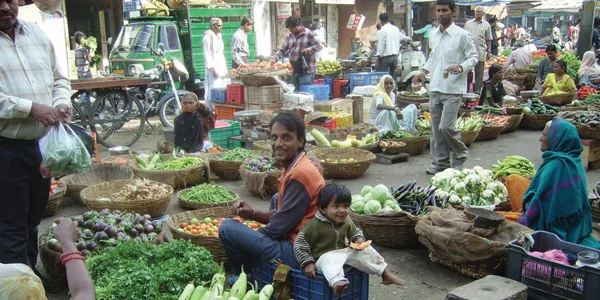
The Nethaji market photograph provides context for produce and everyday shopping in Erode. It belongs to an earlier day, so establish the market's current layout, accessible section and activity in person. Keep paths and stall fronts clear, and seek permission before taking close photographs of people at work. The purpose is not to visit every seller in order or buy every item seen. A measured look at a few seasonal products and the relationship with a city meal can be sufficient. If arrangements or location have changed, do not try to force the old image into the present visit. Keeping the market portion modest before lunch can reduce a longer walk during hot hours. Working urban places deserve attention to the people using them, just as historic sites deserve attention to their rules. Spending a long time photographing one stall is not compulsory.

The city day and lunch: select a few manageable interests
After the market interest, organise the city day around short practical connections. If adding a museum or historic site, establish its current address and access conditions from district information first. Do not place every regional name beside the next as if all were walkable from the city centre. The first full day is not intended as an exhaustive monument list: a working-city look, a comfortable meal and a short local walk can make a coherent visit. Give a return to the room or an indoor pause its own allowance at lunchtime. Confirming the following day's Bhavani transport that evening helps avoid setting out with only a broad river name as the destination. Historical or commercial interests can be extended if they matter, but a new substantial visit should not simply replace the planned rest. Flexibility comes from leaving some hours unassigned.
Bhavani: treat the confluence as a separate direction
District heritage information identifies Bhavani Kuduthurai and Sangameshwarar temple in relation to the river confluence, as a separate place to consider. If heading there on the second full day, arrange the journey from the city and the return beforehand. Establish worship, clothing and photography rules at the temple setting; not every river-edge section is a public sightseeing route. A view of water does not establish safe or permitted entry into it. When water levels or access have changed, remain satisfied with a shorter look from an allowed path. Treat religious accounts of the confluence within their belief setting rather than claiming a definite health or wish-related result. Choosing this direction as one manageable outing can be more comfortable than adding distant dams simply because they also appear in a district visitor list. Keep the area's actual place name clear in the day plan.


Kumarapalayam bridge context and the return connection
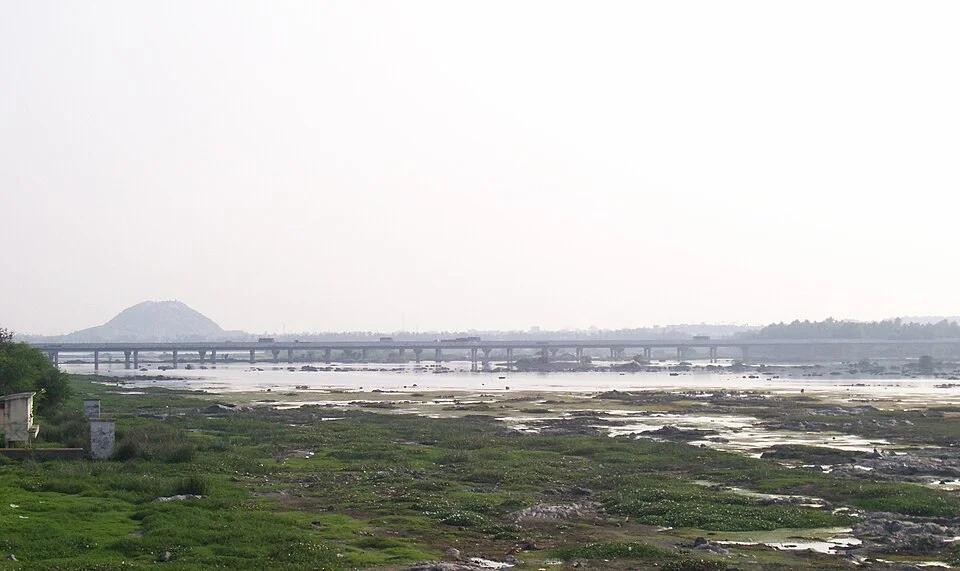
The Kaveri bridge photographed from Kumarapalayam provides another view of connections around the river. It is not labelled as a photograph taken in central Erode. If adding a brief bridge or opposite-bank look to the Bhavani day, establish the actual route and permitted stopping point through local transport information. Standing in traffic, entering railway land or stopping unsuitably on a bridge is not required for a photograph. Avoid building the second day solely as a vehicle circuit of numerous water points: one confluence interest and a meal on returning can be enough. Other district places such as Kodiveri are not automatic additions to this small city plan. They require separate access, weather and transport research. The river day keeps the names distinct so that the scenery being observed and the city containing the accommodation remain recognisably different locations.

A concrete meal: rice, sambar, idli or dosa
Official Tamil Nadu visitor cuisine context provides a starting point for rice, pulses and idli or dosa choices. In Erode, consider idli or dosa at breakfast when offered, and rice with sambar for a main meal. These dishes are not presented as one exclusive city invention or an identical recipe throughout Kongu kitchens. If connecting produce interest with lunch, start from what the establishment is actually preparing that day. An older photograph of food on banana leaf does not promise the same presentation at every restaurant. Establish accompaniments, portion and ingredient requirements from the menu and kitchen. Lunch on the city day can provide a rest, while dinner after returning from Bhavani can be a lighter conclusion. A rice meal and a separate breakfast can give the stop a concrete food frame without ordering a long succession of dishes.


Accommodation and day four: preserve the onward allowance
Choose an address for three nights by comparing the actual arrival stop, city day and departure point of the Bhavani vehicle. With an early onward ticket, arrange the final morning's transfer ahead of time. Nearby meals and late check-in arrangements may be more useful than a connection that looks short only on a map. Day four remains for breakfast, luggage and departure; adding another distant water structure that morning can reduce the allowance for leaving. Sources were checked on 5 October 2026, while current market arrangements, worship access and transport must be confirmed for the travel date. The Stork's Erode suggestion gives the working city a complete day, plans Bhavani's river context separately and uses rice-based meals as comfortable pauses. Four days can support a visit that respects actual place names without claiming the entire district or promising unchanging views along its waterways.