

Planning Fiji begins with questions beyond a beach photograph: where will you spend the first night, how much room will you leave before an island connection, and how many days will you actually live in the same place? The Tatilmerkezi Stork enjoys palm shade without turning a short holiday into a race to repack a suitcase. For a first-time visitor, this country's guide focuses on choosing between Viti Levu and one outer-island region. Rather than claiming to cover every town and island, it brings accommodation nights, transport stages and meal breaks into one framework. The five photographs record real Fiji scenes in the years stated in their captions; they do not verify current facilities or sailing schedules.
Arriving in Nadi: keep the first night out of a connection race
Tourism Fiji's transport introduction includes hotel transfers, rental vehicles, buses and taxis. You do not have to use every option in the same journey. On arrival in Nadi, the important decision is whether the airport-to-accommodation transfer and an onward island connection belong in one compressed time slot. Spending the first night on the main island may give a delayed flight some room. With a booked transfer, establish how flight monitoring, waiting and the collection point are described. Do not expect the entire holiday arrangement to become automatic the moment you leave the terminal.
Nadi town, the Wailoaloa coast and the Denarau connection area can serve different accommodation aims. A town-oriented choice can support errands and meals, a coast-oriented choice can support rest, and a connection-oriented choice may fit the next movement. None is automatically the best area for every visitor. For a two-night stay, count the total transfers before comparing room views. A daylight arrival and one nearby dinner create a more legible first day after a long flight than immediately trying to catch another vehicle or boat. Keep the first night tied to the arrival you can realistically organise.
Yasawa and Mamanuca: give one region its own nights
The Naviti photograph belongs to the Yasawa islands; it cannot be presented as a stop next door to Wailoaloa. When comparing an outer-island stay in Mamanuca or Yasawa, look beyond water colour. Compare the departure point, any final transfer to a smaller vessel, baggage conditions and how the return connects with your flight. This guide does not freeze operating days, prices or weather-dependent services into permanent advice. Examine the provider's dated information alongside confirmation from your accommodation.


Giving a first visit three nights at one outer-island base creates a different holiday from checking off two regions with one night each. The first island day can centre on settling in and resting by the coast; the next can hold one activity whose conditions and access are confirmed; the third can leave room for a meal and an unhurried local programme. A scenic photograph does not establish that swimming or a water activity is safe. Current signs, weather, sea conditions and the operator's rules determine the decision. An island looking peaceful does not mean every season or every coastal location has the same conditions. Leave the activity choice open until those details are known.
Viti Levu's coast: Navua points to another accommodation decision
The 2014 photograph near Navua records the southern coast of the main island. If you change accommodation eastward from the Nadi area, distinguish a travel day from a sightseeing day. Drawing a line along a coast does not mean the whole coast fits into one afternoon. When changing bases, allow separate space for luggage, a stop and a meal. Choose a landscape pause rather than turning every visible beach into an additional activity. This is a way of making the programme's load visible, not a claim about a fixed journey duration.
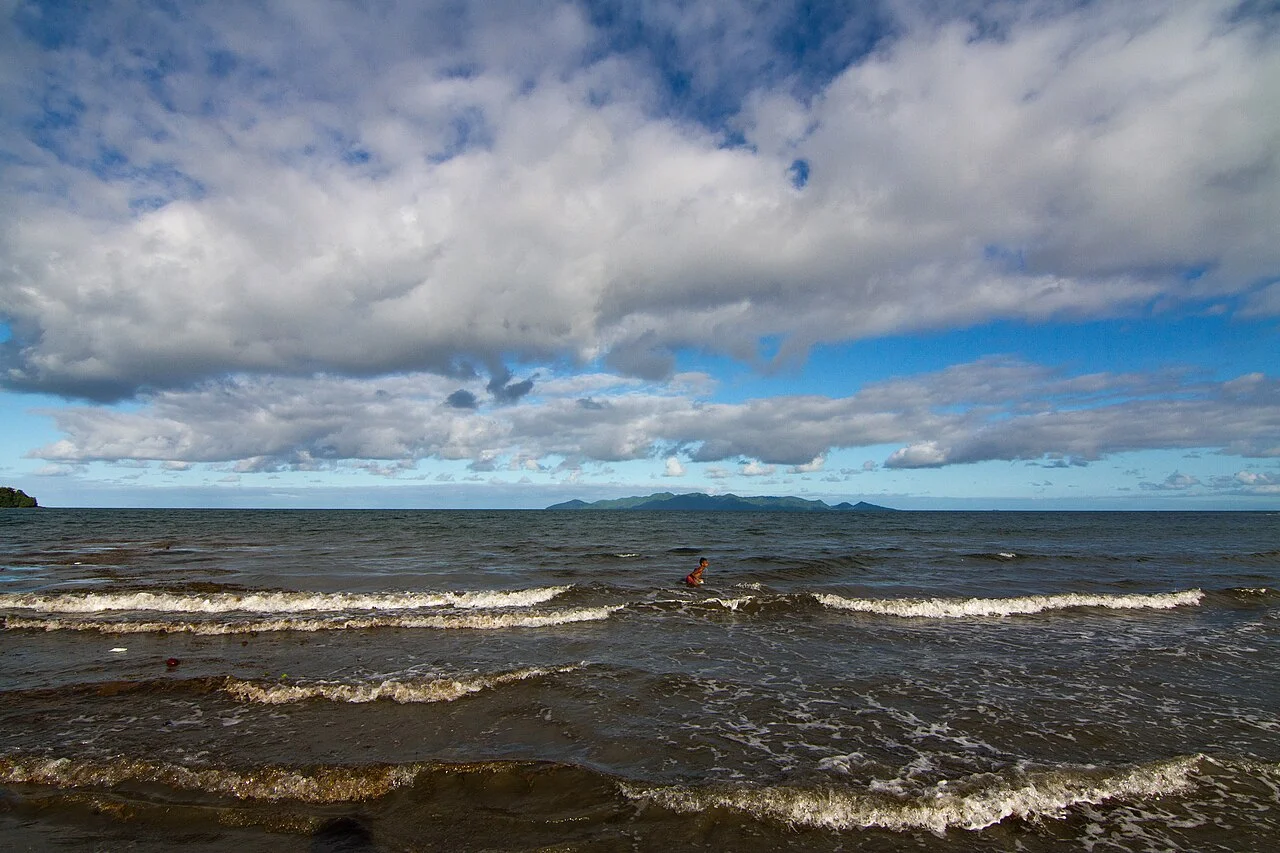

Coral Coast, the Navua area and the direction of Suva are different main-island possibilities, not compulsory additions to an outer-island programme. A traveller with one week can make one of them the main focus. Understand whether dinner will happen within the accommodation or elsewhere nearby; a beach photograph does not prove that restaurants are reachable on foot. With family or substantial luggage, fewer accommodation changes may provide more comfort than they would for someone travelling with a small bag. Build the programme around the actual rhythm of your companions. The same map can support different holidays without requiring everyone to make the same choice.
Suva: a city day beyond a harbour view
The Suva harbour photograph dates to 2017; it is neither a ferry timetable nor a current terminal guide. If you include Suva in a country itinerary, give it a transport and accommodation decision. Rather than crossing the main island and returning only for a photograph, treating the city as a night or a separate section may make the programme more coherent. One cultural focus, a meal break and a coastal view are enough to frame a city day. Choose a venue after reading its current opening information through the institution's own official channel. A longer list of names is not the same as a better experience.
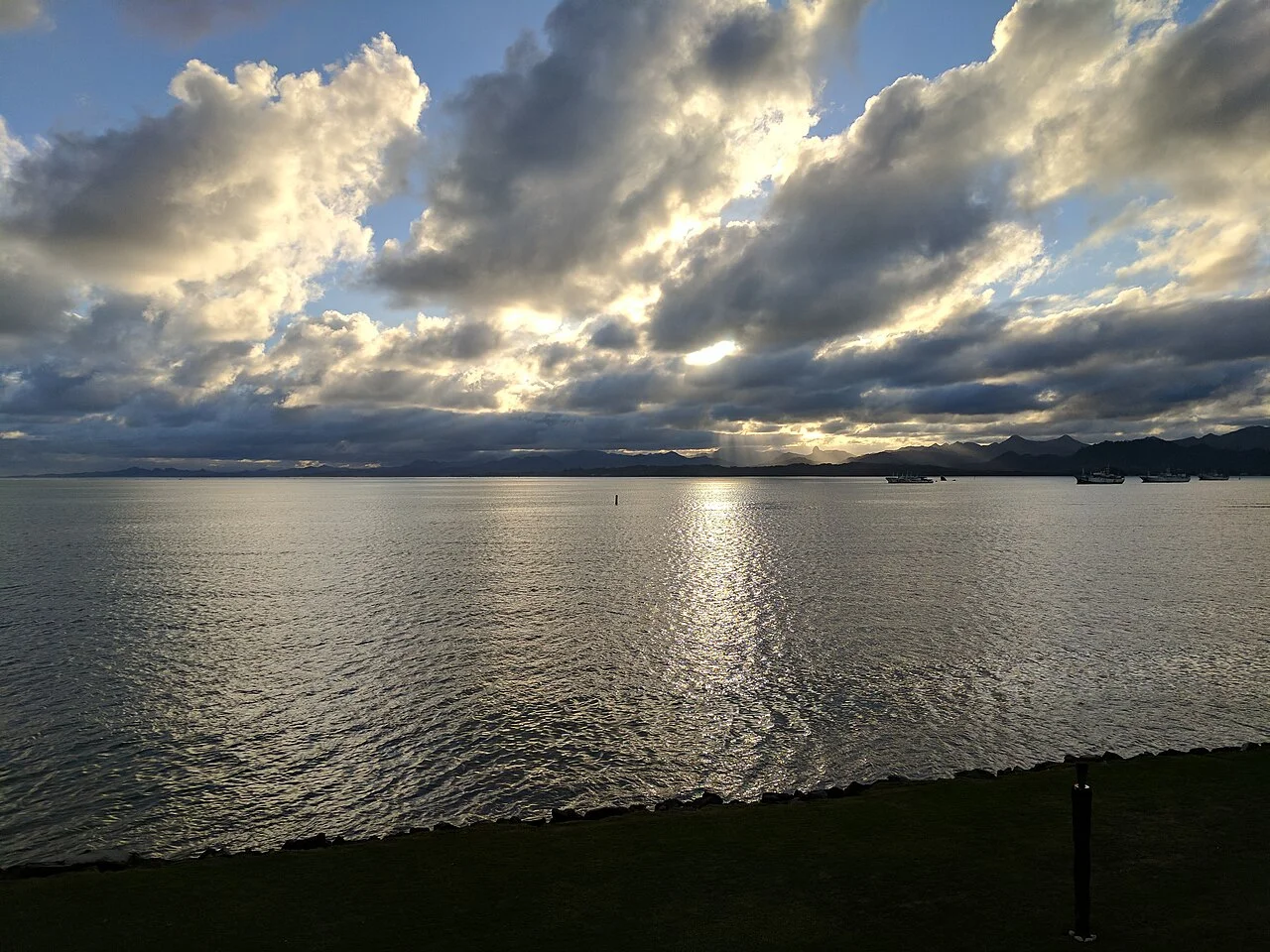

This country guide and a separate Suva city guide do different jobs. The question here is whether there is genuine room for the city in your week, not how to describe every street. If time on an outer island is your priority, leave Suva for another journey. If urban life and a main-island road programme interest you more, reduce the number of island moves. Both approaches can work as planning choices. Adding Nadi, the southern coast, Suva, Yasawa and Taveuni to the same short framework postpones the choice rather than solving it. Decide what you want the days to feel like before increasing the number of destinations.
Taveuni: a different island needs a different time budget
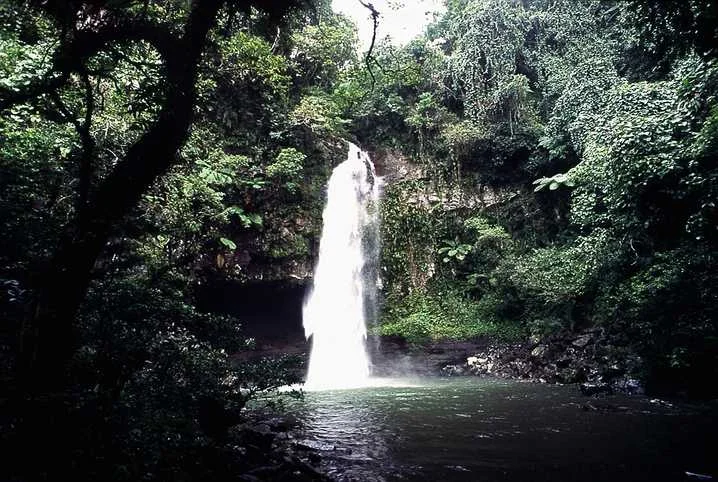
The waterfall photograph on Taveuni was taken in February 1996. Its source does not identify a particular park or named waterfall, so this guide does not attribute it to a famous visitor site. Today's walking access or entry into the water cannot be established by that old image. If Taveuni interests you, research it as a separate section with its air or other connections, local transfers, accommodation and access conditions. After choosing another outer-island base, do not treat Taveuni as a free additional stop; it represents the start of another travel model with its own nights and movements.

Kokoda, lovo and room for meals
Tourism Fiji describes kokoda as a fish dish prepared with citrus and coconut milk, and lovo as cooking underground with heated stones. Root crops such as cassava and dalo also belong to local tables. If you want a lovo evening, choose the day around the return and accommodation arrangements as well as the activity's name. When considering kokoda, compare it with the other main dishes and let it become one meal's focus. This food introduction does not say that a particular food suits every person or every dietary need.
The seven-day example uses day one for arrival in Nadi, day two for a short main-island programme, day three for reaching the selected outer-island base, days four and five for staying there, day six for returning to the main island and day seven for departure. Suva and Taveuni are not added to these seven days; including either requires changing the outer-island section. At the 4 October 2026 source check, FCDO advice states that the cyclone season is usually November–April, although cyclones can happen outside those months. Allow for weather-related connection disruption. Verify entry, customs and passport-specific conditions with the competent authority, and avoid compressing air and boat connections into the final night. The Stork's invitation is to leave real time at your chosen coast and table rather than collecting more island names.