
Two museum days: compare palace interpretation with fort history
Tatilmerkezi's Stork does not reduce Kumasi to one market photograph or a brief inland pause on a Ghana tour. This city guide builds two complete cultural days: Kumasi Fort and Military Museum on the first, followed by Manhyia Palace Museum after confirming current access on the second. Three nights in one room allow an arrival evening, two full visiting days and a departure morning. Change the allocation if your actual ticket provides an earlier arrival or later departure. It is neither a flight timetable nor a promise that institutions keep identical daily hours.
Follow the difference between the two centres through one question: how does an object in a fort tell the city's past differently from an object in a palace? Connect labels and a guide's interpretation to that question. Paying attention to two selected objects can reduce fatigue compared with exhausting every display. One building or photograph cannot complete Asante history. Separate interpretation from your own assumptions and ask staff about dates you do not know. This guide does not simply enlarge the country article's short Manhyia-and-Kejetia branch; it makes the fort a separate day's principal institution and serves a comparative reader need. Distant villages, lakes and rural weaving excursions are outside these two urban days.
Kumasi Fort: the first day’s principal institution
Ghana Museums and Monuments Board identifies Kumasi Fort and Military Museum within Uaddara Barracks and connects it with Asante and colonial conflict narratives and a military collection. The official page's apparently old price and a contradictory date line are not copied here. Confirm current admission, guiding, accessible sections and visit duration with the institution before assigning the first morning. The fort and barracks surroundings are not one unrestricted access area. Ask which gate serves visitors and establish photography and belongings rules; a permitted museum visit does not imply free movement around military premises.
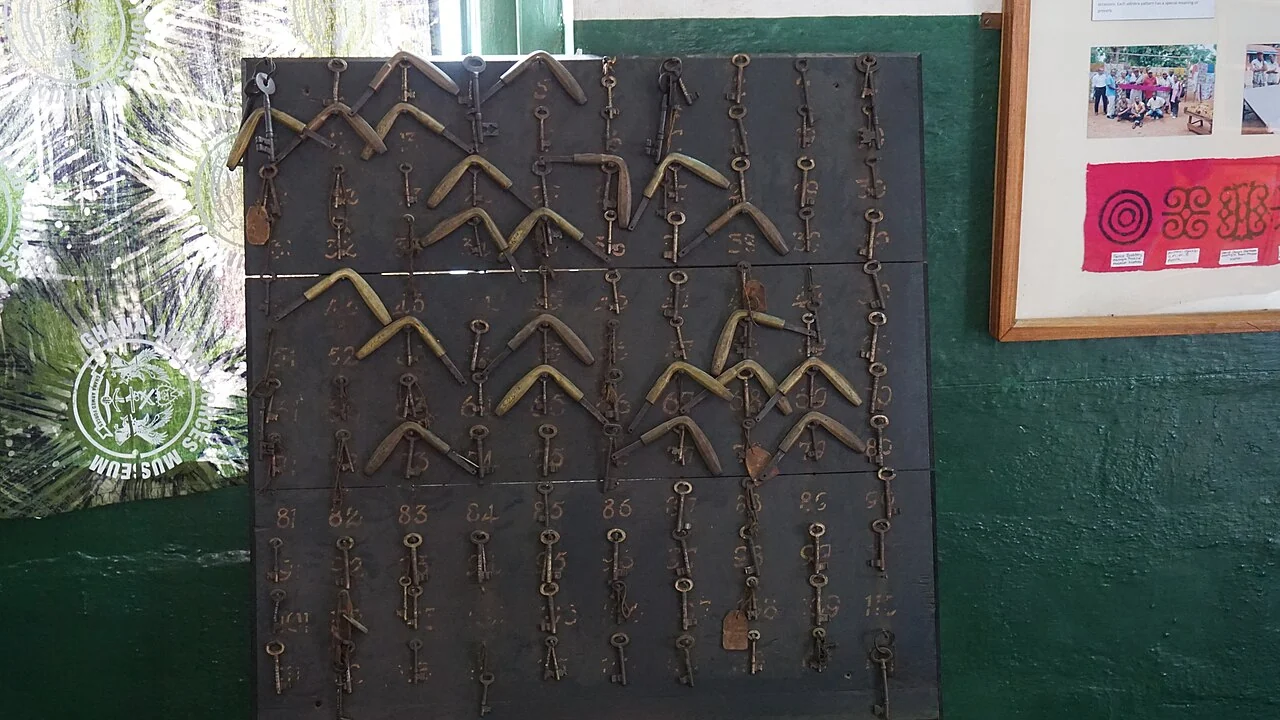

Follow the relationship between a material, its use and the event being interpreted. Displaying a weapon or implement does not mean that it alone represents an entire period. Note what the label establishes and ask which explanation remains missing. Discuss violent history with children in an age-appropriate way, allowing a shorter stay in sensitive sections. Arrange seating and a meeting point for anyone unable to stand for long. After completing one institutional focus towards lunch, move to food and rest. Adding the second museum that same afternoon would remove the useful interval reserved for thinking about the comparison over two different days.
Manhyia: a slower palace museum visit on day two
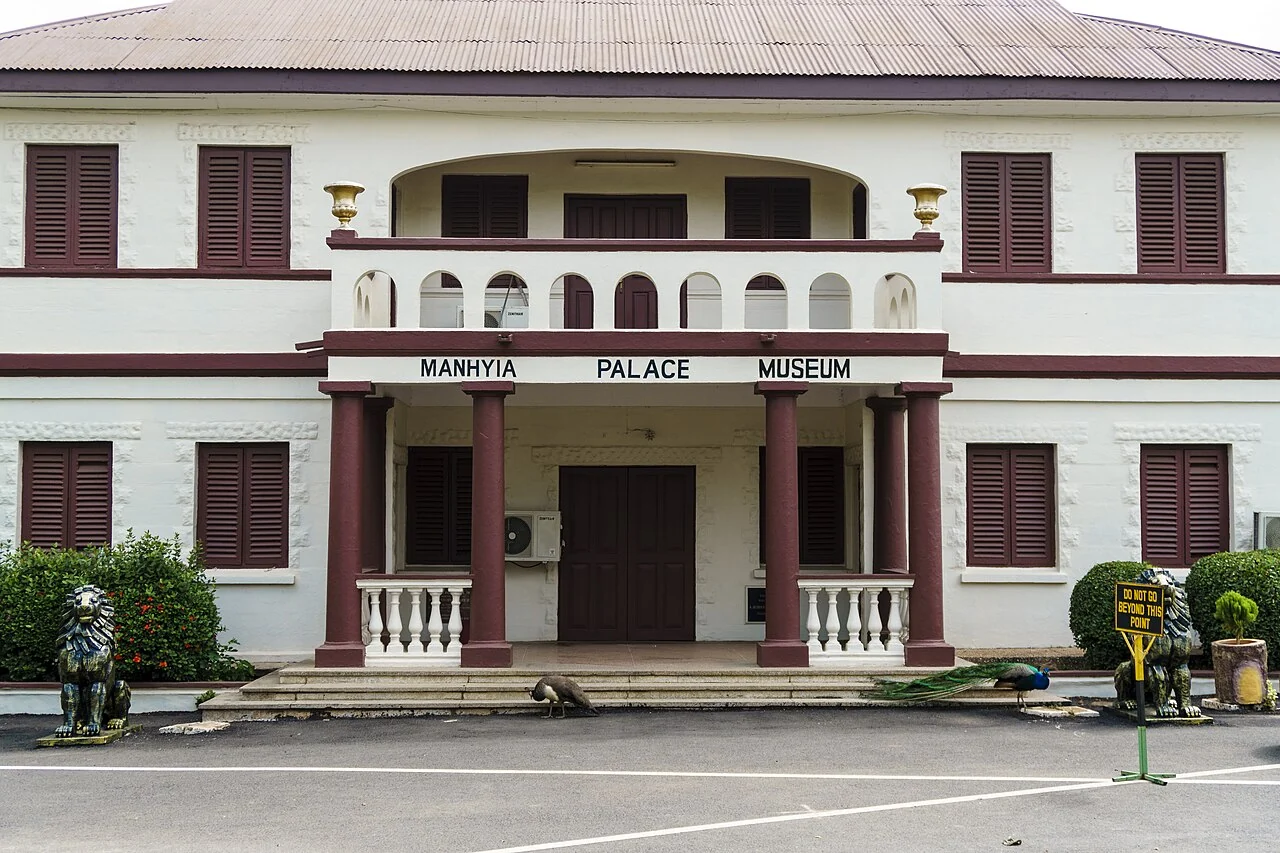
The official Visit Ghana page locates Manhyia Palace Museum within the palace premises in Kumasi. Confirm current institutional access for day two and separate the museum visit from the working palace. Do not assume that every courtyard or meeting space admits tourists: your visit is not a royal audience or ceremony ticket. At the entrance, ask about the language of interpretation, photography arrangements and available rooms. Comparing how a material chosen in the fort is interpreted here can create a more useful reading than simply counting objects.
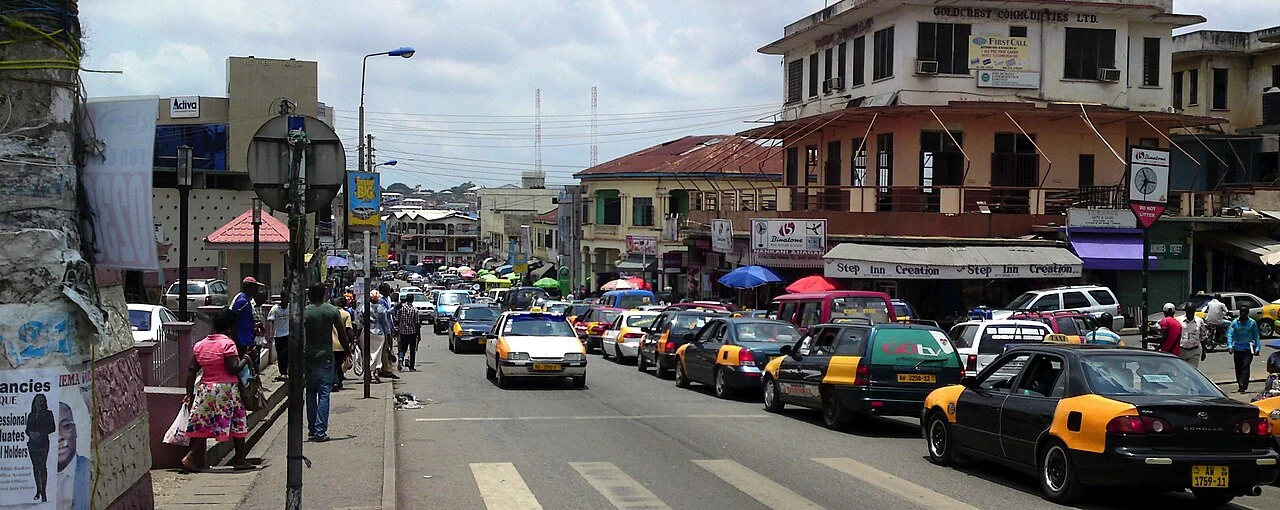

A label or guide may emphasise palace memory, family history or governance. Establish which event is explained through sources and which detail is a representation; a figure or model is not a photograph of a living person. No older information about rulers or ceremonies is turned into an event expected on your visiting date. Afterwards, choose one short urban walk or seated pause. Discuss the meeting place and return vehicle before entering busy streets. Bring yesterday's fort notes and record the different answers the institutions give to the same question. Add a cultural centre or market only after confirming access and time; the main two-day framework does not depend on these extra stops.
Fufu and nkate nkwan: the meal after the museum
Ghana's National Commission on Culture associates fufu and nkate nkwan, groundnut soup, with its account of Ashanti and Eastern regional food. When the combination appears on a real Kumasi menu, establish the dough ingredients, meat or fish in the soup and portion size. The regional example is neither a promise of daily service at every restaurant nor a recipe exclusive to this city. A traveller with a peanut allergy needs more than the soup's name and should discuss ingredients and preparation contact explicitly with the business. Appearance or serving temperature alone cannot establish dietary suitability.
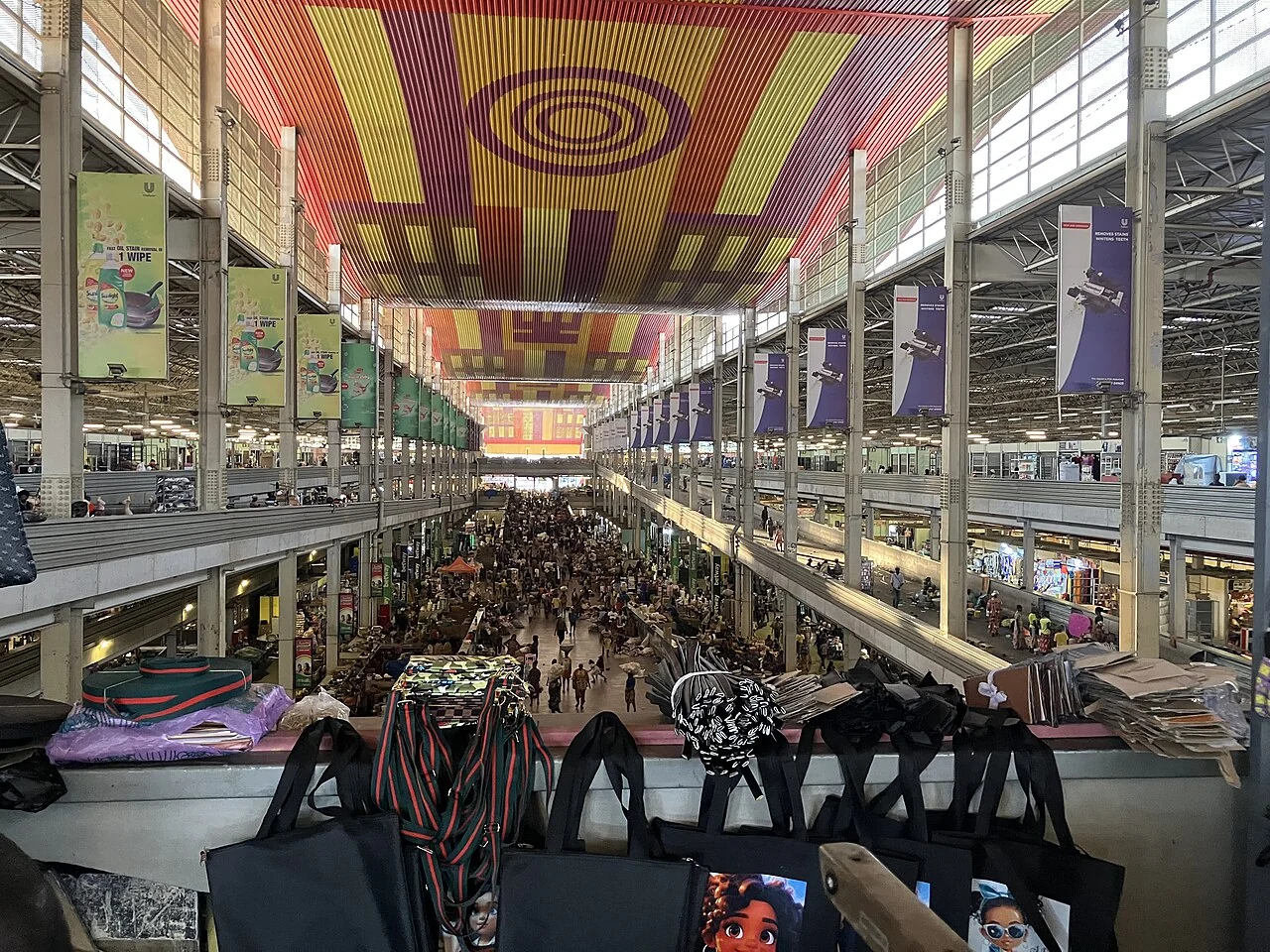

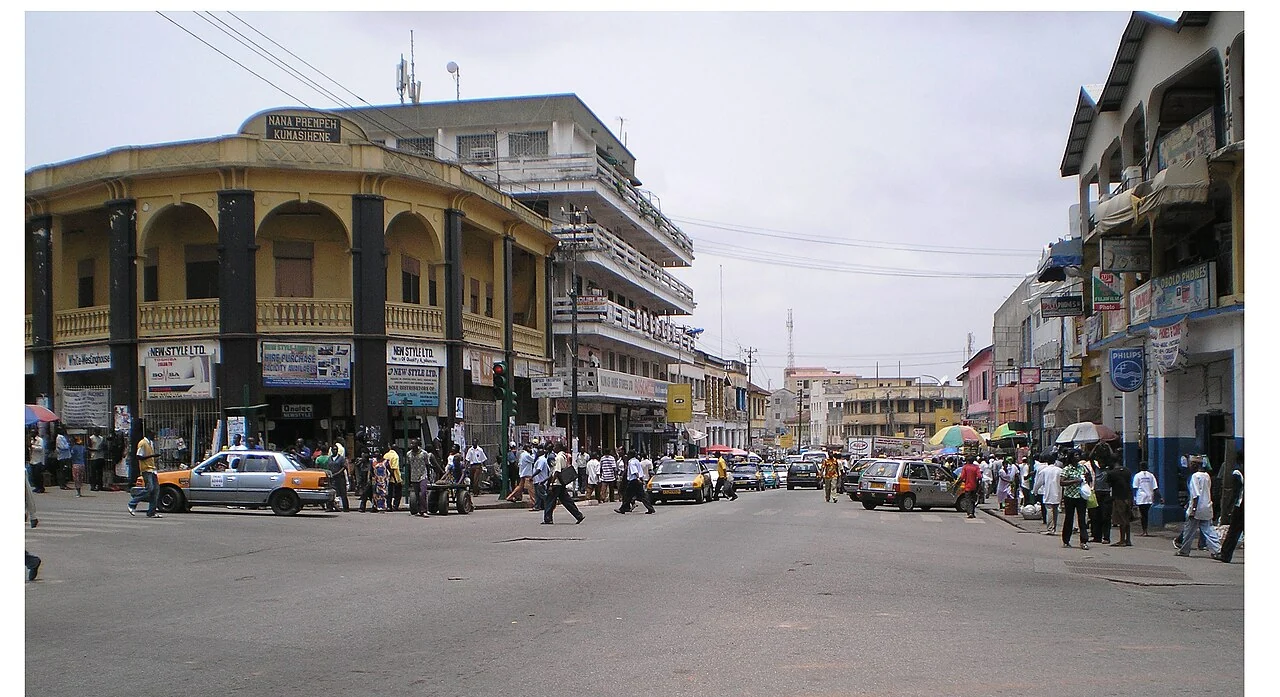
Day one's fort visit can lead to a longer lunch, while the palace visit on day two may suit a simpler meal. Allow sharing and rest rather than ordering two substantial dishes close together. When meeting a guide, connect the meal's end with an actual vehicle arrangement instead of relying on rapid service throughout the programme. Discuss drinking water and a familiar option for children in advance. If a market setting interests you, shopping and prepared-food sales are different activities; the market photograph here does not depict a particular dish or business. Talking over two questions left by the fort and palace can make the table a meaningful continuation of the cultural day. Keep enough time to return to the room base with dependable transport before the day closes.
Arrival, one room base and dependable connections
The airport operator presents Kumasi's airport as Prempeh I International Airport. When flying, check your actual dates, baggage and connections through the carrier's own search; the word international in the name does not prove a direct flight from every foreign destination. For road arrival, match the terminal on the real ticket with the hotel's meeting arrangement. Do not assume beforehand that arrival leaves enough time for a museum. A late arrival should leave the first evening for rest. Evaluate room entrance access, steps, night-time vehicle returns, a dependable meeting and food access before the view.

Staying at one address for both museums reduces baggage moves, but apparent map proximity does not guarantee an easy walk. Obtain a written daily transport arrangement compatible with visits and meals. Observe the road and belongings precautions in the official FCDO material checked on 4 October 2026: night travel and displaying valuables in crowds should not become ordinary sightseeing choices. Photography restrictions around military or official sites are particularly relevant to the fort day. Confirm entry and health documents applicable to your passport separately with responsible authorities. Leave the final morning for breakfast, luggage and the actual departure rather than another distant stop. The cultural comparison between two institutions can then finish without being cut short by a race to leave.