
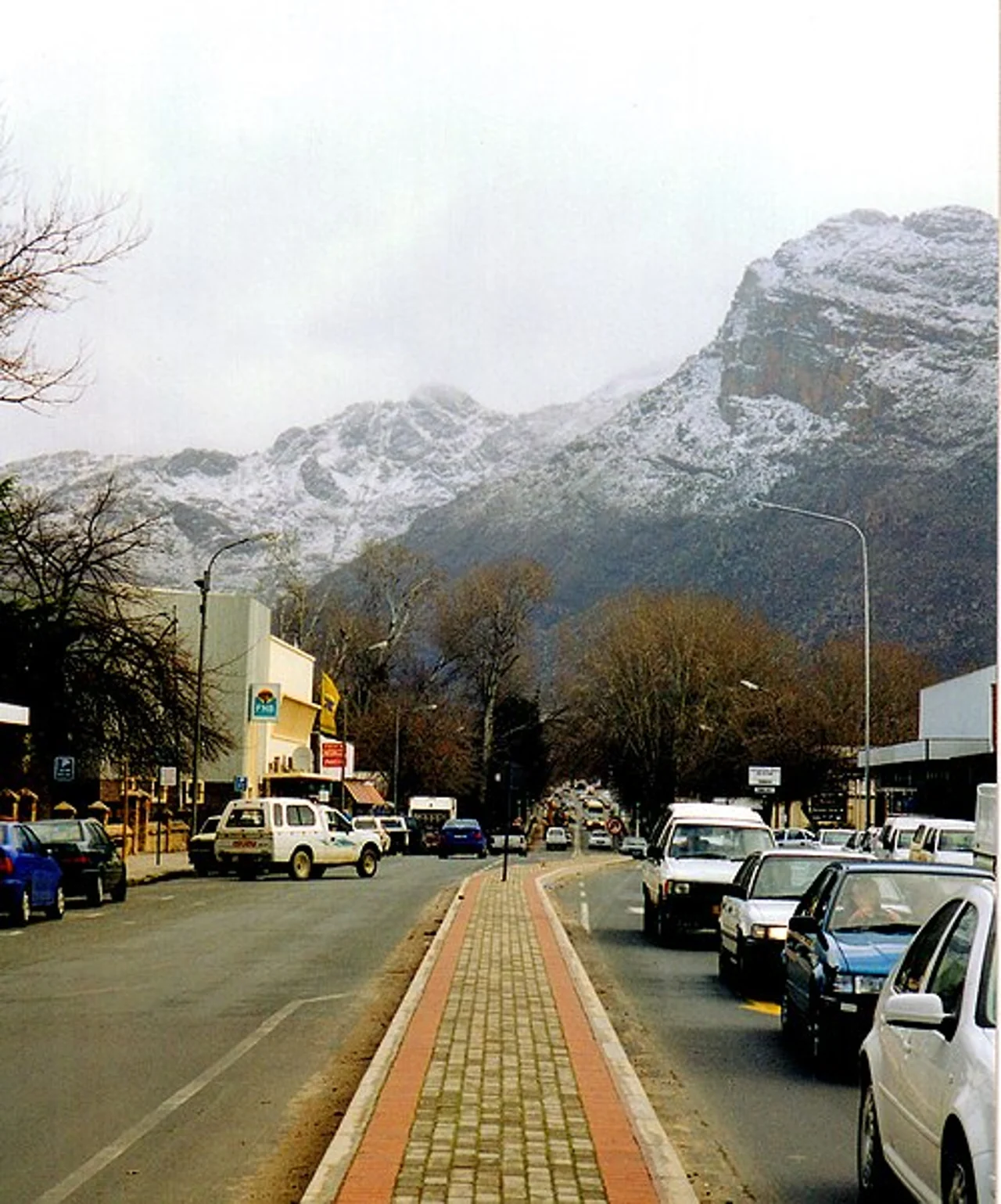
Ceres: different journeys of goods and people
The Tatilmerkezi Stork comes to Ceres for more than a mountain view. Togryers Museum in this Western Cape town interprets transport wagons and the town economy while also making room for experiences of forced removal. Reading those focuses together shows that movement does not mean the same thing to everyone: goods move for trade, while people can be displaced from their homes without choosing to leave. This guide addresses an identifiable town-museum need rather than renaming a fruit-valley tour. It compares the material organisation of transport with its social consequences, using the collection's own explanations rather than invented personal stories about the objects.
Begin with two nights across three calendar days and one complete museum day. Arrive and settle on the first day, use the second morning for freight and the afternoon for forced-removal interpretation, then depart on the third day. This does not provide two different museums or two full visiting days. Add a third night if a longer valley break is useful. Weekend and public-holiday access requires an appointment according to the institution, so connect access to your actual dates before choosing the room. Seeing the exterior during a closure does not mean the collection section of the visit has been completed.
Morning: read a wagon as part of a road system
The museum's transport account describes African and European transport riders trading goods by wagon and explains the role of connections through Ceres in the town's development. Look beyond a striking wheel: consider the relationship between chassis, axle, floor and load-bearing body. The institution explains how parts allowed movement on uneven ground. That information connects an object to roads, freight and maintenance rather than leaving it as a fixed display image. Use the function and period identified by an actual label; do not assume that every wagon belongs to the same era or travelled the same route. A question about load and terrain is more useful than inventing a dramatic journey.
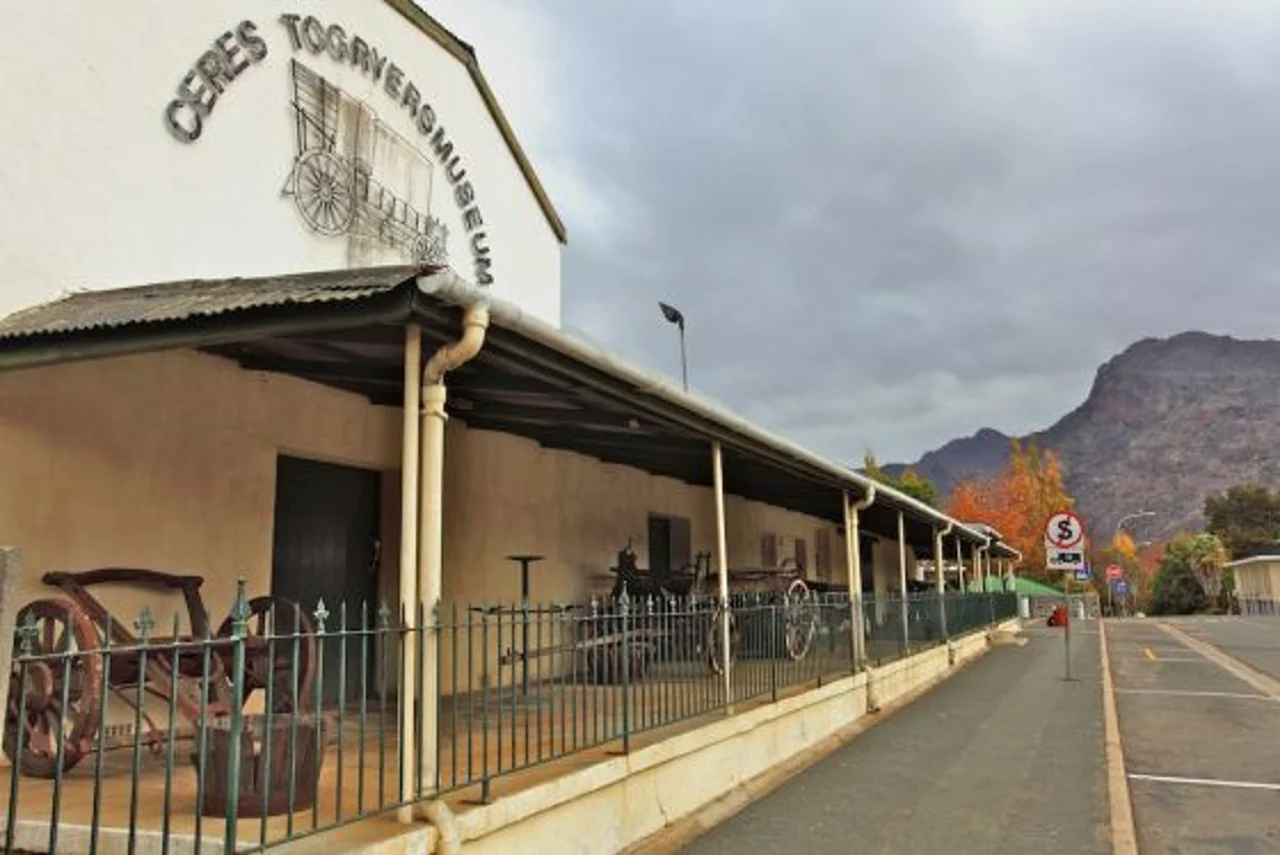

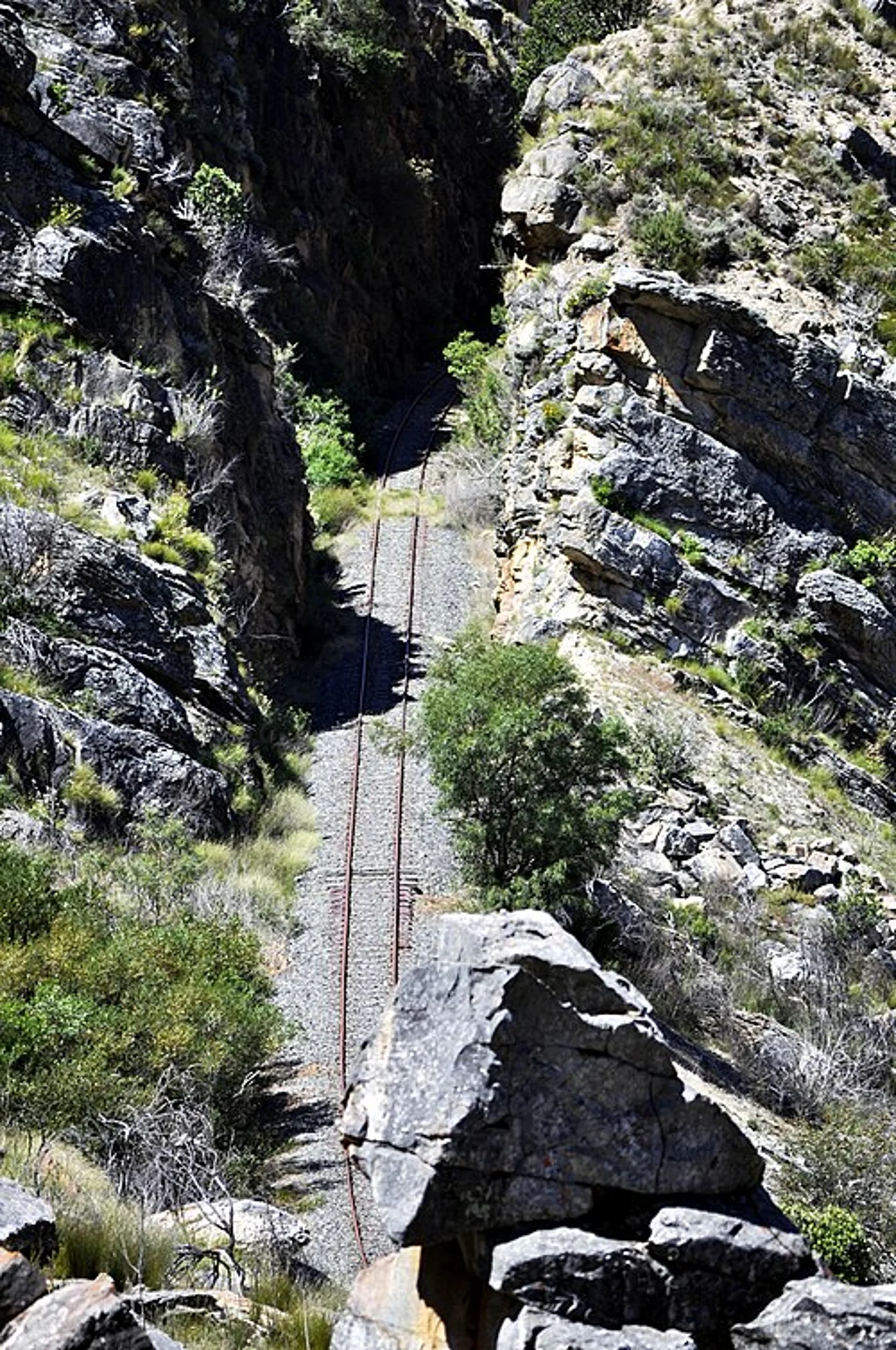
Resting places near water, care for animals and the movement of goods make transport more than a line between departure and arrival. Families could consider how a load might be arranged before leaving, while adults note how difficult roads affected trade. The wagon outside the museum supplies exterior context for that question. Treat the photograph of an old railway corridor as another transport trace, not proof of a current passenger service or a public walking right. Entering tracks is not necessary to understand the historical account. Build the present-day travel connection separately from the connections explained by the collection.
Afternoon: leaving home without choosing to
Togryers Museum's forced-removals page explains how apartheid legislation directly affected people in Ceres. Rooikamp and Sakkiesbaai, Zwartvlei and Nduli are not interchangeable scenic names: they open different community histories. After reading wagon movement as economic activity, ask who made the decision to move in this section. Where a document, home or personal account is interpreted, preserve the date and context supplied by that account. Do not compress a layered history of displacement into a single year or an identical experience for every person. This change of question gives the second part of the day a purpose distinct from the mechanical study of transport.

Allow a quieter pace here. With children, consider how a change of home, neighbours and school can affect everyday life without turning somebody's suffering into adventure material. Asking staff how a particular community's history is represented may be more useful than visiting neighbourhoods to collect photographs. The interpretation does not authorise an uninvited tour of the named settlements or establish current public access to every place discussed. Confirm photography and recording rules with the museum. Comparing movement used for trade with the consequences of involuntary displacement creates a clear connection across the two parts of this one museum day.
A Village meal: peri-peri chicken livers
The 2026 menu linked from The Village Ceres restaurant's own page includes chicken livers in a tomato peri-peri sauce with toasted ciabatta. It provides a concrete option to consider after the museum day if it remains available when ordering. Discuss spice, allergens and whether offal suits the group; the dish name does not establish that it works for everybody. This is not presented as a historic recipe unique to Ceres. It is an actual meal found in a local business's published menu, giving the plan something verifiable instead of a vague suggestion to take a food break. No price is invented or carried forward as a promise.
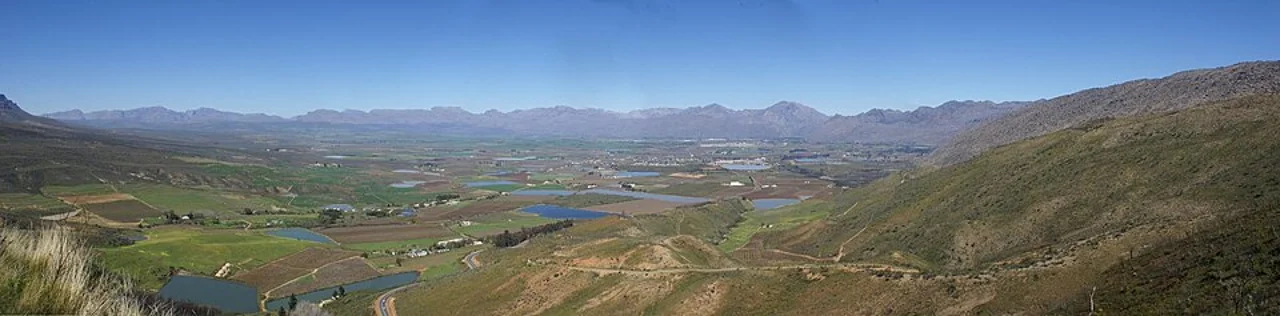

The business's published conditions restrict breakfast to resident guests or a special arrangement. A passing visitor should not assume automatic access to the guest breakfast. Confirm the booking requirement and kitchen service for the chosen date beforehand. Scheduling the table after the confirmed museum window can be easier than interrupting a short institutional visit for a meal. Tell the restaurant about children's needs, meat-free alternatives or other sensitivities directly. Town and valley photographs in this guide do not depict the restaurant interior or the chicken-liver dish; the genuine menu evidence is held separately in the source record.
Compare an Oranje Street base with a valley room
The museum gives its address as 8 Oranje Street. For one complete collection day, a central room may help with luggage storage and an afternoon rest; check the real pedestrian connection and evening return with the accommodation as well as the map. Include stairs, bathroom layout and parking in the booking questions. A room farther into the valley may offer a wider setting while adding transport between the collection and the restaurant. A photographed agricultural area does not establish that a particular farm welcomes guests or is open to the public. Choose the base for the actual day's needs rather than the widest photograph.
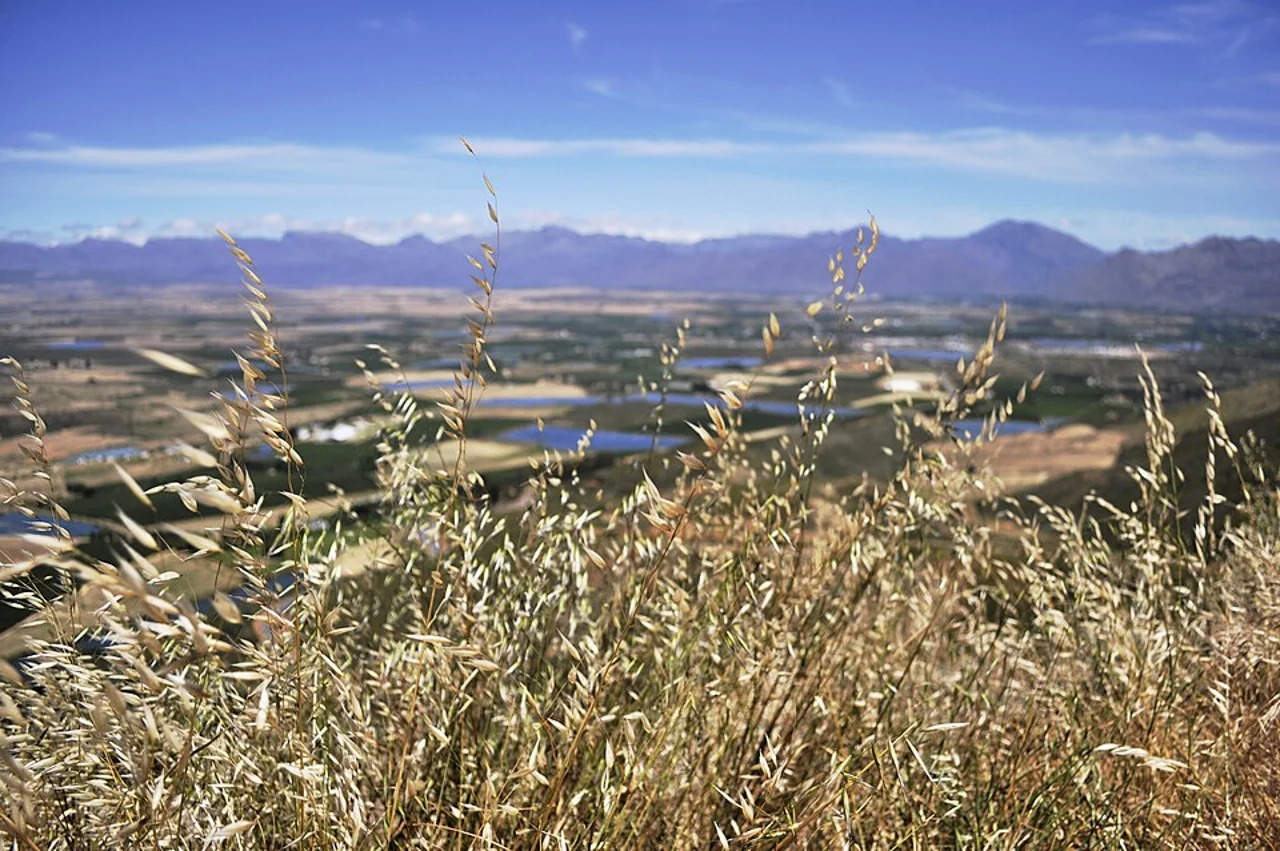

From Cape Town or another Western Cape stop, compare a hire car, an arranged transfer or a service confirmed for the date. No fixed train departure, continuously available app vehicle or inevitably short drive is assumed. If the plan uses a mountain-pass connection, check current road and weather conditions before setting out: reading historic transport does not verify the safety of today's route. Keeping the first day for arrival and settling in helps avoid rushing the museum access window the following morning. Resolve luggage, fuel and the final connection before adding a long new valley activity to the departure day.
Appointments and the question to take home
The institutional page observed on 5 October 2026 publishes weekday visiting windows and an appointment requirement for weekends and public holidays. Detailed classroom and education programmes are arranged services; their appearance on a list does not mean a visitor tour starts automatically every day. If interested, discuss the group's ages, language, duration and access requirements with the institution. An ordinary independent visit and a school activity should not be treated as identical. Prepare an exterior town reading if a closure or special use intervenes, but record that alternative accurately rather than calling it a completed collection visit.
The Stork's departure question is straightforward: how did goods move through this town, and when did people move without choosing to? Connecting the morning's wagon and road system to the afternoon's community interpretation can be more meaningful than collecting a long list of names. If time becomes short, choose one explanation from each focus and read it carefully. Two understood subjects are more useful than claiming complete coverage of every display. Current institutional information, a real local-business meal and a correct account of nights and calendar days together make this a town break with a distinct purpose beyond scenery.