

Limoges: from porcelain production to neighbourhood life
Coming to Limoges only to buy porcelain serves a different need from understanding how the material is worked. This guide chooses the latter: examine production tools and an object at Musée national Adrien Dubouché, then move to the street scale of the Boucherie neighbourhood. The Tatilmerkezi Stork is curious about the relationship between a shining cup and the labour that makes it possible. Plan two nights and three calendar days: a light introduction on arrival, one complete museum-and-neighbourhood day, and departure the final morning. A factory tour or rural producer visit is not automatically included in that programme.
Consider your station connection and accommodation address together for arrival. If coming through Limoges-Bénédictins, leaving luggage at the room first may be more useful than starting a museum visit with a suitcase. Obtain current public transport routes and the actual last connection from the operator; there is no single walking time for every visitor. On the first evening, take a short safe walk around rue de la Boucherie and choose a genuinely open place to eat. The evening's job is not to finish the old city but to establish the next day's meal options and return direction.
Adrien Dubouché: read a tool beside the finished object
The national museum's current practical page identifies Tuesday closure and a midday break. Use the address 8 bis place Winston Churchill; if arriving Tuesday, placing the full museum day on Wednesday can make more sense. Recheck the actual programme. Luggage rules matter too: do not assume that a large suitcase is a problem easily solved at the entrance; leave it at your accommodation first. Admission, a special event and a reserved guided tour are separate arrangements. It would be misleading to assume ordinary admission necessarily includes every activity offered by the institution.
The municipal museum portal describes machines and tools in a section devoted to production techniques. Before admiring the edge of a finished porcelain piece, consider the differences between shaping, firing and decoration. At a tool display, ask what movement was repeated and which part required precision. Then select an object from the collection and compare its shape with its intended use. Wanting to buy an object and learning its history are different decisions: a collection display is not a shop shelf. Actual pieces on view can change. A touch-based or practical workshop requires a genuinely announced programme and whatever reservation it specifies.
Boucherie: an open street and a house museum follow different calendars
The timber façades and narrow streets of rue de la Boucherie offer a different reading from the museum. Consider spaces used for living, selling and moving rather than production techniques alone. The municipal portal describes the traditional Boucherie house's regular opening period as summer, while the tourism office mentions visits by reservation during the rest of the year. Together these statements do not guarantee unannounced entry in October. Contact the tourism office first if you want an interior visit. The itinerary can still be organised around exterior façades and street observation instead of an uncertain door.
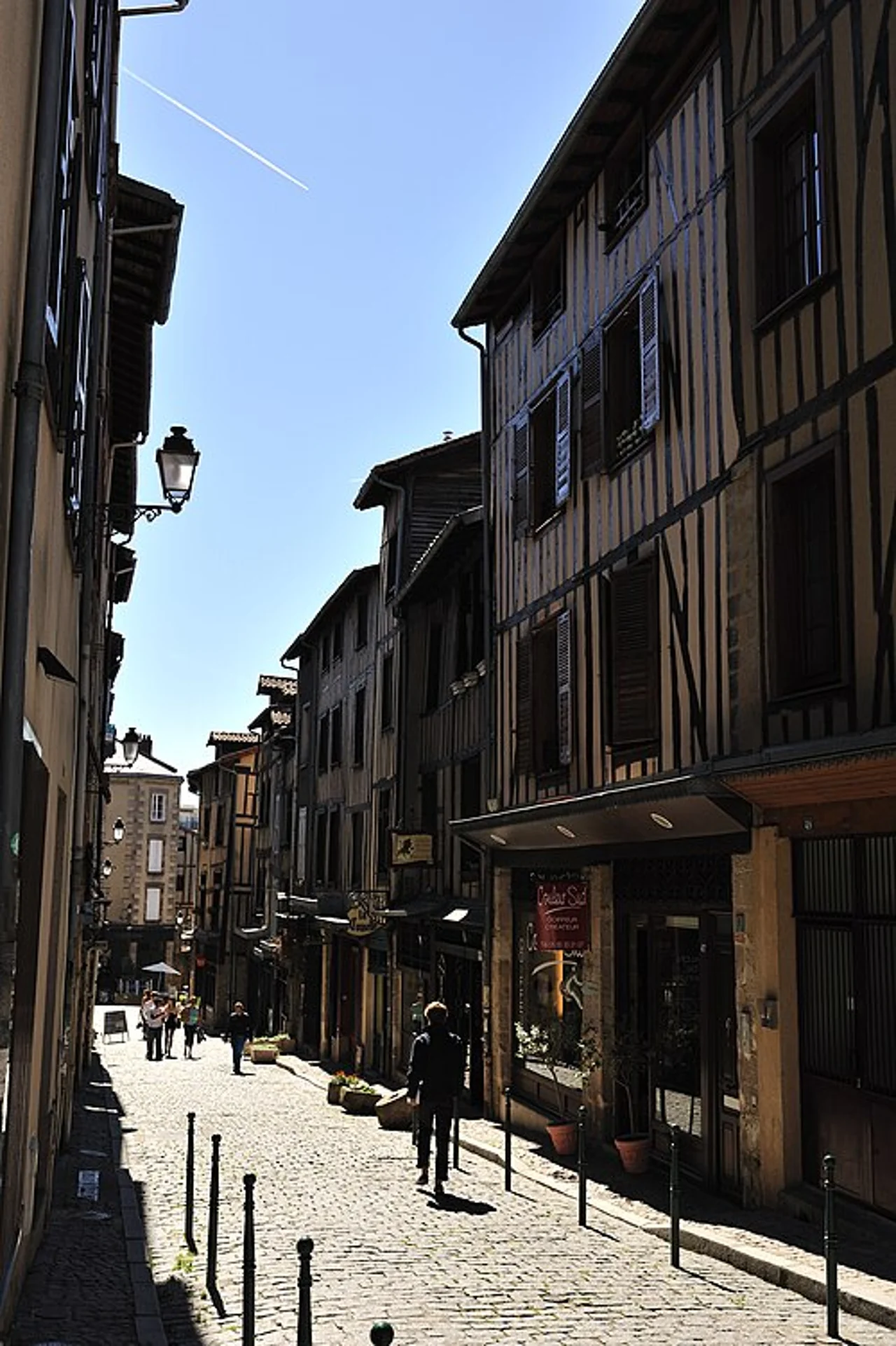

Photographing a doorway does not create access to every floor of a private house. Do not equate present businesses with names seen in historic street photographs; a façade's memory and today's trade are different subjects. Around Cour du Temple, read the change of scale between courtyard and street: a more enclosed view, different light and the arrangement of timber floors. If the actual entrance route is open that day, make a brief exterior observation; do not force access where a passage is restricted. This is not an imitation museum visit but another way to consider the city's materials and uses.
Cité: compare the stone façade with the street scale
After the principal museum and Boucherie focus, choose the exterior setting of Saint-Étienne cathedral in Cité if energy permits. The large stone façade works at a different scale from timber houses on a narrow street. If entering during a religious service, obtain the institution's visiting and photography conditions.
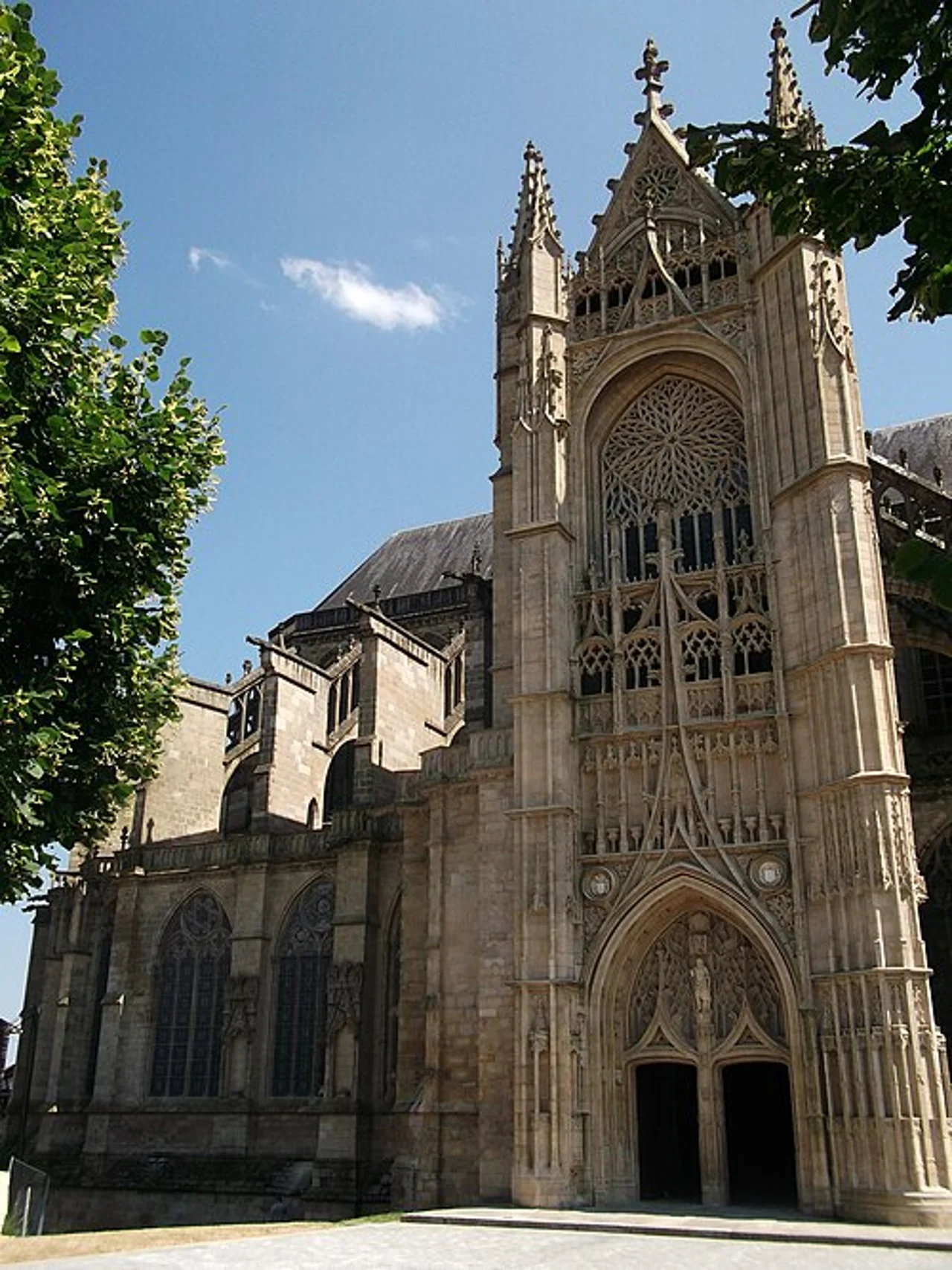

Jardins de l’Évêché: a short pause in the green setting
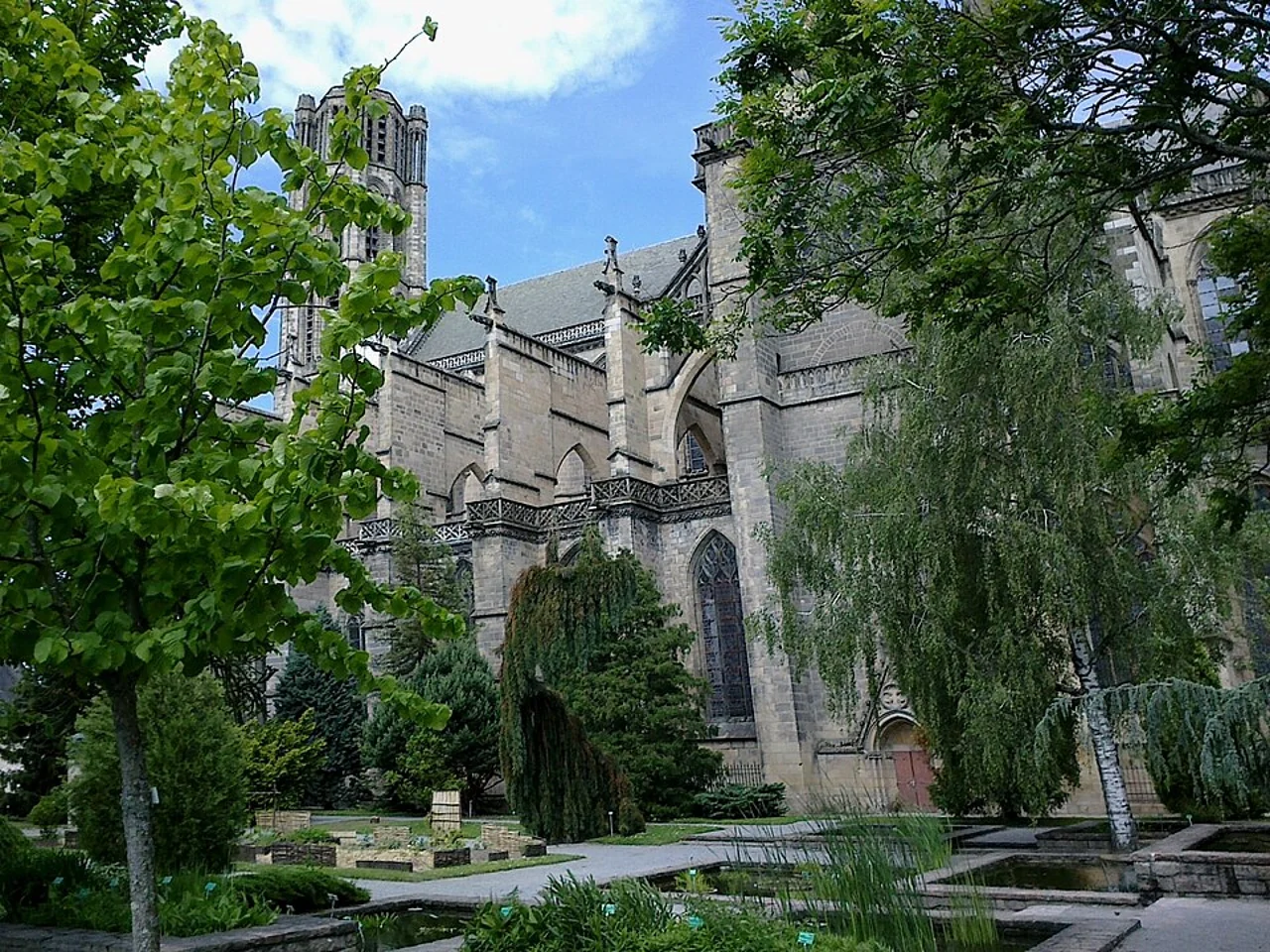
A brief pause around Jardins de l'Évêché helps show the cathedral's relationship with greenery rather than just its portal. This guide does not claim every garden section is simultaneously open, level or without obstacles; adjust the route to actual access instead of a scenic photograph.

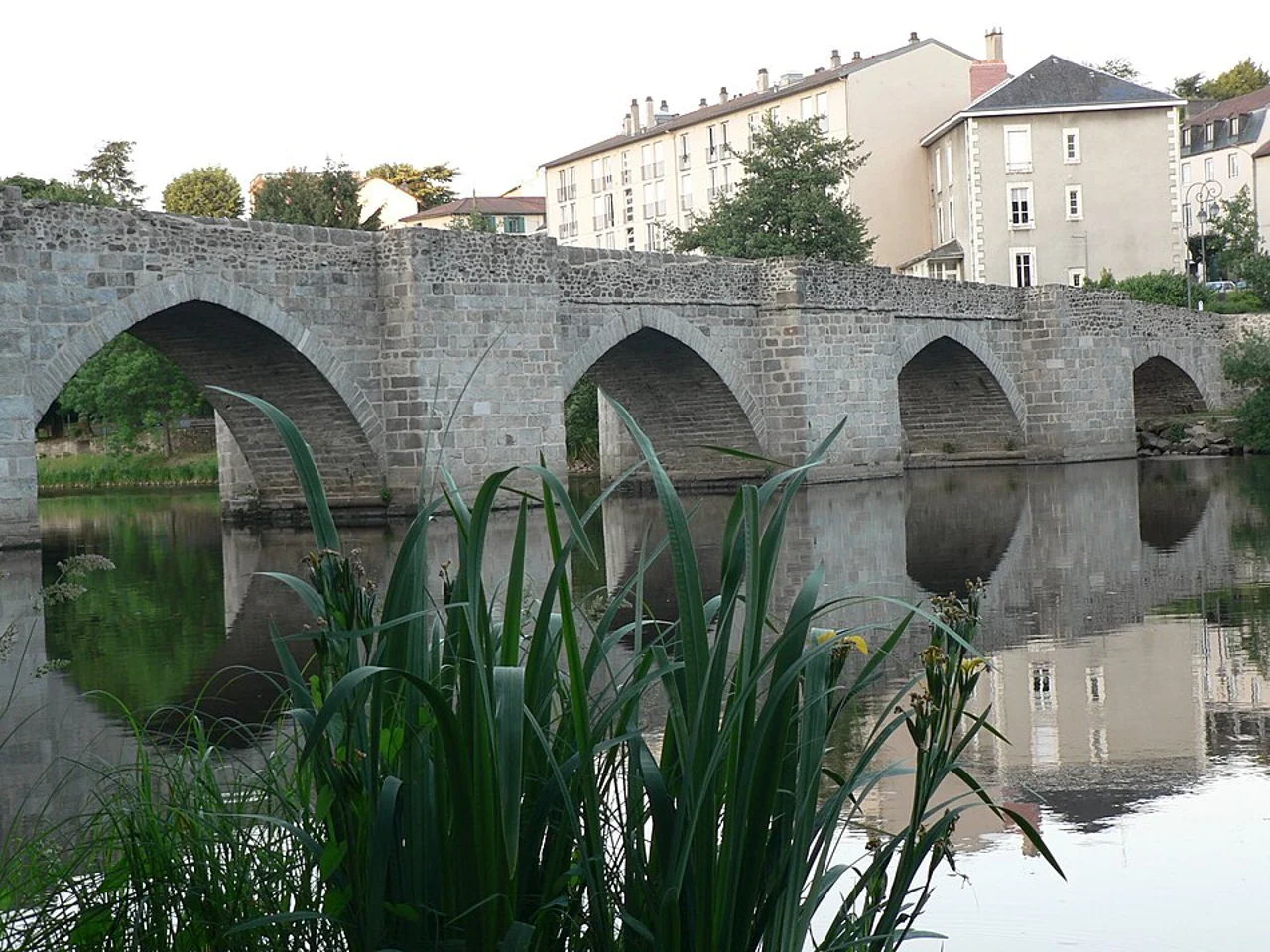
The Vienne: consider your return after the bridge
The Pont Saint-Étienne view beside the Vienne offers a lower viewpoint. Descending towards the river and returning to accommodation higher up may require different effort, so consider the return before organising dinner around the riverside. In rain, use a shorter alternative if steps or surfaces are slippery. Instead of forcing all museums and bridges into one full day, prioritise either the cathedral setting or the river loop. A bridge photograph does not establish current water levels or access along every bank path. Its purpose is to show the relationship between the crossing, houses and lower urban viewpoint.

Galétous and potato pâté: build a meal independently of an event
Destination Limoges's Boucherie description identifies specific regional foods including galétous, pâté de pommes de terre, clafoutis and flognarde. For a main meal, ask about potato pâté or a galétou option if present on the menu, then consider a clafoutis or flognarde example for dessert. These names do not appear in the same business every day. Ask about the galétou filling, the pâté's ingredients and the fruit used in that day's dessert; a product name guarantees neither allergens nor animal ingredients. Visitors avoiding meat should state that requirement rather than assume every regional preparation meets it.
The neighbourhood's food event and an ordinary city day require separate planning. The tourism description mentions the third-Friday-in-October tradition of Frairie des petits-ventres; this guide promises no event ticket, free tasting or stall opening time. If building a journey around the festival, obtain the actual 2026 programme separately. Linking the museum's midday break to a proper meal may be more comfortable than snacking all day. If considering a porcelain purchase, discuss protective packaging and luggage weight afterwards as well. Shopping should complement interpretation rather than replace the museum visit that gives the material its context.
Stay and departure: consider the weight of purchases as well
Compare accommodation with an easy station return against a base supporting an evening walk around Boucherie. An attractive cathedral-side view might require a slope or another connection with luggage the next morning. Check the actual address, entrance steps and bag-storage arrangements. If a museum is closed on one day, do not simply move your calendar while assuming every other institution is open: each follows its own conditions. Use real arrival and departure tickets to retain the three-calendar-day structure. A promising address should support both the cultural day and the less picturesque practical moments of travel.
On the final morning, leave time after breakfast for wrapped purchases, luggage and the station connection. The Stork's relationships from Limoges link a displayed object with a production tool, a timber neighbourhood with a stone cathedral, and an ordinary meal with an annual event. Sources were checked on 5 October 2026; photographs record separate past days. A photographed shop or museum environment is not presented as a guarantee of today's business arrangements. A good Limoges day does not require recognising every porcelain piece: it involves reading the making of one object and two distinct material worlds within the city carefully.