
A Luxembourg country route from capital to woodland
Tatilmerkezi’s Stork suggests seeing Luxembourg as more than a photograph stop in the capital. Vianden’s castle hill, the woodland paths of the Mullerthal, the lake near Echternach and the Moselle riverside can give different days their own identity. This suggested journey uses six calendar days and five nights, with four full sightseeing days between arrival and departure. A capital day, a northern castle excursion, a forest walk and a gentle riverside day provide variety without making every day equally demanding. Transfers, slopes and lunch breaks matter even when distances look small. The goal is to understand contrasting parts of the country rather than collect the largest possible number of towns.
Day one: arrival and a useful accommodation base
Reserve the first calendar day for arrival by air or international train, reaching your hotel and a short neighbourhood walk. A base near the railway station or an appropriate tram and bus connection can support the following day trips. If you prefer the atmosphere of the old centre, consider the paving and slopes you will negotiate with luggage. Free transport does not make every accommodation equally convenient. Ask about early check-in or luggage storage and avoid attaching a separate regional excursion to the first evening. A relaxed meal and a check of the next day’s connections provide a comfortable beginning to a short country holiday.
Day two: understand the capital’s different levels
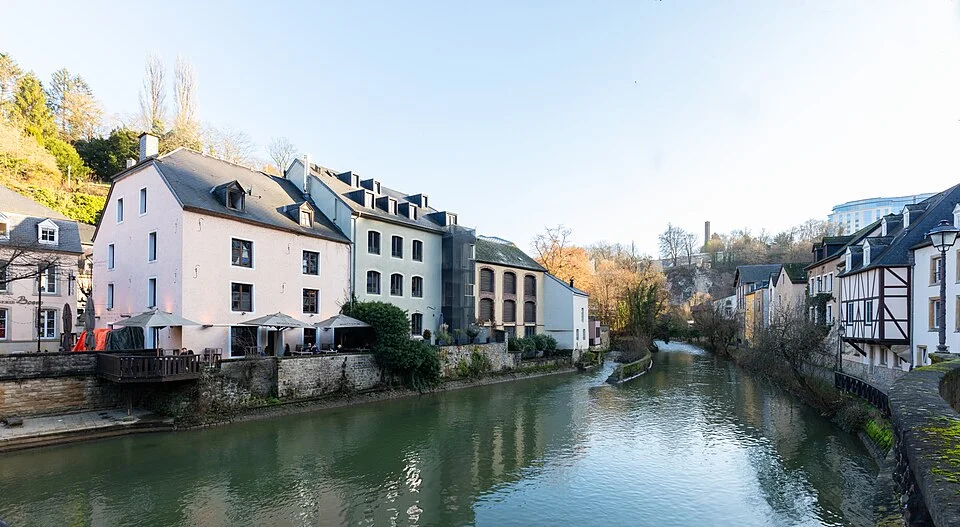
The second calendar day is the first full day and belongs to the capital. Think of the historic upper centre together with Grund beside the Alzette to understand the city’s different levels. Choose one walking line in the morning, spend the afternoon towards the river and establish how you will climb back or use available transport. Rather than stacking several museums and underground visits, choose one indoor stop that suits your interests and check its operator’s opening and ticket arrangements. Travellers avoiding long stairways should consult official city accessibility information. An evening in the capital introduces urban life, while the remaining days deliberately offer experiences beyond another version of the same city walk.
Day three: Vianden and the Our valley
Give the third calendar day to Vianden. The castle hill, narrow town streets and a quieter stretch beside the Our provide a coherent focus. Check the morning arrival and evening return together; do not replace the actual planner’s transfers with an imagined direct service. For a castle visit, confirm opening days and last admission with the official operator and arrange the town walk around that window. A chairlift ride or a longer valley walk is optional, not another mandatory achievement. Travellers who find slopes difficult can keep more of the day at river level. Identify a suitable open restaurant for lunch rather than leaving the meal until you are hurrying to your return connection.


Day four: the Mullerthal and a Berdorf choice
On the fourth calendar day, head towards the Mullerthal region. The official tourism description highlights sandstone formations, forests and narrow rocky passages; this itinerary does not attempt the complete long-distance trail in one day. Select a short marked walk near Berdorf that matches your experience. Steps, wet ground and rocky paths should not be treated like a level city pavement. Bring suitable shoes, water and a waterproof layer, and examine local trail notices the previous evening. If the morning walk takes longer than expected, shorten the afternoon plan. Waiting patiently for a photograph in a narrow passage, without blocking other walkers, improves both the experience and everyone’s safety.


Choose Schiessentümpel or an Echternach lake pause
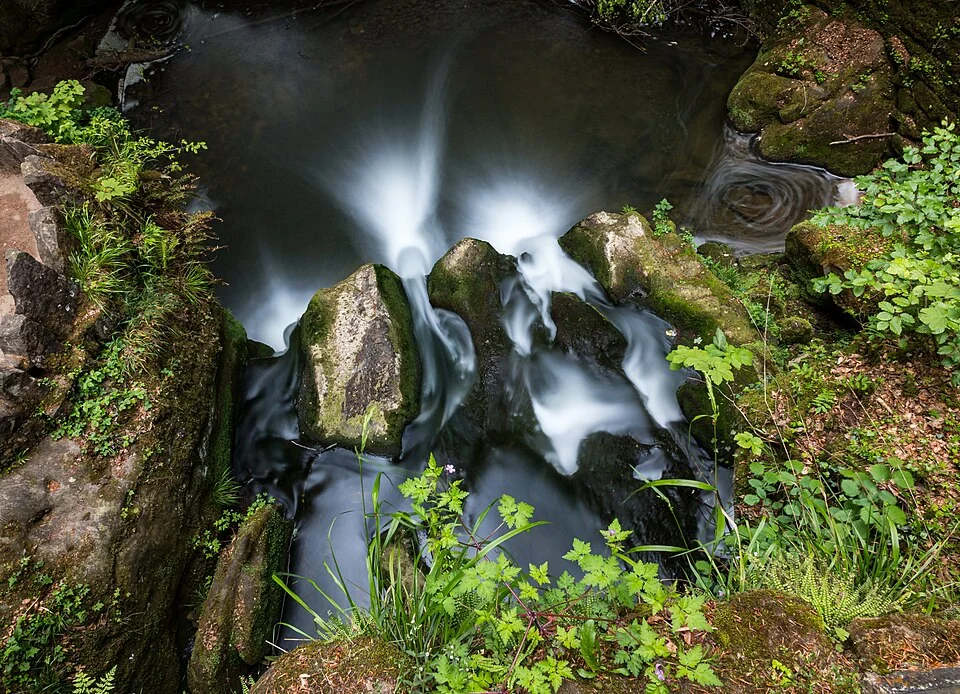
Balance the Mullerthal day with either a short approach towards Schiessentümpel or a quieter break by the lake near Echternach. The official W6 route is a loop incorporating the waterfall; the time for the entire loop is different from that for a short approach to the falls. There is no need to add a second lengthy walk after exploring Berdorf. If rain or a closure affects the forest plan, investigate lower-intensity alternatives near Echternach. This is an artificial lake, and a shoreline walk does not establish permission for swimming or every water activity on the day. Equipment hire is not promised here. One satisfying walk with a comfortable pause is a sensible foundation.



Day five: Remich beside the Moselle
Reserve the fifth calendar day for the riverside around Remich. The promenade and comfort walk described by the municipal and regional tourism offices provide a calmer contrast to the previous forest day. A short morning walk, lunch and, if desired, a pre-booked producer visit are enough. Do not assume that a path climbing into vineyards offers the same accessibility as the riverside. Arrange your return transport before a wine tasting; families and travellers who do not drink can equally enjoy the town and river setting. Boat departures, tastings and open businesses can change with the season, so they are optional arrangements rather than fixed services promised throughout the year.
Country transport and choosing where to sleep
The Public Transport Administration explains that domestic buses, trams and second-class train journeys are free, with separate rules for first class and cross-border tickets. Do not assume your entire journey from a neighbouring country is free, particularly its international railway section. Build dated connections in Mobiliteit’s planner; free travel does not guarantee frequent or direct services. For this itinerary, keeping all five nights at one capital base reduces luggage handling. A longer woodland holiday might justify separate accommodation around Echternach or the Mullerthal, but return connections then need replanning. Changing hotels simply for scenery can consume more time than the move saves on a short trip.
A local meal: Judd and Bouneschlupp
The capital’s tourism office describes Judd mat Gaardebounen as smoked pork collar with broad beans and potatoes. Bouneschlupp provides another concrete example: a green-bean soup in Luxembourg’s culinary tradition. Use the names to guide a lunch or dinner choice without assuming every restaurant cooks both dishes every day. If pork or dairy matters to your diet, ask the kitchen about the preparation rather than concluding that a soup is vegetarian from its name. The national tourism website also lists potato cakes called Gromperekichelcher and cooked cheese called Kachkéis. A main meal and a small regional-product pause can give the journey a food identity that is connected to the country.
Day six: depart and check official entry documents
The sixth calendar day is for departure. Leave time for your flight or train instead of beginning another excursion at the far side of the country. Luxembourg’s official Guichet portal explains short-stay requirements according to travel documents and visa obligations. Check your own passport with the appropriate representation; arriving from another Schengen state does not restart the stay calculation. Ask your accommodation how the required guest registration is handled when you arrive. Sources for this guide were checked on 4 October 2026. Departure schedules, trail access and castle opening arrangements need another check before travelling. The Stork suggests a calm sequence of packing, breakfast and onward travel rather than squeezing in one last castle.