
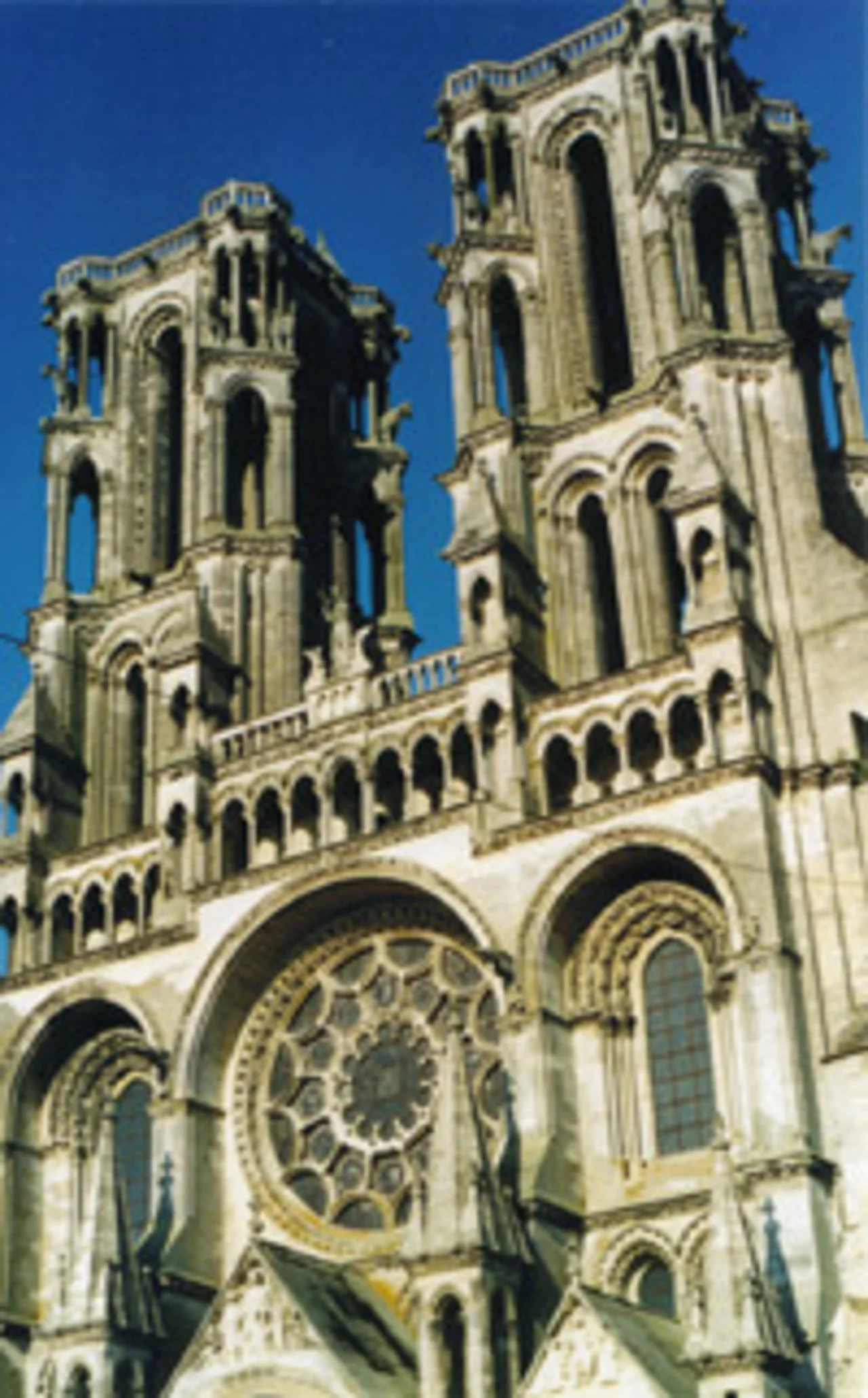
Laon: plan an upper-town night around climbing and returning
For one night in Laon, consider the relationship between the upper town and station below first. Tatilmerkezi Stork proposes a walk distinguishing cathedral, Rue Châtelaine, two separate historic gateways and the Saint-Martin exterior. Completing the entire climb with luggage immediately is unnecessary. On day one, go to accommodation and select the cathedral surroundings and an appropriate upper-town section. Fit a remaining gate or an institution actually confirmed open around the following day’s train. The cover shows the cathedral’s west-front towers and circular window. It proves neither a current tower ascent nor admission to every interior. Looking over the city and gaining access to a particular entrance are separate questions.
The tourism office’s current mobility page places the SNCF station in the lower town at Place des Droits de l’Homme and identifies TUL bus connections from there. Check the actual service for your date and time rather than recommend a vehicle in an old photograph as running today. Walkers can ask tourist information about the links called grimpettes. Do not assume every path step-free or equally convenient with luggage. An upper-town room may be closer to the morning walk; accommodation towards the station may offer different help with bags and an early train. Ask about noise, lifts, late arrival and luggage storage directly. Sources were checked on 5 October 2026. Your mobility needs are the starting point for an overnight plan.
Rue Châtelaine: read the scale of an upper-town street
The Rue Châtelaine image shows different fronts on both sides, ground-floor businesses and passing people establishing scale. Its description gives 27 October 2006, while EXIF contains 20 January 2005; the capture day is therefore not treated as certain. Signs do not prove the same shops open today. On your own walk, compare upper windows with ground-floor openings. Urban life can be considered through the different arrangements of work and housing within one street, alongside the larger monument. Leave entrances and the pedestrian route clear while stopping. This image is not rewritten as a recommendation for a particular shop, a price claim or a recollection involving its people.
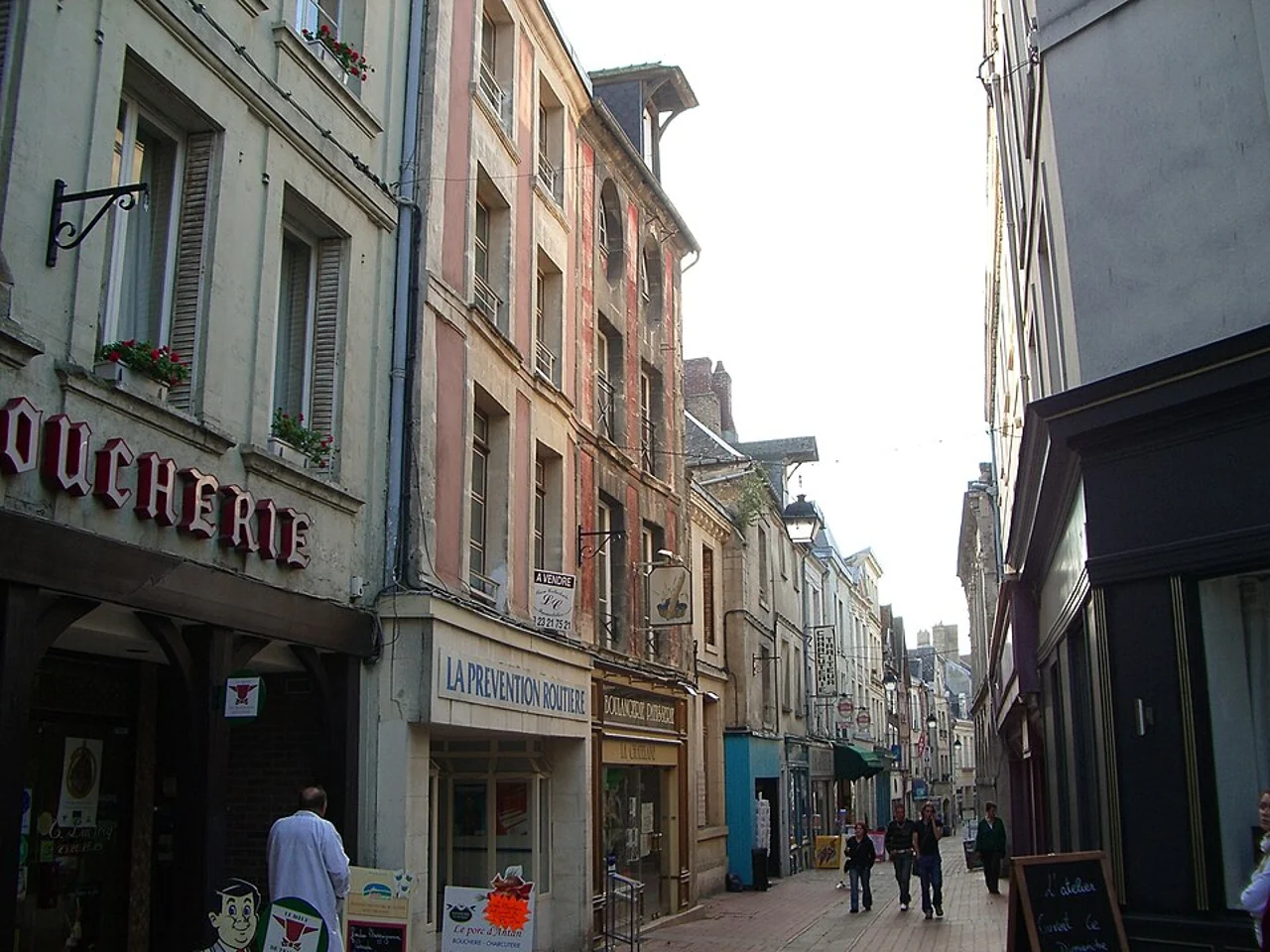

This section may introduce the city on arrival evening: choose a return point, then place dinner around an actual business’s service. The restaurant suggested below is not presented as occupying this upper-town street. Establish the day’s bus or real walking route back to accommodation before night. An old-town location does not imply every service continuing throughout the evening. If companions walk at different speeds, agree a meeting point and a way to contact each other. Use an open business for shelter rather than somebody’s entrance corridor. Instead of making day one a race to finish all five exterior scenes, decide which piece will mean more to you the following day.
Porte d’Ardon: distinguish the gateway and your return direction
The Porte d’Ardon photograph from 8 May 2009 shows the gate’s mass, an arched passage and curving approach. The tourism office presents it as a historic entrance associated with the ramparts. Check the current arrangement of pedestrians and vehicles on arrival; a road pictured does not guarantee absence of traffic during your walk. Identify a safe place to pause before entering the passage. After cathedral towers, compare how this smaller opening interrupts the stone. Such an observation gives your own route a reason to stop without repeating a gateway legend as established history or inventing a personal memory. No separate museum visit inside is promised.
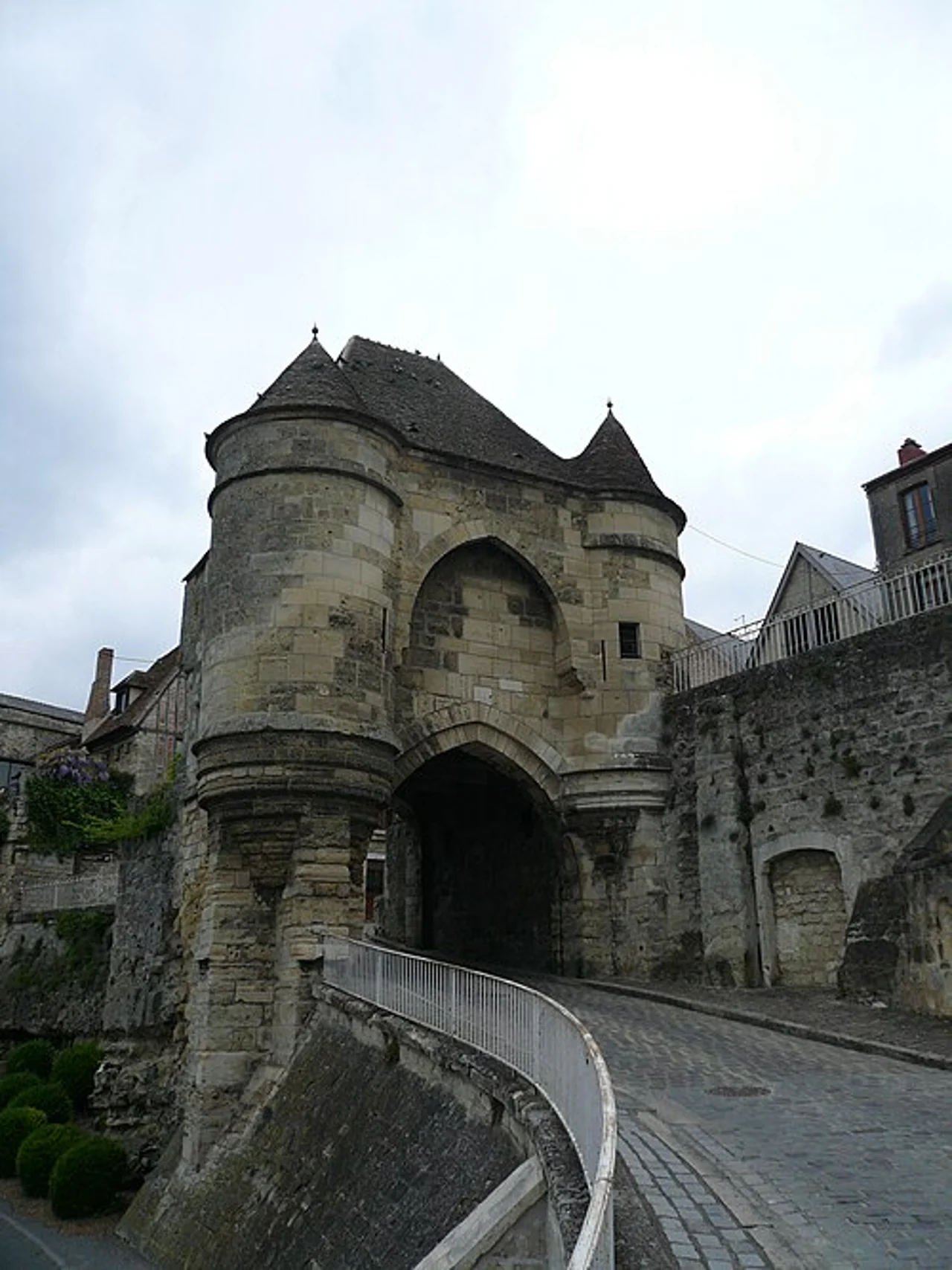

If passing beneath the gate is unnecessary for your direction, a short exterior observation may suffice. Leave room for others when taking photographs in a narrow crossing. Check a suitable return with a pushchair or mobility aid beforehand; a historical image is no inspection of today’s surface. Shorten the piece if wet stone or steps are unsuitable. The two historic gateways are not represented by one picture or the same passage. Rather than connect the Ardon and Soissons surroundings in a single hurried circuit, put one on arrival evening and the other on day two according to accommodation and departure direction. This retains space between an outdoor stop, rest and actual transport options.
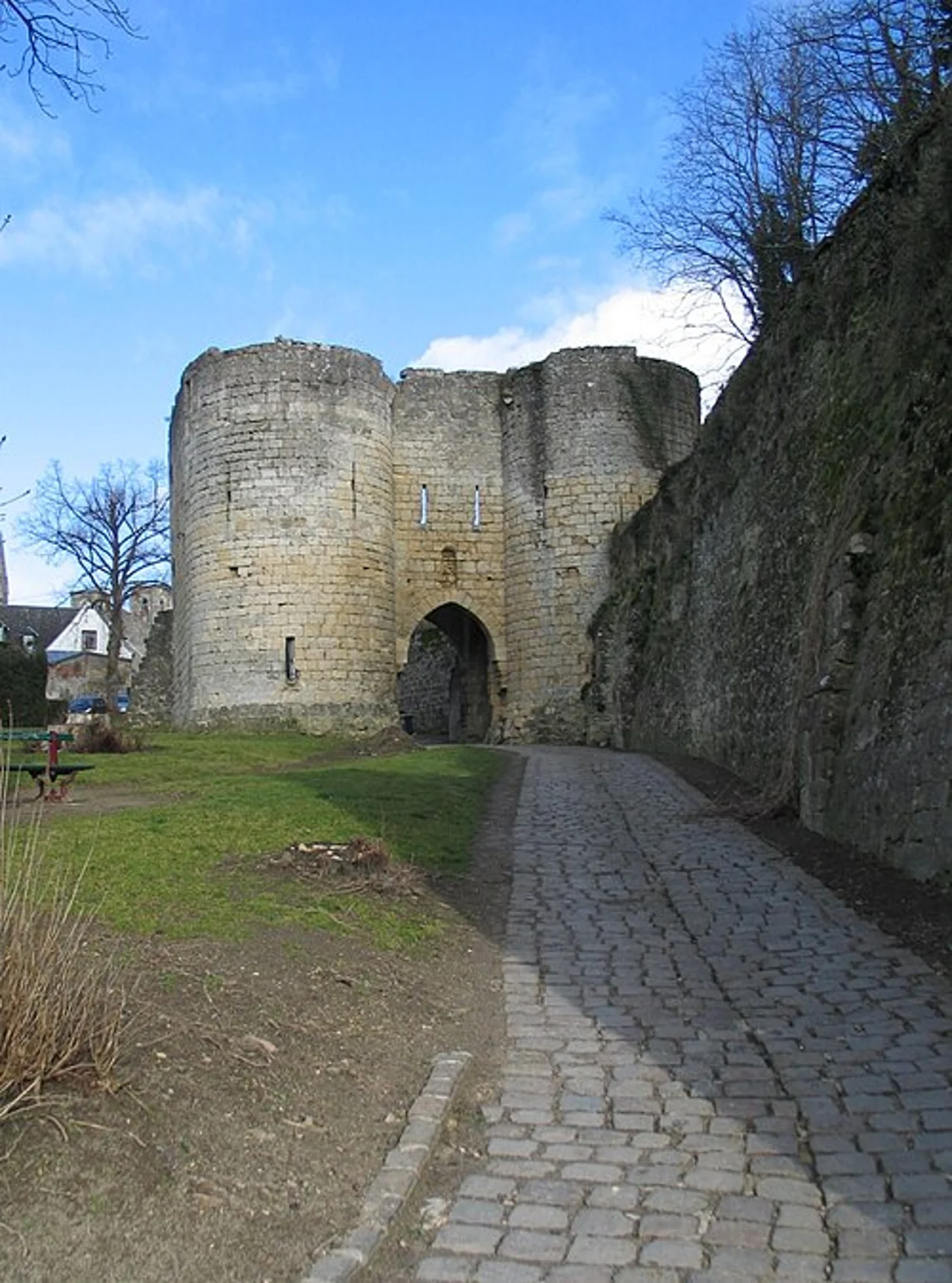
Porte de Soissons and an institution confirmed for October
The Porte de Soissons photograph shows a stone approach beside a wall leading towards an arched entrance. This is a separate scene from Porte d’Ardon. The file records EXIF on 1 February 2005 and original upload on 22 May 2006, retained as different dates. Compare the extended wall with the opening at its end. Follow current notices for maintenance, a closed passage or another use. An old tower image establishes no current access to upper sections. Keep observation within public access. Even with blue sky in the photograph, adjust your duration and return around the following day’s weather rather than regard every upper-town path as equally easy.

For an interior option, the tourism office’s current Corda listing gives 1-27 October 2026, Tuesday-Sunday 2pm-6pm. Its phrase ‘free until September’ does not establish free October admission; ask again about entry and tickets. The checked date is Monday, so no museum visit on that day is narrated. If selecting the Tuesday afternoon institution for a one-night stay, avoid placing another lengthy walk in the same interval. The museum’s description of contemporary sculpture supplies no permission to reproduce those artworks in this guide. Ask about photography rules inside at admission. Historic exteriors and interest in a contemporary collection remain distinct needs that can be selected within one short city stay.
Saint-Martin outside, an actual Maroilles meal and departure
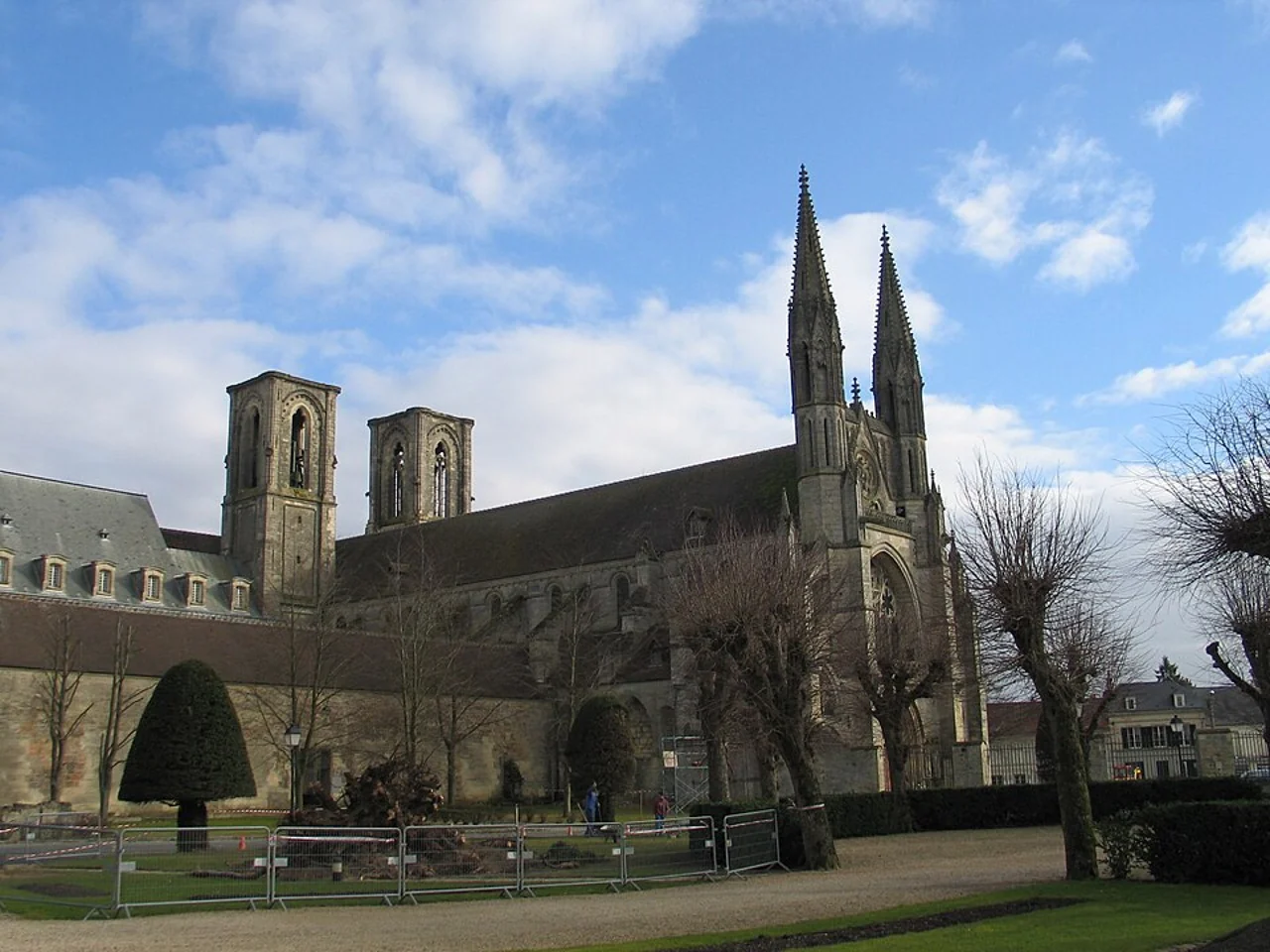
The Saint-Martin photograph shows the church’s long exterior body and pointed upper elements, with EXIF dated 1 February 2005. The tourism office explicitly says the old abbot’s residence is closed to visits. For the church it supplies May-June weekend and July-September hours, which promise no daily interior admission during October. Treat the exterior towards Place Soeur Marie-Catherine as a separate stop and confirm autumn entry independently. Do not confuse Saint-Martin’s name with other locations by the cathedral: this route uses the abbey church exterior. Understanding historical stonework does not require an invented encounter in a closed room. Retain enough time to rest.

A concrete meal can be Le Picard burger on La Fabrik & Co’s own menu: French beef, Maroilles cream, tomato, onion confit and gherkins. The operator also offers a homemade vegetable patty alternative; ask about allergens and that day’s service. Its actual address is 111 Avenue Charles de Gaulle, described by the business as opposite the Dôme swimming-and-skating complex. Do not confuse it with a cathedral-forecourt table. The operator currently lists lunch and dinner Monday-Saturday and closure Sunday except private hire. Plan a separate outward and return journey, without an invented walking distance or bus number. Treat the current menu as no guarantee of identical dishes in every season. On the final morning, collect luggage and check the station return and ticket. One Laon night can bring five distinct historic surfaces together with one institution or meal choice suited to your pace.