

The Tatilmerkezi Stork suggests three distinct city days in Abidjan: understand the Plateau and lagoon setting, spend a separate morning in Banco forest, and explore a carefully chosen Cocody base with a local meal. This is a neighbourhood guide rather than a shortened Côte d'Ivoire country tour. Grand-Bassam, northern towns and long coastal journeys are not added to a short city stay. A first-time visitor's useful question is how to connect places across water and bridges, rather than how many names fit into one day. The same approach suits a weekend added to a work trip: a small number of meaningful visits, dependable daylight connections and time to recover. Assess actual addresses and purposes without assigning a blanket safety label to a district.
Three city days across four nights
The sample arrangement is arrival and settling in, a full Plateau day, a full Banco day, a full Cocody day and departure the following morning. That means four nights and three complete visiting days. Travellers arriving on an early flight can keep the first day modest with a meal near their accommodation. A lengthy city excursion immediately after an overnight flight can complicate rest and collection arrangements. Dropping luggage, agreeing the next day's meeting point and finding a nearby food option may be enough for the arrival evening.
With only two days, choose between Banco and Cocody according to your interests rather than turning them into one hurried marathon. Plateau provides a city and lagoon focus; Banco serves a separate nature interest. Keeping one accommodation base for three days reduces baggage moves. If a meeting or family visit is elsewhere, build the itinerary around that location. Rain, traffic or institutional access can justify removing an outing. The plan does not suggest identical start times or durations for every day. A light final day compatible with your flight can be more useful than adding another distant destination.
Plateau: read the city around the lagoon
Agree a limited daylight route with a qualified guide or dependable local host for the Plateau day. A Tourism Ministry institutional excursion in 2025 documents connections between Cocody, bridges and Plateau; that past event is not a currently bookable tour. Its useful contribution here is the relationship between city areas. Viewing the lagoon-side skyline, understanding the business district and selecting a permitted cultural stop can provide the first day's framework. Do not spend the entire day looking for pedestrian crossings over bridges.
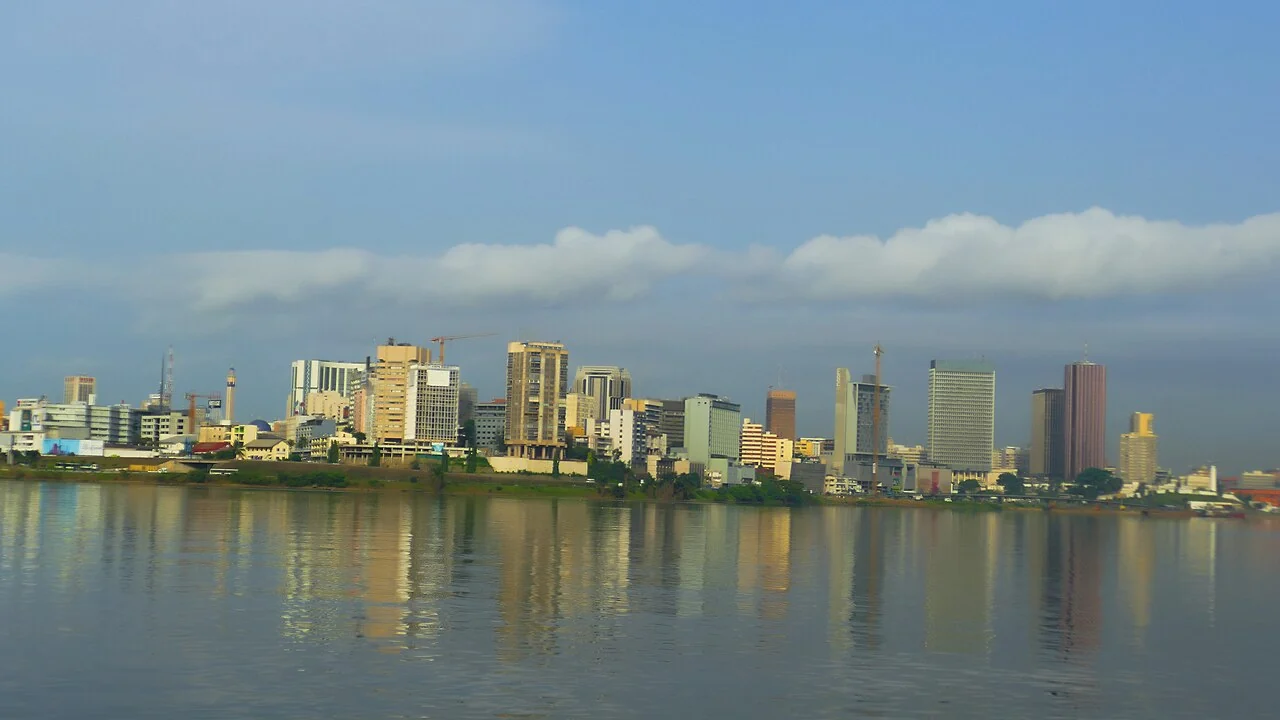

Consider the start and return of each water crossing separately, even if the map looks compact. Establish the vehicle meeting point, meal stop and return contact beforehand. Do not assume access to a high building or construction site simply because the cover image was made there: it explains the city landscape without recommending a viewing platform. If you choose a religious visit, ask the institution about permission, clothing and worship arrangements. A drink and rest can provide space to observe everyday activity; entry to a closed institution need not be forced. Ask before making close portraits of people you meet.
Banco: a separate forest morning within the city
Plan Banco National Park around the current visitor arrangements provided by OIPR. Its urban forest setting offers a different experience from the lagoon. The official park source explains the relationship with Adjamé, Attécoubé, Abobo and Yopougon; establish the entry and collection point with staff. A photographed path does not prove that its present condition or access is unchanged. Guided admission, ground conditions after rain and a route suitable for your mobility are concrete questions to ask before travelling. Seeing a particular animal should not become a requirement for a worthwhile visit.
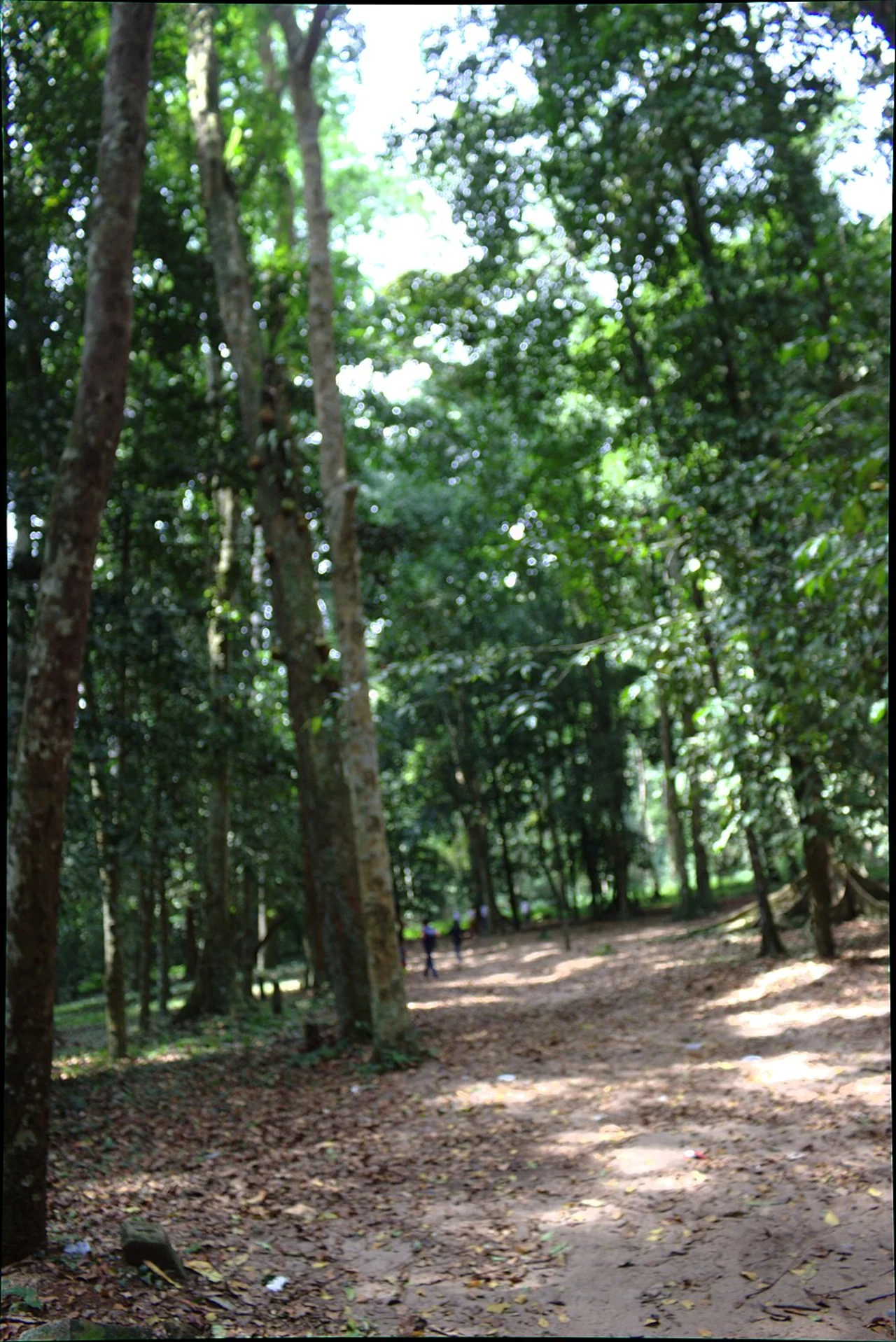

Consider suitable closed shoes, water, a light bag and clothing appropriate to the weather. Avoid a programme built around touching plants or animals, and follow the institution's conservation instructions. A forest morning followed by a short rest may work better than many cross-city transfers the same afternoon. With children or mobility needs, ask about toilets, shade, seating and walking length. Match the actual closing arrangements with vehicle collection rather than inventing a fixed departure time. If admission cannot be confirmed, substitute another permitted city visit instead of seeking an independent entrance around the forest.
A Cocody base and an unhurried neighbourhood day
Accommodation in Cocody may reduce daily travel if most meetings or visits are there. A Plateau-focused programme may favour a different address; ask about the actual Port-Bouët airport transfer rather than relying on an attractive hotel name. These comparisons do not assign the same characteristics to every street in a district. Location, dependable reception, backup water and power, nearby meals and evening collection arrangements matter. There is no need to add a distant transfer to an area such as Angré merely because a photograph illustrates it.
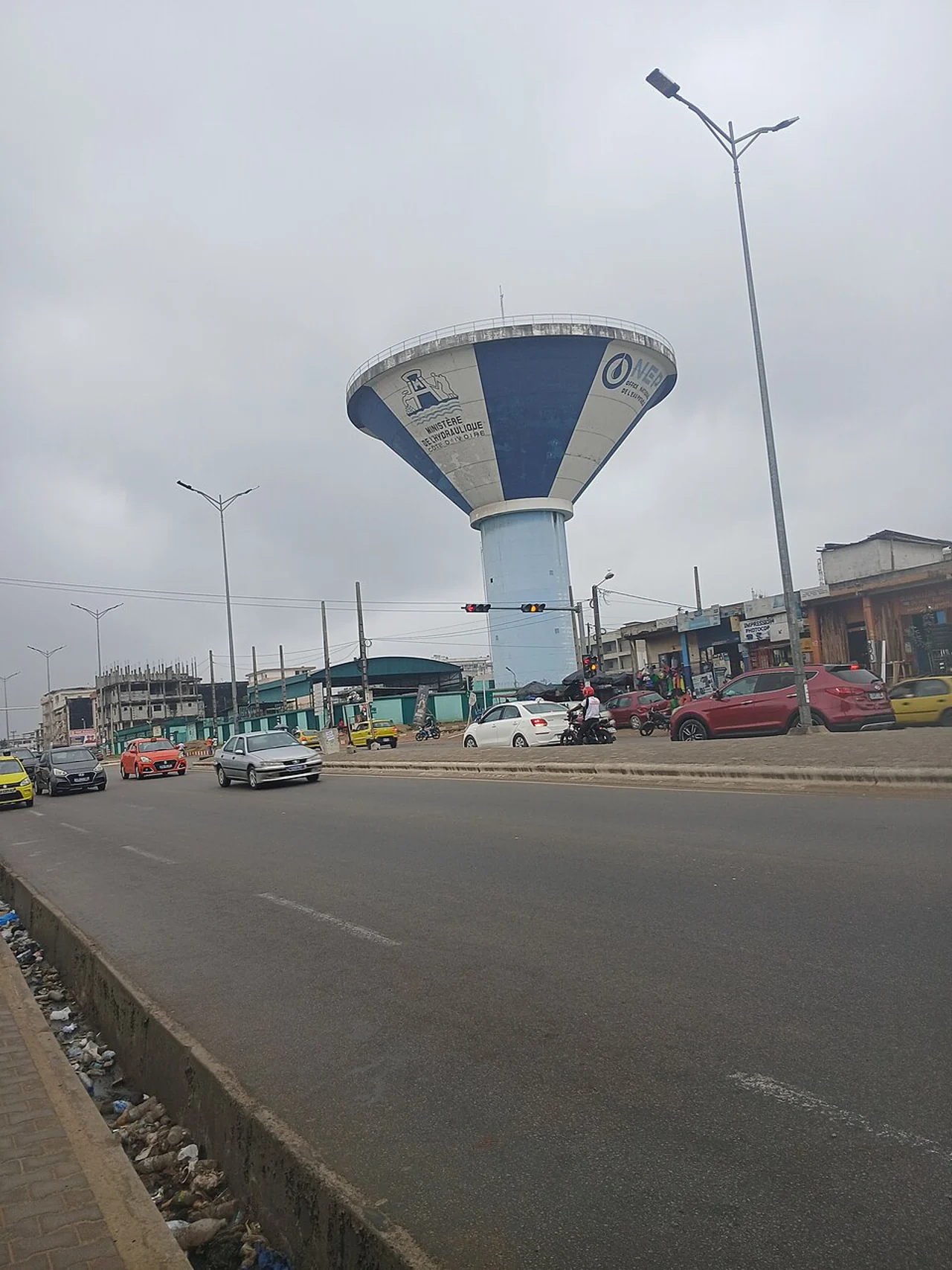

On the third day, arrange a permitted short visit, lunch and rest near your base. A market or cultural place should be selected with dependable local advice, current access and permission to photograph. Keeping valuables discreet and sharing the meeting point are straightforward preparations. If an evening event interests you, verify its programme directly with the operator and arrange the return vehicle in advance. An old festival report is not a promise of a new event. Quiet rooms, stairs or lifts, baggage storage and early checkout may contribute more to the stay than a panoramic view.
Connect an attiéké meal with the neighbourhood
UNESCO's attiéké record describes production knowledge for a fermented cassava product cooked as steamed granules. If it is on the menu, ask about attiéké and the accompaniment offered for your Abidjan meal. The image shows a production example, not a plate at a recommended restaurant. Explain preferences involving fish, meat, chilli sauces or allergens. Recognition of a cultural product does not mean every business offers an identical recipe or portion. Keeping lunch in the same area as the visit reduces a second lengthy crossing solely for food.


For Plateau, lunch after the main visit can be practical; for Banco, connect it with the exit arrangements; for Cocody, choose a place near the accommodation base. Breakfast and water need to be settled before an early nature morning rather than assuming a park kitchen operates at every hour. Ask about portions and prices before ordering, and consider hot service and drinking water needs. A short French ingredient list or dietary note can ease communication. Sitting down and resting may be as useful for understanding a neighbourhood's rhythm as a quick plate. This guide supplies no restaurant rankings, invented prices or fictional personal memories.
Transport and current conditions
For a first visit, consider a recognised driver or dependable vehicle arranged through your accommodation. Verify the person, vehicle and contact details at collection. A lagoon boat option requires a known operator, operating terminal, feasible return, life jackets and suitable weather. No unverified sailing or tariff is published here. Distance on a map alone does not establish journey time. Ask locally about roads after rain and avoid attaching the airport return to a final-minute city excursion.
FCDO advice reviewed on 4 October 2026 highlights crime and demonstrations in Abidjan, precautions with night transport and photography restrictions at certain official locations. Northern border areas and other regions carry serious warnings; they are not routine extensions of this city plan. Strong coastal currents mean swimming should not be compulsory. Confirm entry and health documents through current official channels for your own passport. On departure morning, allow time for checkout, baggage, collection and the flight together. The Stork's approach is three separate city experiences: the city around the water, a conserved forest and a considered local meal.