
For a first visit to Fort Smith, Arkansas, organize the day around the former fort, the federal court museum and a walk beside the Arkansas River. These downtown stops work together: learn the story inside the visitor center, then use the surrounding buildings and landscape to understand it on the ground. An unhurried day is more rewarding than simply driving past the historic facades. The practical information below was checked against official sources on October 17, 2026. Start with the museum in the morning, leave the outdoor sections for later and finish with a substantial meal downtown.
How do you reach the historic center and find parking?
The National Park Service directions give 301 Parker Avenue as the visitor address. When approaching eastbound on Highway 64, also called Garrison Avenue, turn right onto 4th Street, right onto Parker Avenue and left onto 3rd Street for the main parking lot. The westbound approach along Rogers Avenue uses a left turn onto 4th Street. Follow current signs on the final approach, and look over the downtown street arrangement before setting out so that the turns do not become a distraction.
Free parking is available along 3rd Street and in the main lot. The NPS says the main lot can accommodate buses and recreational vehicles as well as cars. This applies to the identified parking areas, rather than every parking space in town. Air passengers can arrive through Fort Smith Regional Airport. The city operates a bus network serving downtown, but this itinerary does not depend on a particular route frequency. If traveling without a car, arrange the connection between your accommodation, the museum and your evening meal before heading out.
Why begin at the visitor center?
Fort Smith National Historic Site's visitor center occupies the former barracks, courthouse and jail building. The official visit planner says visitors generally spend at least forty-five minutes touring the exhibits. Allow additional time for the grounds and river walk; that estimate is not a promise that the whole site fits into a brief stop. Ask which rooms are open and whether any activities are scheduled, then follow the court and jail interpretation before walking around the buildings outside.
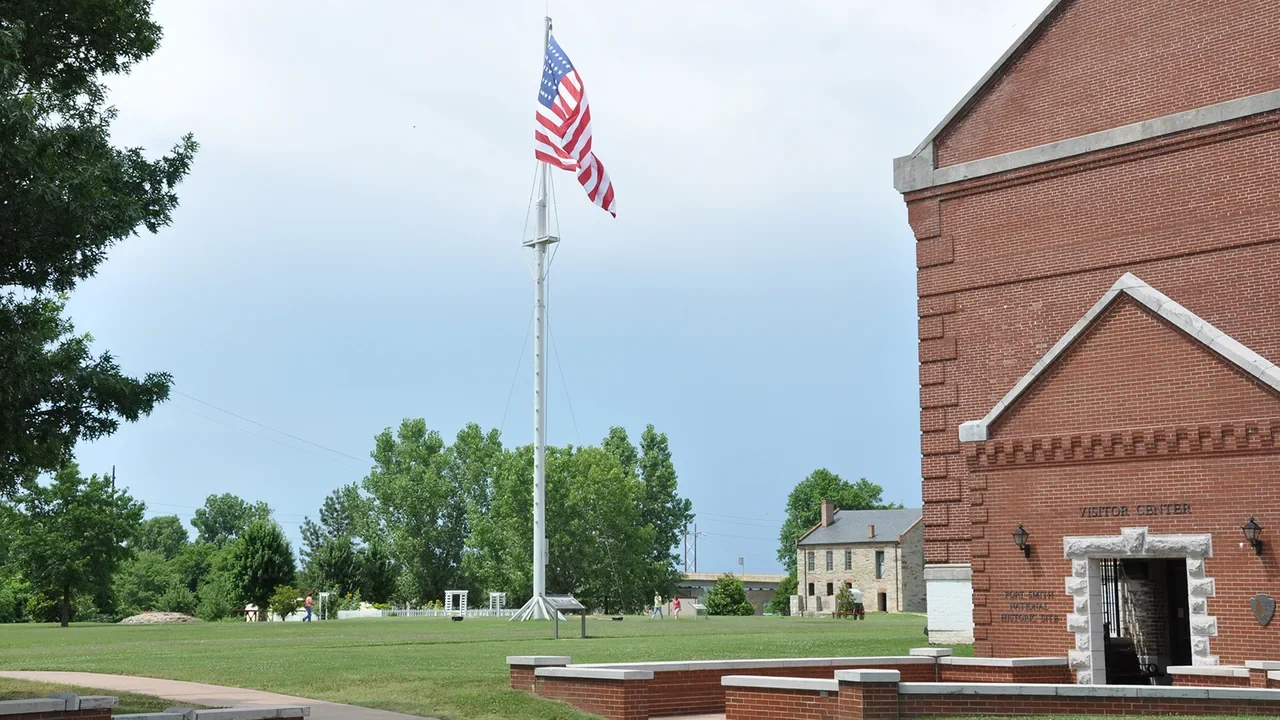
Read the Judge Parker and federal court story alongside the site's earlier military role. Connecting the two gives the stone and brick buildings more meaning than a series of isolated photo stops. Beginning indoors also keeps the afternoon available for the river if the weather is good. On a rainy day, the same approach lets you protect time for the exhibitions while shortening the outdoor walk. A short conversation with staff can help you choose what matters most to your group instead of trying to see every part at the same pace.
How should you connect the Commissary and grounds?
After the museum, head toward the historic Commissary. Its stone construction and the supply wagon displayed outside offer a useful way to think about the practical needs of a military post. Continue to the reconstructed gallows and the first fort area to compare the site's different roles. Treat this as a suggested sequence, adjusting it to the sections open on your visit. The paved paths described by the NPS connect the outdoor stops and make it possible to explore in shorter stages with pauses between them.
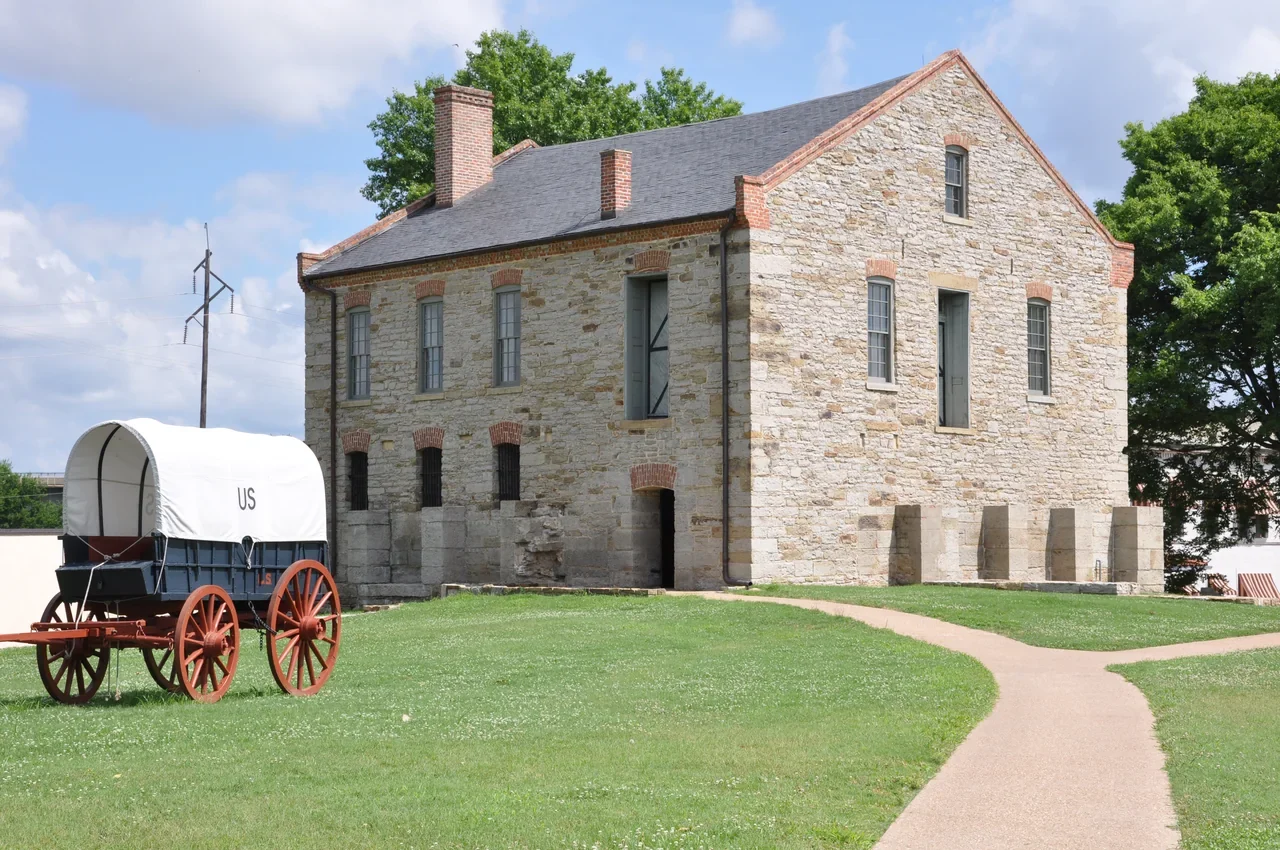
The gallows interpretation deals with punishment and execution, so adults visiting with children may want to discuss what they will encounter beforehand. Seeing the Commissary's exterior and entering the building are also different activities with different time constraints. Complete the interiors you care about before leaving for a long lunch. That avoids returning late in the day to discover that an indoor section has closed even though the park grounds remain accessible. Keep the visitor-center schedule separate from the outdoor opening hours throughout your planning.
What can you see along the river and at Initial Point?
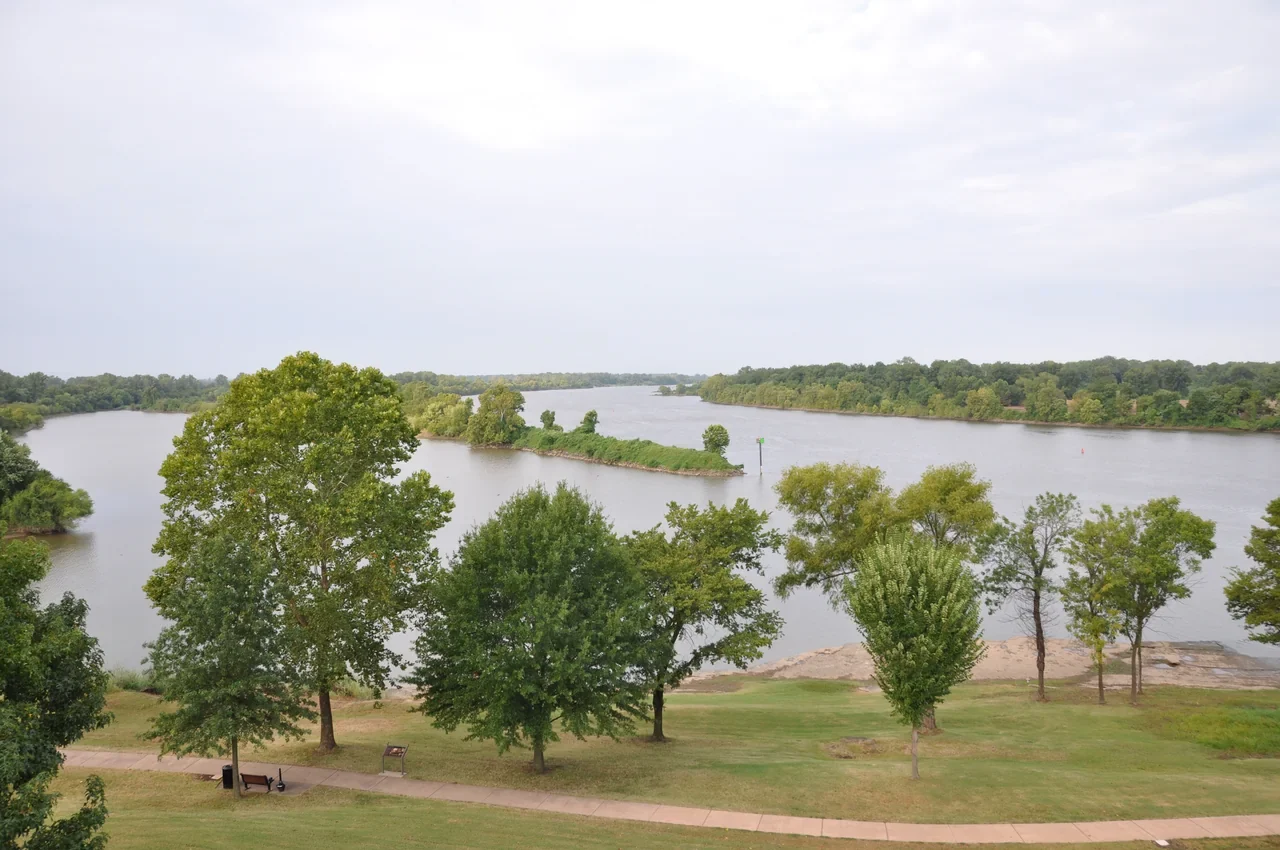
Use the Arkansas River walk as an outdoor break after the museum's concentrated historical interpretation. The river confluence helps explain the location of Fort Smith within its wider landscape. Choose a short out-and-back walk or use the current park map to connect it with another section of the grounds. Comfortable shoes and drinking water are useful even for a relatively short walk, and on a hot day you may prefer a shorter route with more rests. Stay on the established paths rather than making a steep descent to the water part of the outing.
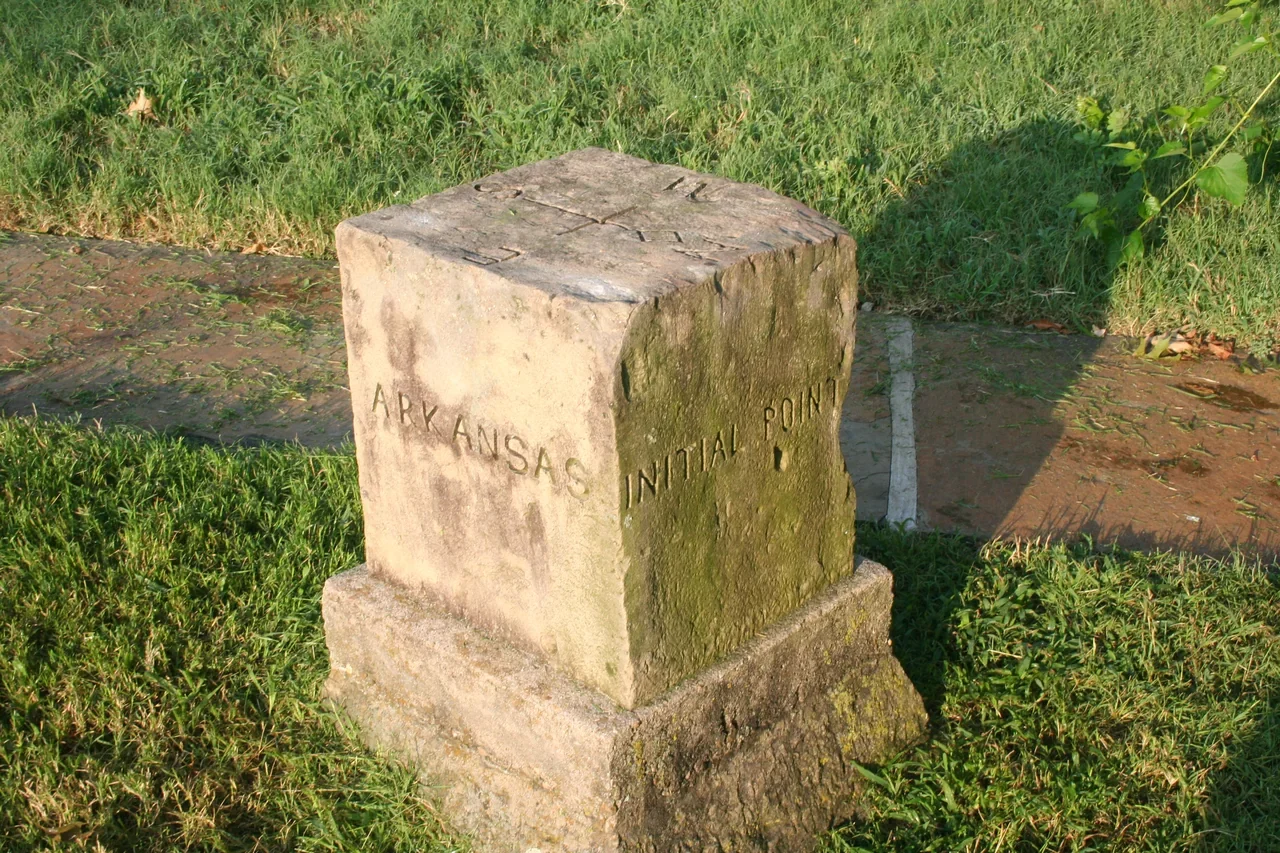
The historic Initial Point marker provides a specific detail in the story of the boundary between Arkansas and the former Indian Territory. Allow time to look closely at the small monument, rather than expecting a separate large museum or plaza. In combination with the first fort area, it connects the themes of river location, boundaries and military settlement. If weather or ground conditions make a longer walk unsuitable, keep the outdoor visit brief and ask staff to explain the relationship between these places using a map inside the visitor center.
How does Frisco Station fit into a downtown walk?
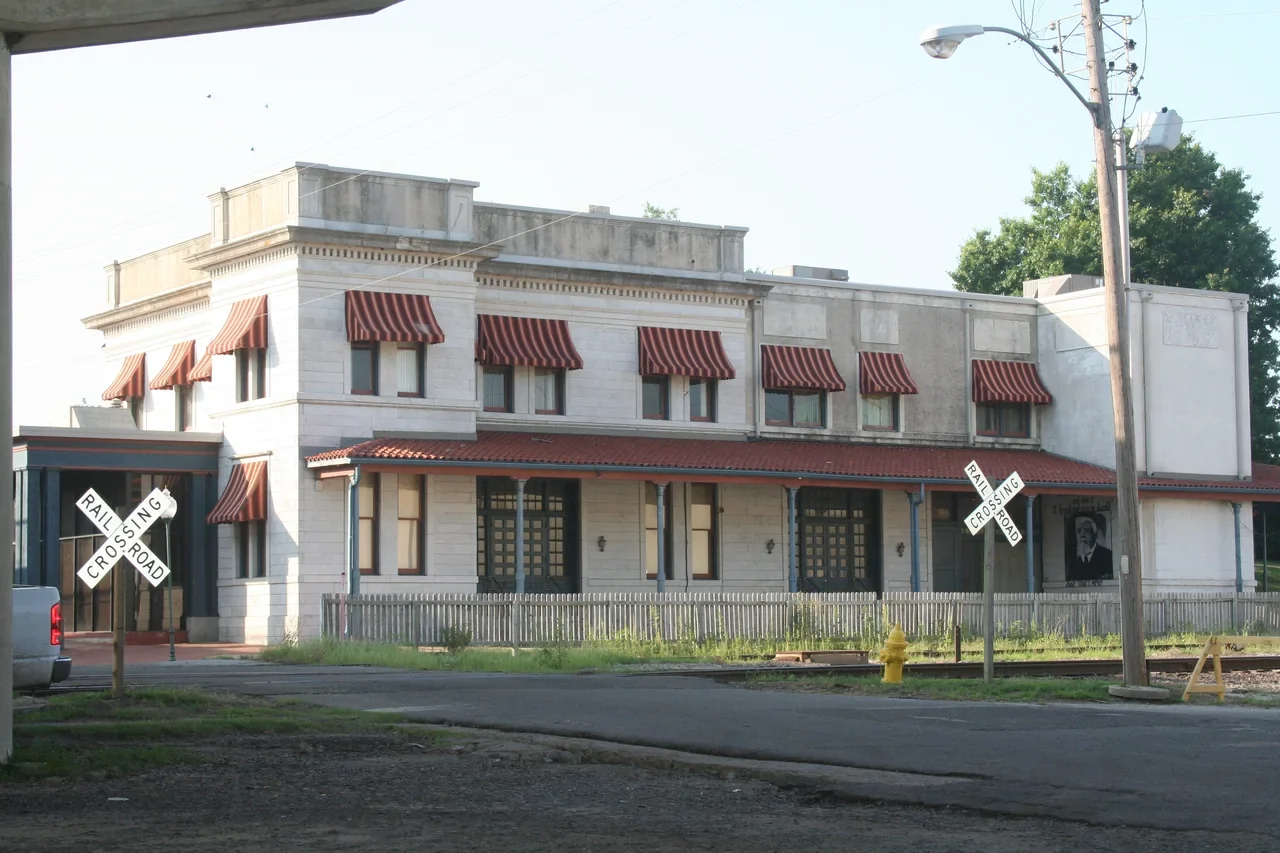
The historic exterior of Frisco Station adds a different architectural subject to the downtown route. Plan it as a streetside view rather than assuming that it is a place to board a current passenger service. Tracks visible beside an old station do not establish a timetable, and an exterior view does not guarantee access to the interior. Use normal pedestrian crossings and take photographs without stepping onto the railway. If time is limited, prioritize the main historic site and a proper meal instead of compressing the museum visit to collect more quick stops.
What opening hours and costs affect the day?
The NPS schedule updated September 14, 2026 lists the visitor center from 9 a.m. to 5 p.m. daily. It closes on New Year's Day, Thanksgiving Day and Christmas Day. The Commissary and gallows are listed from 9:15 a.m. to 4:45 p.m. Grounds open thirty minutes before sunrise and remain accessible until 11 p.m.; that later outdoor closing time does not extend museum admission. Recheck the current schedule before traveling, especially around holidays or severe weather.
The official fee page confirms that no entrance pass is required. Free admission makes it easy to include the historic site in a day downtown, while leaving your budget for accommodation, meals and transport. A practical sequence is to finish the visitor center first, visit the other building interiors before their earlier closing time and then use the remaining daylight for the river. Do not postpone every outdoor stop until evening simply because the grounds have longer published hours.
Where can you stay and eat a substantial meal?
Wyndham Fort Smith City Center is a downtown hotel attached to the convention center. Its official description lists free parking, an indoor pool and on-site dining. Check the room and booking conditions for your own dates rather than assuming that a general property description includes every service in every rate. Staying centrally simplifies the first day's walking, but accommodation booking does not reserve a restaurant table or a place at a separate attraction.
For a specific main course, Rolando's menu lists Pescado de Mesias: tilapia with a tequila and caper sauce, served with black beans and rice. The Fort Smith location is at 917 N A Street. It publishes hours of 11 a.m. to 8 p.m. Sunday, 11 a.m. to 9 p.m. Monday through Thursday, and 11 a.m. to 10 p.m. Friday and Saturday. Complete the museum sections before closing, then use dinner as a relaxed end to the route. Confirm current dishes and seating with the restaurant, allowing extra time for a busy weekend evening.