
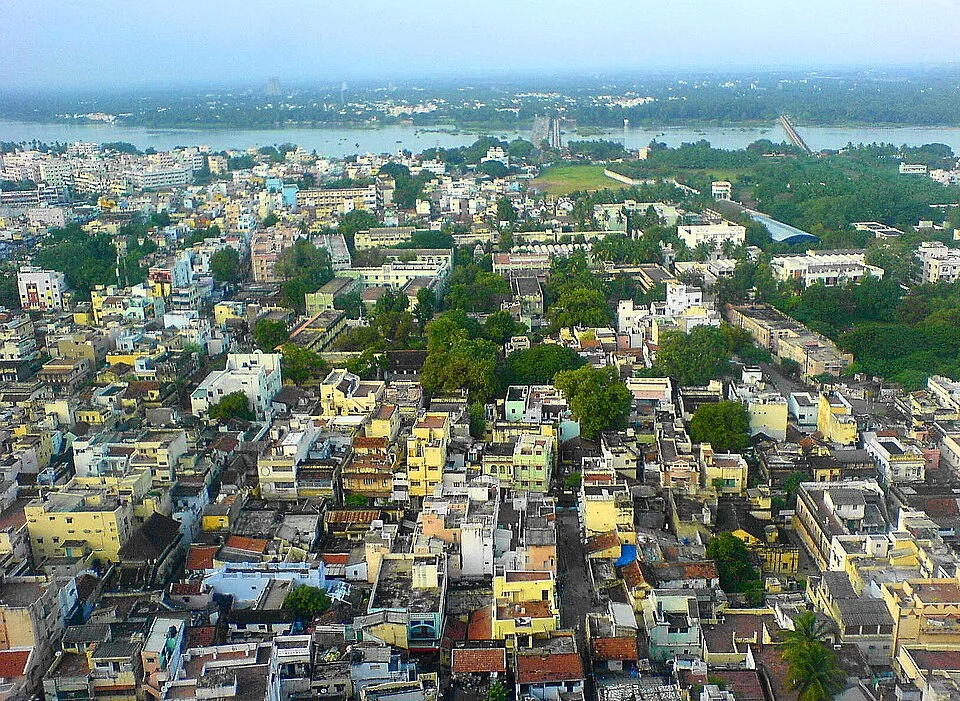
Tiruchirappalli: rock, temples and the Kaveri corridor
Tiruchirappalli, commonly called Trichy, helps you see Tamil Nadu's history at three different scales: the stone steps of central Rockfort, the extensive temple setting of Srirangam, and the irrigation structures of the Kaveri. Tatilmerkezi Stork recommends resisting the temptation to make all three a single morning's checklist. One involves a climb and steps, another a large inhabited religious setting, and the third a water structure reached by vehicle. Designing two full days around those differences makes the visit more comfortable and more intelligible. This itinerary covers four calendar days and three nights: arrival, two full sightseeing days, and departure. If you continue to Thanjavur or Madurai, assign those cities a separate stay or another full excursion day. Rather than turning Trichy into a race to see all of Tamil Nadu's temples, use it to understand the relationships between a small number of carefully chosen places.
TRZ arrivals, the Junction and different city centres
Check Tiruchirappalli International Airport and the TRZ code when searching for flights; AAI's Trichy airport page identifies the terminal. Rail travellers should independently verify Tiruchirappalli Junction or the other station actually printed on their ticket. On arriving with luggage, settle into your accommodation first, then choose a light meal and a short neighbourhood walk. The city's principal stops are not all part of one pedestrian centre. The historic streets around Rockfort and Chathiram serve different daily needs from the transport corridor around the Junction and Cantonment, while Srirangam is a separate route section between the rivers. Give a driver the real entrance or meeting location, not only an English temple name. For buses, find out the current route and the return stop locally. Leave space for traffic and heat rather than relying on a fixed transfer time or an assumed service frequency. A late arrival does not need to become a new temple visit.
First full day: pace the Rockfort steps
Reserve Rockfort for the cooler part of the morning. The district government describes a long flight of rock-cut steps towards the upper level and the Thayumanaswami Temple along the ascent. This is more demanding than an ordinary city walk. Water, suitable footwear and a pace with breaks help; follow the shoe-storage arrangements at temple entrances. If mobility or your physical condition makes the full climb unsuitable, consider the accessible lower surroundings rather than treating completion as compulsory. Avoid interrupting worshippers' movement to take photographs. Views across the city towards the Kaveri can help you understand the next day's Srirangam route on a map, although visibility depends on weather. Afterwards return towards Teppakulam or a seated meal in the centre. Adding a distant dam excursion to the same first day can unnecessarily compound the fatigue from the stairs. Keep the afternoon flexible enough for rest or a modest street walk instead.

Srirangam: read the towers within their neighbourhood
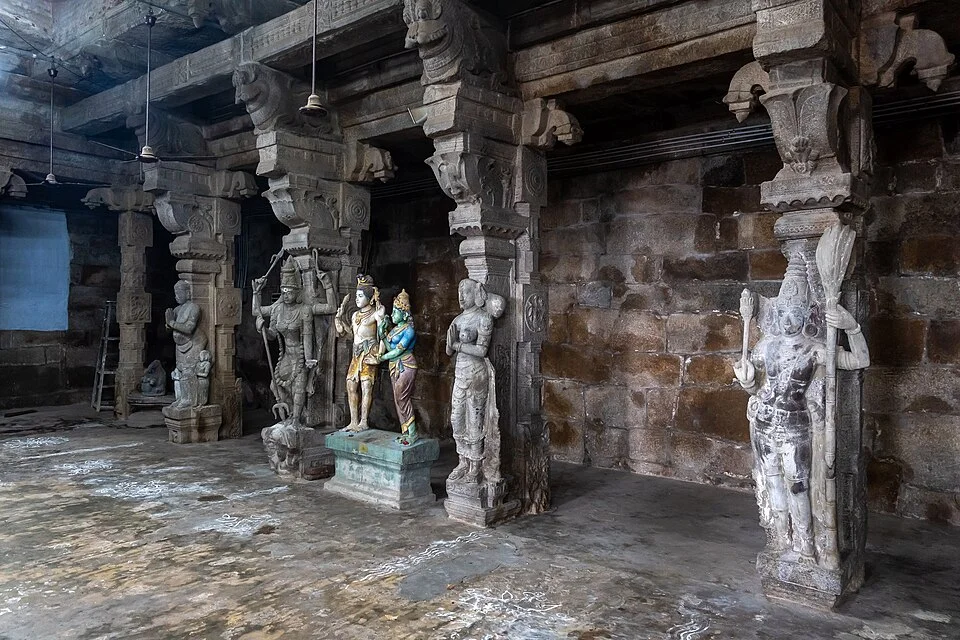
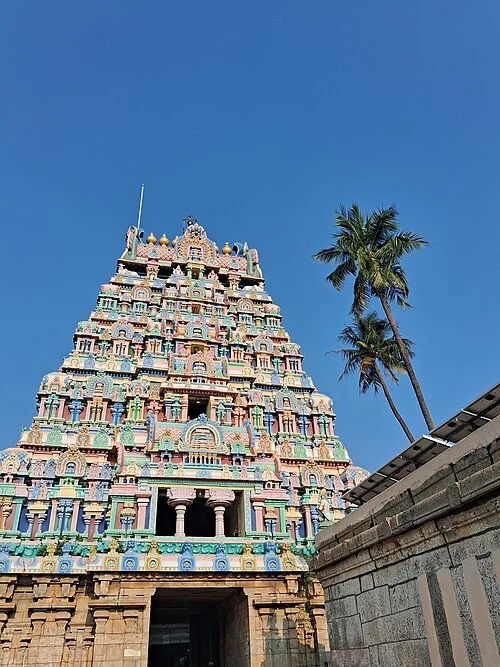
Make Srirangam's Sri Ranganathaswamy Temple the main focus of the second full day. The extensive complex sits in the island setting formed by the Cauvery and Kollidam, also called Coleroon, and is understood through its entrance towers and surrounding streets. Begin by finding out visitor admission and which sections are reserved for worship, rather than assuming access to every inner area. Restrictions may depend on religious or visitor status; follow staff directions and do not cross those boundaries. Outer towers and street surroundings also provide valuable architectural observation. Suitable clothing covering shoulders and knees, preparation for shoe arrangements, and checking photography permission make the programme easier. Festivals can alter crowd levels, queues and vehicle drop-off locations. Instead of trying only to count gopurams, study the decoration of one entrance and the way it connects with everyday street movement. Size rankings on promotional pages matter less than the unhurried observation this visit actually needs.


Thiruvanaikaval: a different temple narrative
If the Srirangam visit leaves enough energy and time, consider Jambukeswarar Temple at Thiruvanaikaval for the second section of the day. The district government associates this Shiva temple with water in the five-element tradition. That religious narrative adds another layer to the river setting, without turning it into a scientific or medical claim. Do not mistake the site for another hall within Srirangam: it is a different complex with separate visiting arrangements. Ask about currently open sections, breaks for worship and admission conditions. Leave time for the external architecture and permitted circulation areas without promising a view of the main sanctuary. Compare tower arrangements, the character of courtyards and visitor movement rather than declaring one temple superior to the other. With children or older companions, take a meal and rest before committing to a second complex. If queues at Srirangam run long, choosing rest is better than squeezing in an unfinished visit and trying to recover the schedule during departure day.

Kallanai: give the irrigation structure its own time
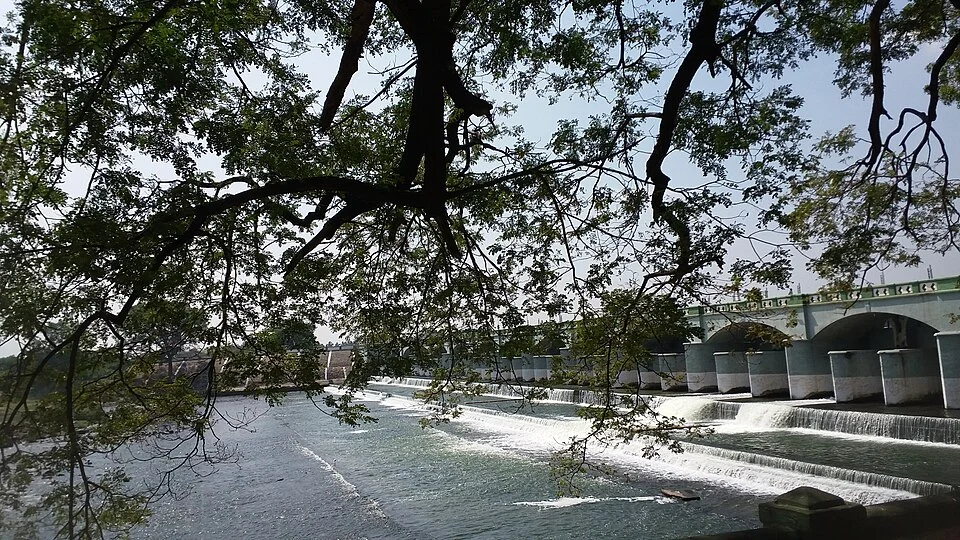
Kallanai, also known as the Grand Anicut, offers a different kind of excursion from the temples. The Thanjavur water-resources record explains its role in distributing water for the Kaveri delta: it is not simply a landscaped viewpoint. Within the two-full-day plan, use it instead of one of the second day's temples, or add another day if you want all the stops. Agree the return journey and stopping point with the driver, and check that visitor areas are open on your date. Water releases, rain and operational work can change access around the structure. Entering currents, climbing over barriers or walking onto closed surfaces is not part of the suggested visit. Observe the relationship between water and engineering from a safe permitted position. Afterwards return for dinner in the city or continue along a previously planned Thanjavur connection, remembering that the onward drive requires its own journey time. A photograph of flowing water should never be interpreted as a promise of today's flow or visitor access.

Meal planning: idli, dosa and Tamil Nadu rice dishes
Start a Trichy day with a concrete breakfast choice: ask for idli or dosa and the available sambar or chutney accompaniments. The national tourism introduction includes these foods in the city's culinary description; they are not recipes exclusive to Trichy. At a later meal, look for regional Tamil Nadu examples such as puliyodhare, tamarind rice, or thayir rice, yoghurt rice. The official state-food narrative lists them as regional preparations. That does not mean every restaurant serves them or that a temple automatically distributes them to every visitor. Rather than postponing lunch for another photograph, sit down to eat after the stair-heavy first morning. Explain requirements involving dairy, peanuts, sesame or other allergens directly and check the actual preparation offered that day. Anyone trying a temple food offering should follow the distribution arrangements rather than assuming it replaces a booked meal. Regional food should become a real pause in the sightseeing day, not merely a list of attractive names added to the programme.
Accommodation, weather and the four-day finish
The Junction and Cantonment area can suit a trip shaped by rail connections and city transport, while the Srirangam surroundings put temple visits first. Travellers centring their stay on Rockfort should examine the actual location of properties around Chathiram. A district name does not guarantee that every room is quiet, step-free or comfortable for walking. Confirm noise during worship periods, hot water, room access and luggage storage directly with the property. On hot humid days, move demanding outdoor walks into the morning and use midday for a meal or rest; rain calls for flexibility around rocks and river areas. On the last day, pack and protect the transfer instead of starting another long ascent. The official sources for this guide were checked on 4 October 2026. Reconfirm services, visiting arrangements, entry and photography rules for your travel date. Keep the arithmetic honest: two full sightseeing days are accompanied by separate arrival and departure days, not by an invisible extra excursion day.