
Namibia: between desert and coast
Tatilmerkezi’s Stork starts a Namibia map with the spaces between settlements. Here the journey is more than a line connecting attractions: landscapes, rest and a safe arrival are part of the programme. Windhoek, Sesriem–Sossusvlei and Swakopmund offer an understandable axis for a first visit. This guide proposes eight calendar days for a desert and coast journey, leaving Etosha to a separate wildlife-focused itinerary instead of squeezing the north into the same week. Think about flights, vehicle collection and accommodation changes together. Measure how much time you will really have at each stop rather than filling a map with pins. Allow food, water and rest intervals as carefully as photographic stops. A route that looks elegant on a screen still needs to work on the ground.
How the eight calendar days fit
Use day one for arrival in Windhoek, rest and meeting a driver or collecting a vehicle. Day two is the transfer to the Sesriem area, with transport as its principal activity. Day three is for selected dunes and Deadvlei around Sossusvlei. Day four takes you to Swakopmund and should not also be counted as a full town-exploration day. Day five is for town and waterfront walks; day six can hold a prearranged coastal activity or a restful second day. Return to Windhoek on day seven and depart on day eight. Arrival and departure are included. Road conditions may require more time. Add a night for a late arrival or early flight rather than pushing transport into darkness. Fewer stops can be a sensible improvement when the alternative is stacking several long journeys into one day.
Sesriem and Sossusvlei: choose fewer goals
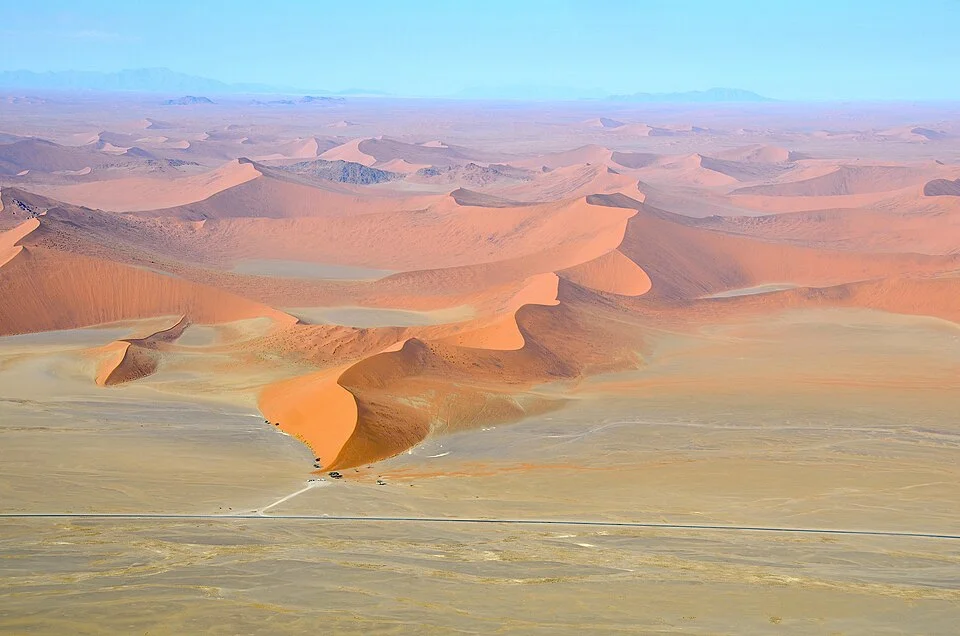
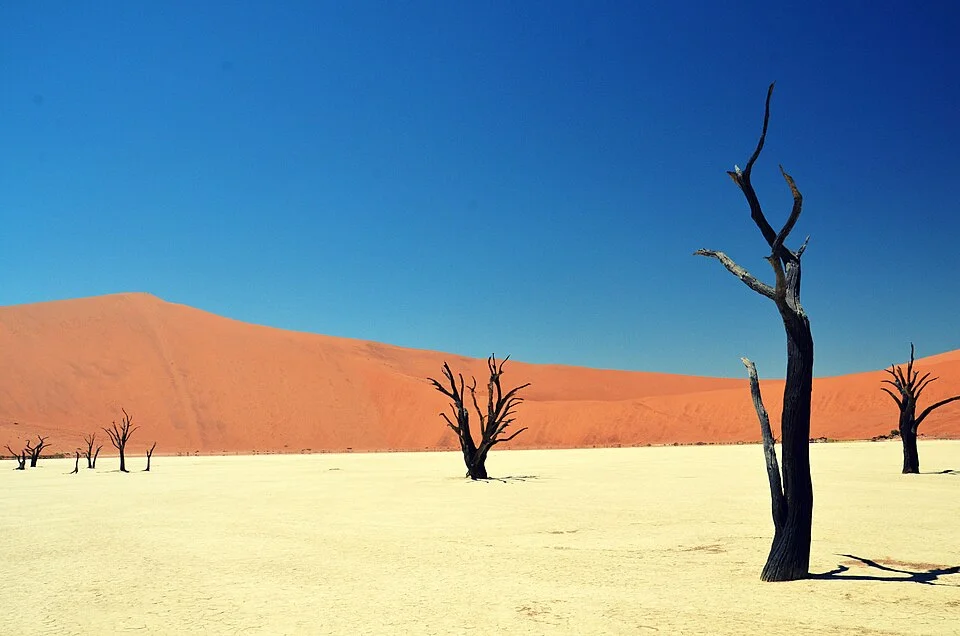
Namibia Tourism Board’s southern-region feature highlights the Sossusvlei dunes and the pale clay landscape at Deadvlei. To use morning light, establish the actual gate arrangements from your accommodation: the label sunrise excursion does not mean every property offers the same departure access. Two principal stops such as Dune 45 and Deadvlei can make a more measured plan than racing between every dune. Choose walks according to fitness and prepare water, sun protection and breaks. Confirm the suitability of your vehicle for the final sandy section and arrange a transfer if needed. Check current permits and gate hours with park management, rather than working from an old blog timetable. Do not step outside permitted areas for a photograph. Conservation and staff instructions should set the boundaries of the day.

Swakopmund: a slower coastal day
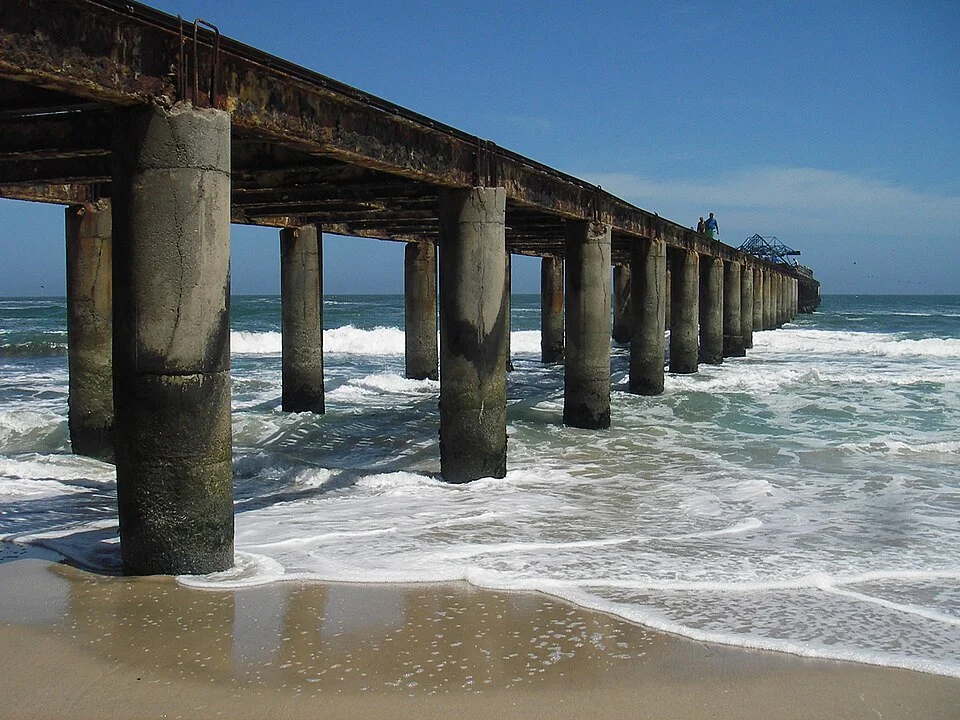
After the desert days, Swakopmund is a base to consider for walking, regular meal breaks and a slower rhythm. Combine a short waterfront walk with food and rest in town. The jetty area can be a photographic stop, but check access on the day and stay out of closed sections. An Atlantic view does not establish safe swimming conditions: weather, the coast and local safety guidance need their own consideration. If you add Walvis Bay or another coastal activity, obtain the real starting point, transfers and weather-cancellation terms in writing. A cool or misty coastal day and a hot inland afternoon can occur on the same trip, making layers useful. Leave enough flexibility to enjoy a calm town day if the planned excursion cannot operate.

Accommodation choices and road preparation
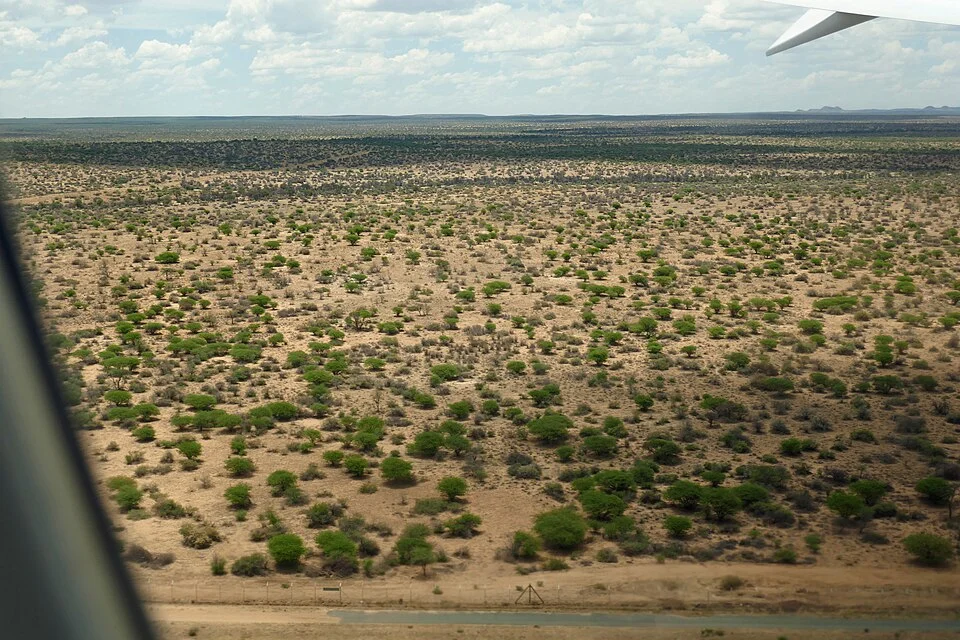
For a first Windhoek night, compare airport transfers, reputable evening transport and the vehicle-collection point. Two properties that look equally close to Sesriem on a map may not provide the same morning park access; ask about locations inside or outside the gate and meal times. A walkable Swakopmund address is useful, while secure parking and luggage arrangements also matter. Camping and a room call for different equipment and temperature preparation. Obtain current information on gravel and dirt roads rather than deciding from distance alone. FCDO particularly highlights road deterioration during January–April rain, spare tyres and water preparation. Avoid driving outside towns at night. Read single-vehicle accident, tyre and glass provisions in insurance separately. MEFT identifies parts of Namib–Naukluft requiring advance permission; an accommodation booking is not a park permit. Consider a supported route with a driver if difficult surfaces are outside your experience.


Kapana and coastal food
The official tourism board’s food feature associates kapana in Windhoek with beef cooked over an open flame. A daytime food stop with a reputable local guide who knows the vendors can offer a considered introduction to everyday city life. On the coast, kabeljou fish and Namibian oysters are concrete names to explore on menus. Biltong belongs to a dried-meat tradition shared across southern Africa, with Namibian examples, rather than being exclusive to this country. These names do not promise every dish in every restaurant. Ask about the day’s menu, preparation and allergens, especially for seafood. Arrange a packed meal the evening before a desert day if one is needed. Finish water and food arrangements before setting out rather than hoping for a café halfway through a dune walk.
Entry and security checks
The official tourism board currently includes Turkey in its visa-on-arrival application list. Verify eligibility for your passport category, tourism purpose and chosen entry point with the competent authority: this is not an assertion of automatic visa-free admission. Another land crossing need not follow the same arrangements as the airport. Check documents and travel-health preparations for your actual itinerary. In Windhoek, official advice warns of tourist-targeted muggings and theft from vehicles. Keep valuables out of view and use a taxi company recommended by your accommodation instead of hailing one at random. Supervise the vehicle and luggage at fuel stops. Remote roads require communication, fuel and water preparation; mobile internet cannot be assumed everywhere. Sources were checked on 4 October 2026. Confirm changing entry, permit and fee arrangements again when booking.