
Hermanus: working waterfront memory in one full day
The Tatilmerkezi Stork lands in Hermanus for more than a possible whale sighting. The old harbour slipway, fishing equipment and photographic memory offer a concrete way to understand how a coastal town worked. This itinerary uses two nights and three calendar days: settle in on the arrival evening, spend one complete day on culture and coast, then leave the following morning. It does not turn three small museum components into three full museum days. A whale encounter is an extra, never the condition on which the plan succeeds.
Choose a central base and use the first evening to identify the public walking areas around Marine Drive. Arriving from the Cape Town direction, allow for traffic, weather and breaks rather than relying on a fixed driving time. A short look at the harbour is enough; there is no requirement to complete the entire shoreline on arrival. Sitting down, watching the wind and finding dinner are useful planning decisions too. A stairway to rocks or an attractive coastal photograph does not establish a safe swimming entrance. Keep this introductory walk simple and reversible.
Read the labour of fishing at the old harbour
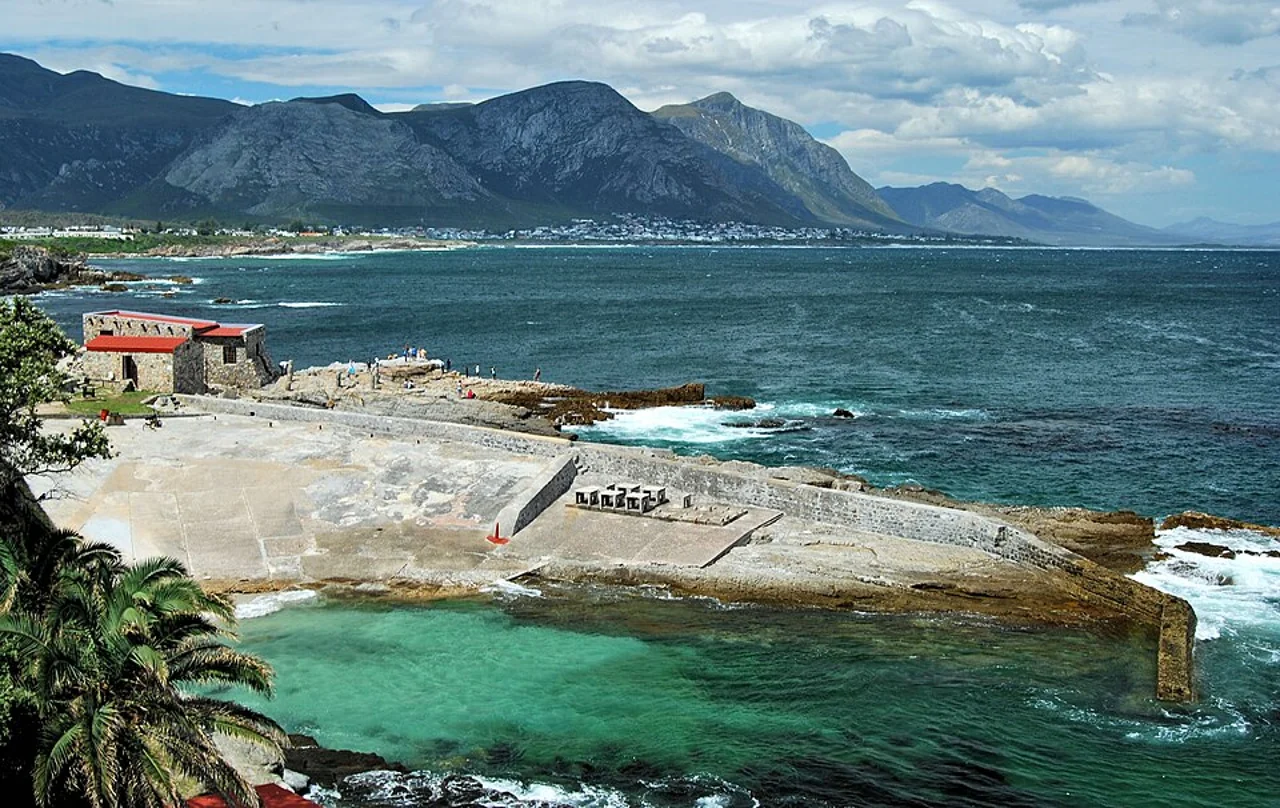
Make the Old Harbour Museum the first focus of the full day. The institution describes its work as conserving and interpreting the wider heritage of Hermanus. Begin outside, where the slope towards the water, the positioning of buildings and the relationship between sea and working surfaces help explain the equipment you may see later. Ask staff which exhibition spaces are accessible on that particular day. The outdoor harbour scene and controlled museum premises are separate: an open entrance does not prove that every component can be visited.

The institution's own page and tourism descriptions do not present completely identical visiting and presentation hours. This guide therefore makes no fixed timetable or daily-show promise. Current institutional notices and direct confirmation take priority. If a specialist talk or presentation matters to your visit, verify the date separately. When looking at fishing tools, follow a process rather than counting objects: preparing a boat, bringing a catch ashore, sorting it and keeping it usable. That sequence also gives families a better conversation than simply taking a photograph of the water and moving on.
Whale interpretation and De Wet photographic memory
Hermanus Tourism presents the Whale Museum and De Wet Photographic Museum as different parts of the town's museum story. One interprets marine life, while the other highlights photographic memory. Do not programme them as two unrelated metropolitan museums requiring a whole day each. Choose one or two small components for the afternoon, according to confirmed access. The history of moving the former school building associated with the photographic museum is an interesting starting point for thinking about preservation: a town keeps memory alive through decisions about buildings as well as through objects.

Compare archived views with the present shoreline where possible, but remember that permission to visit photographs is separate from permission to reproduce them. The licensed exterior photographs in this guide do not depict the museum's interior collection. If a small component is closed that day, there is no need to rush to a distant attraction to fill the gap. Returning to the harbour and relating the equipment to its physical setting, taking a quiet drink and continuing with a short walk can be a complete and worthwhile alternative. The itinerary remains useful without treating access uncertainty as something to conceal.
Lunch: understand the fish option on the menu
For a concrete meal example, Burgundy Restaurant's own menu includes a hake and calamari combination. Comparing white fish and calamari in the same meal is an approachable option for a coastal day. This is not a guarantee that the dish will be available when you arrive: ask about the current menu and preparation before ordering. A restaurant serving seafood does not establish that everything was caught in Hermanus that morning. Base any provenance claim on an explanation from the kitchen, rather than on the view from the table.

The same menu includes farmed abalone. That should not be converted into advice to collect wild shellfish. Travellers seeking a lighter meal or an alternative to seafood can ask what is available on the day. Consider the rest of the museum visit and the walking distance when choosing a large individual plate or a shared meal. No fixed price, portion size or walk-in table is promised here. A scenic lunch should remain a rest between the harbour's working history and the afternoon route, rather than replacing the cultural focus that brought you to this part of the town.
Cliff Path, New Harbour and separate neighbourhood choices
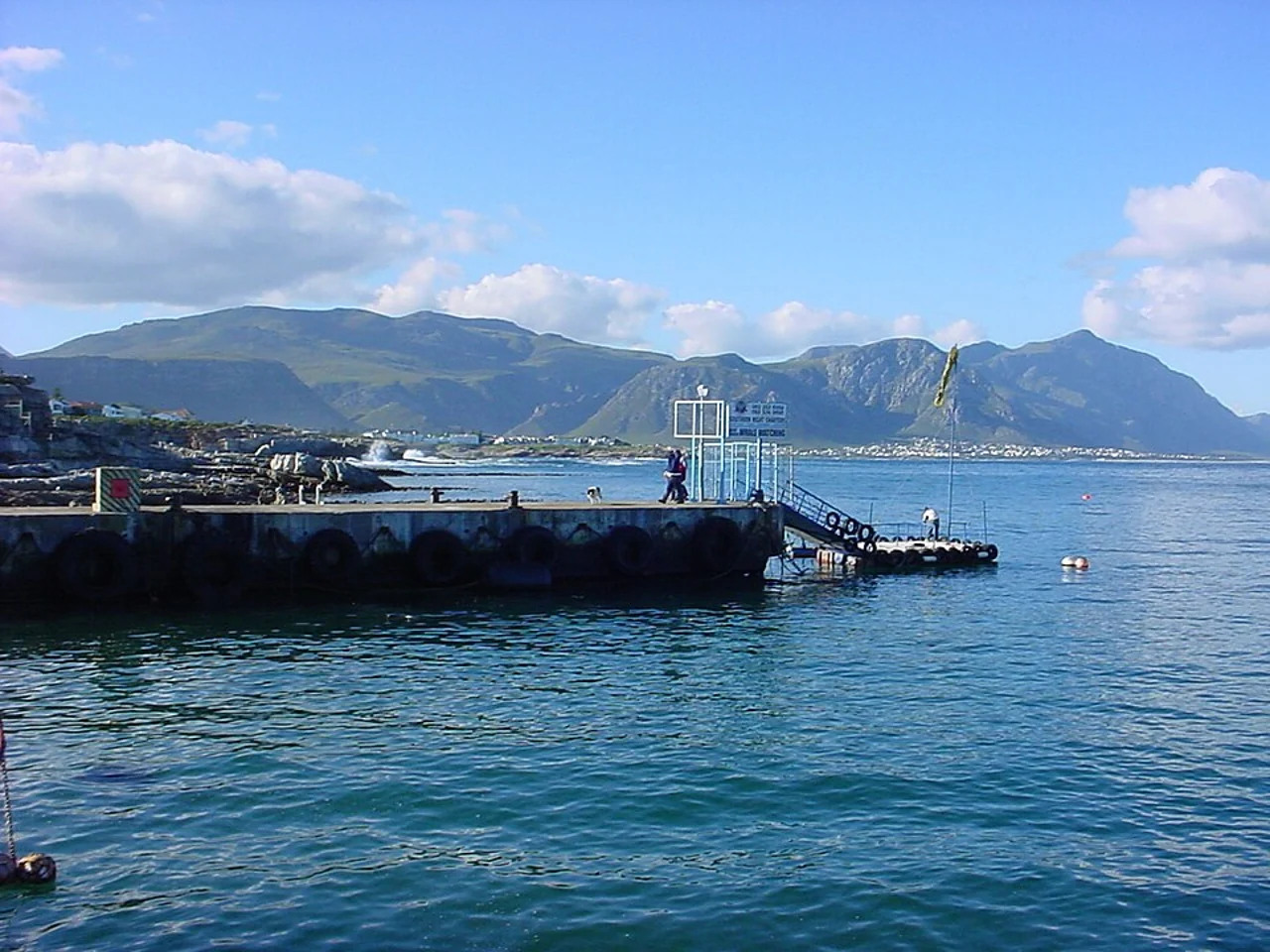
An accessible short section around Cliff Path can provide a second urban focus in the afternoon. Decide your entry and return points before setting out, and choose a walk that can be shortened if wind or tiredness increases. Approaching cliff edges, descending to rocks or using unsafe steps is not necessary for this route. The new harbour is a different working environment; seeing boats in a photograph taken from a distance does not prove that its quays are freely accessible. Follow current signs and instructions from people working there.
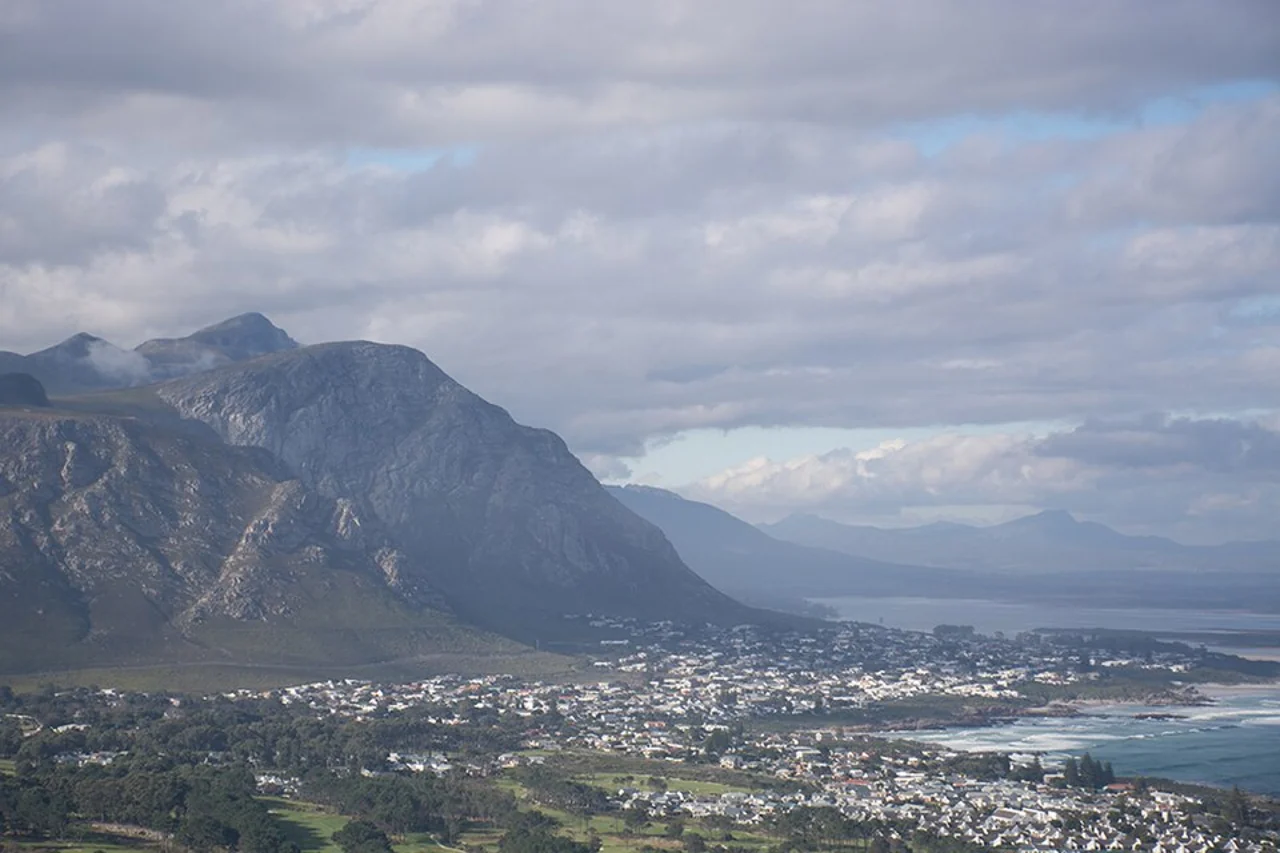

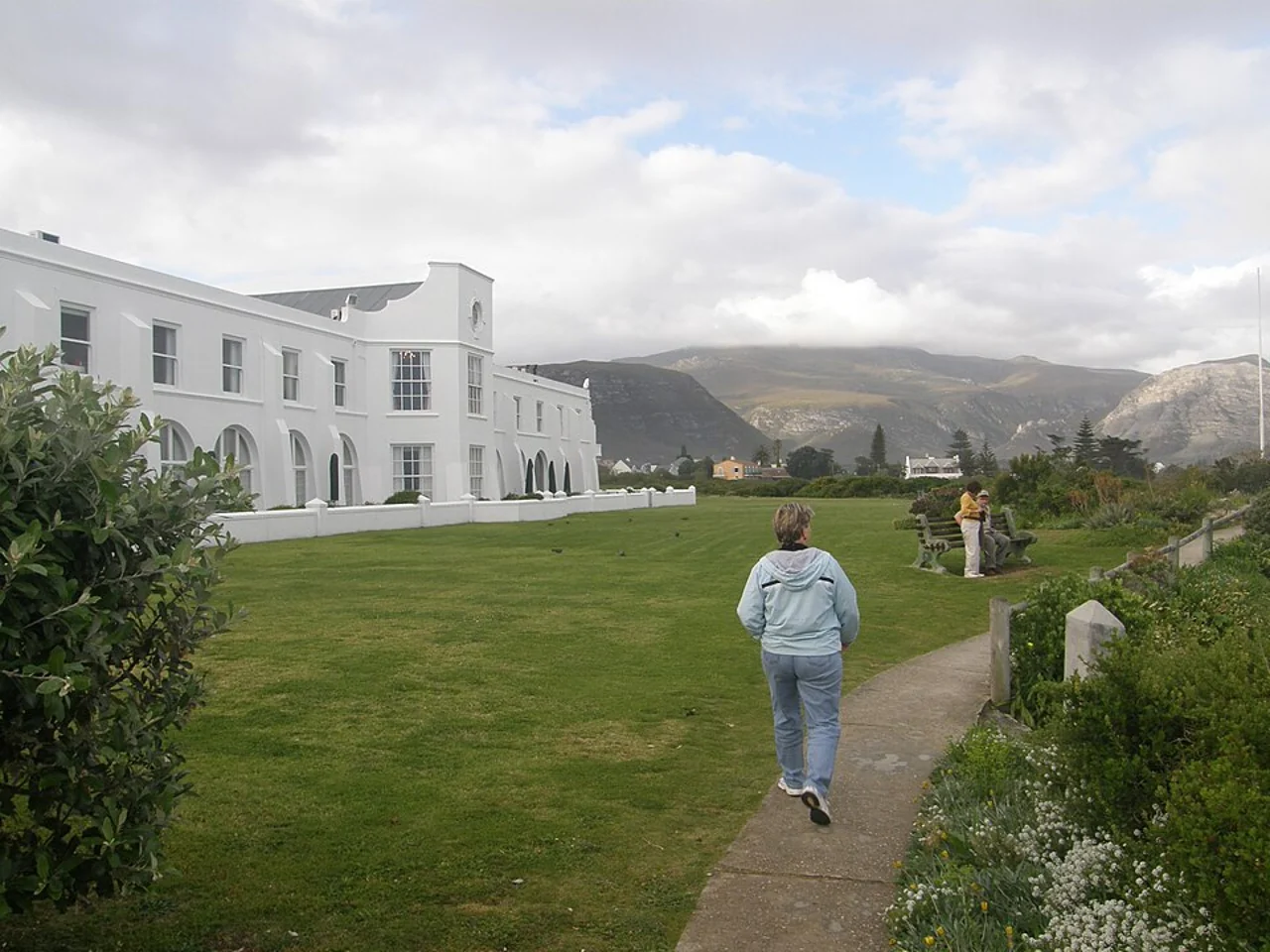
Central accommodation around Marine Drive may help travellers who want to organise the small museum day mainly on foot. Westcliff offers another starting point for a coastal walk, but confirm the actual pedestrian connection of your chosen address on a map and with the accommodation. A Rotary Way viewpoint is a separate transport decision, not a continuation of a short central walk. If going by vehicle, consider visibility and road conditions. For a local transfer, discussing the return time and meeting point is more useful than considering only the outward distance. Keep driving and walking decisions distinct.
Departure morning and an adaptable itinerary
On the third calendar day, allow only a brief final shoreline look after breakfast. Collecting luggage, settling a bill and moving towards the next destination do not constitute a second full museum day. A short visit to a previously closed component may fit if morning access has been confirmed, but do not tie departure to an unverified opening. In poor weather, shorten the outdoor walk and give more time to a confirmed indoor exhibition. In good weather, keep the link between outdoor harbour and indoor interpretation rather than cancelling the museum focus entirely.
The Stork's preparation list is short: current institutional access, the restaurant's menu for the day, safe entry and return points for the coastal walk, and the genuine pedestrian connections of your base. Checking these before travelling is more valuable than assembling a long attraction list. Historic photographs describe an earlier urban setting; they do not establish today's weather, operating conditions or whale presence. The useful idea to take away from Hermanus is to read the sea together with the labour, institutions and collective memory built around it, while leaving room for a calm and flexible visit.