
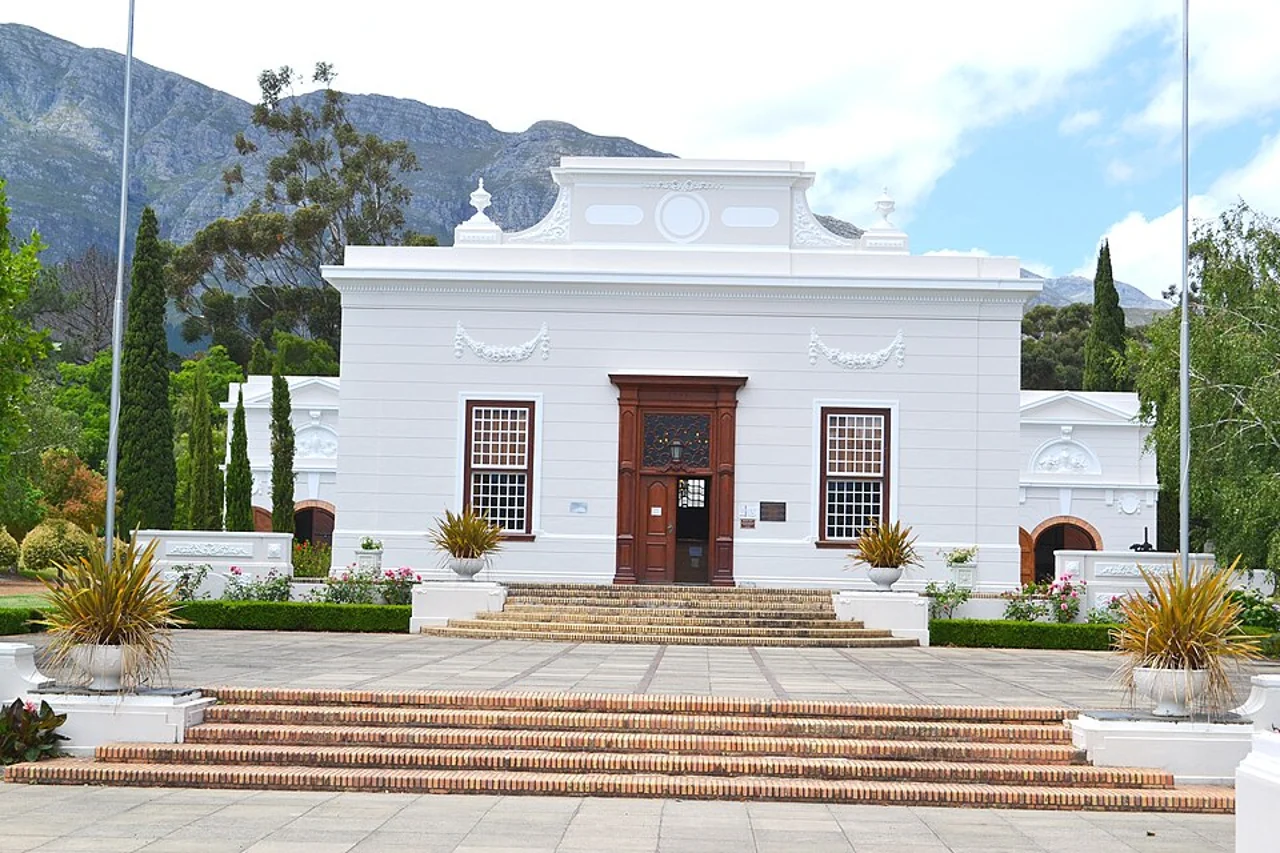
Franschhoek: two days comparing motoring and bread production
The Tatilmerkezi Stork suggests looking beyond a list of wine tastings in Franschhoek. One focus is the Motor Museum on the L'Ormarins estate; the other is La Motte's Mill Walk interpretation of grain, milling and bread. These are not one museum or a single complex that can automatically be explored on foot. Choose a town base and arrange separate transport and visiting conditions for each day. For two full visits, put arrival and departure outside them: three nights allow a settling-in day, two visiting days and then the journey onward. With a shorter stay, choose one focus honestly and leave the other for another occasion.
The route offers questions for families interested in how things work as well as dedicated motoring enthusiasts. Looking at a vehicle and considering how grain becomes bread are different experiences; production, material and use connect them without making them identical. Children can observe a transport function in the first collection and texture or smell in a meal after the second. Adults may consider maintenance and labour alongside impressive objects. There is no need to fill every available period with another activity. A town walk or relaxed meal after the main morning focus helps the two stories remain distinct instead of becoming a blur of successive entrances.
A town walk: a shared base between the visits
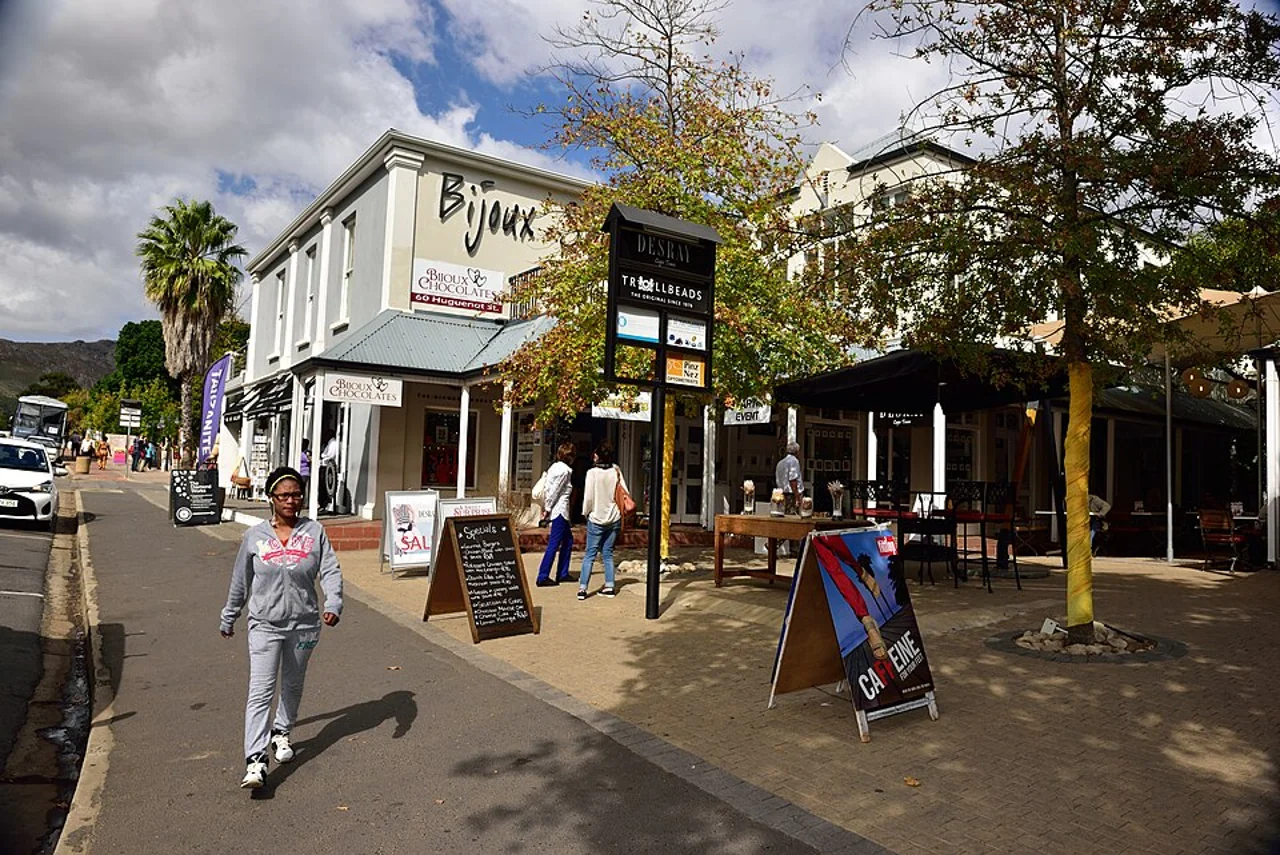
Use a short walk in Franschhoek as a connection rather than the entire day's purpose. Check the real route from your accommodation to breakfast and your return point. The historic station building and earlier street photograph show other moments in the town's life; they do not establish a current train service or unchanged business operation. The Huguenot Museum exterior provides historical context too. Its own current interior-access information could not be verified during this preparation, so entry is not presented as a confirmed part of the itinerary. Seeing a facade and visiting a collection are different things and should remain different in your plan.
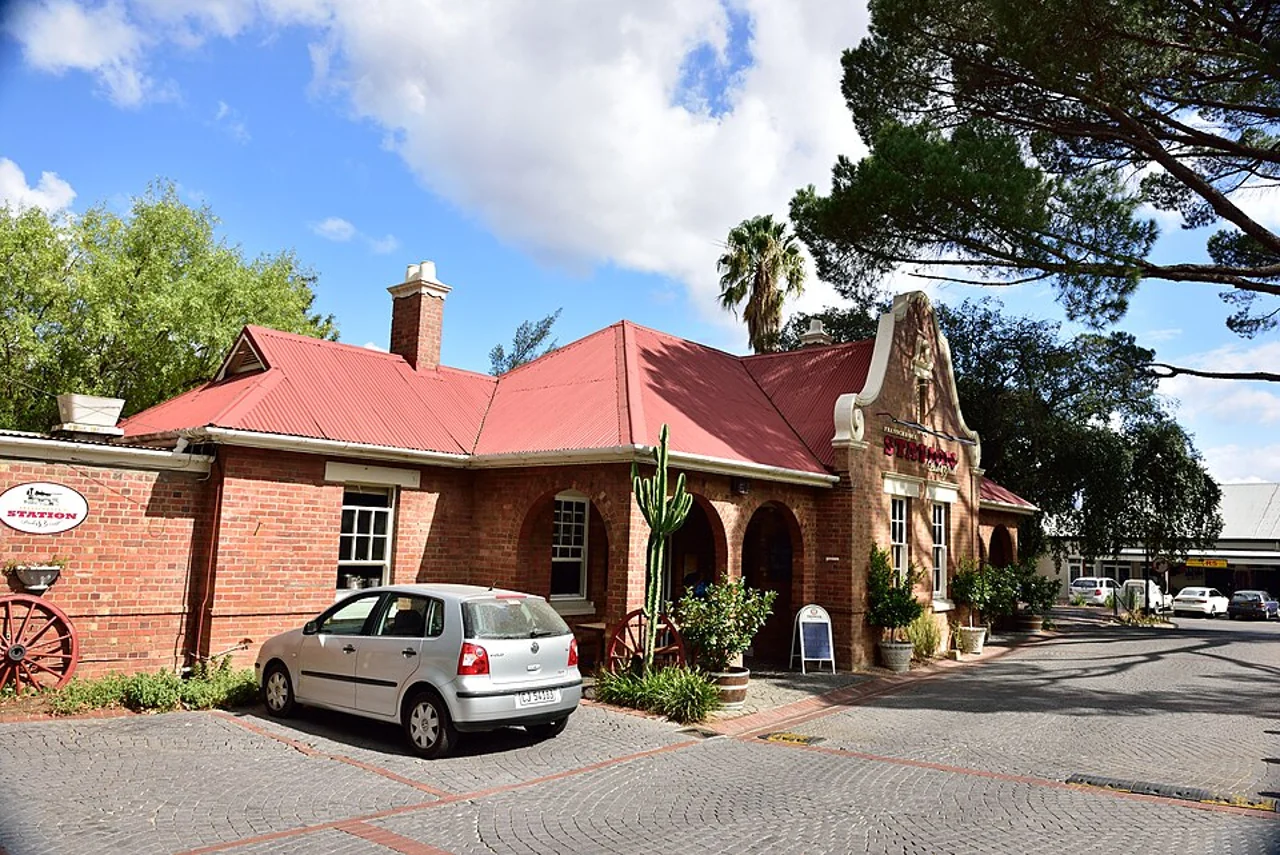

For an afternoon walk, choose your start and finish addresses, pause for pictures without blocking entrances and shorten the circuit when heat or tiredness makes that sensible. Families need only a few observations, perhaps a roof form, an old window and a different wall material. If you want a collection or special interpretation, consult current institutional information instead of relying on an exterior sign. This town portion does not imply a walking connection to the next day's estate visit. Once driving and reservations are arranged separately, the small breaks in the centre can settle more naturally into the programme.
First visiting day: Franschhoek Motor Museum
Complete the museum reservation and confirm the selected date before travelling to the estate. Its own information describes electronic payment arrangements and different final-entry periods for weekdays and weekends. It would be wrong to promise that a particular vehicle will always be displayed or that the entrance can never close. Consider the latest notice alongside your booking. An online showroom can help you choose a question about design or use, but appearing in a catalogue does not guarantee that an object occupies the same hall on your day. Follow staff instructions around the collection and do not assume permission to touch an item.

Look beyond brand and speed to passenger purpose, door arrangement, wheel scale or the material needed for maintenance. Each family member can select a detail to discuss afterwards. Estate access also has vehicle restrictions. If arriving by motorcycle or with a large group, ask the institution about parking and shuttle arrangements directly. Different institutional pages use different capacity wording, so this guide does not publish one exact seat count as an unqualified rule. An estate transfer is not the same as a public service automatically starting in town. Leave sufficient time after the visit so that reaching a meal does not turn the final collection room into a rushed obligation.
Second visiting day: La Motte Mill Walk and the grain journey
La Motte's own Mill Walk page links grain farming, milling and baking through an interpretive exhibition. Compare yesterday's vehicle with today's mill without making their purposes identical: how is energy transferred through a mechanism and how does the product change after a process? The online interpretation is useful preparation. Ask about current on-site exhibition arrangements and any milling demonstration separately. A historic mechanism does not prove continuous operation, an automatically available guide or unrestricted access to every space. If a practical demonstration matters to you, arrange it as a specifically confirmed experience rather than an expectation attached to an ordinary visit.


The aim is not to chase several paid experiences but to understand a concrete link between grain and bread. With children, consider the difference between whole grain and flour; adults might discuss sourdough and production time. If the bakery fits the same day, check its reservation and service conditions in advance. The site states that photographic identification is required for security check-in, so bring an appropriate document. The earlier historic-cellar exterior shown here is estate context, not a picture of the mill interior or today's bakery counter. You can connect the interpretation and the bread you taste without giving a photograph an identity it does not possess.
Transport and accommodation: two estates are not one walk
A town base may be convenient for an evening meal and short walks, but L'Ormarins and La Motte are separate addresses. Do not interpret proximity in an accommodation listing as proof that all visits are walkable. Without your own car, arrange outward travel, waiting and return beforehand. Separate the intercity journey from the final connection to an estate. A vehicle visible in an app now does not guarantee the same service at your later return time. Discuss luggage, child-seat or mobility requirements with both your accommodation and transport provider, and consider whether a visiting day would otherwise leave you carrying bags between appointments.
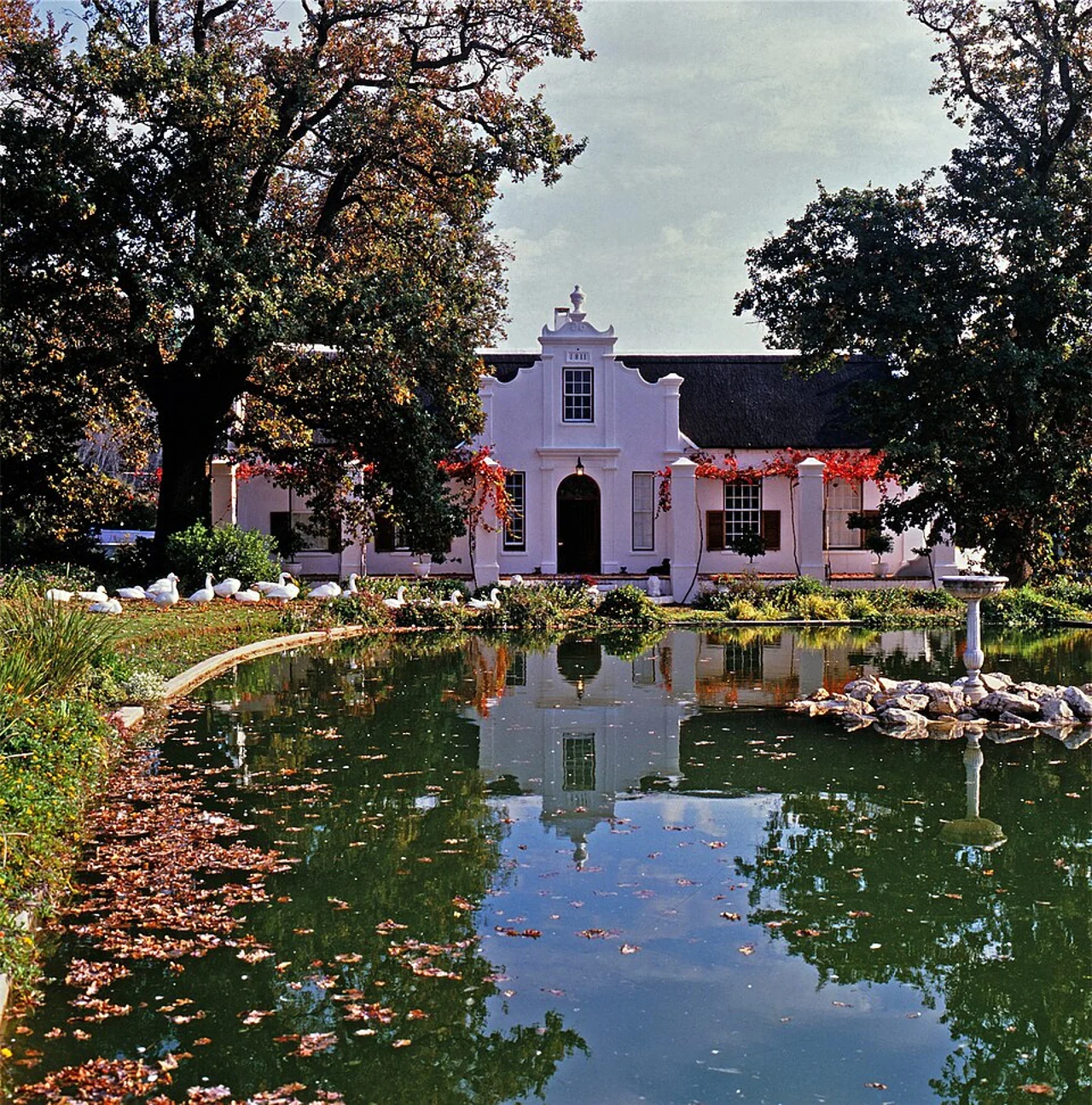

If staying on an estate, ask where dinner will be served and when travel back to town is possible. The historic L'Ormarins house photograph is neither a guaranteed current guest-room view nor a Motor Museum exhibition hall. The accommodation recommendation concerns programme structure: one base, different addresses and transport that has actually been arranged. In rain, shorten a town walk and give more attention to confirmed interior areas. If a closure or reservation change occurs, a rest and meal in the centre may be wiser than rushing to rescue the day at another estate. Separate visiting days give you the flexibility to make that choice.
A concrete meal: botanical bread and regional baking
La Motte's current producer story describes a botanical loaf using rye and organic whole-wheat flour with buchu, pink pepper, fynbos honey and the estate's olive oil. This gives the grain-and-processing questions from the Mill Walk a specific meal connection. If offered that day, try a slice simply or with a menu accompaniment and compare texture and aroma. Do not assume the same loaf is always stocked. Ask about other available bakes if it is not. The days in a particular product announcement can differ from the café's general opening days, so confirm special-bread availability separately from an ordinary meal reservation.
The café describes breakfast, brunch and lunch in its own information, with kitchen closing distinct from the final drinks period. Choose a suitable meal window before or after the main visit rather than inevitably placing it at the end. Mention serious allergies and dietary preferences when arranging your table; a short promotional ingredient list is not a complete allergen statement. Butter or honey can also change how you experience the bread. A concrete comparison of this kind makes local production enjoyable without journeys to several additional restaurants. An alcoholic tasting is optional, and whoever will drive should settle their drink choice before the meal.
Choosing with limited time and checking the final links
With one complete day, select the curiosity that matters most instead of claiming every interpretation at both institutions was seen. For motoring, place the museum reservation first and leave a meal in town. For grain and baking, confirm La Motte's current exhibition and bakery arrangements and save the Motor Museum for another day. Travellers retaining two days should check four connections: booking and payment, outward and return transport, identification requirements and food service. Allow for delay, remember that last entry can precede closing and include children's rest. These practical decisions make the visit more comfortable than another densely filled attraction list.
Sources were observed on 5 October 2026; an institutional page with a download failure is not recorded as physically retrieved. Even conditions verified through current own-source observations can change before your visit. The Stork offers one notebook question at the end: how does transport need shape a vehicle, while grinding and fermentation shape a loaf? You need not find the same answer. Noticing different materials, times and types of work turns Franschhoek into more than another scenic tasting stop. A town base and two separate production focuses provide a clear, memorable structure for this short journey.