
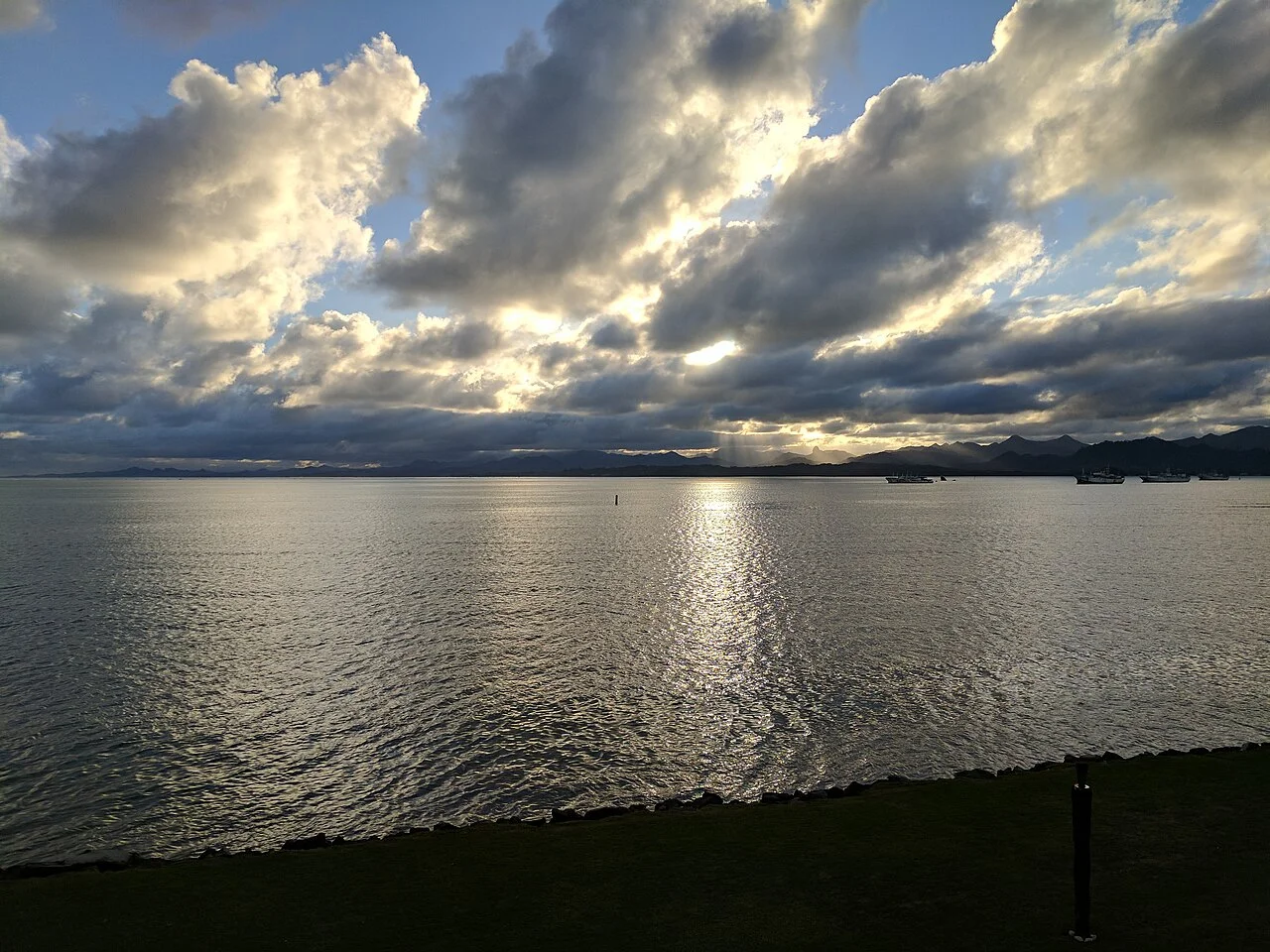
The Tatilmerkezi Stork is adding a capital-city note beside the Fiji postcard. Suva is more than somewhere to wait before reaching an island. Two nights in the city on southeastern Viti Levu can bring together market produce, harbour context, museum time and different food traditions. This suggestion comprises two complete urban days followed by departure on the third morning. If the first evening begins with a late arrival, start sightseeing the next morning. We are not creating a swimming itinerary to compete with a resort beach. The value of Suva is the chance to read a working capital at its everyday scale.
Choose one city base: the centre or southern culture focus
Accommodation around the centre is worth considering if the market and short urban connections are priorities. A stay focused on Thurston Gardens and the museum can follow a different daytime rhythm on the southern side. A property around Nasese or Laucala Bay may require a separate connection to the centre. Do not assume every hotel within a named district has the same walking convenience. Its entrance, your evening return and vehicle arrangements during rain are practical considerations. Instead of changing hotels during a two-night stay, keep the link between your chosen base and each day's focus clear.
Landing at Nadi is not the same as arriving in Suva. When adding the capital to a flight plan, distinguish Nausori from Nadi and check the airport actually named on your booking. Arrange a domestic flight or road connection using current operator information rather than treating every hour on arrival day as sightseeing time. In particular, do not make a long road journey outside urban areas the automatic answer to a late landing. This guide promises neither a fixed journey time nor a bus fare nor a domestic flight operating daily. Reaching your accommodation and finding a straightforward meal can be sufficient ambitions for arrival day.
First morning: recognise ingredients at Suva market
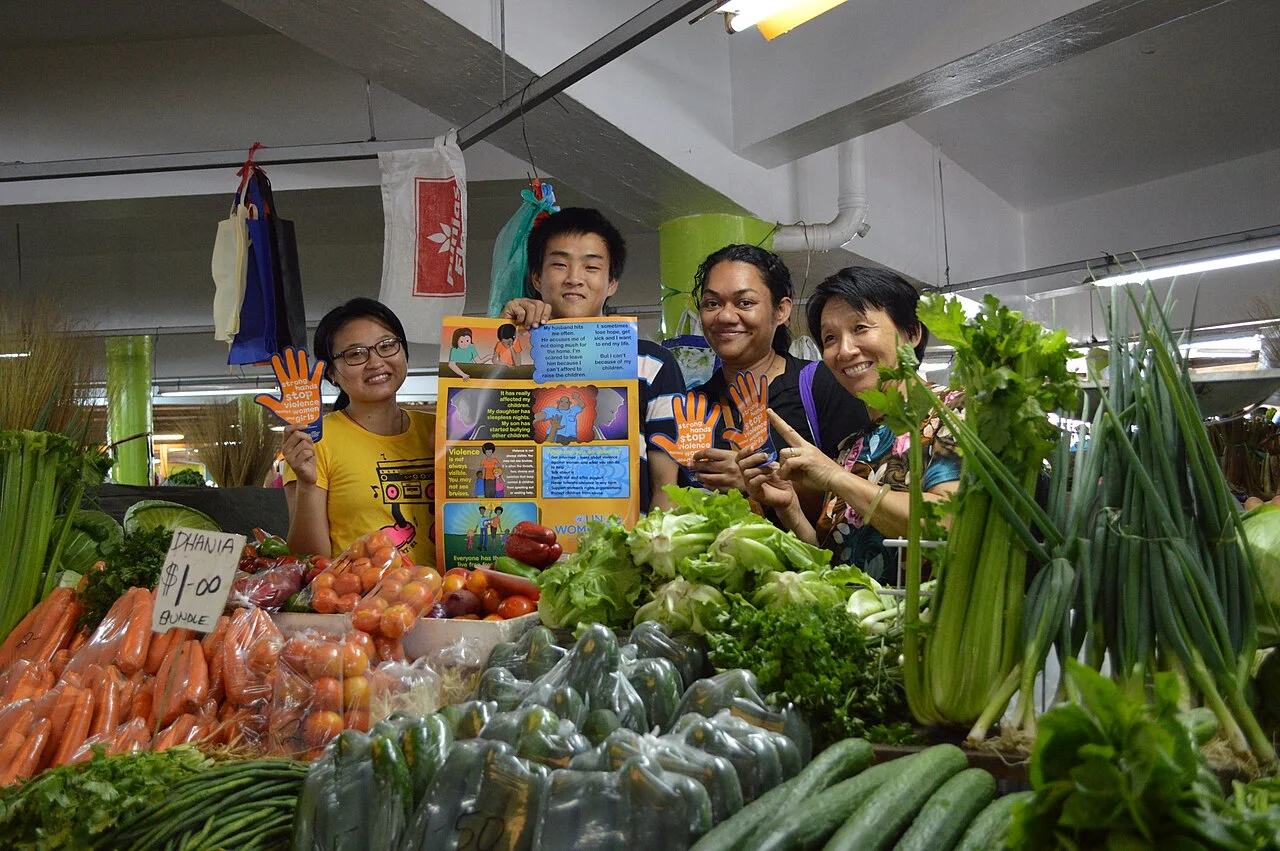
Give the first complete morning to the central market. Dalo, cassava, vegetables and other everyday produce help show that Fiji's table is more than a resort buffet. Looking at a product in front of a stall differs from blocking the passage for an extended photography session. Make room for shoppers and request permission before photographing a vendor. Asking how an ingredient is cooked may be more useful than recording it only as an unfamiliar name. Nor does every counter represent the same dish, language or community. The market is a working city setting before it is a visitor attraction.


Choose a separate seated lunch afterwards. Kokoda on a menu indicates a fish dish associated with citrus and coconut: that is a culinary description, not a claim of dietary suitability or safety for every diner. Another meal might focus on root crops as accompaniments or on a curry plate. Matching the ingredients you saw during the morning with names on an evening menu makes the city's food story tangible. We are not naming one stall as the best. The aim is a starting point from which visitors can build their own meal rather than follow a ranking or expect a fixed menu.
Town Wharf: seeing boats does not mean buying a departure
Allocate a brief daylight section to the harbour context. The Town Wharf photograph shows small boats beside the waterfront. It does not establish that visitors can board those vessels for a tour or that a scheduled service is operating. A jetty, loading area and working waterfront are not kept empty for a sightseeing scene. Observe from a public area considered suitable for access and do not enter closed working spaces. A river or sea crossing is unnecessary for this itinerary. Understanding the capital does not require taking a boat trip merely because boats appear in its photographs.
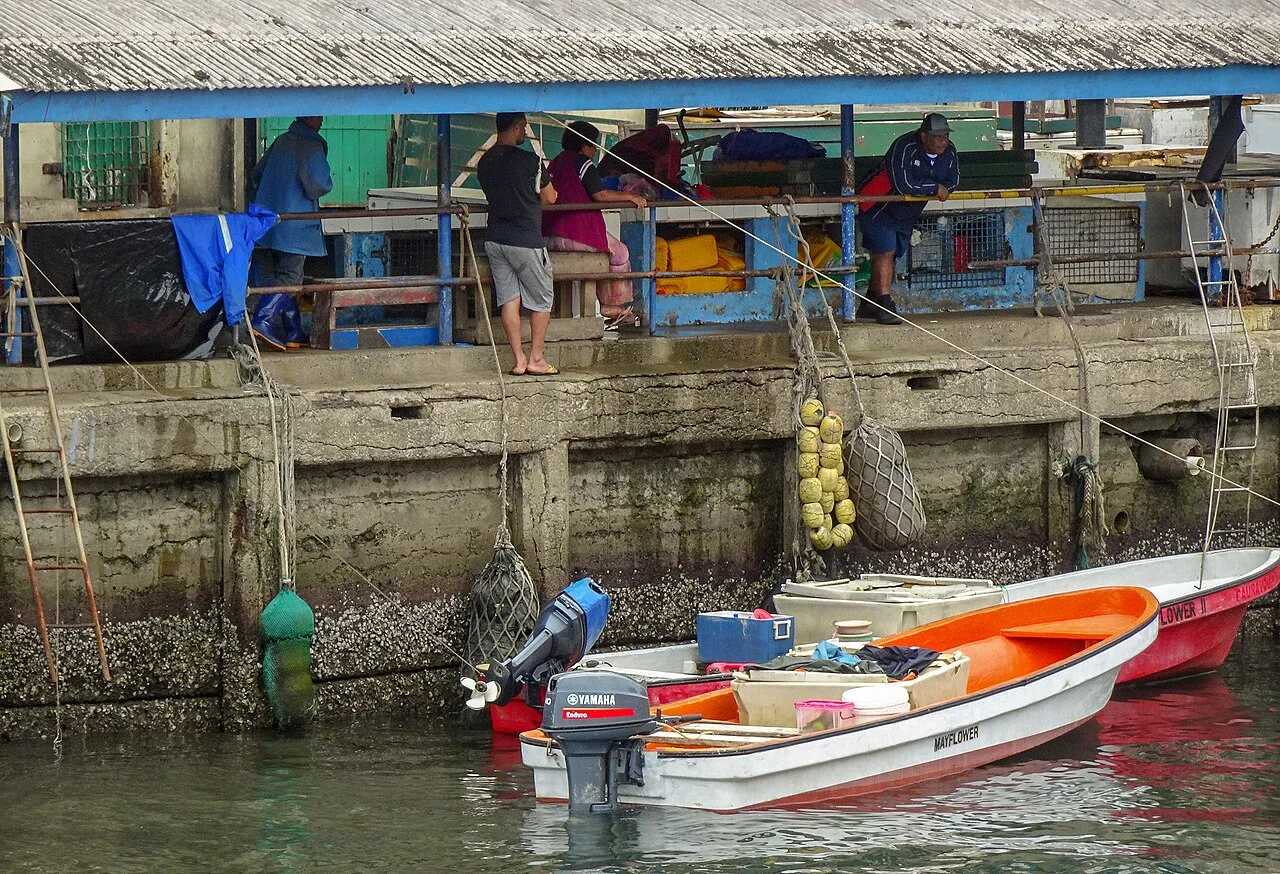

Nor must the harbour view turn into a lengthy coastal walk or a swim. A short waterside pause followed by a return to your accommodation can work better in hot or rainy conditions. The photographs' capture dates do not guarantee current jetty access or weather. Looking towards the water is an orientation exercise during this city stay; choosing a beach day belongs to another programme. Keeping the first evening to a meal and an arranged return leaves more attention available for the following morning's museum focus. An urban break can be satisfying without turning every visible setting into an activity booking.
Day two: Fiji Museum and the Thurston Gardens setting
Give the second morning to Fiji Museum. Its own website places it within Thurston Gardens on Cakobau Road and supplies the visitor information from which to select your date and admission arrangements. Choose a focus such as maritime material, history or cultural collections. That can create a better rhythm than trying to finish the whole collection in a single visit. We confirm the museum through its operator's current page rather than an old photograph alone. Still, this guide does not claim that a particular exhibition or room is available every day. Match that interest with the programme for your date.
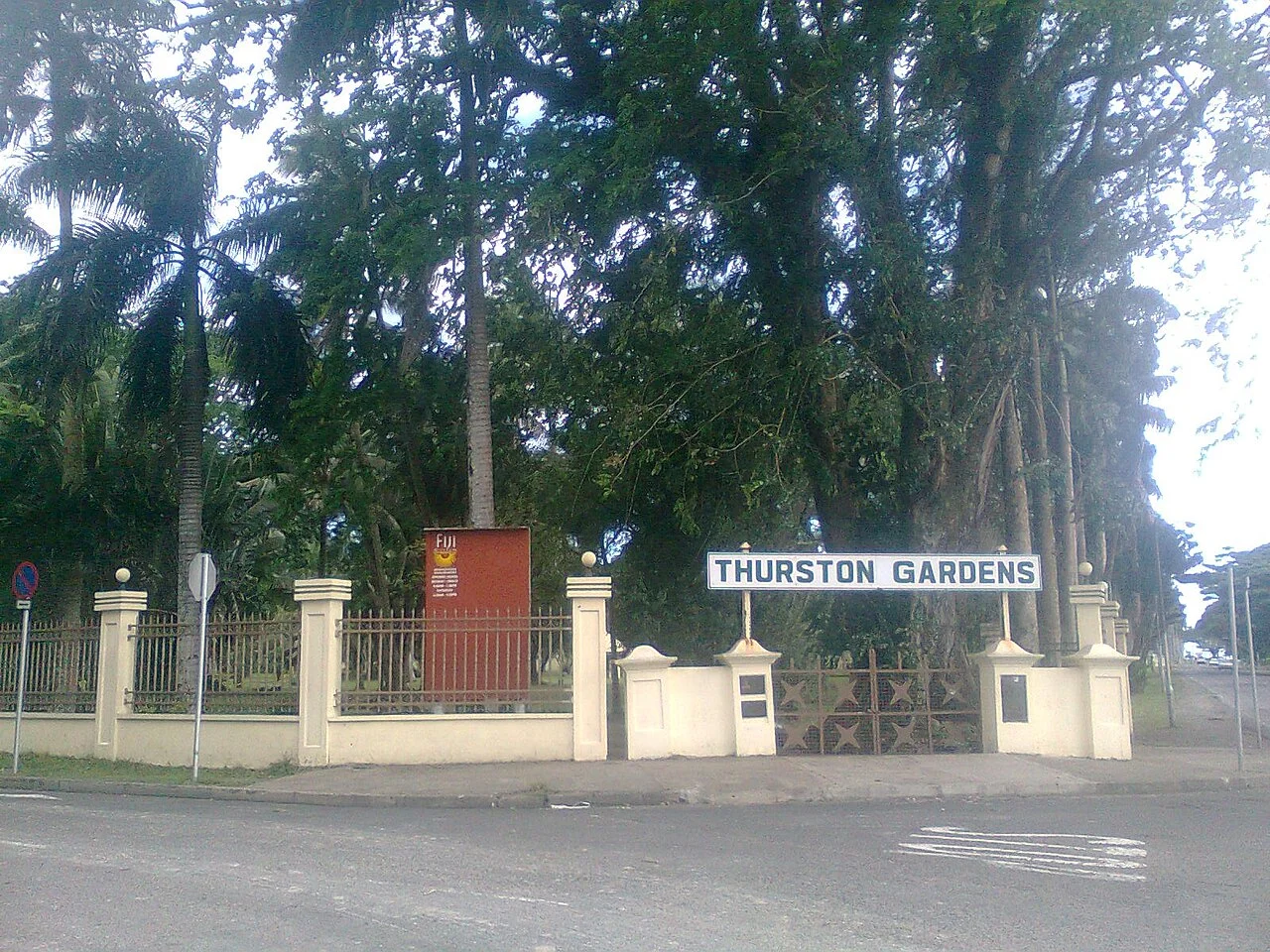

Greenery around Thurston Gardens provides a short outdoor pause alongside the cultural morning. The entrance-context image in the gallery dates from 2012. It is not documentation that all entrances currently operate in the same way. Leave enough time to notice planting and shade, but shorten the outdoor section if a downpour arrives. You do not also have to add a more distant forest park to this city programme. Museum and garden setting form one focus together. Gathering every natural area on the island into the same day would leave the capital as a place you passed through too quickly.
Give meals different roles: a Laucala Bay evening is one option
The second day's lunch need not repeat the previous dinner. Fiji's culinary diversity offers distinct directions through iTaukei dishes, Indo-Fijian curries and Chinese-influenced food. An official Tourism Fiji page also highlights local eating options around Laucala Bay. Use that information to consider a dinner neighbourhood, not as a guarantee of today's menu or live music. If names such as rourou, cassava and dalo appear, notice their roles on the plate rather than reducing every dish to a single coconut flavour. Two different meals can reveal more than ordering the same familiar option every time.

Lovo refers to a cooking tradition; it does not mean any restaurant has the dish ready every evening. If such a meal interests you particularly, arrange it as a separate booking decision. Two companions can share an experience by choosing different plates without turning dinner into a multi-stop crawl. Taking inspiration from official tourism information differs from visiting every business it mentions. During this short city stay, choose either a central option or a Laucala Bay focus instead of adding a new sequence of lengthy transfers at the end of the day. Let dinner have its own time and a clear return journey.
Third morning and a practical city rhythm
Official advice checked on 4 October 2026 recommends protecting belongings in cities and taking care during night walks. It identifies yellow registration plates when discussing licensed taxis. These points support keeping cultural visits and the market in daylight, with a planned dinner and return later. Severe weather can affect roads, so reconfirm your onward connection the previous evening. They are concrete arrangements for a two-night stay rather than a claim that Suva is safe in every circumstance. Conditions for your own date still determine whether an outdoor pause or transport choice is suitable.
Have luggage ready on the third morning and do not put breakfast ahead of the transfer. A useful memory of Suva might be the name of a market ingredient, the harbour's working scale, one museum theme and two different meals. This programme is neither an island-hopping tour nor a beach list. The Tatilmerkezi Stork suggests giving the capital enough time before continuing: you need not fit all Fiji into two days to become better acquainted with one city during those two days.