
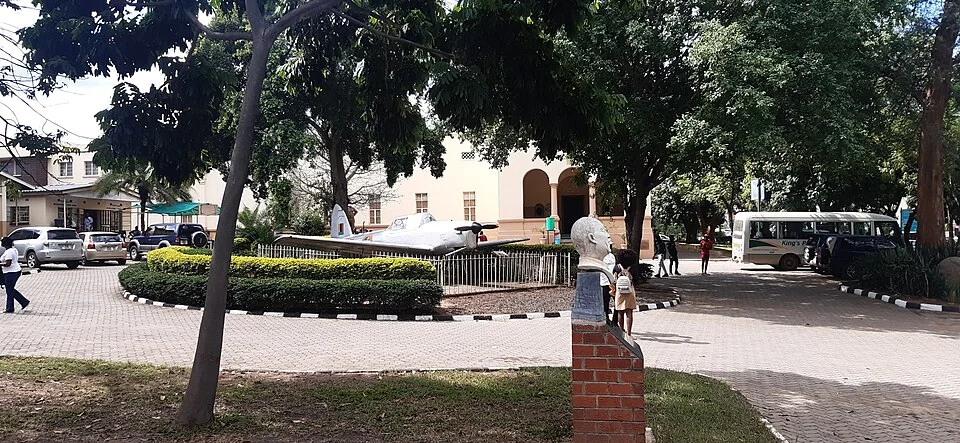
Give Livingstone a city day of its own. Keep a waterfall excursion separate, and build this day around a museum, a modest street walk and a meal whose location you have checked. The aim is to understand something of the town without continually changing vehicles. Start with one main visit, leave a flexible afternoon interval, and arrange the return from dinner before setting out. A short stay does not require a packed checklist: an activity you leave for another trip need not make the rest of this one feel rushed.
Build a manageable city route
Give the town section two named anchors: Livingstone Museum and Mukuni Park. The Zambia Tourism activity list places the museum on Mosi-oa-Tunya Road, while its destination page identifies Mukuni Park with the city centre. Visit the museum first and consider the park as a flexible pause afterwards. This is a suggested order, rather than a verified continuous pedestrian route or a promised walking time. Keep the park distinct from Mukuni Market, which the same page describes at the falls entrance. Save the two names separately and choose walking or a vehicle according to conditions on the day.
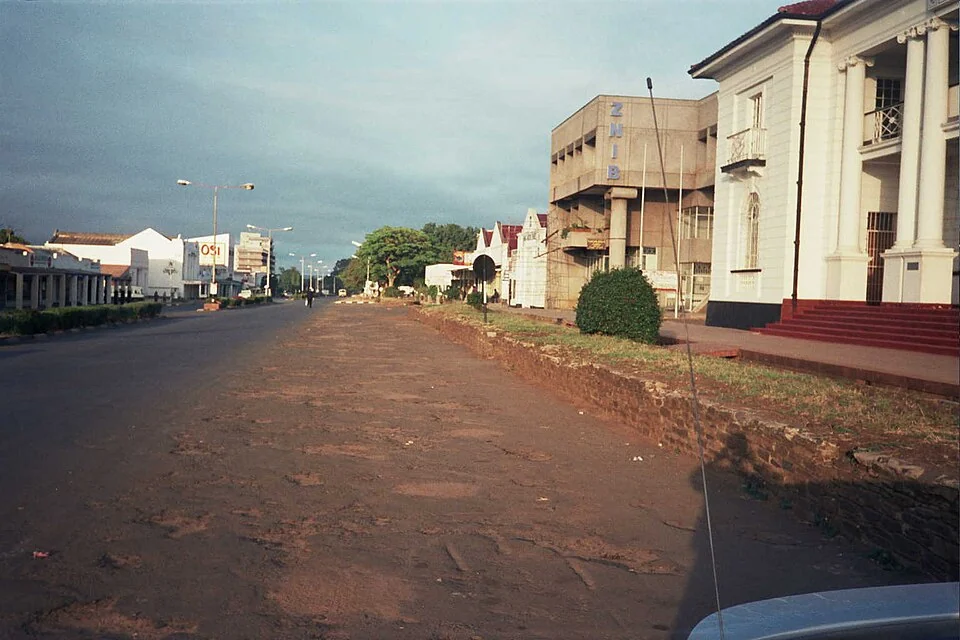
Divide your first plan into three parts: the museum area, a short look along the main street, and a meal chosen with your accommodation address in mind. Before leaving, save that address, a way to contact the museum, and your intended return arrangement. Use broad blocks of time rather than a chain of exact appointments. A longer visit or an admission check can then fit without disrupting everything that follows. Put a waterfall activity on another day instead of treating it as a final stop in this urban itinerary.
A street walk does not have to become a distance target. Check your position first, stop somewhere appropriate, and decide on the next small section. If travelling together, agree on a meeting place that is easy to describe, such as your accommodation entrance. Taking photographs does not require stepping into traffic or approaching operational railway space. A few attentive pauses can make a more comfortable city afternoon than a long walk with no clear return plan. Keep enough time to go back for something you need before dinner.

Begin with Livingstone Museum
The National Museums Board describes galleries covering archaeology, ethnography, natural history, history and David Livingstone. Choose one or two areas that interest you instead of assuming you must read every display. Leave room for an unexpected subject to hold your attention. The institution states that accessibility is available; ask about the particular entrance and spaces you need rather than assuming that a general statement answers every practical question.
The Livingstone Museum visitor information page gives a general opening programme of 09:00–16:30 and explicitly lists closures on 25 December and 1 January. Plan the museum part of the day around that interval, while confirming your intended date for any special closure or visit arrangement. These are Livingstone Museum hours, not Railway Museum hours; do not transfer the programme between institutions. Before treating an entry charge as a fixed budget, ask about the current tariff for the adults and children in your group and the payment arrangements. Share the confirmed visit information with your companions so that everyone follows the same plan.
The town’s railway memory in photographs
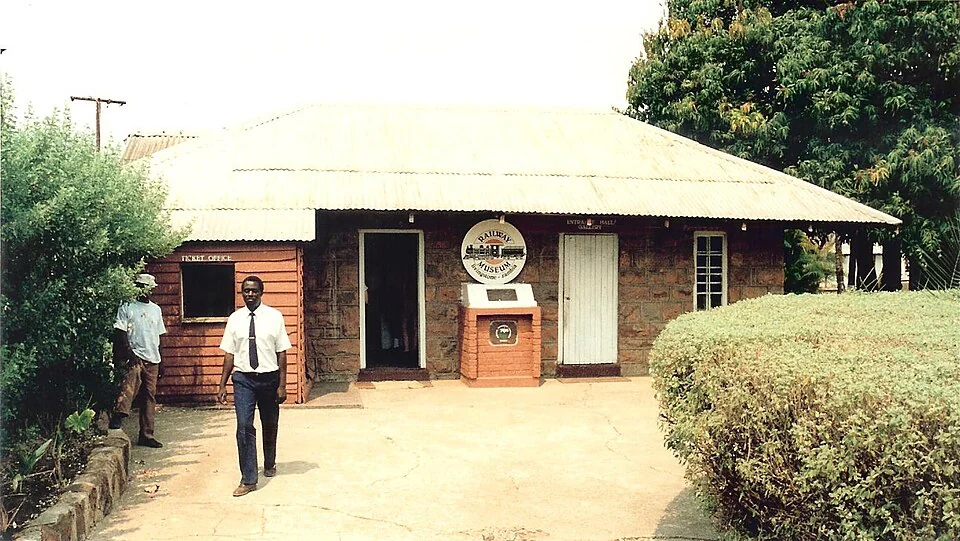
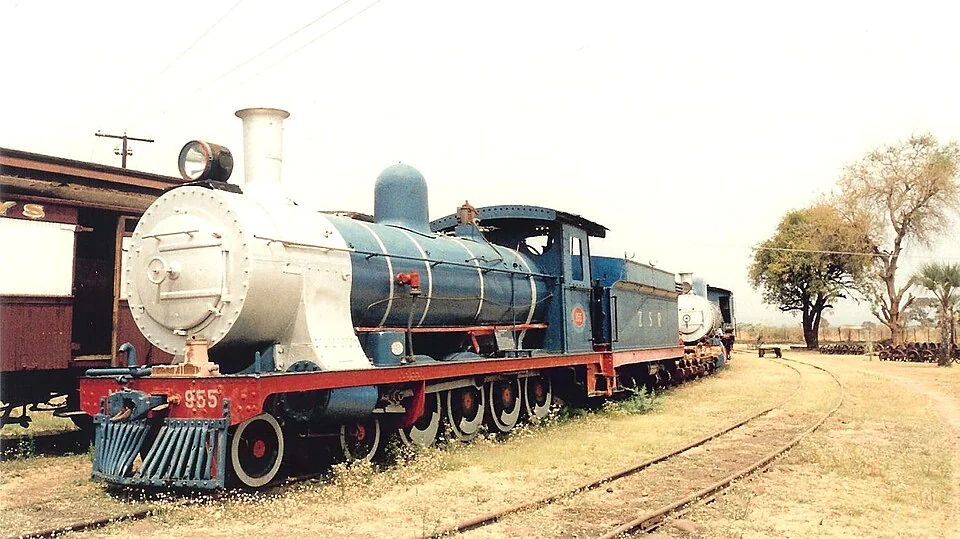
The visitor stops in this city day are Livingstone Museum and the area around Mukuni Park. Read the railway photographs as a historical part of the guide rather than another stop to reach. The museum entrance and locomotive images below were taken on 11 September 1997. Look at their details without assuming that the same vehicles remain in the same positions today. The people outside the entrance give one image a human scale, while the locomotive photograph concentrates on the machine.
Keep the station and museum photographs separate from your route map. This itinerary does not recommend a railway visit, offer visiting hours or propose a train ride. Follow the location and date in each caption, and keep the practical day centred on the documented main museum visit, a city pause and the Highlands meal. That preserves a historical layer without breaking the afternoon into additional transport arrangements. If you wish to investigate the railway institutions further, treat that as a separate trip plan requiring its own visitor information.


A specific meal idea: nshima with an accompaniment
White Rhino's own restaurant page lists nshima with relish. Use that as a meal idea and ask which accompaniment is being prepared that day. The page also mentions ifisashi, kapenta and village chicken. It describes ifisashi as greens in peanut sauce and kapenta as dried fish. A published menu is not a promise of daily availability; discuss ingredients and any dietary requirements directly before placing an order.
The business says that visitors who are not staying there may eat at the restaurant, and notes that meal times can vary. Its address is Plot 4424/159 in Highlands. Do not picture this as a stop immediately opposite the museum: include the outward and return journeys in your plan. Check the meal and service time first, then arrange a vehicle. This avoids treating an attractive dish name as sufficient reason for a journey whose practical details have not yet been settled.
Choose accommodation and transport together
If arriving by air, Proflight Zambia's Livingstone arrival page lists a direct connection from Lusaka. Check the separate Livingstone departure page for the return journey. Match the flight day and time to your own dates; this guide does not guarantee daily frequency or ticket availability. Avoid giving an arrival-day museum visit a fixed appointment immediately after the flight. Starting the town plan after collecting luggage and checking in leaves more flexibility.
When considering a room, compare its full address with the three parts of this route rather than relying on the city name in the listing. A location around the centre may help with the museum and street section. Highlands may suit the meal stop, but do not book on the assumption that every part of the day will be within walking distance. Ask whether airport collection, a town vehicle or meal preparation is a separately charged service. This guide does not confirm any property's availability or quote a transfer rate.
For a named Highlands option, White Rhino Apartments advertises self-catering units at the same Plot 4424/159 address as the meal stop. That choice calls for a different transport plan from staying in the centre for the museum section. If you want to cook, compare the apartment layout and beds with your group before choosing. The provider publishes standard check-in from 14:00 and check-out by 10:00; ask separately about availability and flexible times for your dates.
Before entering a vehicle, agree on the destination, waiting arrangements and return plan. Keep an address available offline, with the place name written out as well as a map location. If dinner involves a late return, settle that before eating rather than when the meal ends. With children, allow breaks instead of adding another attraction whenever there is a gap. For a traveller with limited mobility, the museum's general accessibility statement does not establish the suitability of every vehicle or pavement along the route.

A final check before setting out
Check three things: museum admission, the restaurant's meal time and your return transport. If one answer is missing, leave that section flexible rather than cancelling everything. A museum visit and a short street walk can form a worthwhile day on their own. You do not have to pull tomorrow's activity into the evening simply because the plan has become shorter. A good itinerary sometimes works because it leaves an unhurried interval between its main stops.
Official institutional and business pages were checked through web observations on 6 October 2026. This records source research, not an on-site visit, a service guarantee or an inspection of every business in Livingstone. Historical street and railway photographs should retain their individual dates in their captions. A building, dish or vehicle appearing in an image does not establish a current price or admission rule. Take your curiosity into the city, and confirm the practical details before making them the fixed points of your day.