
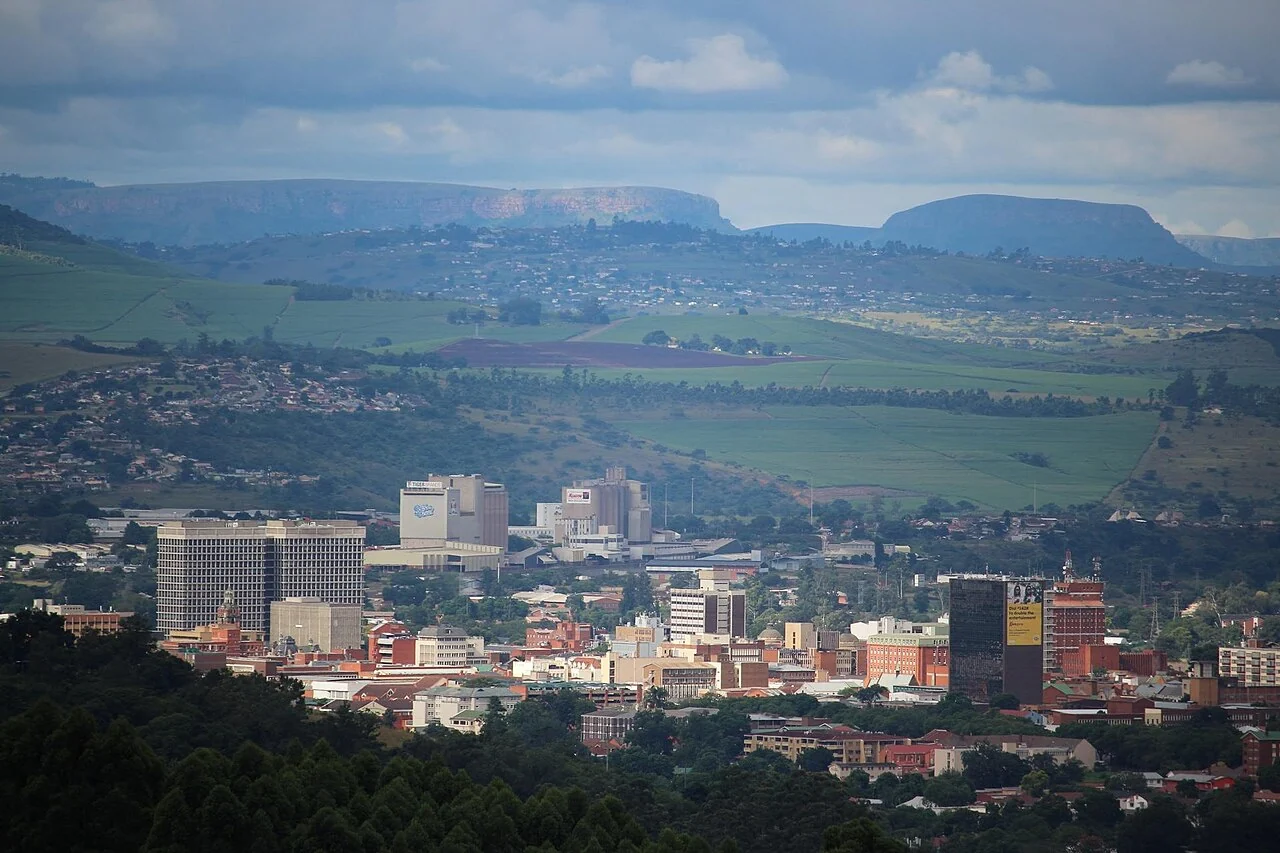
Pietermaritzburg: city memory between two collections
Tatilmerkezi’s Stork visits inland KwaZulu-Natal with a two-collection purpose. Spend one main day with the natural and human sciences of the KwaZulu-Natal Museum, then another with the cultural encounters explored at the uMsunduzi Museum. This is not a Durban beach itinerary with the city name changed, nor an attempt to fit the whole Drakensberg into spare hours. It is a compact urban break built around two institutions, selected architectural exteriors and useful meal pauses. Give yourself time to understand the objects rather than treating each building as a mark to remove from a checklist.
The institutions do not share the same weekend arrangements. The Pietermaritzburg uMsunduzi site is closed on Sundays, while the KZN Museum publishes a separate Sunday opening window. For a Saturday-and-Sunday stay, begin with uMsunduzi and keep KZN Museum for Sunday; on weekdays the order below works. A late afternoon arrival is a reason to settle into accommodation, not to race through the first collection. Two nights in one base offer a chance to concentrate without repeated packing. This makes a useful pause before or after a wider journey while keeping the city’s actual reader need separate from a national road-trip plan.
Day one: KwaZulu-Natal Museum on Jabu Ndlovu Street
Your first main address is the KwaZulu-Natal Museum at 237 Jabu Ndlovu Street. Natural and human sciences invite different forms of attention: a classification label on an animal specimen raises different questions from a cultural object’s use and community context. Select a manageable section before trying to absorb every display. Travellers visiting together can each choose an object and explain it to the other afterwards. That is often more rewarding than standing at the same crowded case attempting to read everything at once. Families may prefer a short section, a break and a second section rather than one uninterrupted visit.
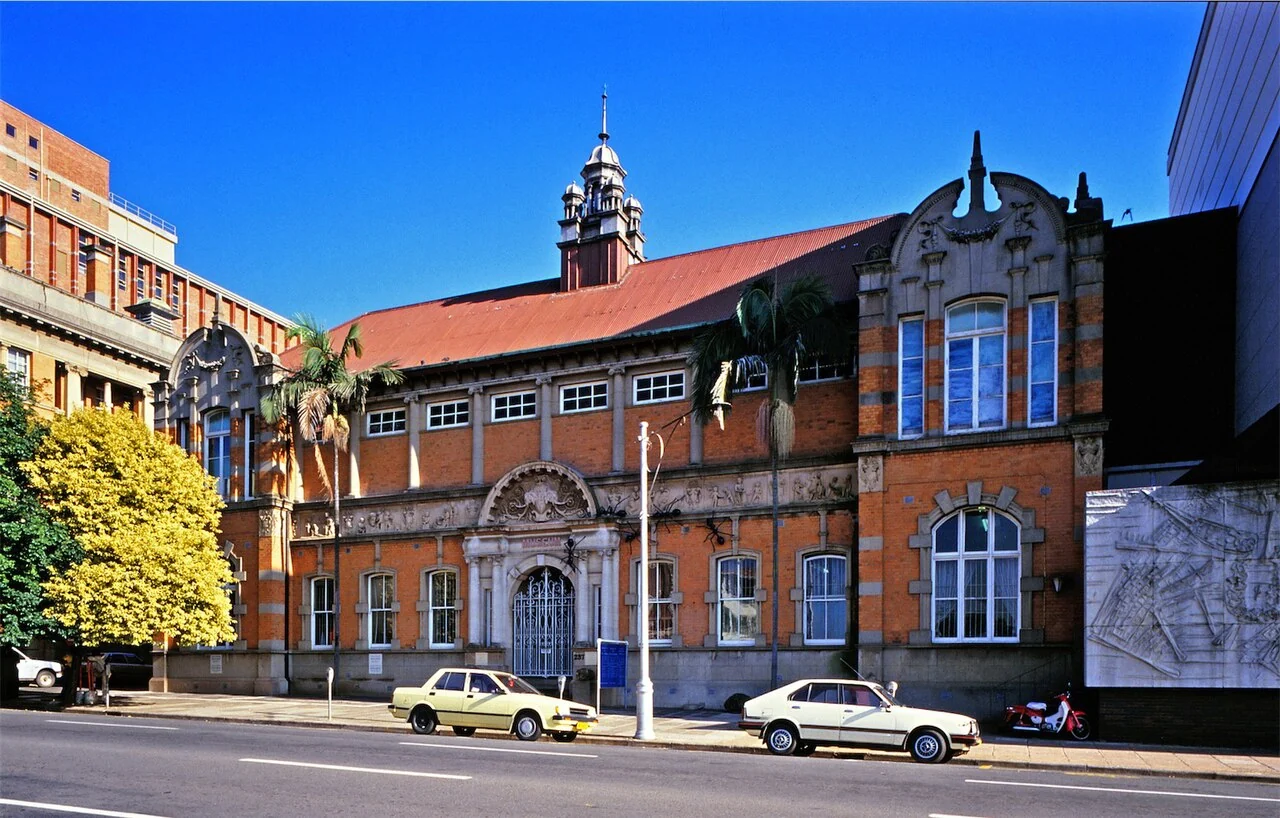

The current institutional homepage distinguishes ordinary weekday and Saturday arrangements from Sunday visiting. Ask about temporary displays, closed galleries and group activity for your date; general opening information does not guarantee every room will be accessible. Older event announcements remain on the website, so do not turn a past evening programme into a current booking promise. The 1988 exterior photograph used here is an explicitly historical view, not a record of today’s entrance. After the main collection, leave room for a seated lunch and a pause instead of assigning every remaining hour to another substantial museum.
Day two: uMsunduzi Museum and the correct site
For the second day, use the uMsunduzi Museum address at 351 Langalibalele Street. Its cultural-encounters interpretation introduces questions about resistance, political relationships and shared practices that differ from the previous collection. Consider who is speaking in a display, which period is being addressed and how different communities are represented. A city’s memory is rarely explained by one event or individual. The earlier name, Voortrekker Museum, does not by itself describe the whole present institution. Use the current name and check which building or collection you will actually enter rather than relying on an old guidebook heading.
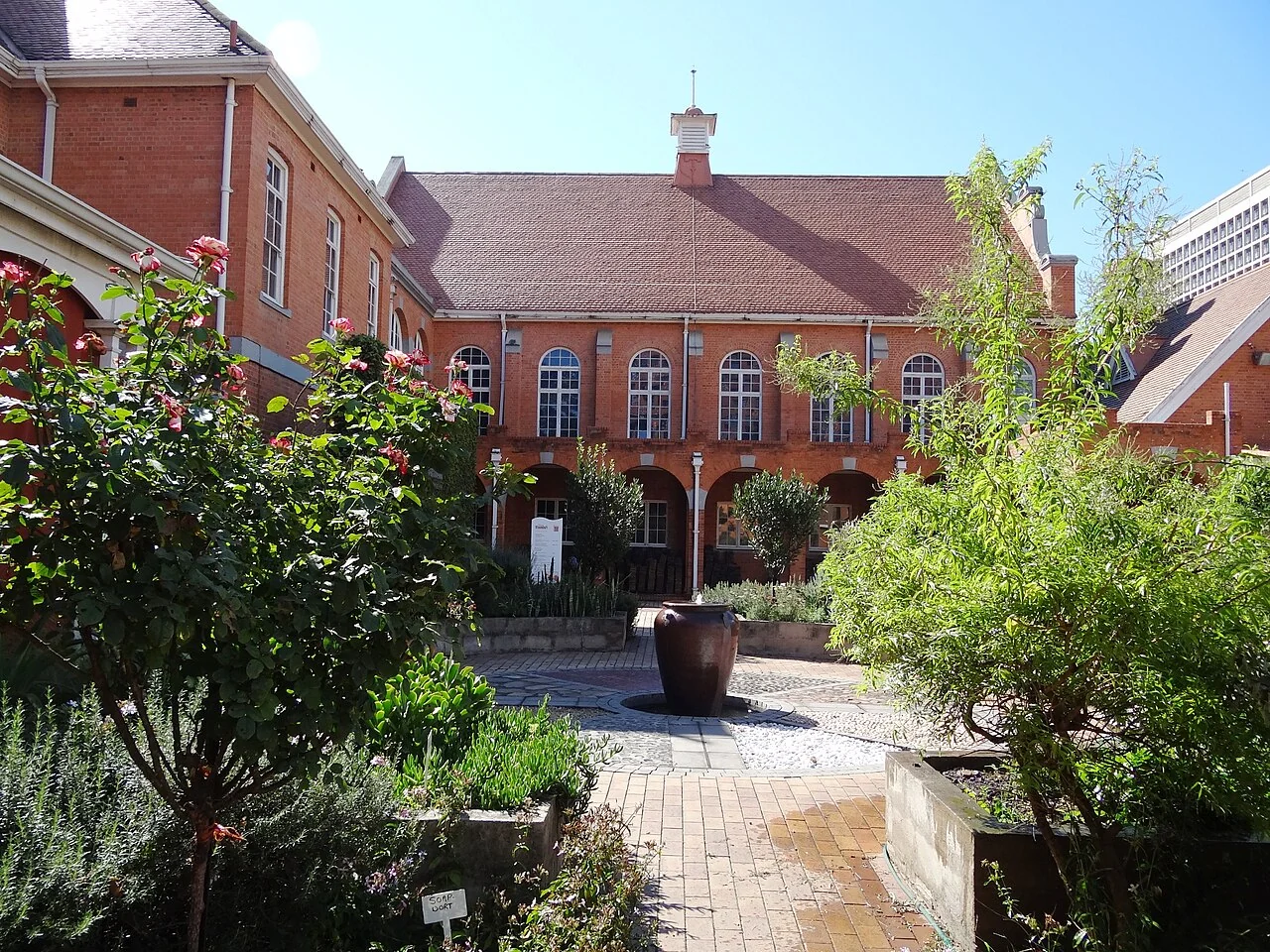

The official website also contains Ncome Museum information, but that site in the Ohaleni/Nquthu area is not part of this city itinerary. Do not copy Ncome’s weekend hours onto Pietermaritzburg. Preserve the city institution’s Sunday closure and check its shorter Saturday window before arranging transport. Fee figures differ between institutional pages, so this guide does not supply a current ticket price; ask directly about admission and a guided visit if wanted. If there is very little time left before closing, spending longer at your first museum is better than claiming to have completed a meaningful second visit in a few minutes.
City Hall: a small architectural stop after the collections
The City Hall exterior at the corner of Chief Albert Luthuli Street and Church Street adds civic architecture to your museum reading. Seeing a municipal building does not establish admission to offices; this is a brief, conditional exterior stop. Look at the entrance emphasis, symmetry and relationship to the street. Evaluate the surroundings before taking photographs, and continue by vehicle if the location does not feel suitable. Understanding the city does not require a long camera walk through every central block. The architectural stop should serve your experience rather than becoming an obligation that displaces the collections.
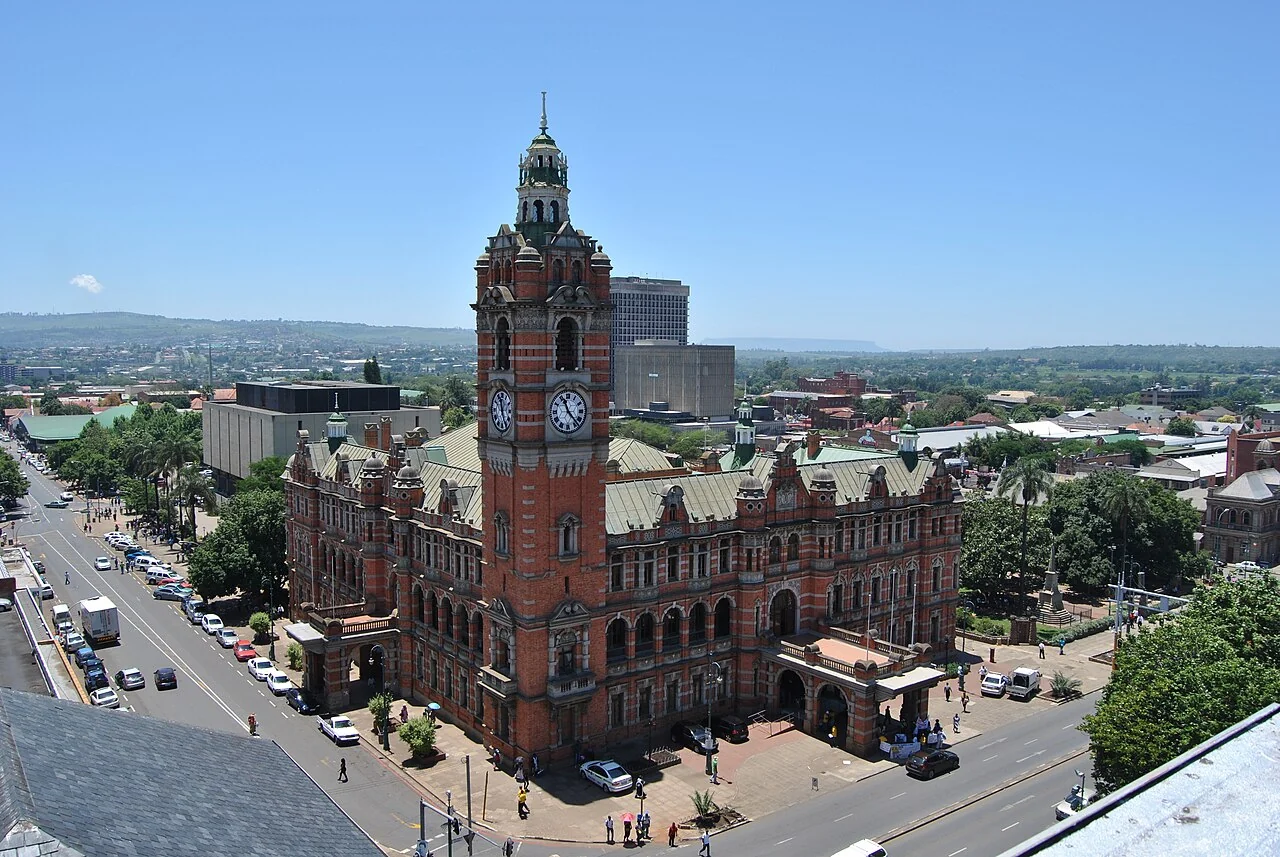

Give the museums the best part of their visitor day and fit the exterior pause into genuinely spare time. Leaving bags at accommodation and deciding the return pickup point beforehand makes the stop easier. Nearby map markers do not automatically form an enjoyable walking route: crossings, heat and security conditions still matter. Avoid extending the evening to collect façades after dark; finish with a selected meal and reliable journey to your base. Store institution and accommodation contacts offline so a missing connection does not become the practical problem that dominates the second morning.
Msunduzi River: city context, not a swimming recommendation
The Msunduzi River offers a different environmental context from the city’s built heritage. The Camps Drift photograph here dates from 2006; it is not evidence of current water quality, public access or an available sporting activity. This guide does not promise swimming, independent canoe rental or an uninterrupted safe riverside walk. If you want an outdoor pause, ask your accommodation about a currently suitable, permitted place and assess weather and local conditions. A sheltered meal break remains a sensible alternative. The image’s purpose is to remind you that the city’s setting extends beyond its stone and brick institutions.
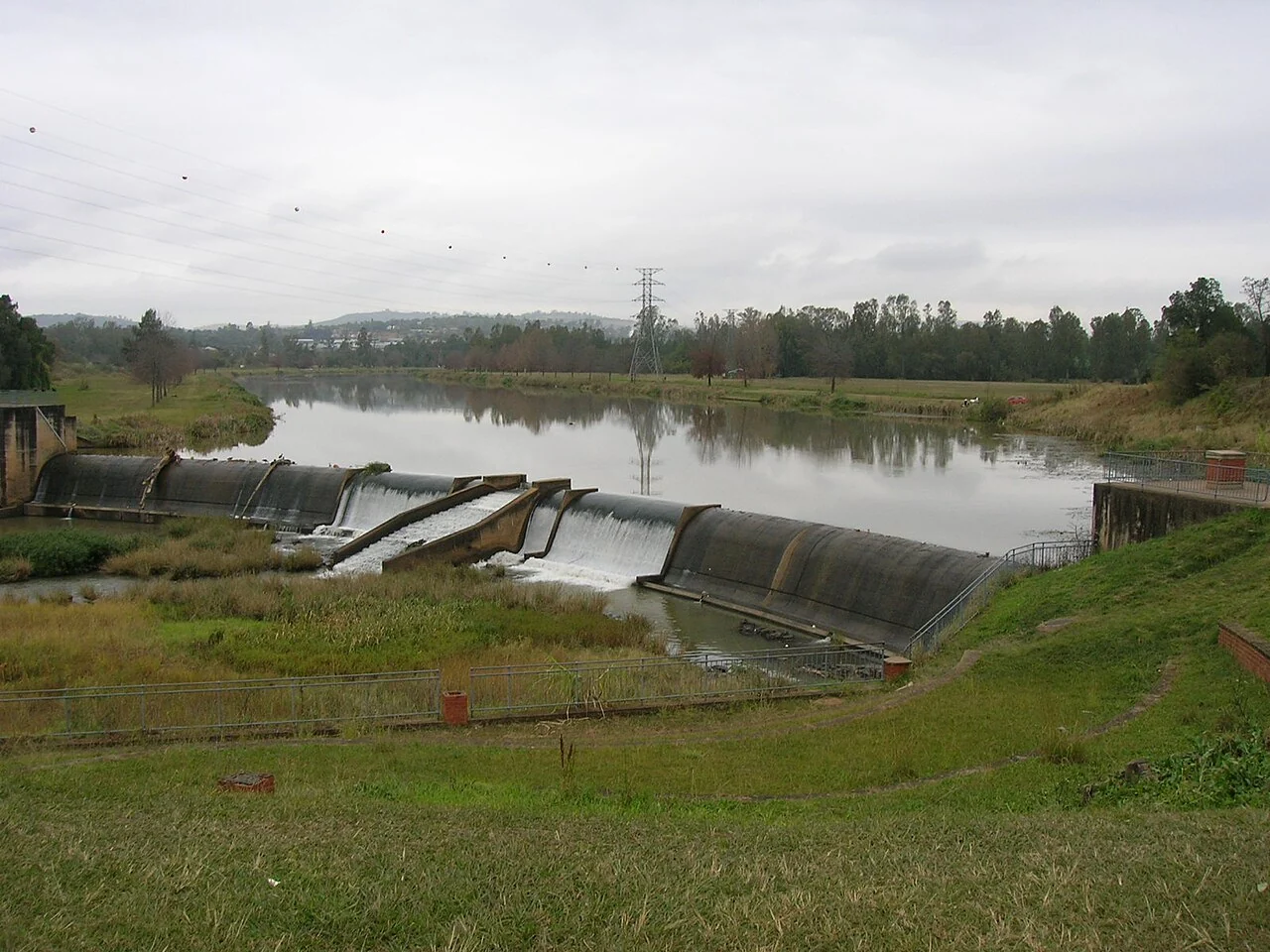

Keeping distant countryside excursions outside these two days has a practical benefit. A coast or mountain outing needs separate time and transport, and inserting it before the collections are finished scatters the visit’s focus. Take suitable shoes, water and sun protection for any outdoor stop, but do not treat equipment as a substitute for access confirmation. Families and travellers with mobility requirements can also ask the museums about entrances and seating before arrival. A small, comfortable pause often contributes more than an additional journey undertaken simply because an itinerary appears to have an empty afternoon.
Meals: a small window into KwaZulu-Natal curry traditions
If the actual menu offers it, bunny chow can make a useful introduction to a regional curry tradition. Curry is served inside a hollowed piece of bread, and the official South African tourism account associates the dish with Durban; this guide does not claim it originated in Pietermaritzburg. Filling, bread portion and heat vary by establishment. After the museum, read the real options and choose an appropriate serving rather than assuming one standard recipe. Meat or vegetable fillings should be checked directly, and allergies or dietary needs explained before ordering. Curry should not be treated as a single spice level or an identical sauce in every restaurant.
Balance the second day with a lighter meal and, if available, a small sweet stop. Melktert, a milk-filled tart known nationally, gives a different choice from the first day’s curry lunch without being claimed as exclusive to this city. Breakfast at your accommodation can simplify an early institution visit, while a seated lunch provides a useful pause after reading labels. A historical school or museum façade is not presented here as a restaurant kitchen photograph. Instead of invented prices, calculate tickets, meals and local transport together, including whether one distant restaurant would require two extra journeys during a short stay.
Accommodation, connections and a reliable return
When comparing a base near the two central institutions with accommodation in a quieter outer neighbourhood, do not judge only by kilometres. Secure parking, evening food, accessible reception and a dependable morning pickup can matter more during a short city break. Staying in one base for both nights avoids carrying luggage through the daily visits. If arriving from Durban or another city, check the actual operator’s current service and arrival point separately. Approximate road durations quoted by a museum are not scheduled transport or traffic guarantees. No fixed minibus timetable or unverified rail connection is created for this guide.
Current official South Africa travel advice identifies crime and transport risks; these belong in the practical plan. Use trusted arrangements, avoid planning solitary night walks, keep valuable belongings discreet and do not leave luggage visible in a vehicle. Power or service interruptions can affect visits or transfers, so save contacts offline. Your last check should cover the two correct museum addresses, weekend differences, any guided-visit response, return transport and meal needs. The Stork’s suggestion is to read the two collections differently: think about natural classification and cultural objects at one, then encounters and historical relationships at the other, giving the city two meaningful and distinct days.