

Prayagraj: two complete days for river meeting and city memory
Tatilmerkezi Stork approaches Prayagraj through more than a photograph of a crowded festival. The living worship environment at Sangam, the historic garden of Khusro Bagh and the political memory of Anand Bhavan ask for different visiting rhythms. This guide uses four calendar days and three nights: arrival, two complete sightseeing days and departure. The first full day concentrates on the river surroundings, while the second combines a garden walk with one principal museum choice. Allahabad remains visible in older addresses and the current names of some institutions. Check the address rather than assuming that Allahabad and Prayagraj refer to different destinations. Travellers arriving from Varanasi should treat Sangam as a separate city visit with its own transfers and pauses, not an extension of the same ghat walk. A longer pilgrimage or festival journey requires additional planning. This short route does not promise admission to a current mass event or reproduce the arrangement of an earlier festival.
Arrival: match the exact station with the final city transfer
Seeing only Allahabad or Prayagraj on a booking screen is not enough. Match the full railway station name with the accommodation address and confirm the arrival exit. District tourism transport records mention different stations, including Junction, Prayag and Rambagh. Share the precise booked station with the hotel instead of asking for pickup from an unspecified city station. For air travel, examine the carrier’s actual services for your chosen date. An airport mentioned on an official visitor page does not establish a direct flight from your origin or the operation of a particular timetable. Keep arrival day light: leave luggage, have a meal nearby and take a short orientation walk. A late arrival is a poor reason to squeeze in a boat excursion dependent on daylight and local river conditions. Arrange the next morning’s vehicle meeting point before sleeping. Saving the hotel address offline and knowing how to contact the driver help preserve the two complete days for visiting rather than solving avoidable transfer confusion.
A Sangam morning: begin on the bank and choose boating conditionally
Give the early part of the first complete day to the Sangam area. The district’s account explains the meeting of the Ganga and Yamuna alongside the Hindu belief in an unseen Saraswati. There is no need to turn that belief into a claim that visitors can see three separate rivers. First examine the accessible bank and orient yourself, then decide whether a visit on the water suits the conditions and your group. If considering a boat, agree the route, return point, duration, passenger arrangement and total charge before boarding. If the safety arrangement or local permission is unclear, a thoughtful visit from the bank can remain the complete experience. Avoid stepping in front of worshippers for a photograph, and ask before making a close portrait. This guide does not recommend entering the river as a routine sightseeing activity. Water level, current and local instructions can change. Carry drinking water and sun protection, then allow a substantial lunch and rest before another transfer. A calm morning helps the city’s sacred setting remain more than a list of photographic targets.
The Yamuna surroundings: bridge views and restricted fort access
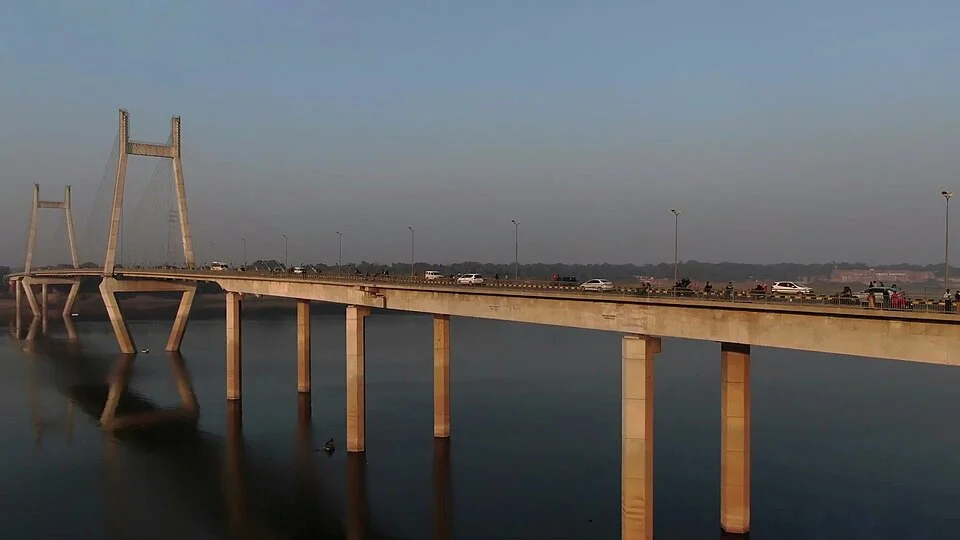
After Sangam, a separate short vehicle connection can provide a view towards New Yamuna Bridge. A photograph of the bridge is not evidence that there is a pedestrian viewing platform or a safe stopping point along every approach. Discuss a permitted place that does not obstruct traffic. If none is suitable, let the bridge remain a view encountered during the journey rather than forcing a roadside stop. The district describes Allahabad Fort as an army-used site with limited visitor access. Do not schedule its interior as a museum with unrestricted daily admission. For a particular sacred area or section, enquire about current local arrangements before relying on entry. The first day succeeds by understanding the river environment at a comfortable pace, not by entering every gate. Keep the evening near your accommodation to save energy for the following garden walk. If staying out for late light, retain a clear return arrangement. A sunset photograph should not leave your transfer uncertain or turn an otherwise gentle day into a search for transport.

Khusro Bagh: reserve a separate morning for the garden
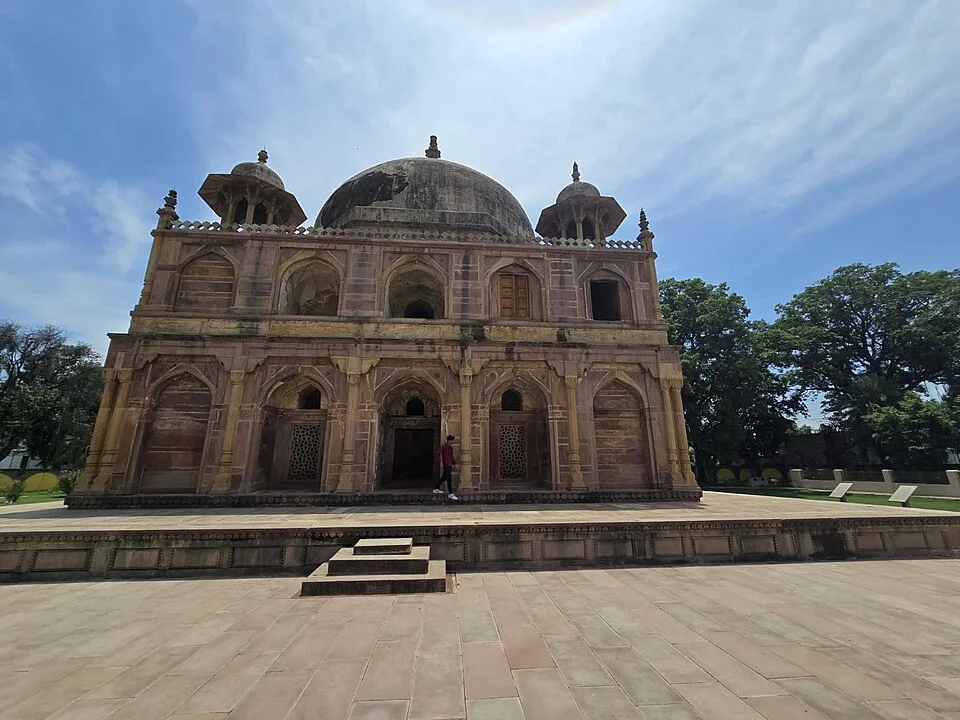
The second complete day can begin at Khusro Bagh. Its enclosed historic garden, sandstone tombs and exterior details offer a rewarding slow walk. Compare the platforms, arches and domes without assuming that every structure opens for an interior visit. Learn the visitor boundary at the entrance and take a shaded pause when the weather is hot. District visitor information relates the garden to the Junction area, but apparent proximity does not automatically make a walk comfortable with suitcases. Coming from the hotel with a light day bag is a more practical choice. Do not climb stone surfaces for a photograph, and remember that tombs retain a commemorative meaning beyond their visual composition. Afterwards, choose Anand Bhavan or Allahabad Museum as the principal indoor visit. If both institutions’ current arrangements and your energy allow, another stop may be possible. The basic route, however, gives one visit adequate time rather than racing through both to complete a list. Lunch between the garden and museum also makes the second day easier for companions with different walking tolerances.

Anand Bhavan, a museum choice and Civil Lines exteriors
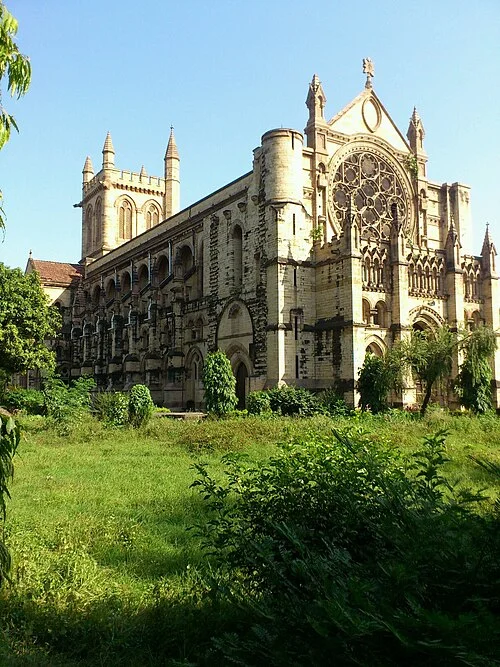
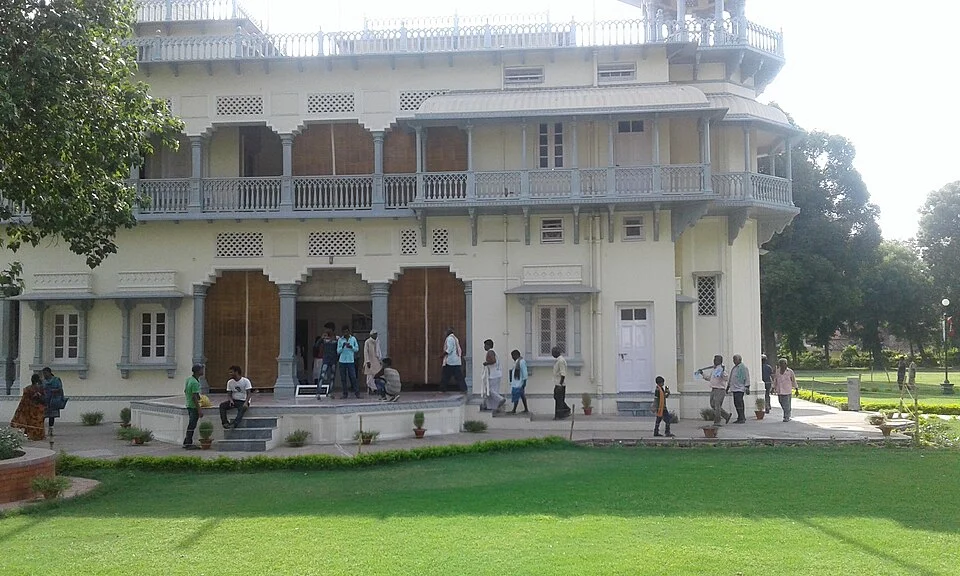
Anand Bhavan is a historic house museum associated with the Nehru family. Do not merge it with nearby Swaraj Bhavan simply because related names appear in the same area. Readers interested in the family house and political memory can choose Anand Bhavan. Those seeking archaeology and a broader collection may instead prefer Allahabad Museum by Chandrashekhar Azad Park. Check exhibition access, tickets and closed days with the relevant institution. Historical information on a district introduction is not a current opening timetable. In Civil Lines, the exterior of All Saints Cathedral provides a separate architectural stop. Enquire about worship and visitor entry arrangements without promising interior admission. Even a brief exterior look can help compare different periods in the city’s built environment. After the main museum choice, place a meal along the return route. A short additional park walk can be added if transfer time and energy permit. None of these alternatives is compulsory, and leaving one for another visit is more useful than treating every option as a fixed requirement.


A sabzi-kachori meal and choosing an accommodation base
For a concrete local meal, start by asking about sabzi-kachori: establish whether the kachori comes with a vegetable preparation before ordering. A national tourism account of a Prayagraj festival, attributed to Uttar Pradesh Tourism, names sabzi-kachori, samosa and rasgulla as food examples. These are not presented here as dishes available at every stall outside the event or as inventions exclusive to this city. A small freshly prepared breakfast portion can fit before the longer river morning. Consider a sweet pause after the second day’s visit rather than replacing lunch with sweets. Ask the kitchen about ingredients or dairy where relevant to your needs. Compare a Civil Lines address for the urban visiting clusters with a station-side address for arrival or an early railway departure. An address near Sangam does not automatically simplify the museum and garden day. Look at the actual hotel location against both complete days before booking. Confirm late arrival, luggage storage and the driver’s meeting place. Day four is breakfast and departure, not a third complete sightseeing day. Sources were checked on 4 October 2026. Recheck visitor and transport arrangements for your own travel date, then use this two-day framework to leave room for the river, city memory and a real meal.