
A first Laos route: capital and historic town
Tatilmerkezi’s Stork suggests connecting two different rhythms of life in Laos rather than collecting the greatest possible number of stops. A day in Vientiane opening towards the Mekong can sit beside the historic peninsula and waterfall surroundings of Luang Prabang. This country outline does not claim to cover Laos from north to south. It builds a clear first-visit spine between the capital and Luang Prabang. The Bolaven Plateau, distant caves and Golden Triangle belong in separate plans. Thinking about the return journey, balancing train days with rest and keeping to suitable rural routes are the basic decisions that make this journey understandable.
Eight calendar days and four full discovery days
The sample route is eight calendar days and seven nights. Day one is arrival and rest in Vientiane; day two is the capital, historic sites, a riverside walk and a local meal. Day three is the train transfer to Luang Prabang and settling in. Day four covers the old town and Wat Xieng Thong; day five is Kuang Si if conditions allow; day six is a relaxed Mekong and Nam Khan day. Return to Vientiane on day seven and fly out on day eight. That separates four full discovery days from two train transfers, arrival and departure. A confirmed international flight from Luang Prabang could change the return outline, but do not assume an open-jaw connection before checking the actual service.
Vientiane: give the first full day a comfortable shape
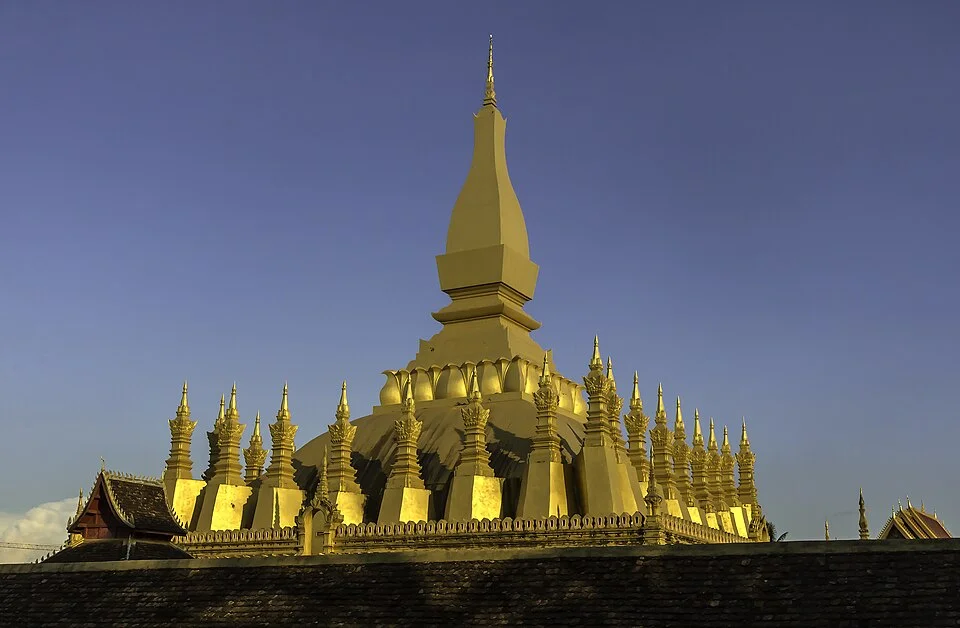
Pha That Luang offers a historic stupa setting for a first cultural stop in the capital. Confirm the actual visiting hours and entry arrangements; an old tourism-page price is not reproduced as today’s charge. Consider the cultural visit in the morning, food and rest during the hotter part of the day, and a suitable late afternoon by the Mekong. If weather and walking distance allow, add a separate short exploration around Sisaket. There is no need to exhaust every temple in a single day. Clothing covering shoulders and knees, attention to places where shoes must be removed and a quiet voice belong naturally in religious spaces. Observing daily life is more rewarding than stepping into a ritual for a photograph.

The railway: include the station transfers
The operator-published LCR Ticket app is an official channel for researching the Laos–China Railway connection between Vientiane and Luang Prabang. The existence of the app does not guarantee seats on your preferred train, payment with every foreign card or a same-day ticket. Check services for your date, identity details on the ticket, accepted documents and station procedures. Travel from the hotel to the station and from the northern station to accommodation is separate from time aboard the train. An easy-to-handle bag and accessible documents improve the transfer day. Rather than imitating a packed sightseeing-coach programme, keep day three for transport and settling in so that you have energy for the next morning.
Luang Prabang: peninsula, temple and small streets
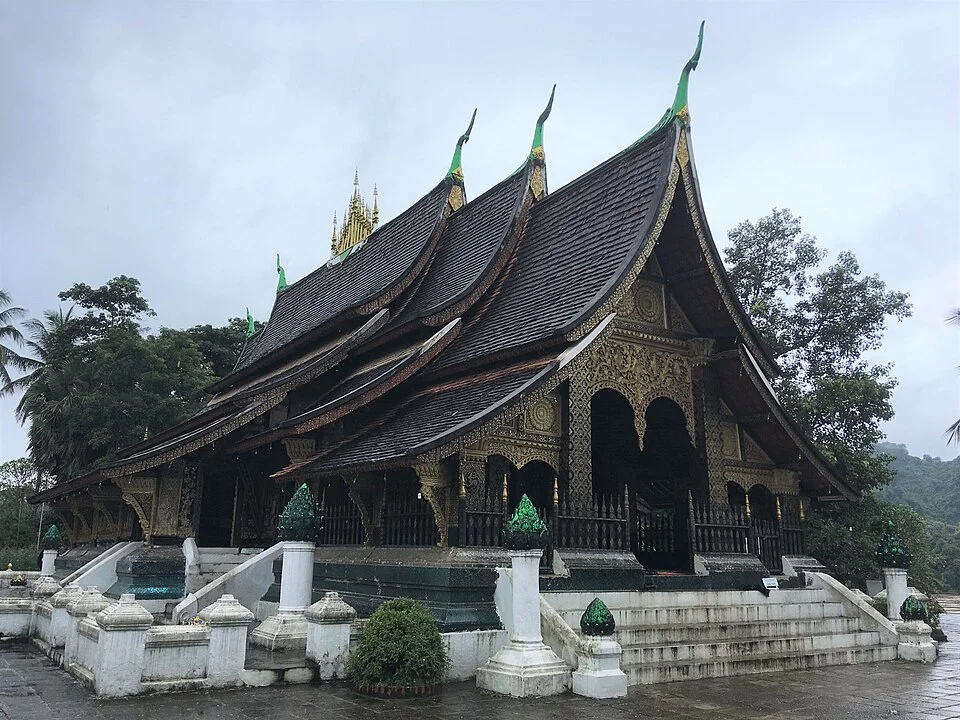
Luang Prabang’s UNESCO listing describes a town where traditional Lao architecture and later building layers coexist in a distinctive urban setting. It does not make all of Laos one protected property. Wat Xieng Thong is a chosen focus for understanding the old peninsula. The main sanctuary has sixteenth-century origins, while the complex’s buildings and decorations do not all date from that same period. Leave the rest of the day for short street walks, shaded pauses and the riverfront. If you wish to observe the morning alms ritual, learn the local tourism guidance, avoid blocking the route and do not use flash. Participation is not a staged performance or a photograph that a tour purchase entitles you to take.

Kuang Si: a nature day without the race
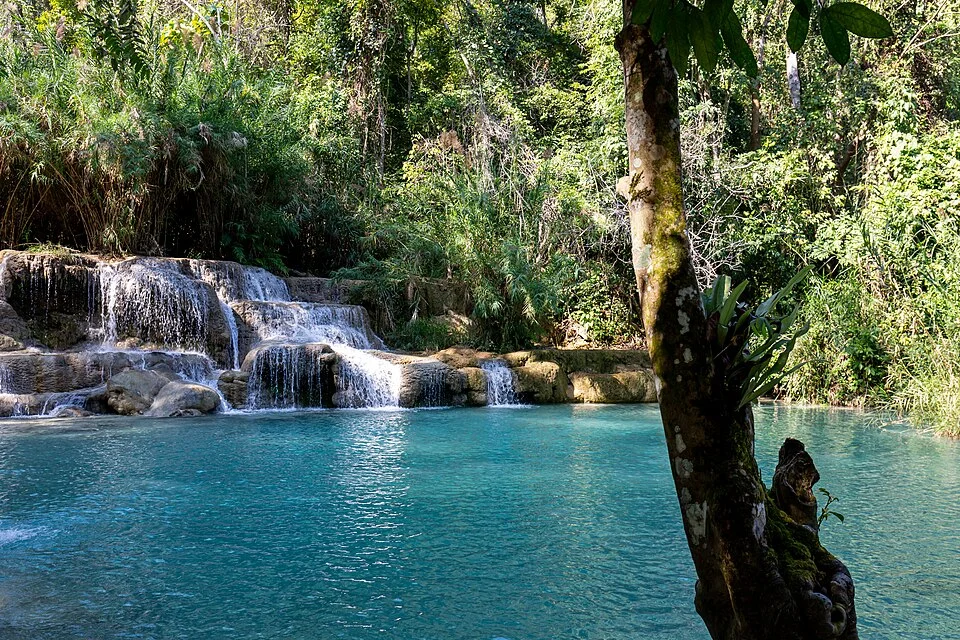
Separating Kuang Si from the town day allows a more relaxed forest visit. Arrange outward and return transport, then ask about opening, road conditions and the sections accessible that day. Turquoise-water photographs do not promise identical colours or swimming permission throughout the year. Rain changes water levels, flow and footing; do not enter closed or prohibited areas. Even where swimming is allowed, consider your own ability and the conditions before entering. Non-slip footwear, a dry change of clothes and a light rain layer make a useful small bag. Instead of adding a distant cave or second long walk to the waterfall day, leave room for a quiet meal back in Luang Prabang.
Mekong and Nam Khan: time along the banks
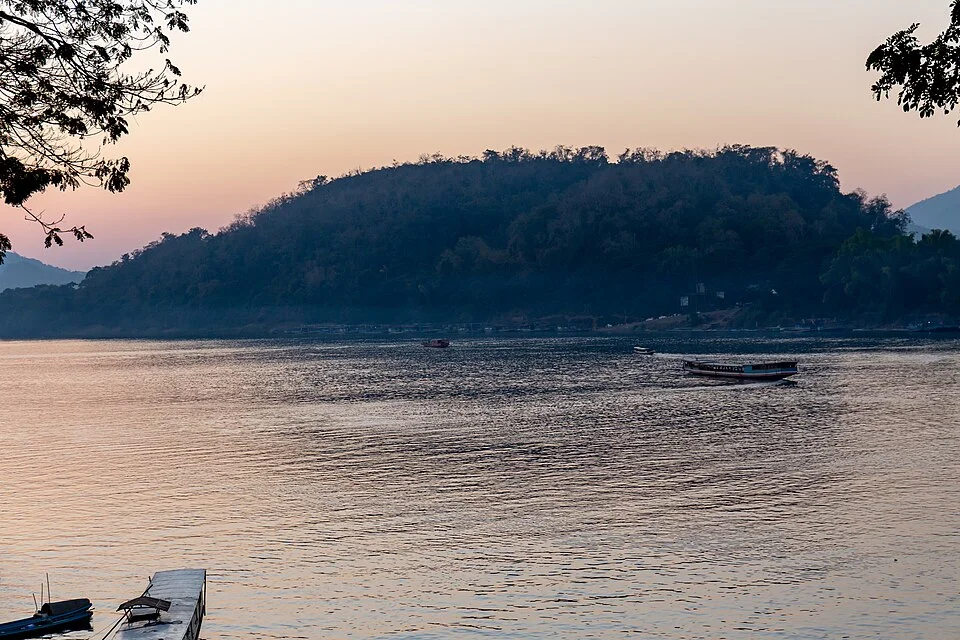
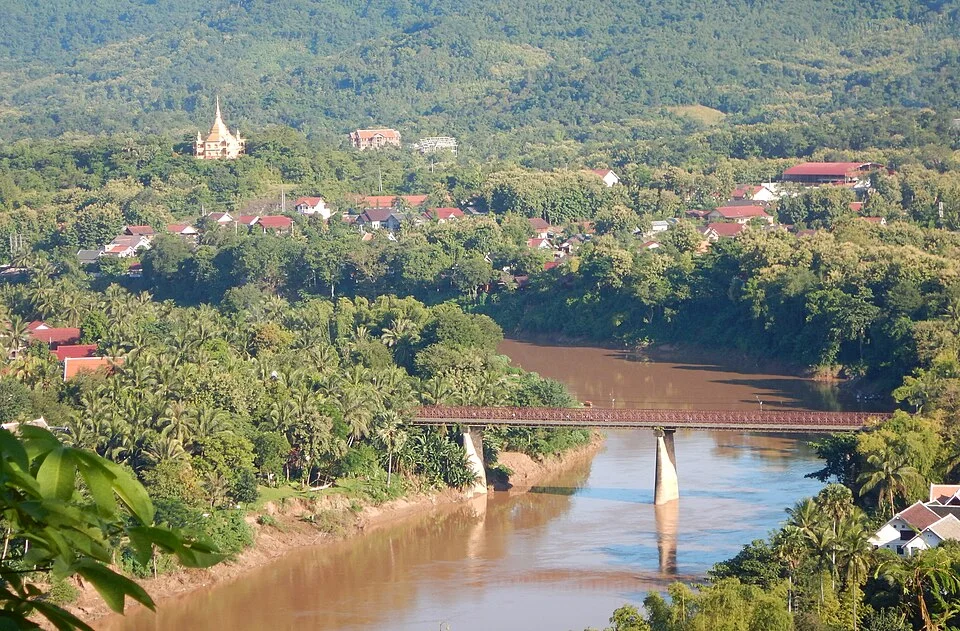
Day six can be shaped by river scenery, a coffee or tea break and a short walk around the Nam Khan area. A bridge or path appearing in an older photograph does not establish that it is open and safe today; ask locally which crossings are permitted. If you choose a Mekong boat trip, clarify the operator, life jackets, weather decision and return time. Swimming against the current or independently renting a small craft to reach remote banks is outside this outline. A more distant stop such as Pak Ou requires real additional transfer and visiting time. Sometimes the most rewarding country day adds no new place name and instead lets you slow down around two rivers.

Stays and meals: choose useful walking distances
In Vientiane, look for an address with easy evening meals and an arranged station transfer. In Luang Prabang, balance walking access to the peninsula against a quiet room. A river view does not guarantee step-free access or uninterrupted hot water; specify your needs before booking. The Lao tourism portal gives concrete meal examples including sticky rice, laap or larb, tam mak hung green-papaya salad and bamboo soup. Ask which meat or fish is used, whether the preparation is cooked and how spicy it is. Several plates shared with rice can make a pleasant town evening instead of one oversized meal hurried before departure. Fish sauce and other ingredients deserve a separate question when dietary needs or allergies matter.

Entry and regional advice: the right port and route
Use the official Lao e-visa information to check your passport’s eligibility and intended entry point: an e-visa is not accepted at every border crossing. Wattay in Vientiane and Luang Prabang airports are among the listed ports, and the approval letter must match your passport details. In rural areas, keep to main routes and do not pick up metal objects because unexploded weapons remain a hazard. FCDO advises against all but essential travel to Xaisomboun, with separate serious security cautions for Bokeo and the Golden Triangle borders with Myanmar and Thailand. These areas are outside this first route. A stop without that specific warning is not being declared risk-free; read the general current advice and your insurance conditions too.
Adjust for the season and protect the return buffer
During wetter periods, flexibility on rural roads and at waterfalls is more useful than trying to reproduce a photograph’s weather. Move cultural walks into cooler hours on hot days and allow drinking-water and rest breaks. Day seven deliberately keeps the return train away from the departure morning. Do not consume that connection buffer by adding another night or a distant activity. The Stork’s Laos suggestion rests on counting travel days honestly and leaving a riverside afternoon spacious. Sources were checked on 4 October 2026. Reconfirm tickets, entry arrangements, site access and regional conditions before departure, treating the outline as a flexible plan rather than a fixed tour package.