
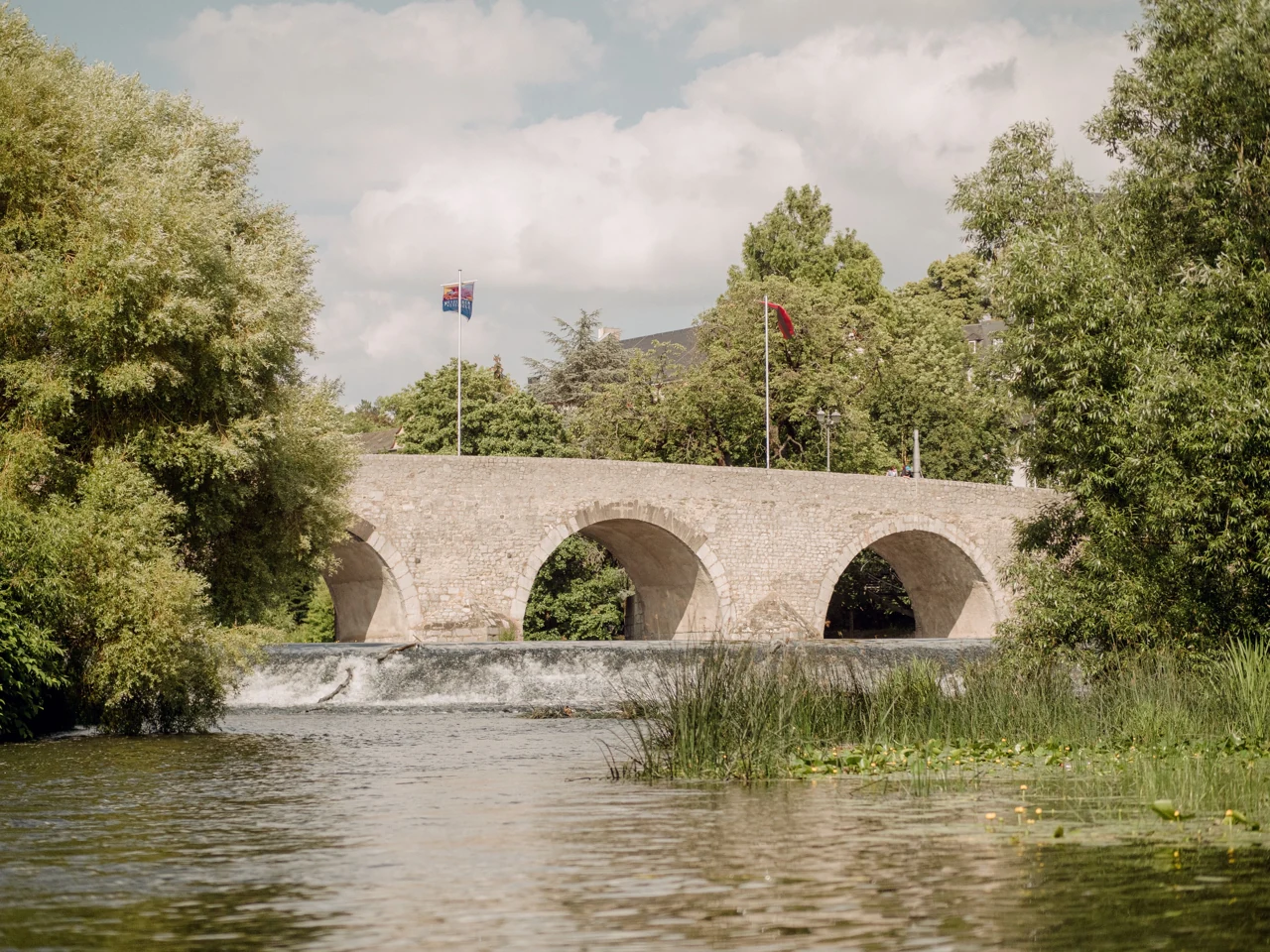
A first day in Wetzlar works well as a walk between the old stone bridge over the Lahn and Domplatz. Its museums need a more deliberate choice. Following Goethe and Charlotte Buff at the Lottehaus is a different experience from exploring optics at the Viseum or visiting the Ernst Leitz Museum in the Leitz-Park. This guide gives the historic centre a coherent route, then leaves a separate block for photography technology. With only one day, spend meaningful time inside one selected museum rather than collecting three entrance photographs and leaving with little understanding of any of them.
From Wetzlar station towards the Lahn
Wetzlar station is at Willy-Brandt-Platz 1. Your arrival there is the beginning of the transfer into the old town, rather than the arrival at a museum entrance. Check the station's live travel information and the municipality's rail arrival advice for the journey you actually intend to make. Deal with large luggage before taking it through cobbled streets. A short admission window becomes much less useful when the time needed to reach it has been left out of the plan.
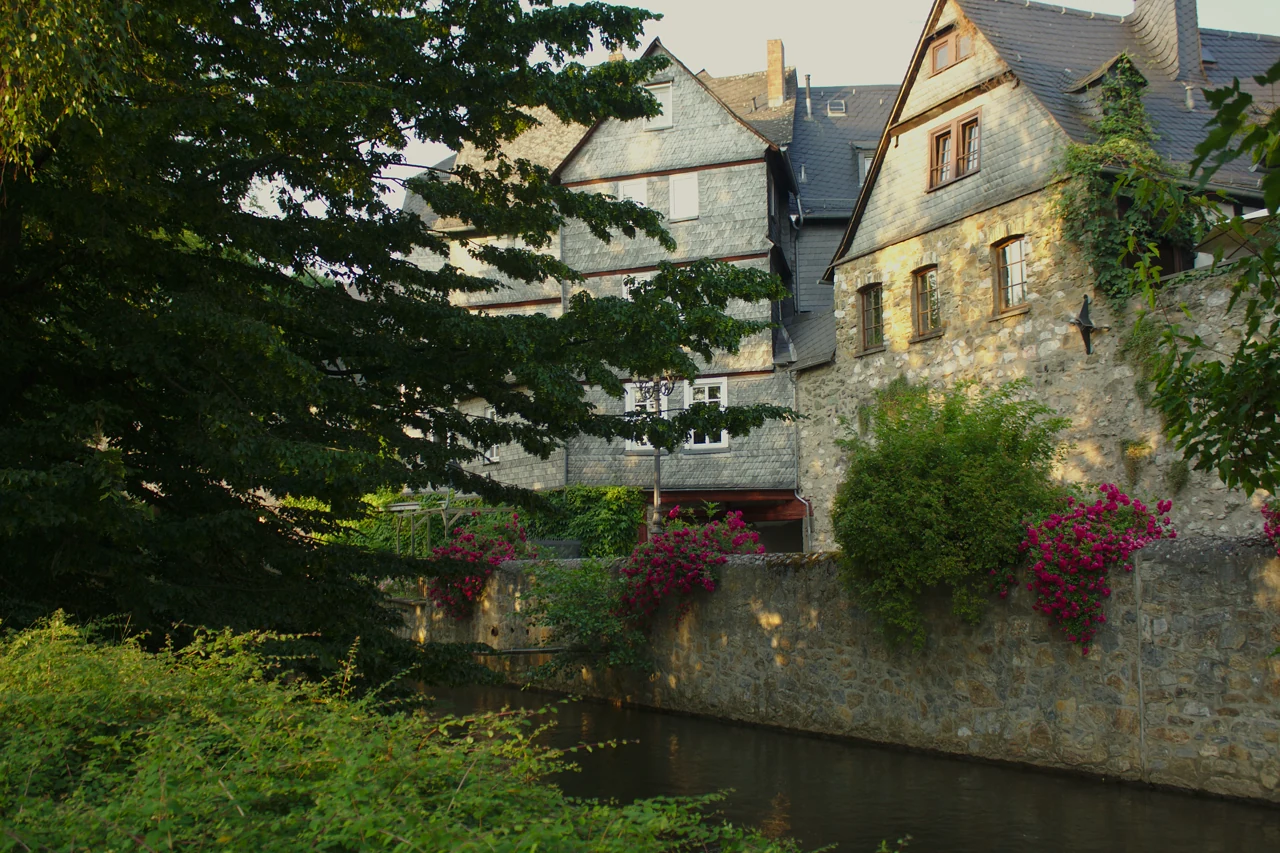
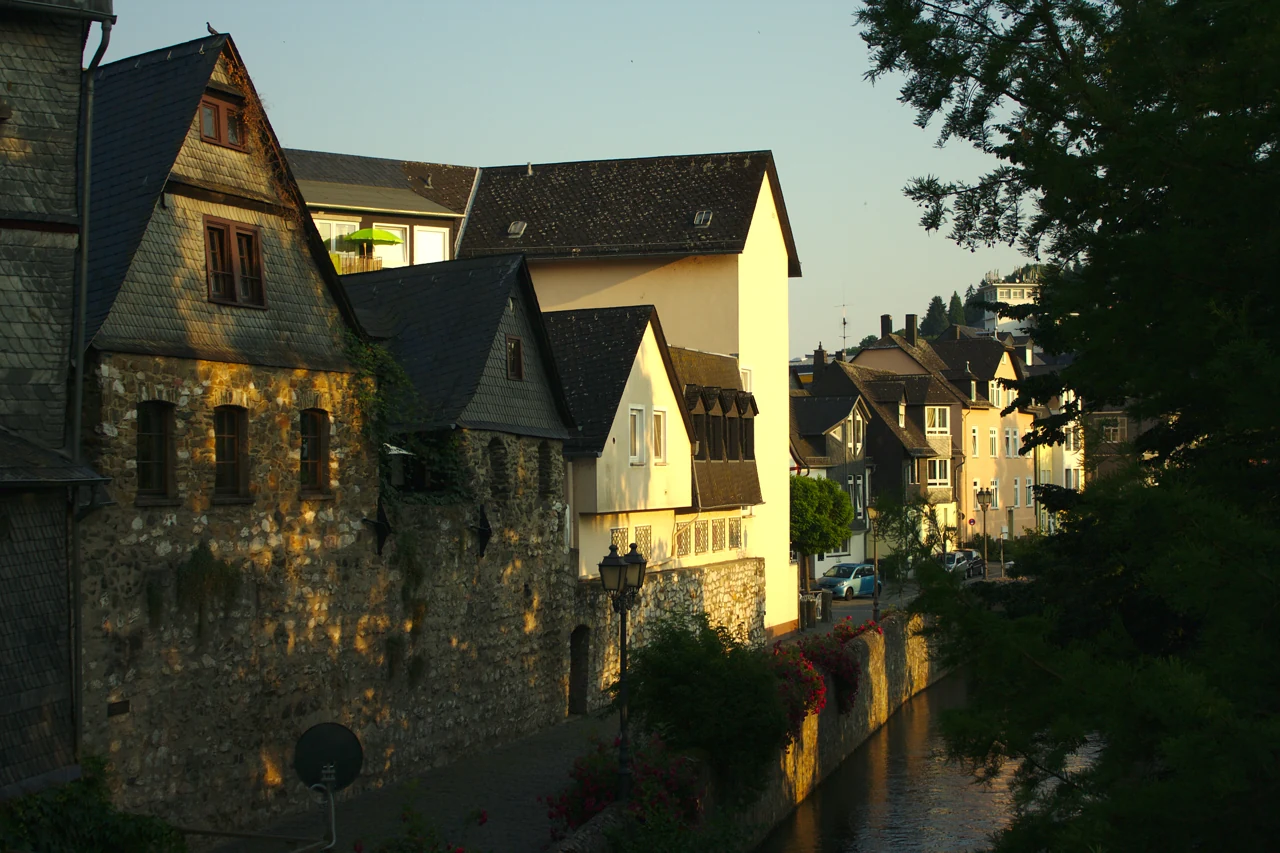
Head first towards the river surroundings and the Alte Lahnbrücke. A pause beside the water makes a gentle introduction to the town and gives you a chance to understand the position of the historic centre above it. From a safe riverside place, look at the bridge's stone arches before crossing. Photograph without blocking other walkers, and take particular care after rain. The flat-looking map does not convey every change between the riverside surface and the streets rising towards the cathedral.
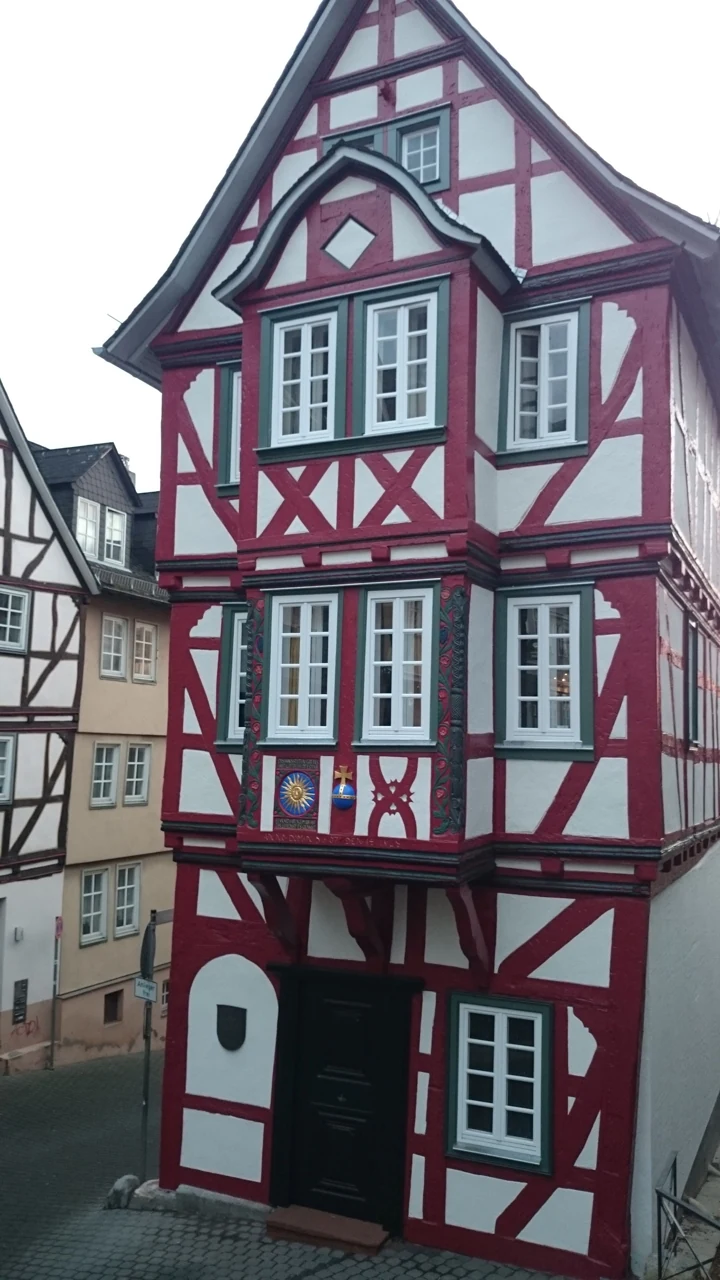
A bridge-to-cathedral route through the old town
The municipality's old-town highlights place the medieval bridge in the context of the Frankfurt–Cologne trading route. Use that crossing as the start of your historic-centre walk, then continue towards the squares and timber-framed buildings. Keep a clear direction towards Domplatz instead of trying every inviting side street at once. You can add a small detour after the main landmarks have given you a sense of the town. Allow a bench or drink stop if uphill cobbles slow your progress.
On reaching Domplatz, study the building from outside before heading for its entrance. The unequal heights and incomplete appearance are part of what makes it memorable. Near the cathedral's main entrance, the bronze town model at a scale of 1:500 provides a useful overview. It helps connect the river you have just left with the museum area you will visit next. Temporary works or an event might alter how you cross the square; adapt the outdoor circuit rather than losing the time set aside for your chosen interior.
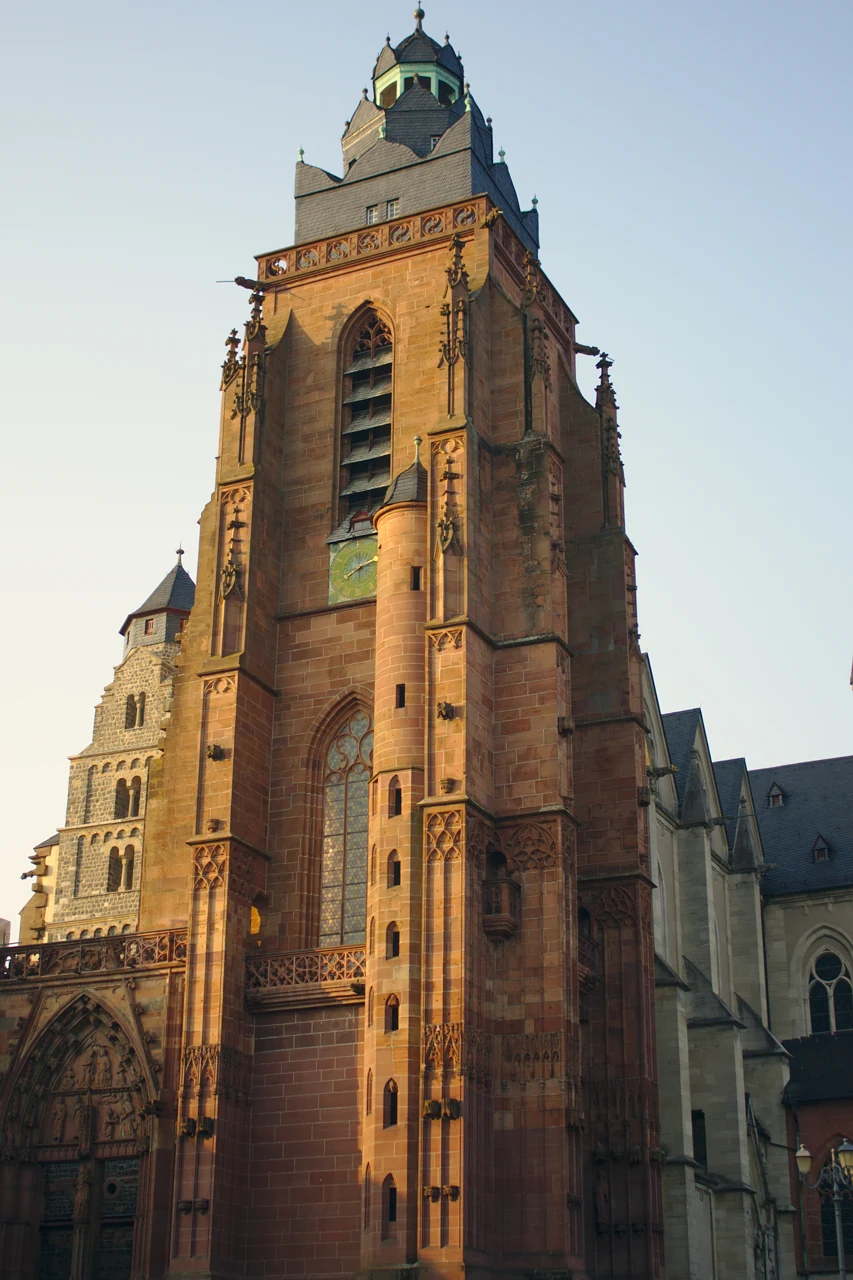
Wetzlarer Dom: an unfinished church shared by two communities
Wetzlarer Dom remained unfinished. Looking for both Romanesque and Gothic elements gives more meaning to its varied exterior than applying one architectural label and moving on. It is also an active place of worship, shared by Catholic and Protestant communities since the Reformation. Enter quietly when visiting is possible, and respect services or other uses. A public square outside the building does not imply unrestricted access inside at every hour of the day.
Compare the asymmetry seen outside with the space encountered indoors, then return to the square before the museum part of the day. Families can keep the architectural discussion short by asking children to spot different window forms or changes in height. Visitors with limited mobility should check both the approach through sloping historic streets and the actual entrance arrangements. Compact distances make the centre manageable, but they do not make every surface or doorway equally straightforward.
Lottehaus and Viseum: nearby buildings with different subjects
The Lottehaus at Lottestraße 8–10 links the Buff family's domestic world with the reception of Goethe's The Sorrows of Young Werther. Family portraits and eighteenth-century household objects sit alongside editions and literary images. Follow the book's international response rather than treating the building only as a house Goethe once visited. That wider reception makes the museum interesting even if you do not remember every detail of the novel. The municipal museum opening page distinguishes summer and winter hours and lists Monday and specific holiday closures.
The nearby Viseum, in a restored eighteenth-century house, focuses on optical developments and opportunities to experience them. Confirm its own admission arrangements separately. General tourist-information opening hours at the bottom of a tourism page should not be read automatically as museum hours. Literature enthusiasts may spend most of their museum time at the Lottehaus; those interested in light and imaging can prioritise the optical programme. If you choose both, fit the meal and rest periods around their real admission times.
A verified main course on Domplatz
Wirt am Dom at Domplatz 9 is a real restaurant on this central route. Its operator's pasta menu lists Tortelloni con Salmone: pasta filled with salmon and ricotta, served with curry sauce and prawns. That is a specific substantial dish, with ingredients to consider before ordering. It is unsuitable for someone avoiding fish, shellfish or dairy. Ask about the sauce if other dietary restrictions apply. The same page also lists cheese-and-pear fiocchi with butter, sage and walnuts, offering a different flavour rather than a generic promise of local food.
The restaurant separates lunch and evening service and has a Monday rest day. Do not leave a museum at an arbitrary mid-afternoon hour and assume a full meal will be available immediately. Check service times and a table through the operator for your actual date. Once the cathedral and selected central museum are complete, an unhurried meal gives you a natural decision point: return towards the bridge and river, or continue with a properly planned additional optical visit.
Give Leitz-Park and an overnight stay their own time
The Leica Welt visitor-information page explains the Ernst Leitz Museum and tours in the Leitz-Park. This is a separate destination from the Viseum in the old town. Include travel, exhibition time and any reserved tour in a distinct part of the schedule. Check current notices as well as the regular programme: a special cafe closure, for example, should not be mistaken for closure of the whole museum. For a keen photographer, the following morning may be a better place for this visit than the last rushed minutes of a centre walk.
Hotel Wetzlarer Hof is an actual accommodation option at Obertorstraße 3. The operator gives check-in from 14:00 and check-out by 11:00. Discuss room category, a late arrival and vehicle access when booking. Staying overnight lets the Lahn, cathedral and literary museum belong to the first day, while imaging technology becomes a fresh second-day focus. Wetzlar then offers more than an attractive silhouette above the river: its religious life, literary associations and optical industry can each be understood on their own terms.