
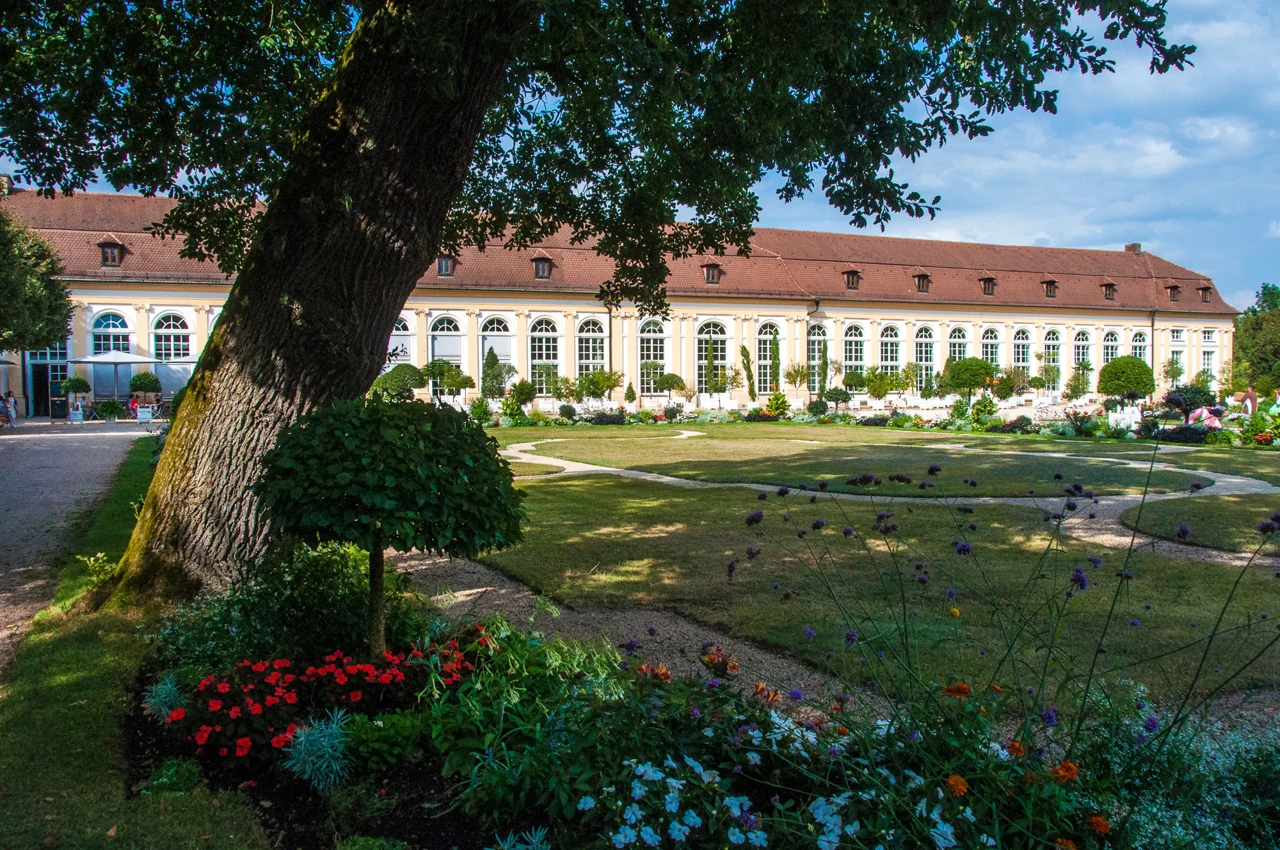
Ansbach rewards a day organised around two different experiences: a guided visit inside the Residenz and an unhurried walk through the Hofgarten. Passing the palace façade is not equivalent to joining its room tour, while a long garden walk cannot recover a missed winter departure. This guide links the station with the old centre, gives the palace a firm place in the schedule and leaves a separate outdoor interval. A real main course and a central hotel complete the plan. The aim is to make the city comfortable to explore rather than to accumulate stops whose visiting conditions do not fit the same day.
From the station into the old centre
DB's Ansbach station record gives the address as Bahnhofplatz 2. Check the return train before setting out, particularly if your journey involves an interchange. Do not apply one fixed journey time to every connection from Nuremberg. Current departures and lift information matter more than a general description of a railway route. If staying overnight, ask your accommodation about luggage arrangements before arrival. A walk towards the Herrieder Tor area and then the old centre gives the day a clear direction. Any suggested allocation of time here is a planning choice, not an official walking timetable or a transport guarantee.
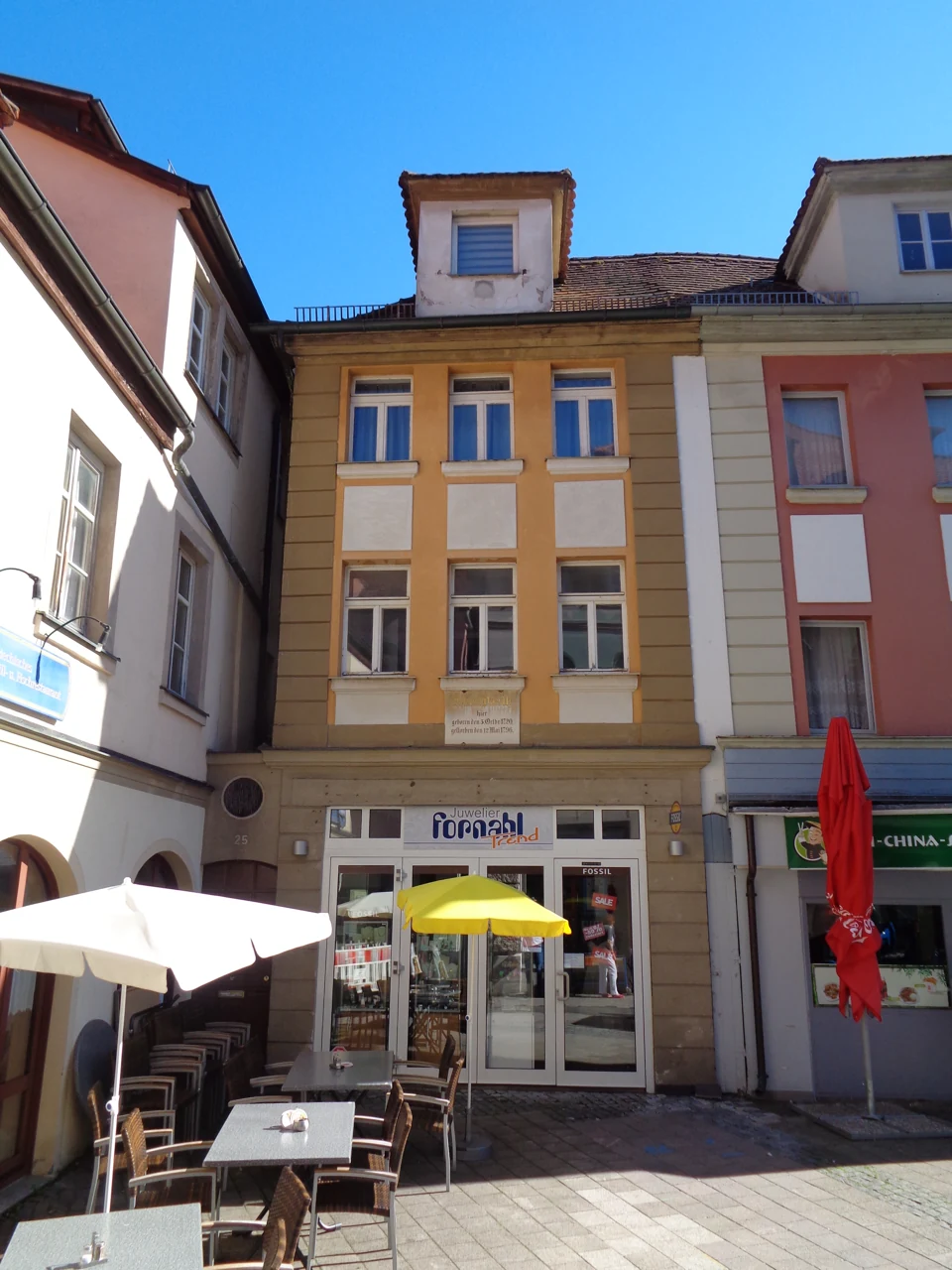
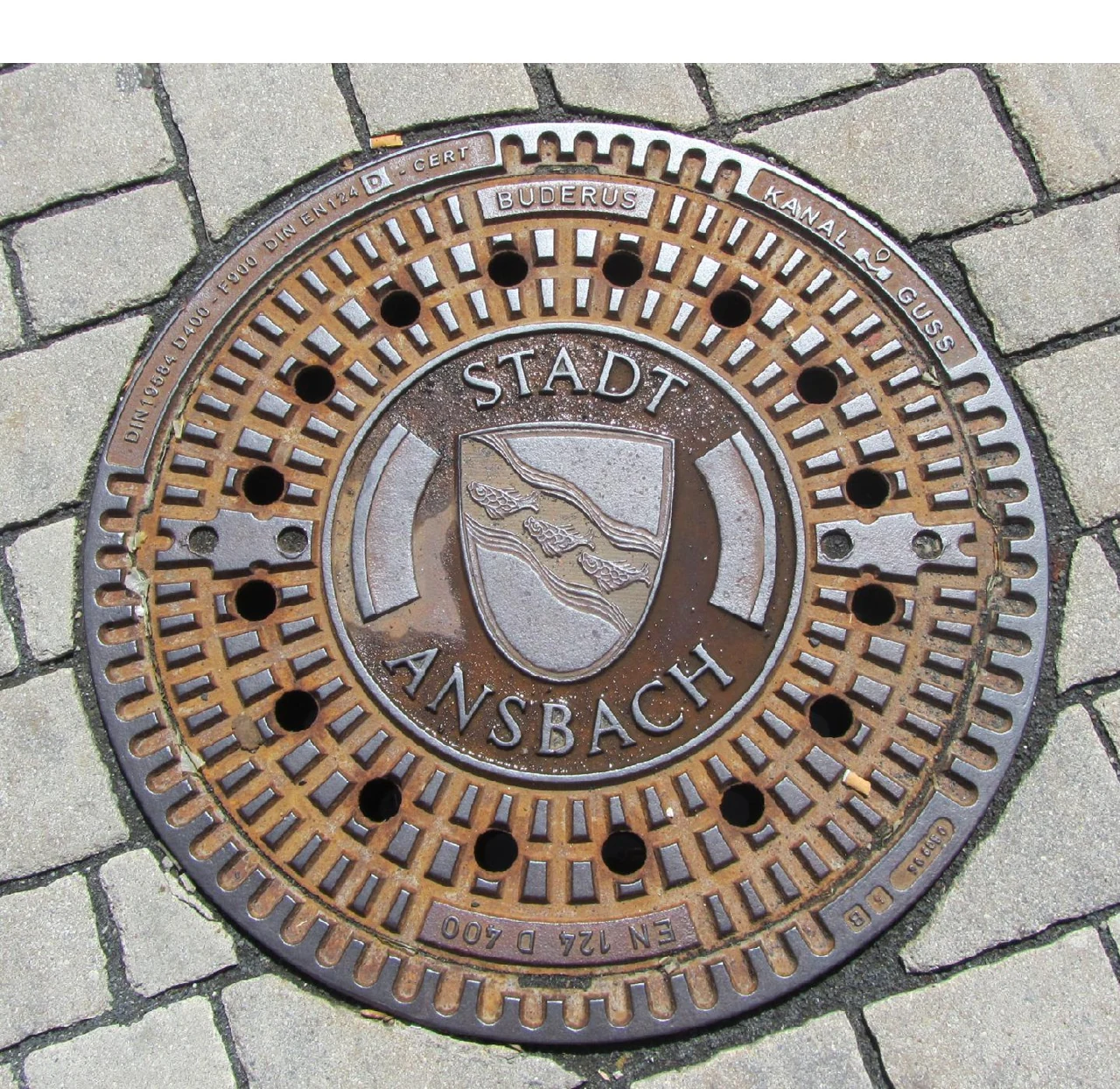
After looking at the gate surroundings, follow the central streets towards the church and square area. Notice how shop entrances, street widths and building façades change along the way. A church shown in a photograph is not necessarily available for an unrestricted interior visit throughout the day; worship and local activities take precedence. If the interior is unavailable, a careful external view still belongs in the route. Small details also help establish a sense of place. Pavement surfaces and city-decorated manhole covers can be interesting close-up subjects, but they are everyday street features rather than major attractions requiring a separate excursion.
The Residenz needs a guided-visit slot
At Promenade 27, the Bavarian Palace Administration's visitor leaflet states that the state rooms are visited on guided tours, lasting about fifty minutes. In October to March the palace opens from 10am to 4pm and the final tour is at 3pm. Arriving near closing after an extended lunch therefore makes a poor autumn plan. Monday is normally a closed day, with holiday exceptions that should be checked for the date of travel. The summer visiting window is wider. Decide on the room tour before placing the slower outdoor and dining portions around it.
Inside, look at the relationship between ceiling painting, mirrors, furniture and the movement from one room to another. Selecting a few differences between rooms is often more memorable than attempting to retain every name. The ceramics collection in the Gothic Hall has a different visiting arrangement: it can be seen independently without charge, during its published hours. Do not assume its conditions apply to the guided state rooms. The special exhibition about the ceiling restoration ended on 4 October 2026. An October itinerary after that date should be built around the normal palace visit rather than advertise the temporary exhibition as still open.
Read the institution's access information if mobility is a concern. A lift reaches the rooms, but museum staff assistance is required, and doorway thresholds remain relevant. The existence of a lift alone does not describe the whole visitor experience. Discuss assistance with the ticket office before choosing a tour. With children, a brief outdoor interval before entering can make the guided section easier to enjoy. Pick a visual subject to follow through the rooms rather than turning the visit into a long checklist. Keep your bag and group together so the tour's shared movement remains comfortable.
Give the Hofgarten its own outdoor interval
In the Hofgarten, look separately at the Orangerie frontage, the formal garden arrangement and the tree-lined walking spaces. Although the garden and palace belong to one central itinerary, the rhythm changes: the interior follows a guide, while outside you can sit, pause and choose your own pace. The city's 2026 visitor brochure confirms free garden entry. Closing varies seasonally, and the gates do not remain open through the night. An after-dinner return should therefore depend on the current opening window. Autumn planting and foliage need not resemble a summer photograph, which illustrates a place rather than guarantees its seasonal appearance.
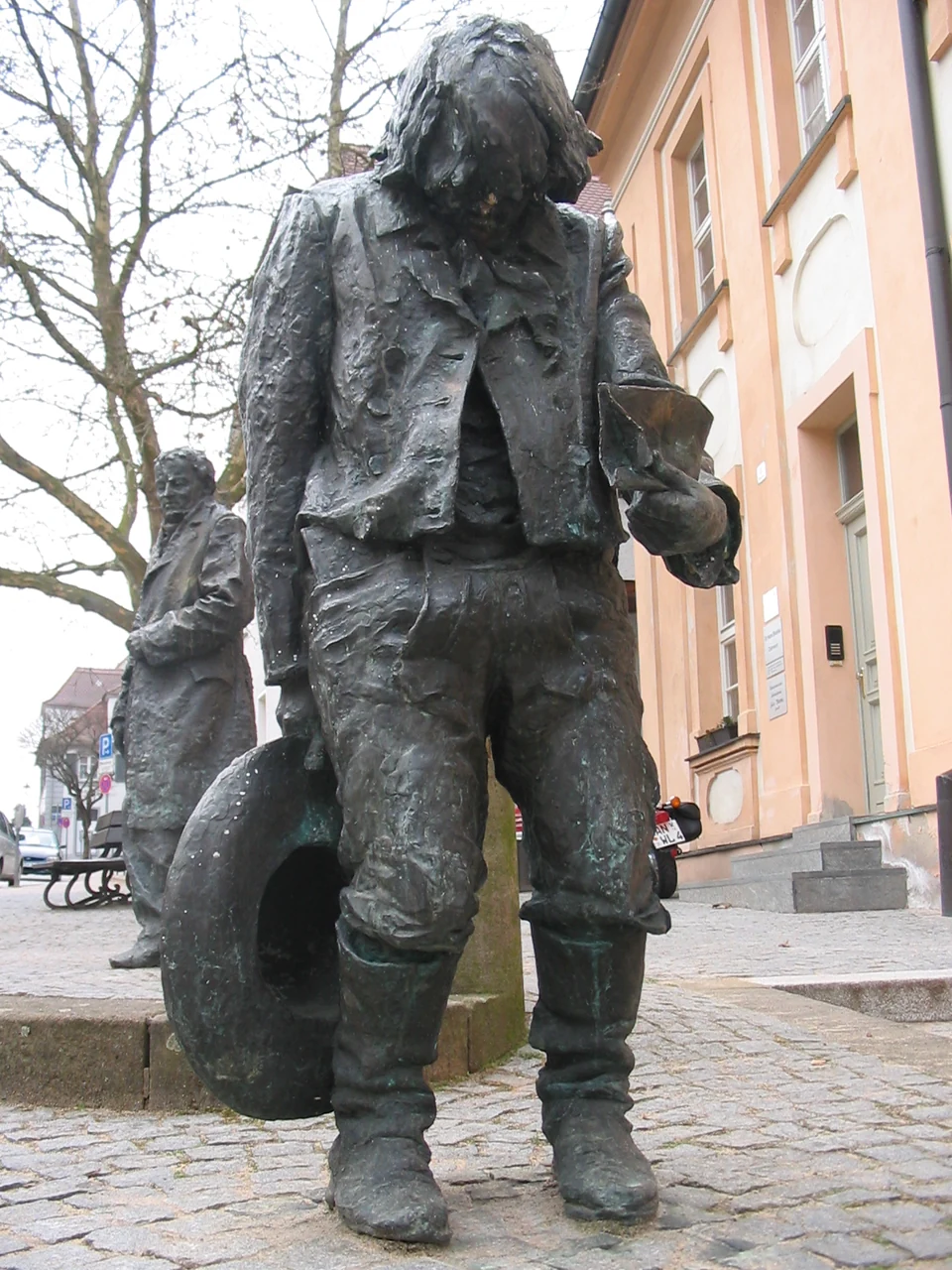
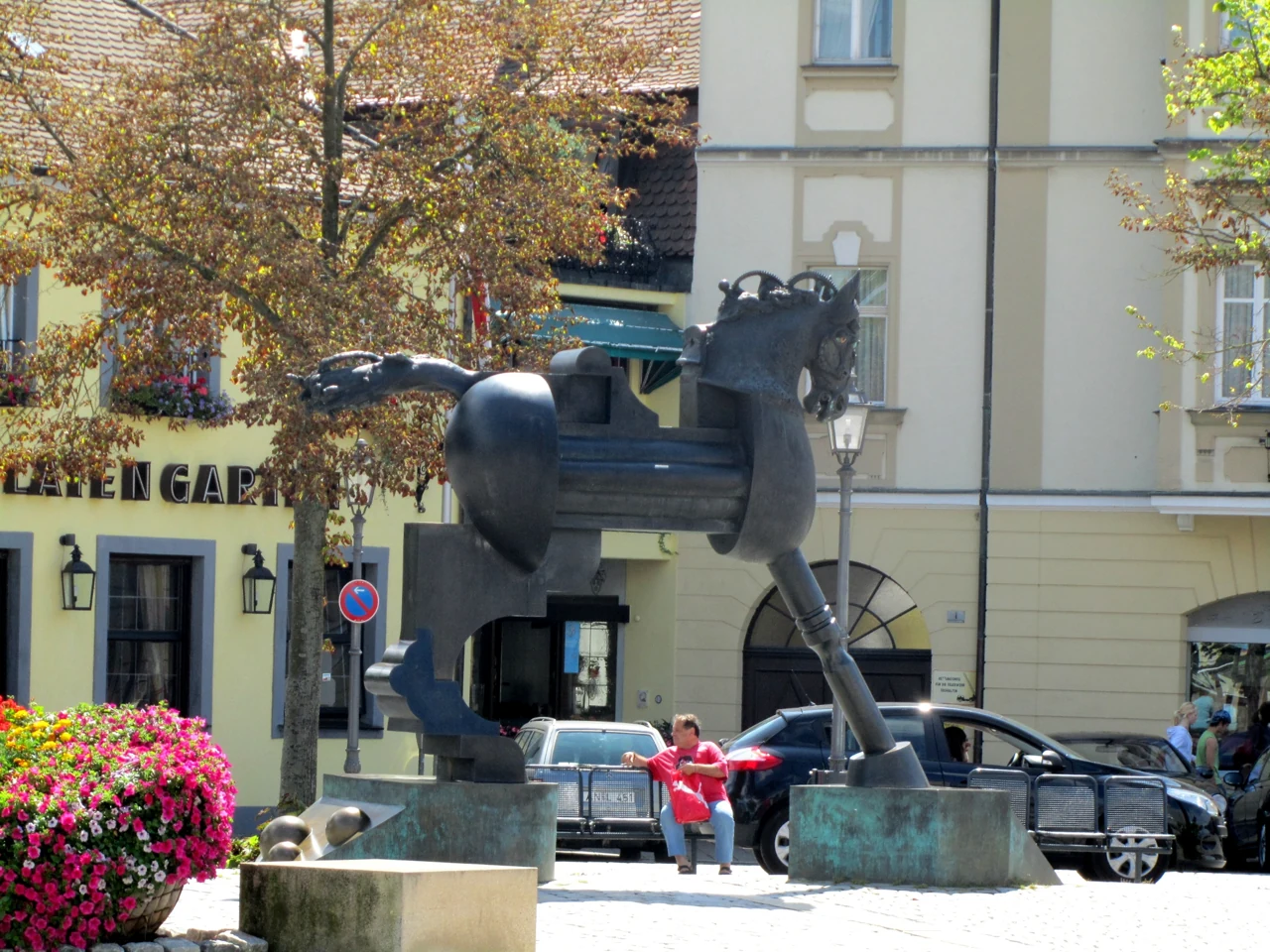
The Anscavallo sculpture at Schlossplatz and the Kaspar Hauser monument in the city provide smaller observation points after the palace's larger scale. Treat them as short pauses when they suit your central walk, rather than a second ambitious itinerary. An older photograph of a monument does not establish that a particular event is taking place now. If rain arrives, shorten the outside section and keep the booked palace visit; visitors who enjoy gardens can instead spend longer outdoors after their tour. Gravel paths and short slopes have different implications from an interior lift. Consider those surfaces when planning with a wheelchair, walking aid or pushchair.
A real main meal, with a current closure to note
Schwarzer Bock at Pfarrstraße 31 is a practical central dining address when its restaurant is operating. The operator's 2026/27 menu includes Wirtshaus Schnitzel Wiener Art: pork schnitzel served with fries. It is a substantial seated main course after walking, and should not be described as veal. Consult the current digital menu when ordering and discuss allergens or dietary needs directly with the staff. A proper meal interval also creates a useful rest between the guided rooms and the second outdoor walk. The route provides a dining idea, not a reservation or a promise that every listed dish is available.
The current opening page announces restaurant closure on 7 and 8 October 2026 while the hotel remains open. Do not plan to eat here on those two dates. For other dates, reserve rather than rely on a walk-in assumption: the operator says it may close when no bookings are in place and also identifies an afternoon team break. A hotel's guest facilities should not be mistaken for continuous restaurant service. The operator specifies card payment and billing by table. Fix the palace-tour time first, then secure an actual dining confirmation that leaves space to reach the next part of the route.
A central overnight stay
The operator's hotel page confirms Schwarzer Bock as a real accommodation option at the same central address. Its online check-in is mandatory: complete the required process and arrange receipt of the access code before arriving. Do not rely on finding a continuously staffed late-night desk without following those instructions. Room categories differ, so air conditioning and family layouts should be checked for the room actually booked. An overnight stay allows a second look at the old streets in the evening and a short walk before the following day's train. For one complete day, the palace, garden, centre and main meal already form a coherent programme. Use any remaining time to enjoy those places more slowly before adding another demanding stop.