

Kolhapur: three nights between palace, worship district and lake
The Tatilmerkezi Stork proposes four calendar days and three nights in inland Maharashtra's Kolhapur: arrival on day one, Ambabai surroundings and Bhavani Mandap on day two, New Palace and Rankala on day three, then departure on day four. The two full city days have different purposes. This is not a continuation of Ratnagiri's coastal fort and Konkan harbour itinerary. The useful need here is to find a daily rhythm between royal architecture, a living worship environment, a slower lakeside interval and concrete Kolhapuri dishes. Rather than adding every village and fort on a district map, choose one urban base. Three nights in the same room keep large luggage away from daily stops. Limiting arrival evening to check-in and a nearby meal gives the following morning a less hurried beginning.
Arrival and urban base: from the station to the room entrance
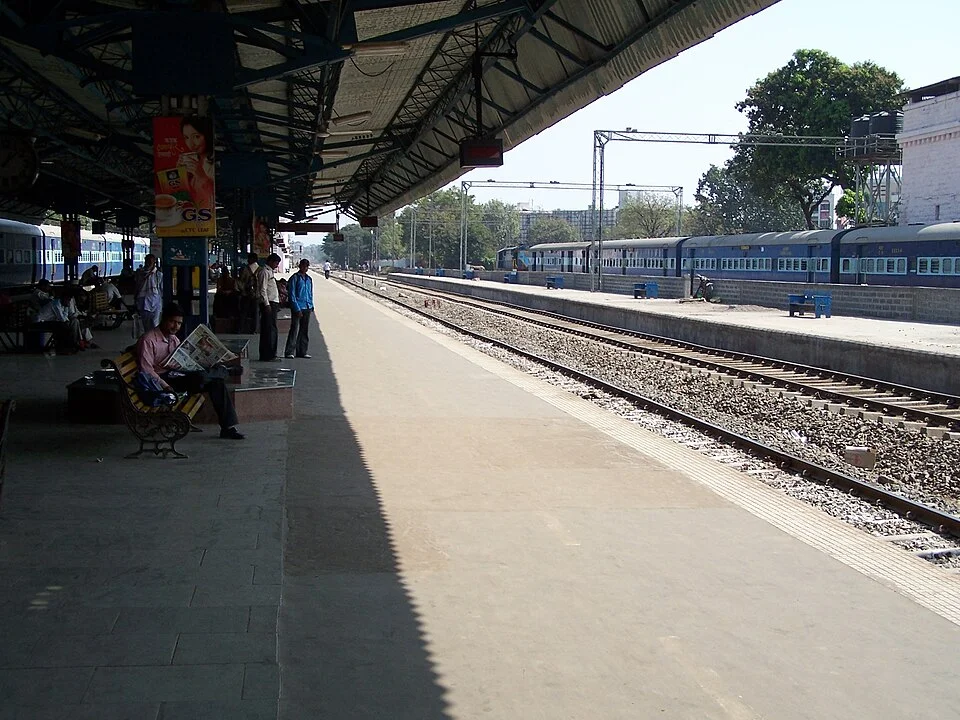
For a railway arrival, check the actual station name, travel date and service stop in the booking. A dated platform photograph is not a current train list: no specific departure time or direct service is promised here. Bus travellers should likewise compare the operator's drop-off point with the property's address. Arrange the final connection with luggage separately, since a city meeting point is not the accommodation entrance. Choose a room against movement around Ambabai and Bhavani Mandap, the New Palace session and the return from Rankala. Staying near the worship district may simplify the morning walk, but night noise and entrance access on crowded days deserve separate consideration. A quieter or more outlying room requires a clear evening-food and final-vehicle plan. Steps at the entrance and luggage-storage arrangements belong to the real itinerary just as much as an attractive map view.

Ambabai and Bhavani Mandap: the focus of day two
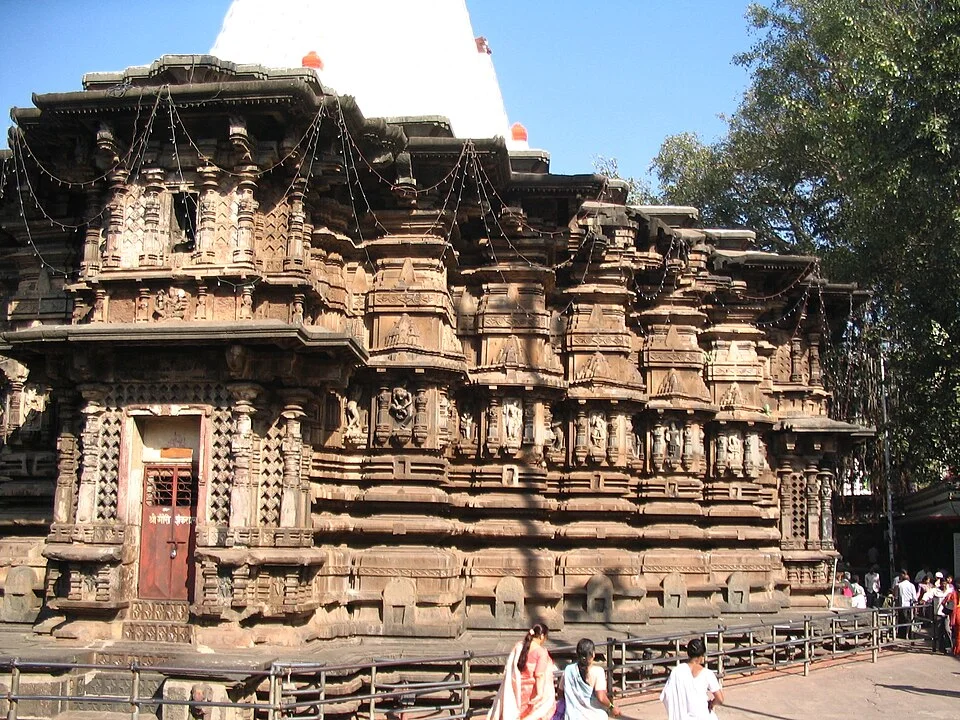
Give the first main part of day two to the surroundings of Ambabai, also associated with the Mahalakshmi temple name. The district administration's city-interest list explicitly identifies this focus. Looking at public architecture and entering a worship area are separate activities: learn local queue, clothing, belongings and photography conditions and follow them. Pausing in a narrow passage for a picture should not block other visitors; interior photography is not assumed to be permitted. Bhavani Mandap adds a distinct historic-building interest to the same urban day. Leave a quiet interval to read its large facade and relationship with the surrounding city, without assuming unrestricted entry to functional or restricted sections. Establish movement between the two against actual pedestrian conditions rather than promising an uninterrupted traffic-free corridor. Linking lunch to an available nearby kitchen prevents this day from being overloaded with a distant fort visit.



New Palace: a separate museum session for day three
New Palace supplies day three's main architectural stop. The district places list and official photo gallery identify the building in Kolhapur. Its tower, separate roof masses and facade arrangement give an exterior visitor a different tempo from the previous day's active worship environment. Check that day's museum entry, hours and photography arrangements with the institution: appearing on a source list does not prove that every section opens on every date. Do not enter residential or unavailable areas. Viewing displayed objects does not confer unlimited rights to use their photographs. Keeping this session apart from the Ambabai morning is worthwhile. If interior arrangements change, permitted exterior architecture followed by the Rankala interval retains the day's scale. Sources can phrase the construction period differently, so a disputed precise chronology is not made essential to this practical itinerary.
A Kolhapuri meal: misal, Tambda rassa and a lake snack
Kolhapuri misal and Tambda rassa in Maharashtra's official food account supply concrete meal names for the city day. Choose a misal meal against the real menu and the ingredients the kitchen uses that day. Discussing preferred heat is more useful than assuming that every business serves the same recipe. Tambda rassa can be considered as a regional meat option; travellers avoiding meat should separately ask about available vegetable or other dishes. Tourism descriptions contain a conflicting vegetarian label for Pandhara rassa, so this guide does not present it as a vegetarian guarantee. The district Rankala page also mentions bhel puri and ragda patties as snacks. These names may suit the lake interval but do not promise availability or hygiene standards at every stall. Give lunch a seated rest and arrange a substantial meal elsewhere if evening food is only a small snack. Current prices and restaurant rankings are not invented.
Rankala: an open-air interval on the third day
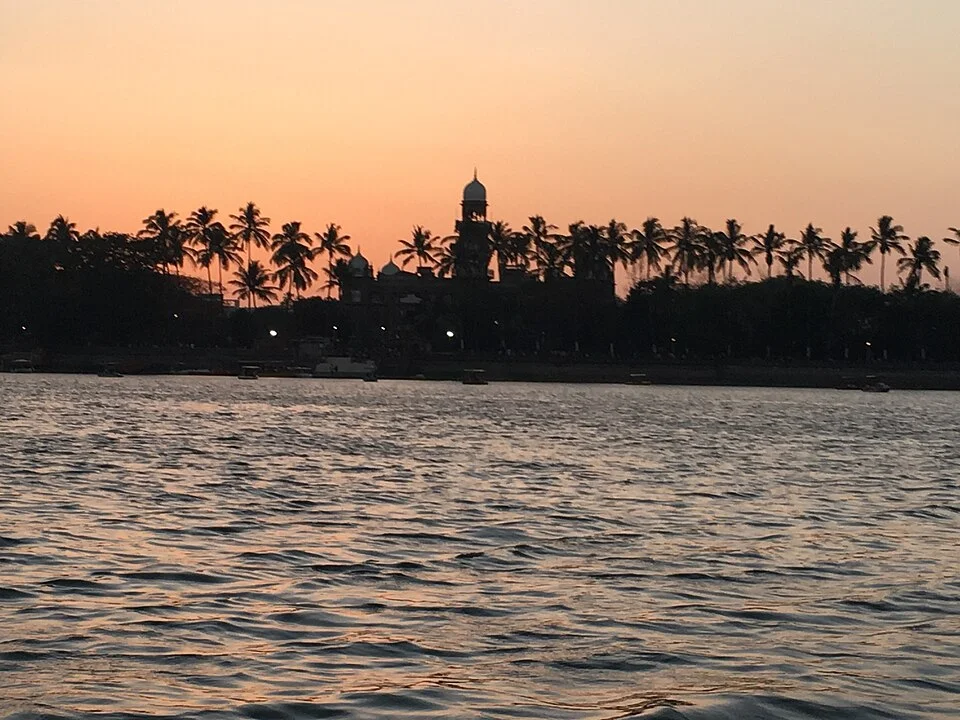
After New Palace, arrange a separate city connection to Rankala. The official district page places the lake west of Ambabai and associates it with local evening recreation. The gardened waterfront setting provides a slower interval after the two main cultural sessions. Choose a short walk and a seat in a permitted section; swimming, boarding a boat and completing an entire circuit are not requirements of this programme. The photograph's Shalini Palace silhouette on the opposite shore does not grant access to private property. In rain or on a particularly busy evening, reduce the distance and give priority to food and the return to the room. Establishing the last accommodation connection before darkness helps keep the lake visit an interval rather than an unplanned extended excursion. Older facility or hotel classifications in a source are not repeated as current service guarantees; actual urban waterfront conditions decide the visit.

The Panhala decision: an additional outside day
Readers also interested in Panhala can use Maharashtra Tourism's separate fort page to plan an additional outing. The fort described near Kolhapur is not another name for New Palace or Bhavani Mandap. The present three-night programme already uses two full city days; inserting Panhala's name does not create extra hours. If an extra night or earlier arrival provides time, connect the outward journey, chosen fort section and return in one transport plan. Select movement suitable for weather and ground conditions rather than treating an older image as proof that all entrances open today. A worship-and-city day and an outside fort day serve different reader needs; one should not become a hurried imitation of the other. This guide's main route remains the city, with Panhala a decision to extend the duration. It protects time for a quiet museum session and a real pause beside Rankala.
Departure on day four: closing two different city days
The last morning is for breakfast, luggage and reaching the booked service. Four calendar days mean three nights and two full sightseeing days: Ambabai and Bhavani Mandap, followed by New Palace and Rankala. That clear division is more workable than trying to consume the entire district as a weekend checklist. Linking food preferences to real choices around the room reduces the need to find a lengthy connection at the last moment. Visitors with limited mobility can plan separate rest intervals and consider entrance steps during both cultural sessions; a wide outdoor photograph does not establish that every interior is accessible. Sources were checked on 5 October 2026 without promising unchanged future hours or transport. The Stork's inland-city pause offers a simple, adaptable plan connecting architecture and living surroundings through a meal and a lake interval.