

Prince Albert: traces, a home and a real producer’s food
The Tatilmerkezi Stork approaches Prince Albert through two specific interests rather than a long mountain-pass checklist: reading how a trace becomes information at Fransie Pienaar Museum and connecting Gay's Guernsey Dairy products with the producer's actual sales point. A fossil trace, a household object and cheese made today are different forms of evidence. This guide connects them within a short cultural and food plan without substituting one for another. The Swartberg landscape can frame the journey, but replacing the collection day with a long pass drive would serve a different reader need.
Two nights across three calendar days provide a comfortable starting point: arrive and settle, give the single complete middle day to the museum and a confirmed shop visit, then depart. Choosing a weekday middle day may make the published institutional and shop information easier to coordinate, while still requiring confirmation for your date. Avoid attaching the essential food stop to a late arrival. A deliberately arranged visit is more useful than trying to fit every institution into an evening after a tiring drive. Selected town exteriors can serve as short intervals around the main day.
Fransie Pienaar Museum: what can a footprint tell you?
Local tourism's account of the museum includes casts of Bradysaurus footprints, Stone Age material and Khoekhoe pottery within its cultural and natural-history interpretation. A cast is different from an original trace in its original setting: retain the terminology on the display label. Instead of imagining an animal's entire life or declaring its exact behaviour from one mark, ask what the surface recorded and how the institution interprets it. Looking at shape with children offers a stronger starting point than inventing a prehistoric adventure. If the relevant section is accessible, connect your questions with the staff's explanation.
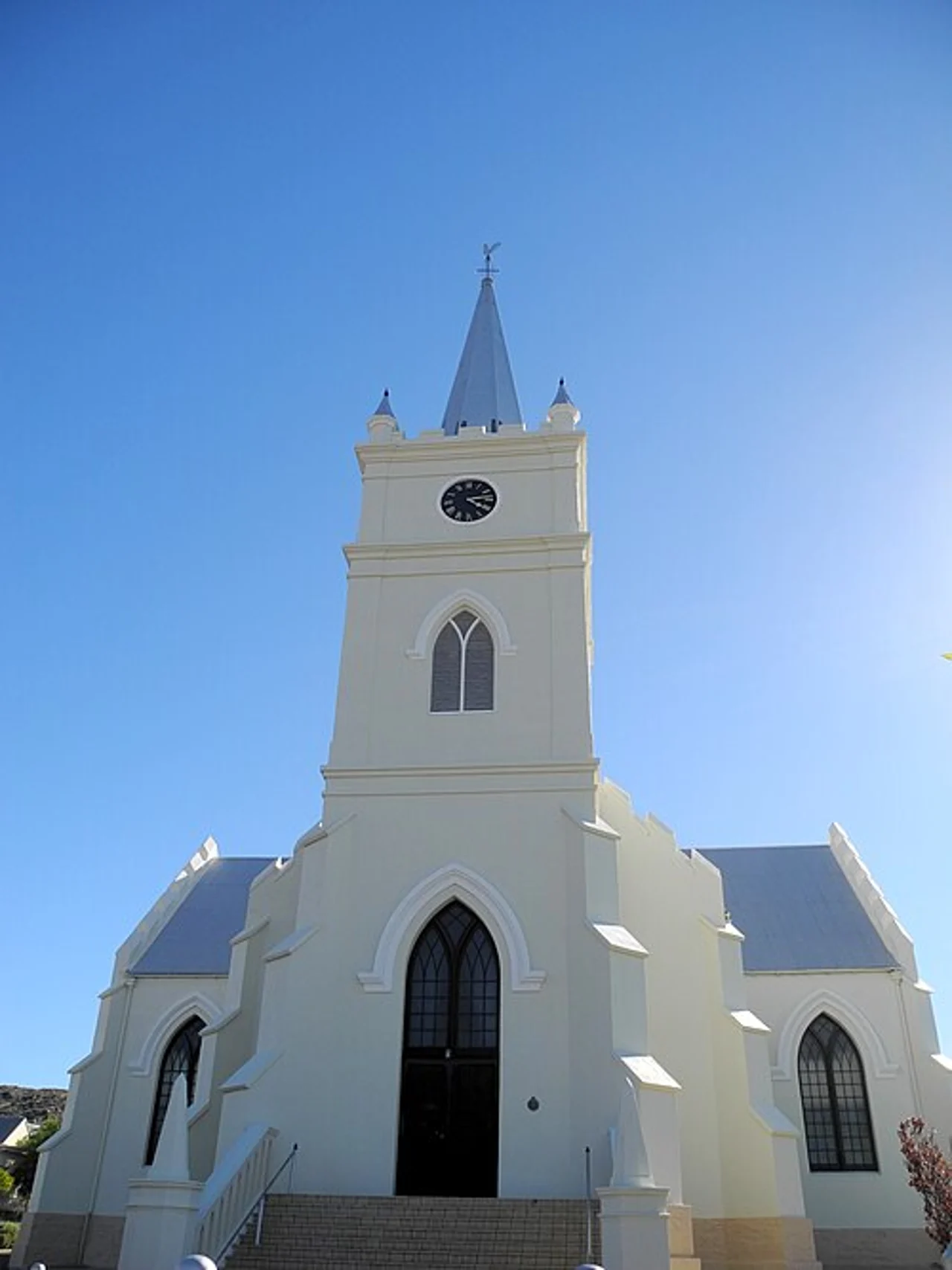

Stone, pottery and furniture describe different timescales. First consider what information a natural-history example carries, then compare the function for which an everyday object was designed. Do not reduce the domestic collection to a decorative list of old things. Photography rules, steps and opportunities to rest matter for particular access needs and are worth discussing beforehand. Rights to photograph modern art or individual works inside the museum cannot be inferred from the licence on a building exterior. The town photographs accompanying this guide do not depict the collection interior or a footprint cast.
Compare domestic memory with the town outside
The museum description also identifies household objects, the town's gold-mining period and material concerning forced removals in the 1960s. Those themes do not imply that everyone associated with a home experienced the same life. Read an object's use within the person or community context supplied by the interpretation. Avoid presenting forced removal as charming nostalgia; respect the institution's historical explanations. If a label leaves questions unanswered, ask rather than completing the missing story yourself. A quiet-looking town today is no evidence that its past was equally peaceful for all residents.
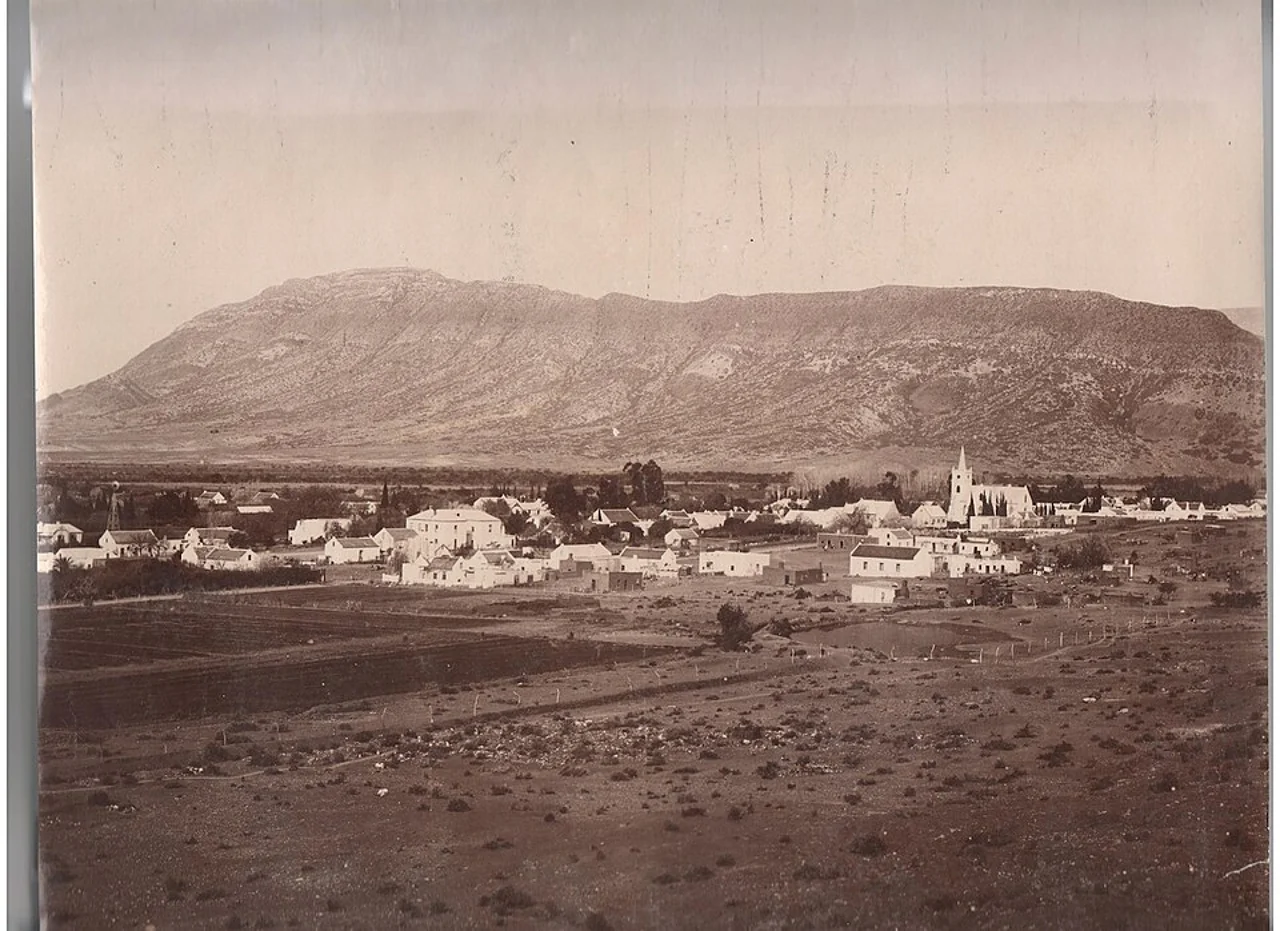

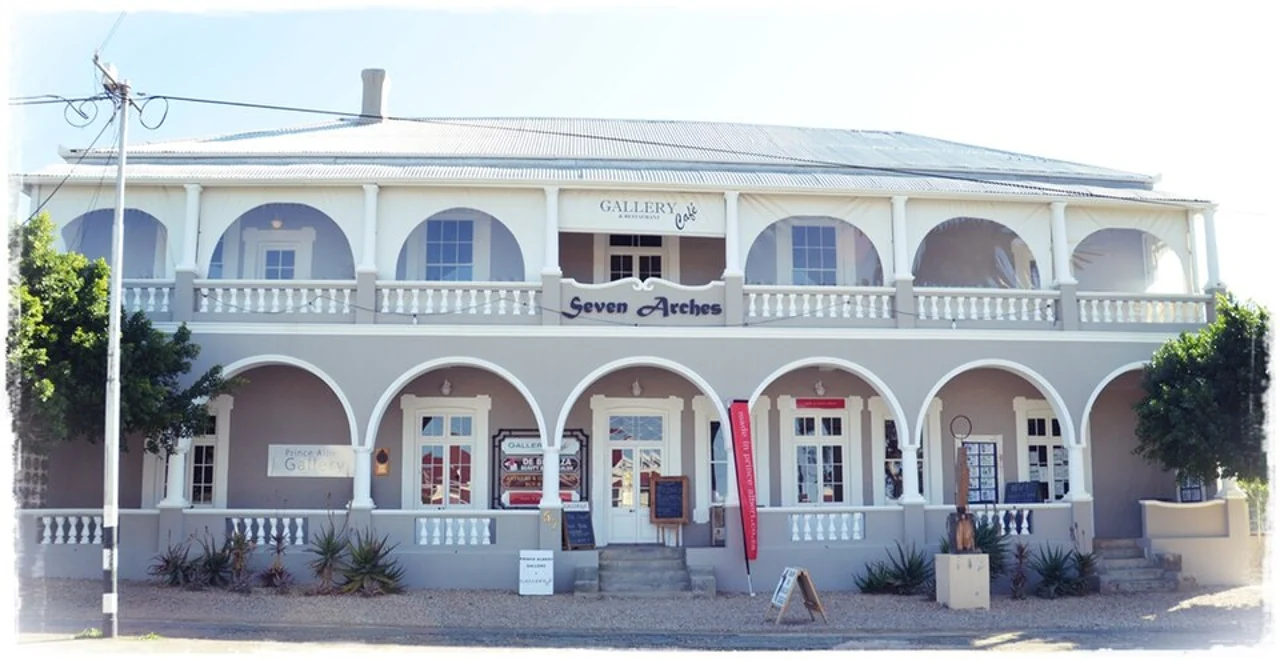
After the collection, a small exterior selection allows comparison between domestic and public scales. The Dutch Reformed Church, Seven Arches and old doctor's house photographs show different architectural scenes; they are not all open visitor institutions. Observe the relationship between pavement and entrance without entering private property. Albert's Mill supplies an exterior view of a production building rather than a promise of current operation or a tour. The view dated approximately 1890 is a historical comparison, not a contemporary photograph taken in 2021. Verify current use separately instead of reading present access from these older images.
Gay’s Guernsey: cheese, yoghurt and a concrete meal choice
The producer's product pages introduce tangible options including Royal-Mild, described as a Gouda-type cheese, feta and yoghurt. Connect them to an actual meal question rather than a vague instruction to eat something local. If available at the sales point on your date, a small cheese selection and yoghurt may accompany breakfast at your accommodation or a lighter meal after walking. Arrange bread and other accompaniments separately: no prepared restaurant plate or fixed tasting menu is promised here. Discussing the producer, cheese type and storage needs makes the purchase more informed and connects the town visit with a real food source.

The producer associates its products with raw, full-cream Guernsey milk; raw milk is not represented here as pasteurised. Choose according to your dietary needs and ask about processing and ingredients. Maturation information across different published pages is not completely consistent for every product, so this guide gives no exact ageing period or same-day stock guarantee. Arrange refrigeration and transport rather than carrying dairy products around a warm town walk. Encountering a producer's product does not automatically grant factory access or permission to interact with animals. Those are separate activities requiring their own explicit arrangements.
A central room or somewhere beyond the town?
When the collection and shop are the priorities, a central room may simplify a midday rest and suitable storage for purchased food. Look beyond a veranda photograph when booking: ask about actual location, refrigeration, vehicle parking, steps and late arrival. A stay outside town can provide a wider setting but adds a return journey for the museum and meal. Do not confuse nights with complete institutional days: two nights do not create two full visiting days. Before linking departure morning firmly to shopping, confirm that the specific service will operate in the available window.


For arrival from a regional road, compare your vehicle and an arranged transfer for the actual date. Continuously available app cars, a fixed minibus departure and identical access conditions on every mountain road are not assumed. Adding the Swartberg pass requires a separate road and weather assessment and is not compulsory for this town plan. Shade, water and road crossings matter as much as distance while walking. Prioritise the collection questions and confirmed product purchase over completing every photographed exterior in one afternoon. Protect a rest allowance before the next long drive rather than letting a short stop become another hurried transfer.
Separate shop information from a promised visit
The producer pages observed on 5 October 2026 do not present weekday shop information and weekend contact information in exactly the same way. Confirm the requested date and service directly, especially because buying products, refill service and observing production are different requests. A shop described as a connection with the producer is not an automatic factory-tour promise. Check the museum's collection access independently under its own conditions. This distinction can prevent a short day from being spent waiting at a door and gives the activity that actually interests you an appropriate share of the visit.
The Stork's favourite question here is simple: how do a trace left in the past and a product available today describe a town differently? Seek an answer through a museum label and actual product information. With limited time, keep one collection question and one food choice instead of covering every exterior. In a longer trip, add a road or nature day separately. Prince Albert can then become more than a rushed coffee interval beneath mountain scenery: it offers a correctly counted town stop, respectful historical interpretation and a meaningful connection with a real local producer.