
For a first visit to Benin, build the route around several different kinds of place in the south. Cotonou is a city and transport base; Ganvié introduces everyday life on the water; Porto-Novo invites an architectural and historical day; Ouidah requires time for the memory of the slave trade and living religious traditions. Tatilmerkezi Stork suggests choosing which experience calls to you rather than fitting every name into one exhausting excursion. A week of coastal and cultural travel does not need to extend into the northern parks. Those parks are excluded from this introductory itinerary, partly because current official warning areas must influence the route.
Draw the official warning boundaries first
FCDO advice checked on 4 October 2026 advises against all travel to W and Pendjari parks, associated hunting areas and specified northern border zones. It advises against non-essential travel to the remaining Alibori and Atacora areas and a specified eastern belt. A northern safari branch is outside this route. That does not mean the south has no terrorism or crime risk. Review the full current map before each booking, verify entry conditions for your own passport with the responsible authority and check that insurance covers the itinerary. Choose accommodation and transport arrangements with usable cancellation conditions in case advice changes. Preparation involves more than a visa and an airline ticket.
Cotonou: choose a base around daily movements
Use the first night in Cotonou for arrival and rest. Research how accommodation connects with the airport transfer, the next day's departure point and meal options. A traveller seeking a coastal atmosphere towards Fidjrossè does not necessarily need the same address as someone prioritising central connections. Finding a seaside hotel is not the same as establishing appropriate swimming conditions. Official crime advice warns against walking alone and isolated areas at night. Consider a coastal break in daylight, following current local advice and with arranged transport. Do not underestimate traffic by scheduling three excursions in different directions on the first day. A useful beginning is one that prepares the next movement properly.
Ask accommodation for the transport arrangement, driver and vehicle identification, meeting point and contact number beforehand. FCDO warns about general public-transport standards and poorly maintained or overloaded vehicles. When selecting a guided vehicle, ask about seat belts, air conditioning and luggage security as well. Aim to finish longer movements in daylight. Include meals, stops and possible checks in a transfer day rather than relying solely on a map estimate. Have the driver explain the order of places in writing instead of accepting a vague promise that everything fits. No fixed fare or timetable is given here; current arrangements need to be agreed for your particular journey.
Ganvié: a boat day enters a lived-in community
The official tourism source places Ganvié within Sô-Ava's lake setting. Treat the visit as a separate day with a transition from the shore to a motorised or paddled boat. Ask the operator about capacity, suitable life jackets, help with boarding and arrangements if weather changes. For children or mobility needs, request photographs of the boarding point rather than a general accessibility promise. The houses over the water belong to people whose privacy matters. Ask before photographing, do not obstruct a trading boat and follow the guide's stopping arrangements. The lake is not a stage set: it is the setting for work, homes and ordinary daily movement.
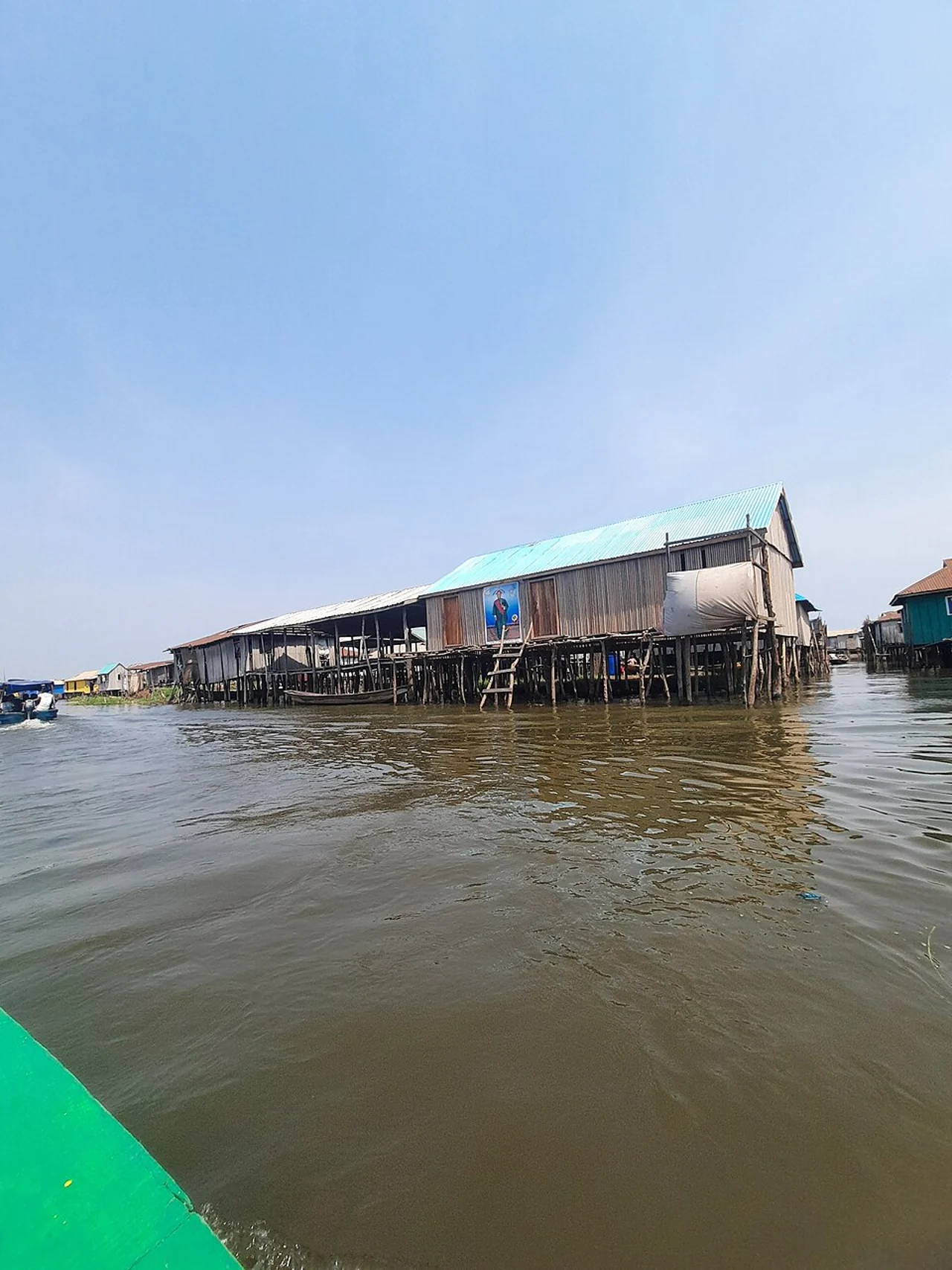

You might plan the boat visit in the morning, a previously agreed lunch stop and a return before darkness. Check food arrangements the day before rather than assuming a particular restaurant will be operating. Although the tourism page suggests a fish meal, do not claim the fish was caught that morning without direct confirmation. Ask about hot service, storage and drinking water. Combining Ganvié and Porto-Novo may look tempting, but separate days can reduce pressure on both transport and encounters during a first visit. If the guide suggests another stop, reassess the return time before accepting it. A route that stays manageable is more useful than one that simply contains many names.
Abomey: consider an extra night for history
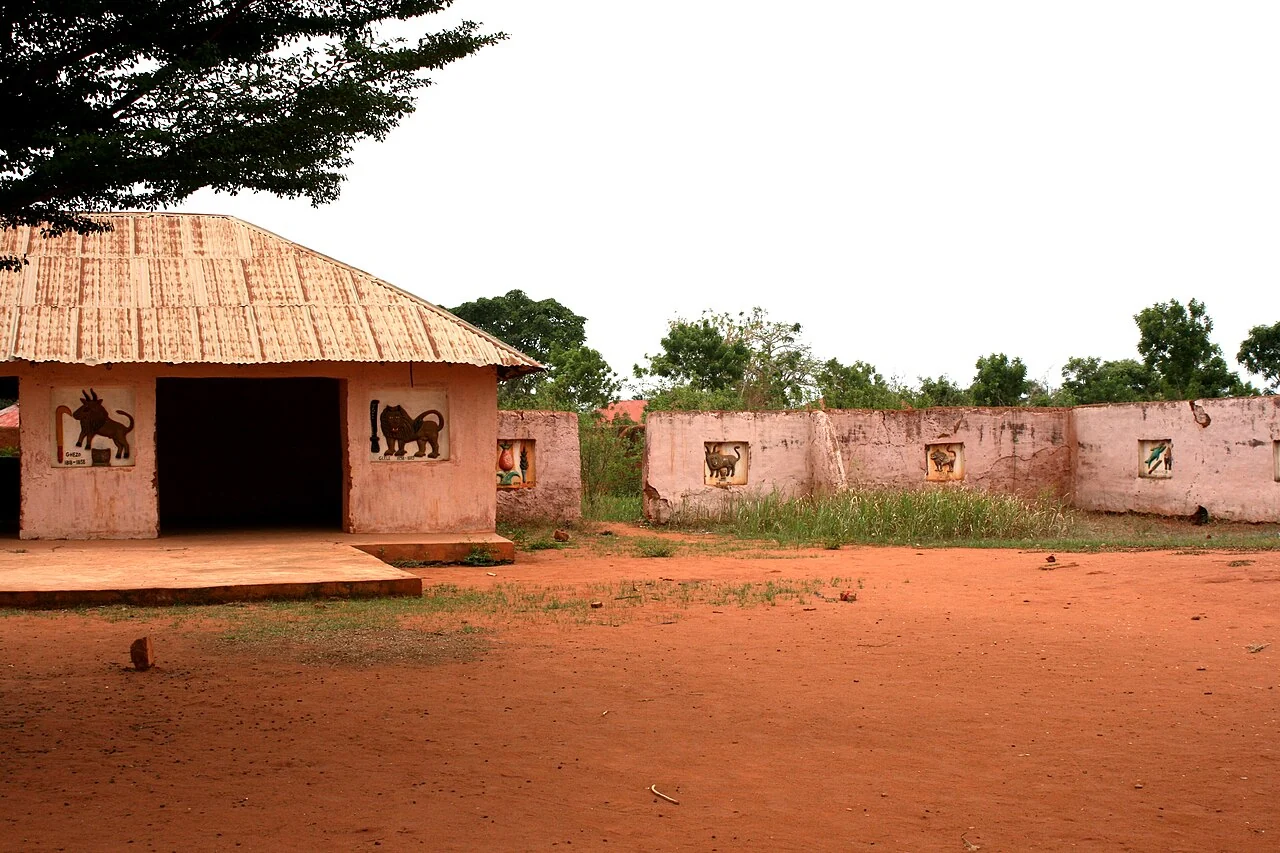
The UNESCO-listed Royal Palaces of Abomey provide a historical focus distinct from a coastal base. If you want this extension, assess the journey and visitor arrangements with a current operator. Avoid assuming you can leave Cotonou, see everything and reach another city that same evening. Ask at entry which areas are permitted, how guiding works and what photography rules apply. An older photograph of an exterior does not show the current exhibition layout or establish that every room is open. Leave rest between museum and cultural visits. Listening to one selected narrative with its context can be more rewarding than trying to memorise a long list of names while rushing between sites.

Grand-Popo: separate a sea view from a swimming plan
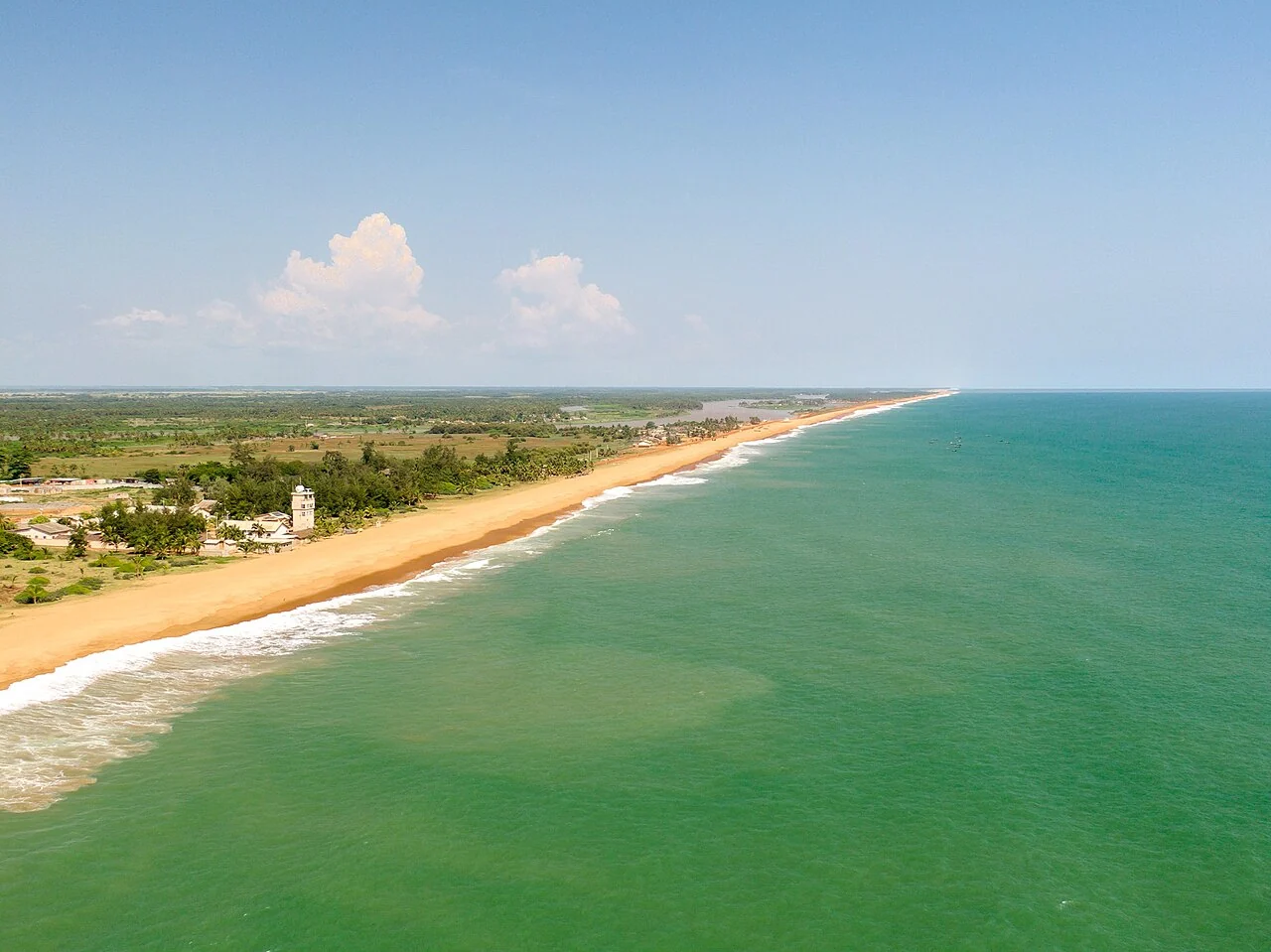
The coast and lagoon setting of Grand-Popo offers a different branch for travellers who want to slow down. If you stay here after Ouidah, ask accommodation about dependable return transport, meal arrangements and local guiding rather than just the room view. A sea photograph cannot establish current currents or security conditions. Follow current local advice instead of taking solitary walks along an isolated beach. For a lagoon or river activity, make sure the operator's weather decision and life-jacket arrangements are clear. This branch can be an alternative to the Abomey extension. Forcing both into a short visit may defeat the purpose of making time to rest.

Porto-Novo and Ouidah: separate cultural days
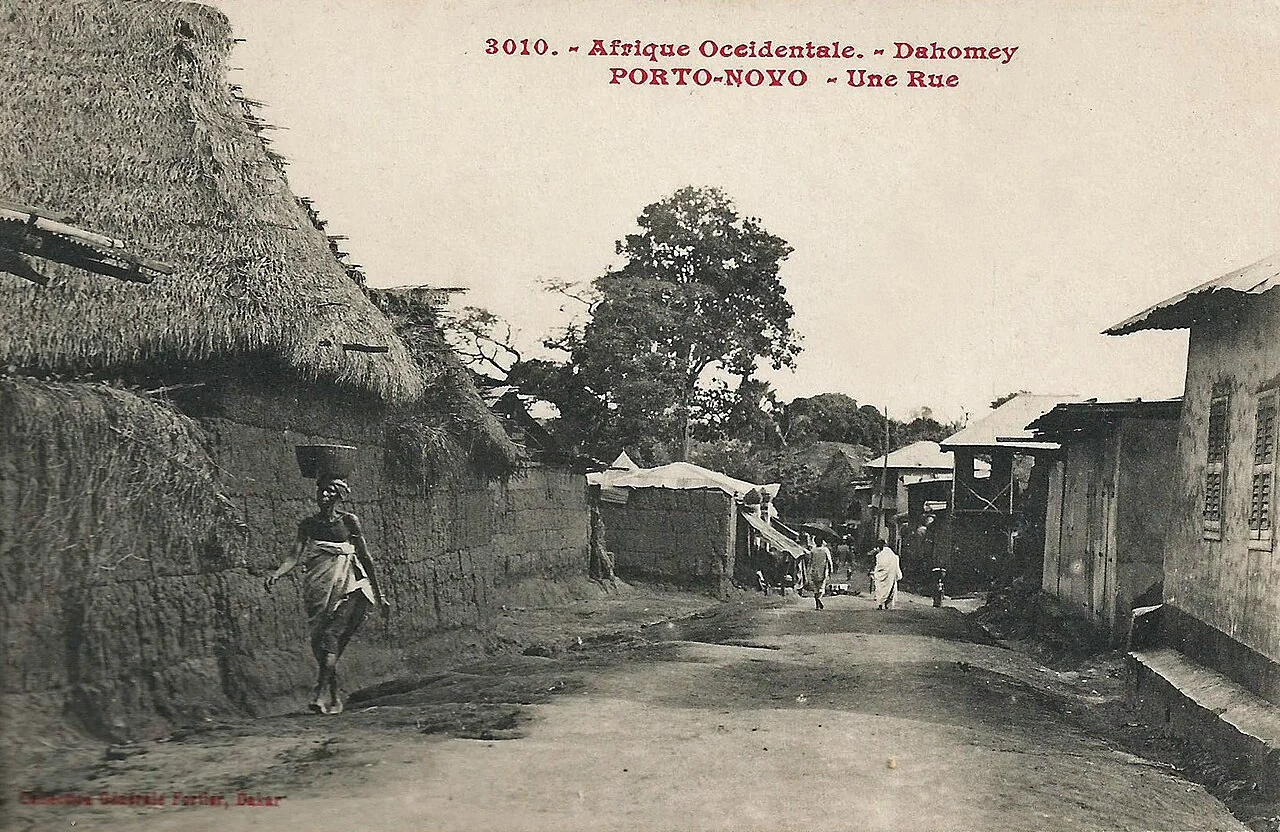
In Porto-Novo, choose a guided daytime walk that helps explain the architectural fabric and Afro-Brazilian influences. Check contemporary access conditions separately at religious buildings. The historical street image here dates to 1908 and illustrates a past appearance rather than today's city. In Ouidah, allow time for the route associated with the memory of the slave trade and for understanding living Vodun traditions. Do not request a religious ceremony as though it were a performance. Participation and photography permission should be explained by a guide. Leave space for a quiet pause after difficult historical interpretation. To see both cities, give each its own transport and meal arrangements on a separate day.

Dakouin and abla: an Ouidah lunch stop
The Benin government's Ouidah material describes dakouin as cassava-flour-based piron with fresh-fish sauce, and abla as a preparation involving beans, maize flour and red oil. If they appear on the menu, ask your guide about these local options. Clarify preferences concerning fish, hot sauce and the oil before ordering. A seated hot meal can give a better rhythm to a history day than a hurried snack between visits. Cassava products such as gari also offer an introduction to regional production; ask how a purchase is eaten and stored. These food names come from older public destination material and are not treated as guarantees of a current restaurant or available stock.
Distributing an introductory six-night stay
Start with two nights in Cotonou, one daytime visit to Ganvié and another to Porto-Novo. Assign the next two nights to a single coastal base towards Ouidah and Grand-Popo. Reconsider the remaining two nights as a return buffer or a selected Abomey extension, depending on your priorities. Six nights do not require six hotels. Keep the final night somewhere that supports your flight and write one main movement into each transfer day. Sources were checked on 4 October 2026; visiting arrangements and security conditions can change. The night allocation is an editorial option. Five licensed real images retain their dates and necessary visible credits, without promising present-day services or safety.