
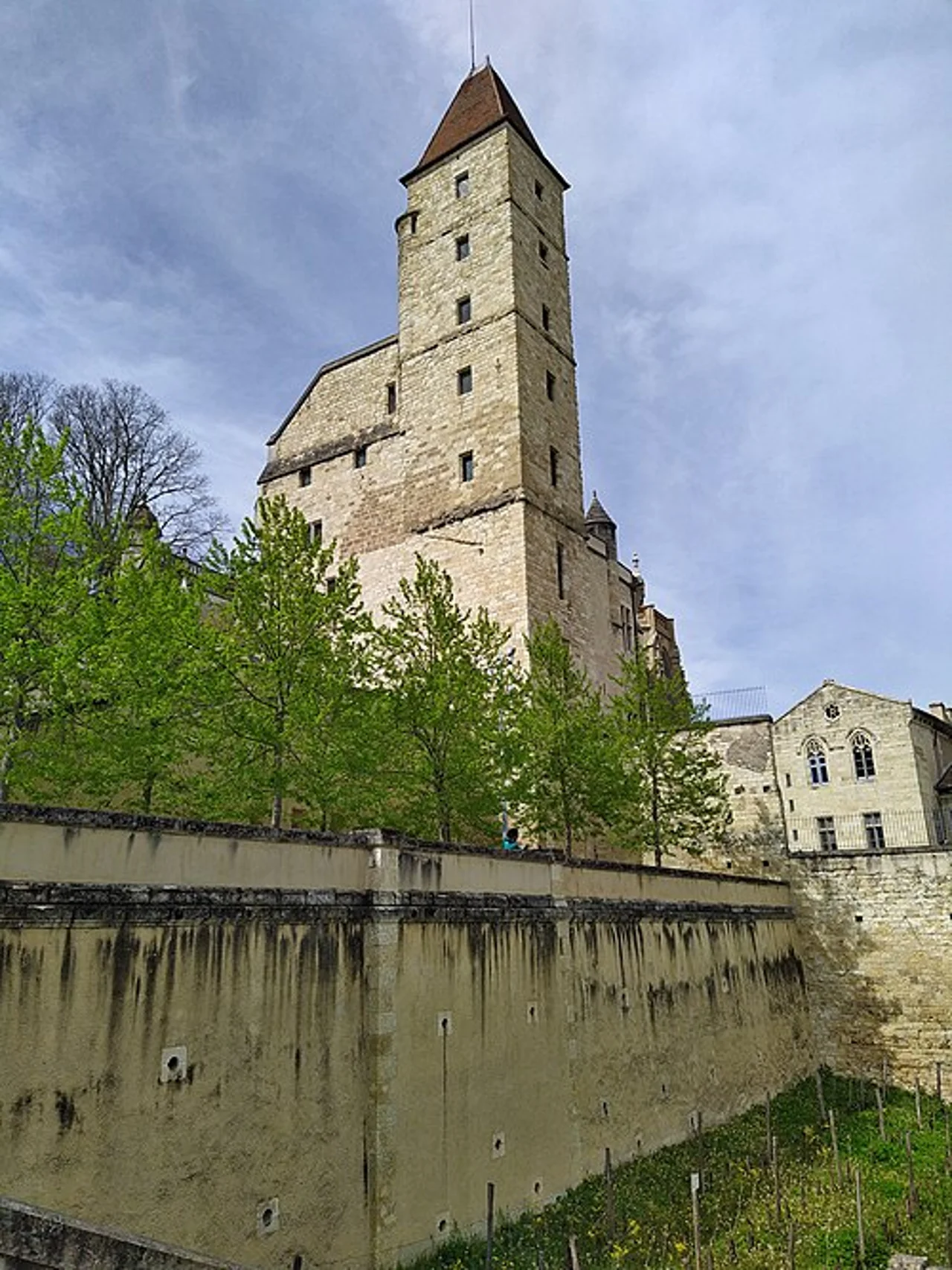
Auch: distinguish the upper town from the Gers banks
In Auch, the cathedral district and the Gers banks should not be treated as one level walk. Elevation, stairs and the choice of a return route shape the visit. For one night and two daytime sessions, the Tatilmerkezi Stork suggests the upper town and a short pousterle walk first, followed by the Museum of the Americas on a suitable opening date and a riverside pause. Two nights allow these interests to be separated more comfortably. With less time, select one cultural focus instead of trying to finish every staircase and every museum. The tower and streets may look close together in photographs, but the gradient changes the effort required. Luggage and individual mobility needs therefore belong at the beginning of the plan.
Trains from Toulouse provide an arrival option. The tourist office also describes reaching Auch from Agen by bus, so the Agen-Auch section is not presented as an automatic direct railway connection. Check the dated liO service, any transfer and the last suitable return before booking. The station is by rue Pierre Mendès-France; resolve the accommodation entrance before taking a suitcase into an upper-town staircase route. If someone in your party cannot use steps, do not make the monumental staircase the group's only connection. Discuss an appropriate alternative with the accommodation or tourism office. Adding Lavardens or other rural places requires separate travelling time. This city route does not imply that those villages have been visited.
Sainte-Marie: from the façade to the wooden choir
Sainte-Marie's two façade towers can provide an orientation point in the upper town. Begin outside, considering the scale of the building before turning to its intricate interior. Current tourism information identifies Arnaud de Moles's stained glass, the carved oak choir and the large organ as different points of attention. Choose the material that interests you most: light through glass, or the arrangement of figures in wood. Read an explanatory panel rather than confidently assigning an identity to every figure from appearance alone. The choir's visiting conditions and general entry are not identical. A guided programme or audio guide, when available for your date, can help connect the building's different periods without reducing the visit to a rapid list of features.
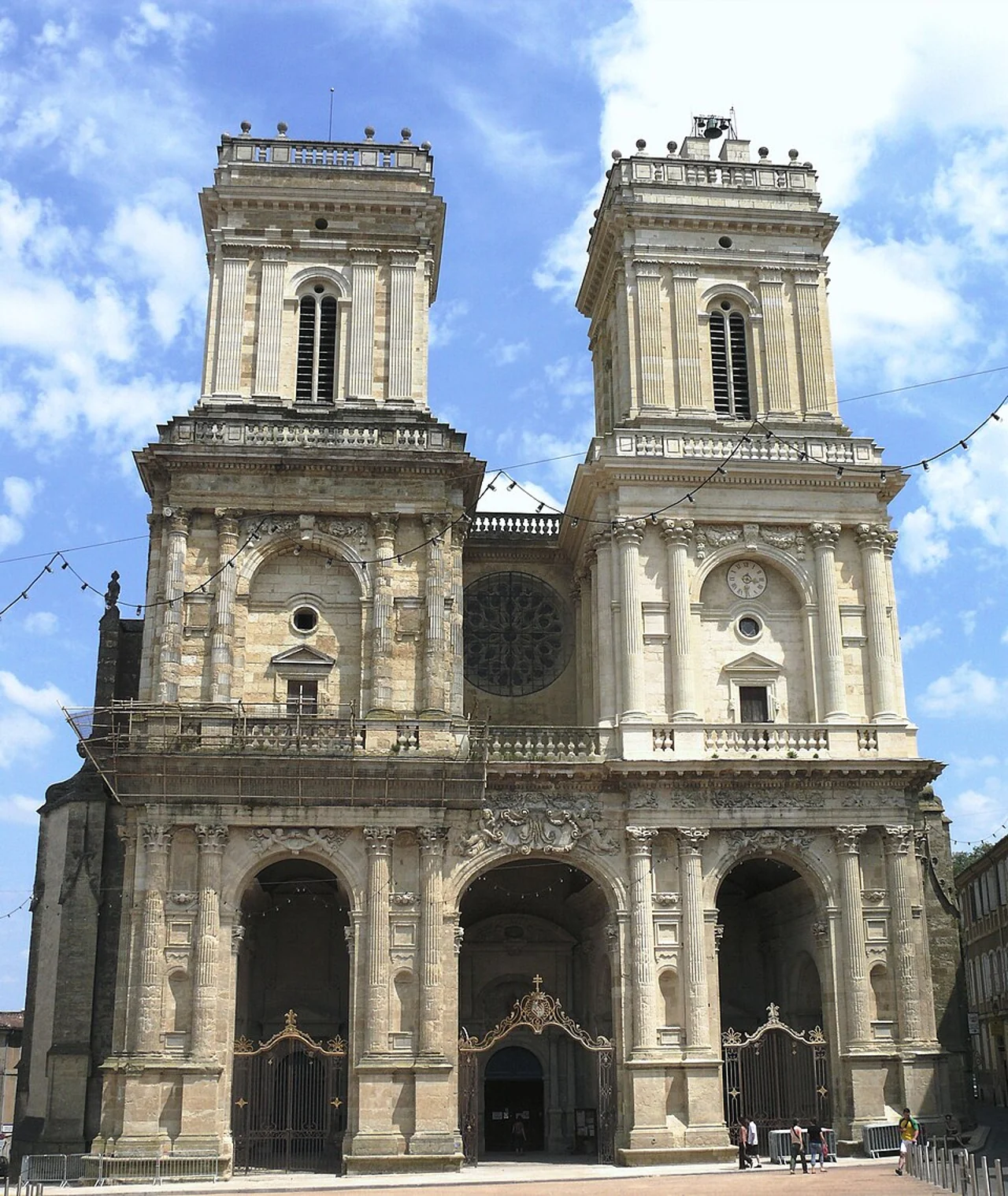

The cathedral remains a place of worship, and a cultural visit can be interrupted by ceremonies. Official information explains additional choir closures around services. Avoid fitting your entire visit into a midday break or worship period. The September-October timetable has separate daytime periods and a different Sunday arrangement; November-December changes the closing time. Read the row for your own date close to departure. A joint-ticket promotion explicitly dated June-September 2026 is not carried forward as an October offer. Access information provides a starting point for discussing the suitable entrance and drop-off point, while particular needs deserve a direct enquiry. Our west-façade photograph was taken in July 2007 and does not establish present restoration, choir access or interior arrangements.
Pousterles and the Armagnac tower: plan the climb back
From the cathedral district, moving towards the public space overlooking the Armagnac tower makes the town's height easier to understand. Seeing the tower outside does not prove that its Treasury museum is open; check that visit separately. Using the whole monumental staircase is optional. Stopping on a terrace to understand the lower-town direction can be a complete and worthwhile choice. Tourism accounts count steps using different scopes, so this guide does not turn a disputed number into an effort calculation. Someone who finds the descent easy may still need a different return. Put rests, water and suitable stopping places at transition points, rather than reserving every pause for the day's end. Choose a safe edge for a photograph instead of blocking a staircase with the whole party.
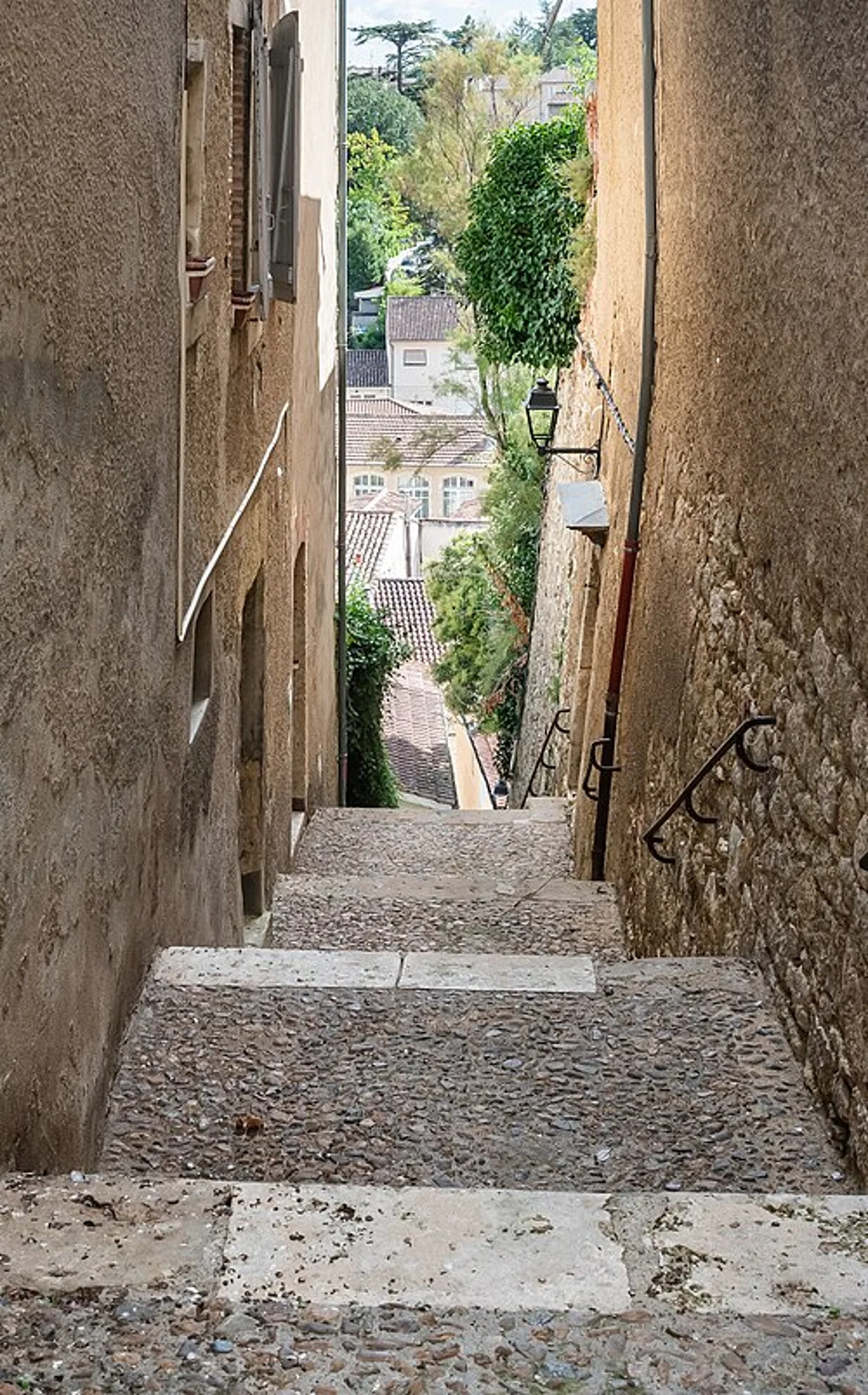

The pousterles are narrow, sloping historic passages between the upper town and the river. The tourist office names five and distinguishes the Vieille Pousterle as lacking steps. Step-free does not automatically mean level or suitable for every wheelchair. Our Couloumats photograph shows an actual stepped passage, helping explain the distinction without promising current access. Decide how to return before committing to a descent. Rain can change the comfort of the steps; appropriate shoes and a shorter option can help. Some passages run alongside private entrances, whose doors should not be treated as attractions. If you would rather avoid repeating the same climb after reaching the bank, position dinner or accommodation with that decision in mind.
A Gascon meal and a riverside pause
On the way to a meal, pause to observe the historic-centre half-timbered façade shown here; the photograph is not evidence of a restaurant or a prepared dish. Duck breast, or magret, and confit are different preparations in Auch's food story. The tourist office relates magret to André Daguin and local restaurant history, offering a useful introduction to the town's dining culture. If offered on the current menu, duck breast with seasonal vegetables or potatoes and a small serving of pastis gascon can form a concrete regional meal. This is a menu-dependent suggestion, not a promise that a particular business serves it today. Ask about the cooking preference and sauce ingredients when ordering; the regional name alone does not explain the whole preparation. Travellers who do not eat duck should check the vegetable or alternative protein option actually offered. A dish in an old group brochure is not turned into a guaranteed daily service for individual customers.
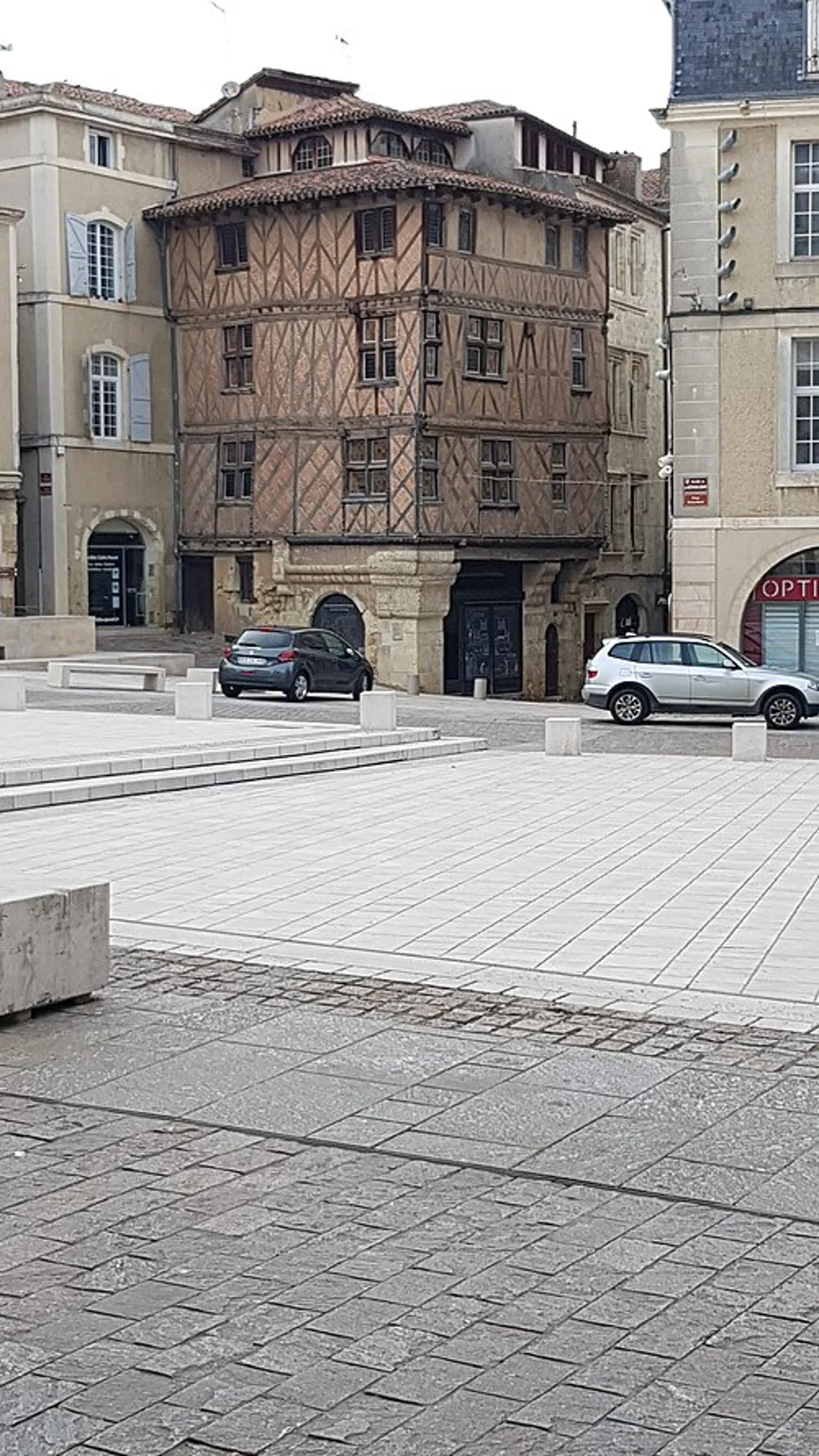

Local material associates Gascon pastis with apples and Armagnac. If alcohol or another ingredient matters to you, ask about that kitchen's recipe instead of assuming cooking settles the question. Afterwards, a short section of the Claude Desbons riverside walk offers a different perspective on the upper town. Tourism information also describes a longer out-and-back option; completing all of it is unnecessary here. Establish a starting point and return, then notice the river, trees and upper-town outline. On shared sections, choose a stopping place with other walkers and cyclists in mind. The architectural photographs do not serve as evidence of a prepared meal, and current bankside conditions should be checked with local signs near the visit.
Museum of the Americas: preserving the 5-7 October closure
The Museum of the Americas provides the next suitable open day's cultural focus. In the former Jacobins property, American arts sit alongside Gascony, antiquity and fine arts, inviting questions about different places and materials. Read the institution's account of provenance and context rather than assigning every object to one culture or date. Following the journey of an object into this town's collection can turn the surprising museum name into a useful enquiry. The entrance photograph shows the exterior building, not a collection object or today's exhibition. With a short visit, choose one section; with a stronger museum interest, shorten the river walk and reserve a wider window for looking. The surrounding town remains an alternative interest, not evidence that the institution is open.
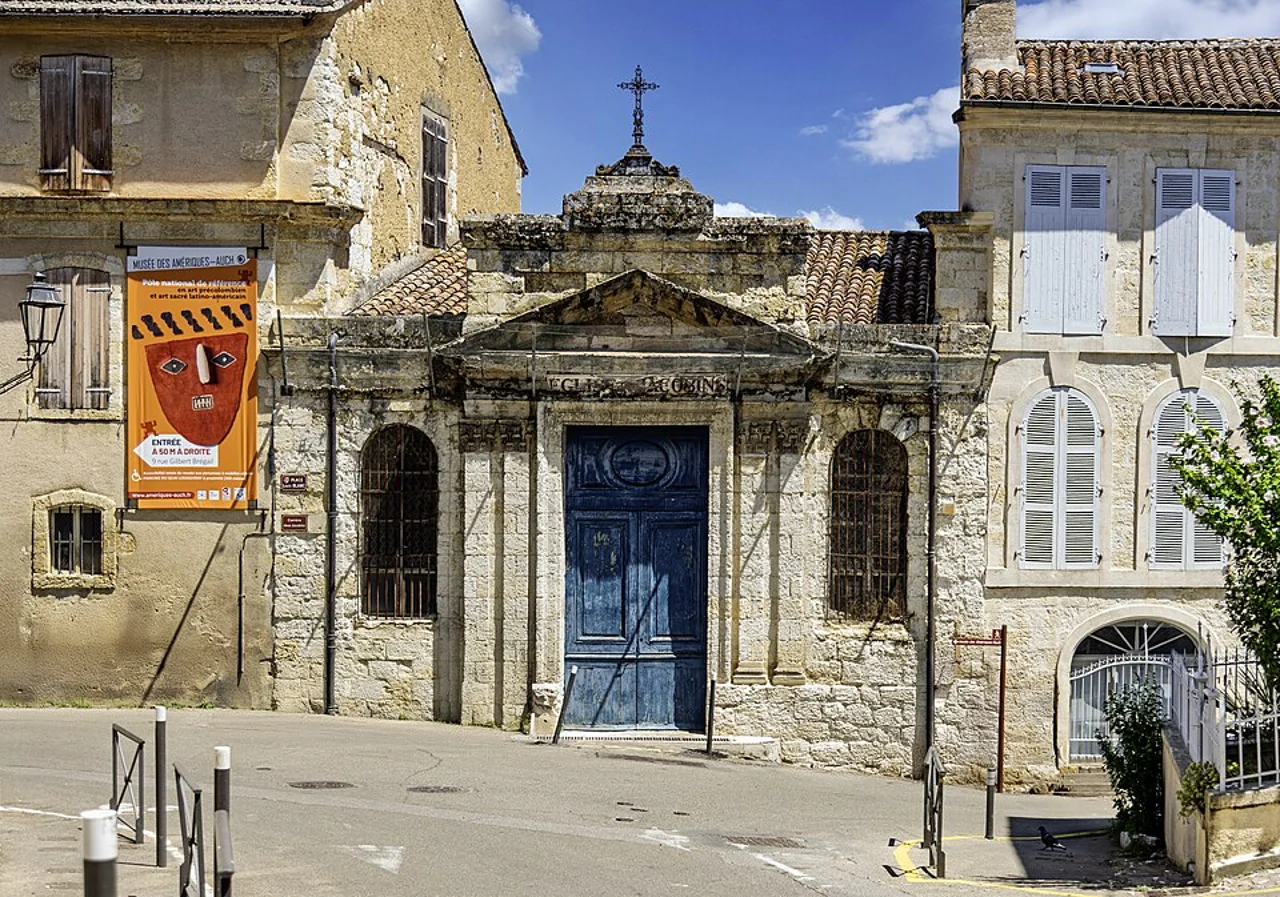

On 5 October 2026, the museum's own page explicitly announced an exceptional closure from 5 to 7 October 2026. We therefore do not suggest an open museum visit on those days: use the upper-town and riverside programme or change the visit date. Its normal timetable distinguishes a midday interruption and ticket-office closure forty minutes before the doors. It also announces morning closures for 16-19 November, which winter visitors should check. General accessibility is reported; discuss your particular requirements directly. An upper-town room may connect more conveniently with the cultural walk, while the lower town can suit the station and bankside interests. Ask about actual stairs, luggage and parking. Source-check dates and photograph dates remain separate. The Stork's final suggestion is to remember the return climb when looking downhill, and the opening date when planning the museum.