

Uruguay deserves a journey with room between its stops. A neighbourhood lunch in Montevideo, a wind-shaped walk on the Rocha coast and a separate inland nature trip serve different kinds of curiosity. Tatilmerkezi's Stork starts this country guide with the capital and one eastern coastal base. It does not squeeze every beach town and inland region into eight days. The suggested days below are an editorial example, not a bookable tour, guaranteed connection or promise about today's conditions.
Eight days: two bases and time to return
Keep day one for arrival in Montevideo and a short walk near your accommodation. On day two, explore Ciudad Vieja in daylight and give lunch its own place at a parrilla table. Day three can combine the shoreline with the neighbourhood rhythm around Pocitos or Parque Rodó. It need not end with a dash across the country. On day four, take your arranged transport to one chosen base in Rocha. La Paloma may suit a traveller prioritising services and connections, while Punta del Diablo offers a smaller coastal settlement. They are choices, not two compulsory overnight stops.
Spend day five walking your base's beach and having a local lunch. Day six can become a separate Cabo Polonio outing if weather, access and a workable return connection support it; otherwise remain on the nearby coast. Return to Montevideo on day seven, preserving a buffer night before an international departure. Day eight belongs to leaving. Arrival, city time, coastal time, return and departure are therefore distinct. Colonia del Sacramento, Quebrada de los Cuervos and Río Negro are alternatives for a differently shaped country trip, not hidden additions to this eight-day example.
Accommodation: plan the evening as well as the address
For a first visit to Montevideo, an address around Pocitos or Parque Rodó can help you keep a shoreline walk and dinner return within the same neighbourhood. Ciudad Vieja works well for daylight exploration, but staying in the historic centre requires a separate plan for getting home at night. The FCDO safety page checked on 4 October 2026 advises against walking alone downtown or around the port, particularly at night. This guide does not give any neighbourhood an unconditional safety label.
On the eastern coast, distance from the sea is only one accommodation criterion. Consider meals outside the busiest season, the transfer from the terminal, the surface you will walk on with luggage and somewhere comfortable to spend a wet afternoon. Sleeping in Cabo Polonio is a separate decision. Rocha's official tourism portal describes access by specially adapted all-terrain vehicles. Ask your accommodation for its actual electricity, water, luggage and communication arrangements before reserving. Carrying the expectations of a city hotel into a dune settlement can create a disappointing mismatch.
Transport: separate the long journey from the last kilometre
The FCDO identifies Tres Cruces in Montevideo as the main terminal for long-distance bus journeys. An intercity ticket does not automatically solve the final transfer to your accommodation. Record the terminal arrival, onward connection and return journey on separate lines. In smaller coastal settlements, a late arrival can affect dinner as much as transport. This guide gives no fixed fare, timetable or assertion that service frequency remains unchanged throughout the year.
A rental car offers flexibility between coastal towns while adding parking and luggage responsibilities. FCDO advice notes variable road surfaces beyond the main routes and calls for extra care at night or in poor weather. Check electronic toll arrangements and rental-company billing in your contract rather than assuming a crossing is free. Keep visible bags out of a parked car in Montevideo. Maintaining the capital buffer night before flying is one way to avoid turning a long rural drive into the last urgent task of your holiday.
Punta del Diablo: a day beside the Atlantic
The Playa de la Viuda photograph shows Punta del Diablo's broad coast in 2018. It is not evidence of current swimming conditions. A day here can consist of a morning shoreline walk, lunch and a shorter second outing chosen around the wind. Waves and warning flags matter more than an inviting image. A beach day can be satisfying without entering the water: follow the coastline, notice the colour changes and return to the settlement for a meal.


Rather than setting a distance target, decide where you can turn back comfortably. Sand, exposed weather and the next available meal change how a walk feels. Travellers who want a quiet coast and travellers who need a wide selection of services may choose different bases. The country plan leaves room for that difference instead of declaring one settlement the correct choice for everyone.
Laguna de Rocha: leave space for the birds
The Laguna de Rocha image is a 2014 scene of birds and water. It does not identify every species or guarantee a present-day sighting. This section introduces a different kind of attention for a coastal holiday. Establish your observation point and access using current local official tourism information; do not create a new route through a sensitive shoreline. Watching from a distance without feeding birds or using noise to draw them closer is part of the experience.
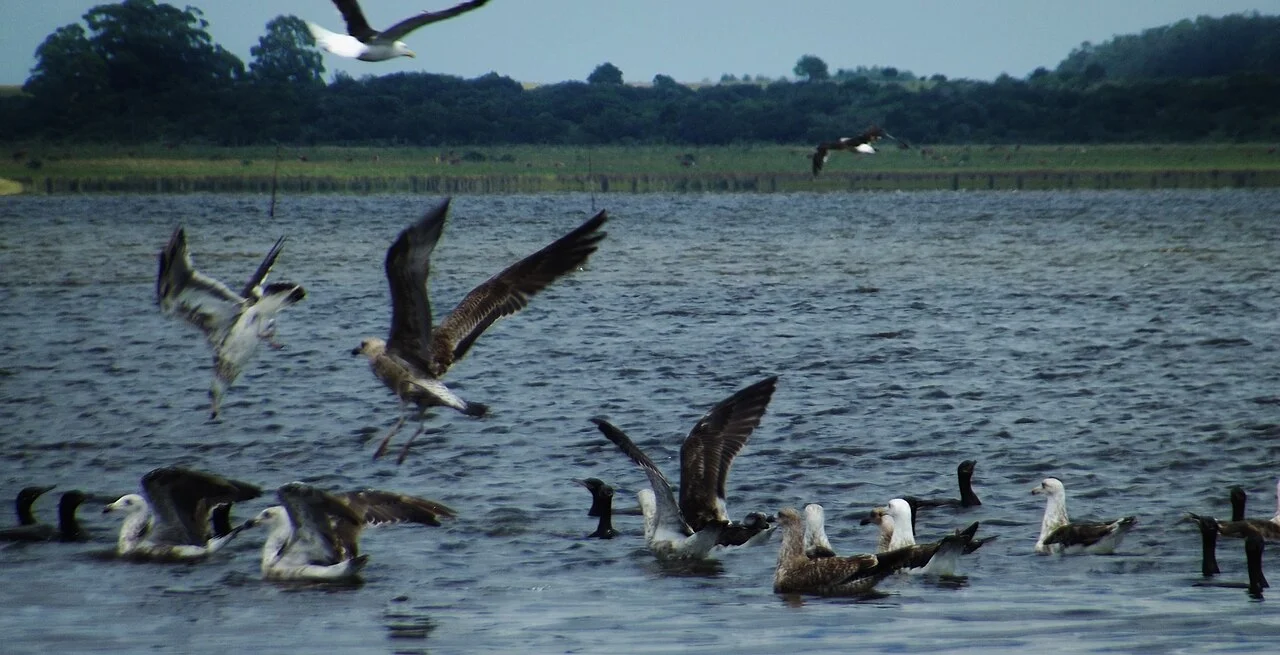

If the last connection from your base to the lagoon is unresolved, do not treat the stop as a compulsory daily excursion. A country guide can explain what a place adds without pretending to operate its transport. An afternoon with a notebook or binoculars is a different reader need from another swimming beach, and deserves its own realistic block of time.
Quebrada de los Cuervos: another schedule for the interior
The 2014 view of this green valley in Treinta y Tres is a reminder that the interior calls for a different journey from the coast. We do not present it as a ready-made short extension to an eastern beach day. If walking is your priority, design a separate programme that gives some of your coastal nights to the Treinta y Tres area, then match current visitor conditions and access roads to authoritative information. Rain and slippery ground may alter the walking decision.


The lookout railing in the picture is a functional, secondary part of the landscape. Neither the photograph nor the country overview certifies that a particular trail is open now. Giving an inland base actual nights, rather than adding it as a hurried detour, also allows you to arrange lunch and return transport without rushing the valley visit.
Río Negro: an alternative that points west
The 2017 river photograph depicts Río Negro in Uruguay, not the Rocha lagoon or Montevideo's shoreline. It represents a separate direction for a journey oriented towards western Uruguay and its rivers. If you choose Colonia del Sacramento and the west, remove the eastern coastal bases from the same week's programme rather than piling them on. That choice suits a reader who would rather spend longer beside the water than change accommodation every day.


A river view alone does not prove that a boat service or designated swimming area exists. Decide whether your interest is a waterside walk, a local settlement or a longer regional route, and arrange the corresponding access. The point of showing this alternative is to reveal the country's variety while keeping the main eight-day plan geographically coherent.
Meals: chivito, parrilla and a sweet pause
Uruguay's Tourism Ministry highlights parrilla, chivito, mate and dulce de leche among the country's food traditions. Give a Montevideo lunch to chivito: this meat sandwich may arrive with combinations of egg, cheese, ham and vegetables, so use the actual menu rather than expecting one universal recipe. On your other city day, pair a parrilla meal with vegetables or a salad instead of fitting two substantial meat lunches into a single afternoon. A different coastal meal can make room for a fish option offered on the current local menu. None of the accompanying photographs depicts food or a named restaurant.
A small dulce de leche dessert with coffee can be more convenient on a transfer day than a large evening feast. Mate is an identifiable part of social life, not a ritual every visitor must join. Travellers avoiding meat can look for pascualina, vegetable and pasta choices, building a meal plan that does not reduce Uruguay to its grill. These suggestions are not claims that a particular kitchen is open, a price is fixed or a dish is free of allergens.
Weather and source note
Distinguish the day's forecast from the general season. FCDO advice describes the possibility of heavy storms and flooding, as well as forest fires during hot dry periods; consult current local warnings when arranging the day's movement. At the sea, follow lifeguard advice and warning flags. Sources were checked on 4 October 2026. The five licensed photographs show different scenes, with historical capture dates retained in their captions. The Stork's closing suggestion is straightforward: a week beginning with the capital and one coastal base can introduce Uruguay well without turning the whole country into a completion race.