
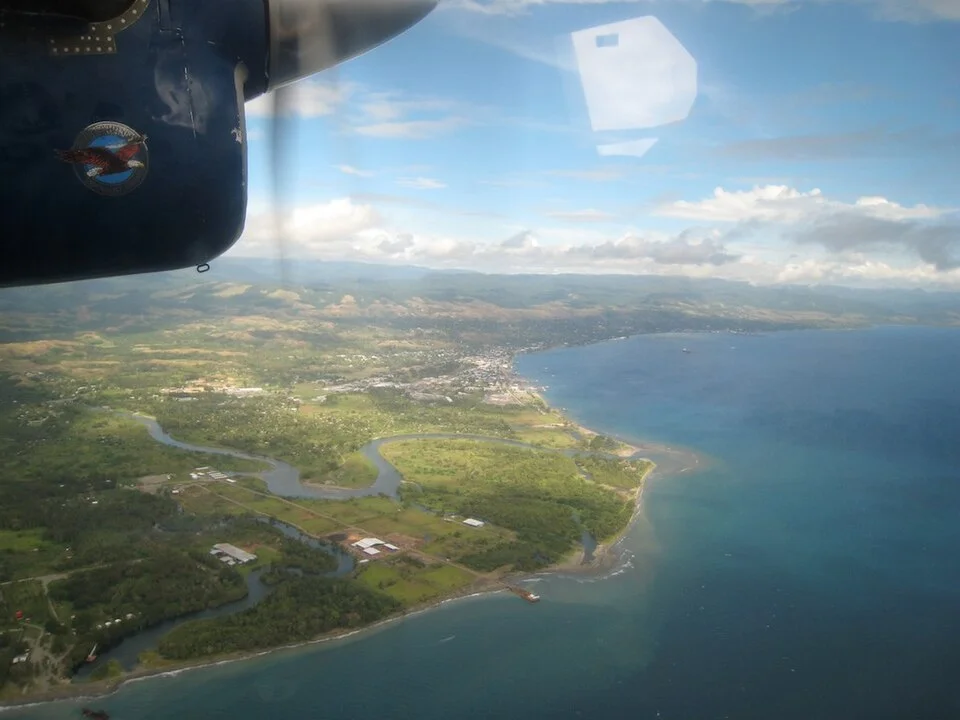
It is easy to treat Honiara as a waiting room before flying to another island. The Tatilmerkezi Stork suggests giving the capital a little time of its own: the museum, everyday produce and a carefully placed evening meal offer a different kind of island story. This guide is a compact plan for two nights and two city days, followed by departure on the third morning. It does not add Gizo flights, remote villages or a circuit of Guadalcanal battle sites. A brief stay therefore remains a city visit rather than a succession of transfers.
A blanket promise of safety would be inappropriate. In the sources checked on 4 October 2026, FCDO specifically discusses theft and violent incidents around the central market and local beaches, caution at night and political demonstrations that can develop suddenly. Visits below are intended for daylight; a short transfer arranged through your accommodation may be preferable to walking. If current local guidance conflicts with a proposed stop, remove that stop. Changing a route in response to conditions is sound planning, not a failed holiday.
Arrival evening: choose a centre with an easy return
Getting from the airport to your accommodation and having your first evening meal are enough for arrival day. Tourism Solomons identifies minibus and taxi options for the airport and the city. For a first arrival with luggage, however, an agreed meeting point can be less tiring than working out a route at the roadside. Supply the flight number, luggage details and the accommodation's full name when arranging a transfer. A familiar building or stop name should not substitute for an exact address. Agree the fare, waiting arrangements and return conditions before setting off.
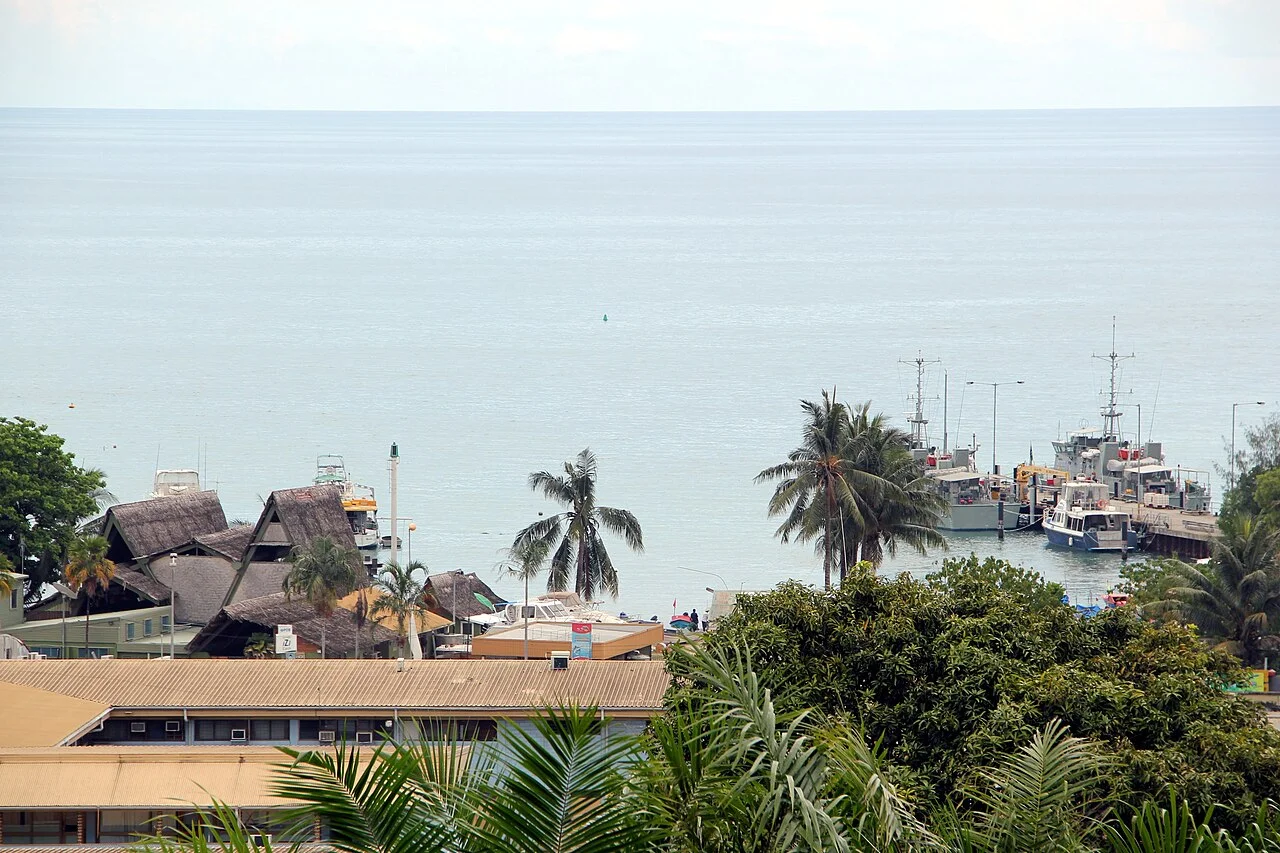

Look beyond the bedroom photograph when choosing a base. Access to Mendana Avenue and the cultural institutions, an available evening meal, an arranged vehicle back and a room suited to rest all matter for these two nights. A hillside room may offer a sea view, but repeatedly going down and back up affects the day's effort. Proximity to the coast does not establish a swimming opportunity either. A quiet first dinner might be cooked fish with taro or sweet potato, followed by packing a small bag for the morning. Keep the first evening uncomplicated instead of using it to attempt the whole capital.
First morning: keep market shopping modest
Central Market is the main food market described by Tourism Solomons for fish, fresh produce and crafts. Products from different islands meet in the capital here. Give the morning visit a small purpose, such as buying fruit and learning about one produce stall, rather than trying to cover every aisle. Separate a modest amount of spending money beforehand so that you need not open a large wallet in the crowd. Ask what a product is and how it is used in a meal without blocking the passage in front of a busy stall. Asking permission to photograph a person is a courtesy independent of making a purchase.


Taro, sweet potatoes, coconut and fish are concrete ingredients identified by the tourism authority in local food. You do not have to sample everything you see at once: selecting morning fruit and leaving room for cooked fish at lunch makes a more coherent day. Turning raw market fish into a meal in your hotel room is not part of this plan. The market photograph in this guide shows Honiara SDA Market, not today's Central Market layout. Those two names should not be used interchangeably when giving instructions to a driver. A photograph can illustrate city market life while still identifying the particular market truthfully.
Mendana Avenue: connect the first day through the museum
Make Solomon Islands National Museum the main visit after the market. Its official institution page gives Mendana Avenue, Honiara as the address and describes its cultural heritage role. In a gallery, read an object through its use and the community associated with it instead of treating it solely as decoration. If a display addresses marine tools, exchange practices or craft making, spend time with one topic. That can be more memorable than photographing every case. The itinerary does not promise that a particular collection or object will be on display on the day of your visit.


Check the museum's own page for current visiting times; this guide does not fix ticket prices or opening hours. Keep lunch in the same central area to avoid an unnecessary return to a hillside hotel. A cooked fish or chicken dish with taro, and a coconut-based preparation where available, is a useful way to connect ingredients seen earlier with a meal. This is a meal-planning suggestion, not a claim about a named restaurant's current menu. If rain starts, extend the lunch pause and shorten the outdoor portion. That is the flexibility built into two city days rather than a reason to rush through the museum.
Second day: read the city through craft
National Art Gallery and its Honiara Craft Market Centre can provide the second day's cultural focus. The government's gallery page describes the craft area as a place where artisans can produce and sell their work. Discussing a basket's weave, a wooden object's making or a piece of jewellery's material gives a purchase more meaning. Do not assume you can reproduce and publish contemporary artworks simply because they are exhibited; follow the institution's photography rules. Materials and carriage conditions also matter for an item you buy, especially plant or animal materials, for which the relevant official rules need separate attention.


You need not fill this day with a long shoreline walk or an independent hillside excursion. A brief look from a central waterfront point that is open and usable, followed by the arranged return, is enough. The broad sea and city photographs give a sense of orientation but do not establish that a particular viewpoint is publicly accessible today. Avoid wandering into peripheral settlements, beaches or restricted private ground without appropriate arrangements. Seeing the sea and entering it are different decisions in Honiara. This route does not recommend swimming without local advice about water conditions and wildlife.
A final meal and departure on the third morning
For the second evening, vary yesterday's fish meal with cooked chicken or vegetables accompanied by sweet potato if these are on the menu. A small coconut or fruit pause can provide a quiet contrast to the busy morning market. Choosing a central meal with a known return, or the accommodation's kitchen, makes more sense for this short guide than chasing distant restaurants over two evenings. The Stork's note is simple: Honiara's flavour lies in connecting a market ingredient, a museum conversation and a lunch pause, rather than finding one enormous plate that supposedly represents every island.
After breakfast on the third morning, check the luggage, airport transfer and flight information before leaving. Do not borrow the departure margin for a final shopping trip. If your notes hold one market ingredient, one use you learned about at the museum and one craft process you discussed, the two days have fulfilled their purpose. This arrangement gives Honiara its own time without pretending to cover the entire archipelago. Sources were checked on 4 October 2026; review official travel advice and the institutions' access information again before travelling.