
Jamshedpur: parks, rivers and food in a steel city
The Tatilmerkezi Stork does not reduce Jamshedpur to a factory tour. Its industrial background, planned green spaces and nearby water landscapes can be understood together, but access to a production site is not a natural part of a sightseeing ticket. This guide uses four calendar days and three nights: arrival, Jubilee Park and a city meal on the second day, Dimna with a possible short river connection on the third, and departure on the fourth. Hudco Lake is a different alternative to Dimna, rather than an extra water stop to squeeze into the same day. Jamshedpur and Tatanagar may both appear in records for the same city journey. The purpose is not to cover all of Jharkhand. It is to help someone with two complete days between work or family commitments build a considered visit. Longer nature walks or wildlife programmes need their own arrangements beyond this city framework.
Tatanagar arrivals and separate daily connections
Check Tatanagar Junction when planning the rail journey. The official travel instructions of NIT Jamshedpur use this junction for the city; a list of connecting cities is not the timetable for your date. Leave luggage at the accommodation and begin with a nearby meal and brief neighbourhood walk. When arriving by road from another city, subtract the transfer from the available first day instead of reserving a major lake excursion on the assumption of an early arrival. Whether your room is in Sakchi, Bistupur or another area, discuss the station connection using the actual address. A city sightseeing vehicle and a Dimna return vehicle do not have to be the same booking. Calculating these needs separately can be more flexible. For a day vehicle, clarify waiting, additional stops and the final drop-off point. Current rail or road services are established by real reservations, not by inventing a new connection from an old tourism description.
Jubilee Park: open space within the planned city
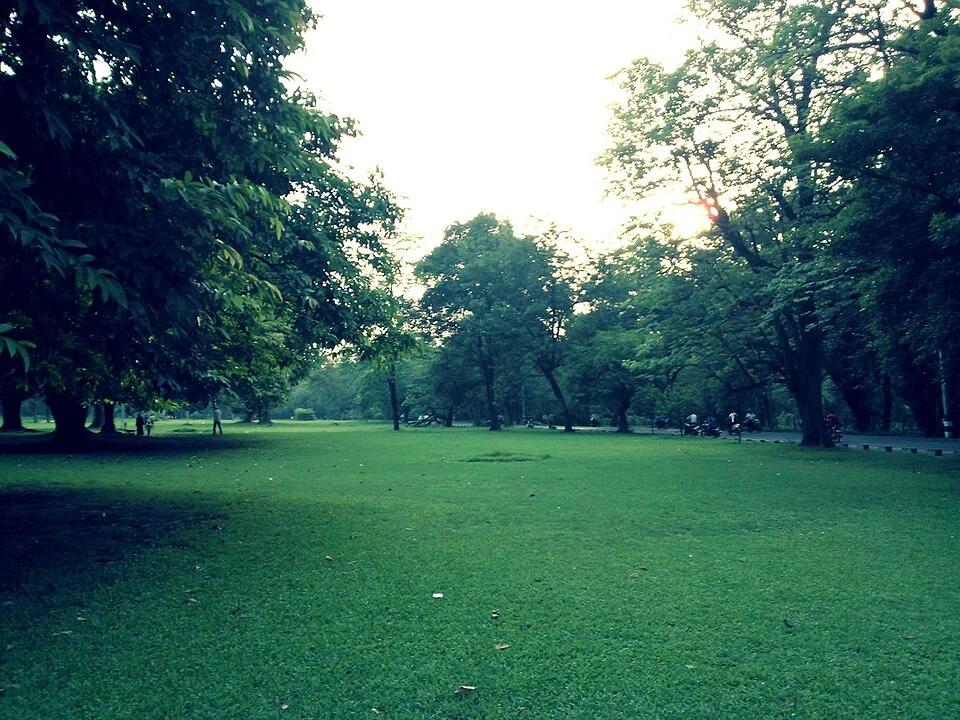
Give the first half of the second day to Jubilee Park. Tata Steel’s city account records its historical role; the useful experience is seeing how a substantial green pause sits inside an industrial city. Choose a short circuit combining a garden, trees or a permitted lakeside section instead of trying to cover the entire grounds. Find out which entrance is open and whether an event changes the visiting arrangement that day. Photographs of illumination during a particular anniversary do not establish the same display every evening. If you want the zoological park, treat it as a separate admission and time decision; being in the park does not automatically provide zoo access. Families can have a satisfying morning through a shorter walk and a pause on an appropriate open area. Break for a seated city lunch before continuing into a neighbourhood. That makes the afternoon another part of the visit rather than a tired extension of the park circuit.
Dimna: the water landscape with its own day
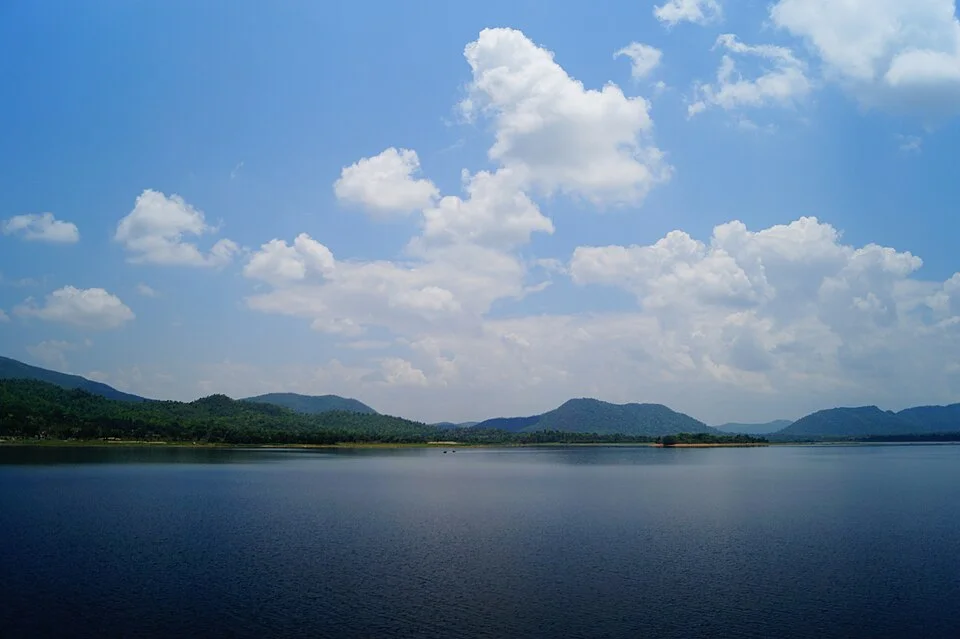
Dimna Lake is the principal outward stop on the third day. The East Singhbhum district administration describes access to it through Jamshedpur. Do not plan it as though walking from a central-city bench directly to the shore: outward travel, the appropriate visiting point and return each take time. Ask about the road and the accessible shore before leaving the accommodation. A comfortable viewpoint and a short permitted walk may be sufficient. Entering the water or taking a boat is not a compulsory activity in this guide. If a service is offered, verify its current operator, permissions and safety arrangements separately. Calm water in a picture does not establish today’s conditions. Take a small snack if useful, but keep a proper meal in the plan for the return. Someone with only one available visiting day must shorten the city programme when selecting Dimna. The two complete days in the main itinerary prevent the park and lake interests from consuming each other.

Domuhani: a short connection to the river meeting
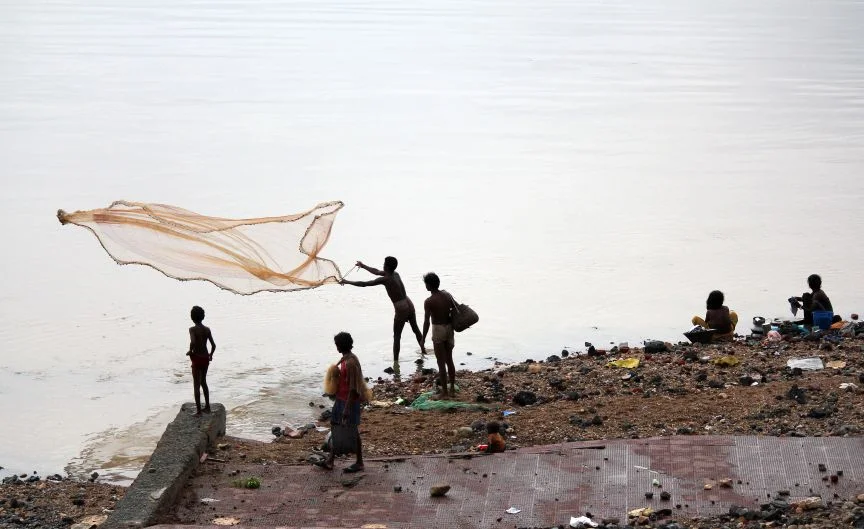
The meeting of the Subarnarekha and Kharkai is described as Domuhani in city guides. Tata Steel’s city brochure records this geographical setting. If it interests you, discuss the connection and arrival time rather than automatically adding it to the return from Dimna. A short look from a currently permitted, usable part of the bank is enough. A photograph of people fishing neither gives a visitor fishing permission nor recommends entering the water. Leave local workers, and any religious use of the place, undisturbed. If the approach is muddy or closed, do not force another route simply to complete the stop. Avoid turning the evening return into a search for transport from an uncertain riverbank. The confluence may be meaningful for someone interested in geography; another traveller can omit it and keep a longer meal in the city. The principal focus of the third day then remains Dimna, with the river connection a measured option rather than a second full expedition.

Hudco: a different lake setting instead of Dimna
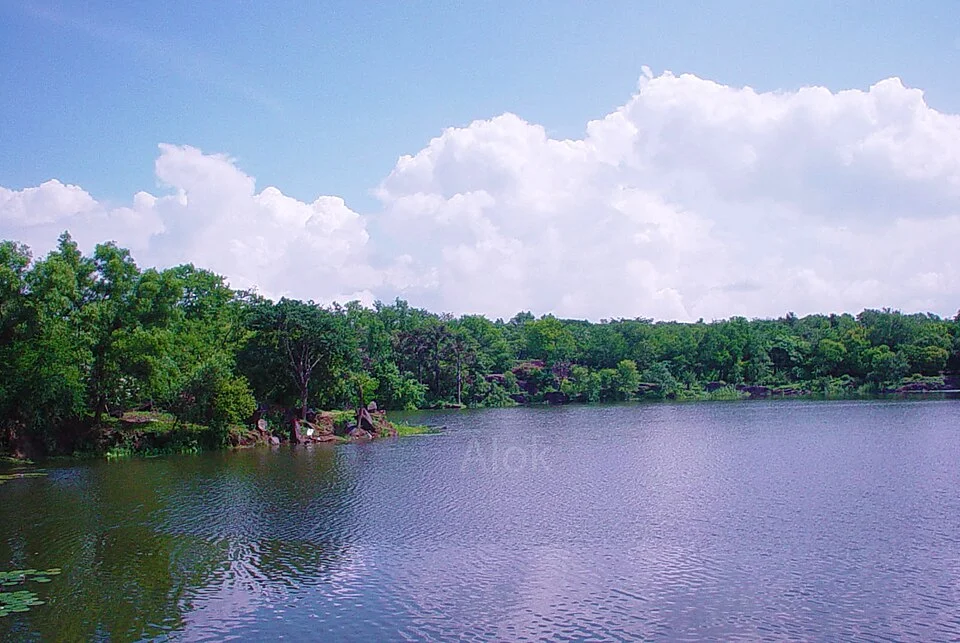
Hudco Lake is another water setting on the Telco side of the city. It is not a different name for Dimna or an extension of the same shore. The city brochure treats it as a separate excursion choice. Select it after asking about the approach, the walking area permitted today and the return connection. A shorter visit or accommodation in a particular neighbourhood may make it more practical than Dimna. Rather than aiming to complete both lakes in a single day, make one setting the place for an unhurried walk and a meal interval. Closed access is not an invitation to find a private gate elsewhere in the neighbourhood. The accompanying photograph records a past landscape; it does not confirm current operating or recreational arrangements. This alternative changes the water-setting choice on day three but does not create another complete visiting day. Remove Dimna when choosing Hudco so that travel does not overwhelm the city experience.

Dhuska, litti chokha and pitha for a Jharkhand meal
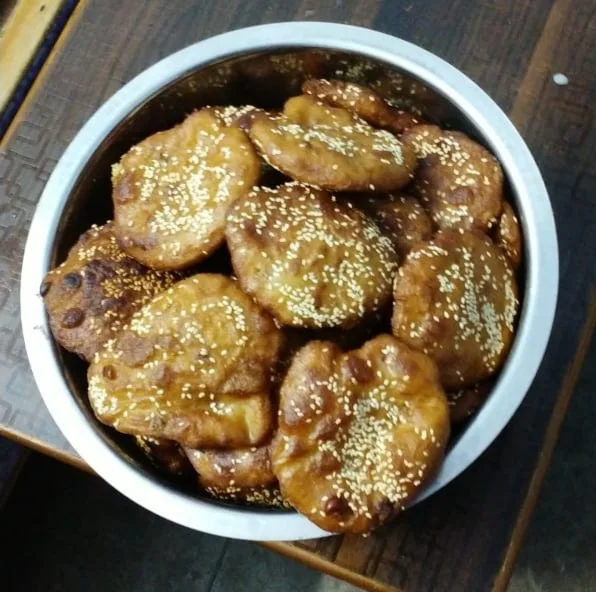
The national tourism food account names dhuska, pitha and khaja for Jamshedpur. Dhuska, prepared with rice and lentils, can make a small first tasting. Litti chokha is a regional meal associated with Jharkhand and neighbouring Bihar, rather than a dish exclusive to one city. Asking for these gives the visit a concrete food interest beyond relying on the same chain menu throughout. Pitha can refer to different sweet or savoury preparations, so learn which version is being offered. The gur pitha in the photograph was documented in Sarjamda within a Santhal community context. It does not promise that every restaurant serves the same item every day. Recognising seasonal and household food traditions prevents a preparation from becoming merely a shopping object. A seated meal after Jubilee Park and a simpler dinner following Dimna can work well. Let the available kitchen guide the choice rather than crossing the city repeatedly in pursuit of a single celebrated name.

Choosing a base, respecting access and leaving on day four
Compare city bases around Sakchi and Bistupur through daily meals, vehicle meeting points and your principal visiting purpose. Someone with work appointments elsewhere may not need tourist-centre proximity as the only measure. An early train departure can make the last-night connection important; ask about luggage storage, late check-in and whether a vehicle can reach the entrance. Seeing an industrial plant, research facility or private club from outside does not establish visitor access. If an institutional invitation is needed, confirm it separately before adding the place to the programme. Day four belongs to breakfast and departure, not a third complete sightseeing day. Keeping one park day and one water-setting day allows industrial heritage, considered open space and a specific Jharkhand meal to complete the journey together. Travellers wanting more lakes or a mountain outing can allocate another complete day. They need not force additional distant stops into the two days that already have a clear purpose.