

Siliguri: giving a transfer stop its own purpose
The Tatilmerkezi Stork suggests leaving a little time on the plains before turning towards the hills. Siliguri is often encountered between Bagdogra airport, New Jalpaiguri station and the next mountain destination. This guide treats it as a short city stay with a purpose of its own. It does not reproduce a Darjeeling itinerary beneath a different title. The proposed structure has four calendar days and three nights: arrival, two complete visiting days and departure. Within that framework, station connections, city streets, one monastery setting and considered meals make a coherent visit. A shorter transfer can be reduced to one neighbourhood and one meal. Distant hill destinations need their own transport and accommodation decisions rather than being crowded into the city days. Starting gently is useful for a traveller who has a longer road journey still ahead. Siliguri can be the place where that journey is organised calmly while the everyday life of a trading city becomes part of the experience.
Day one: read the station name before arranging a vehicle
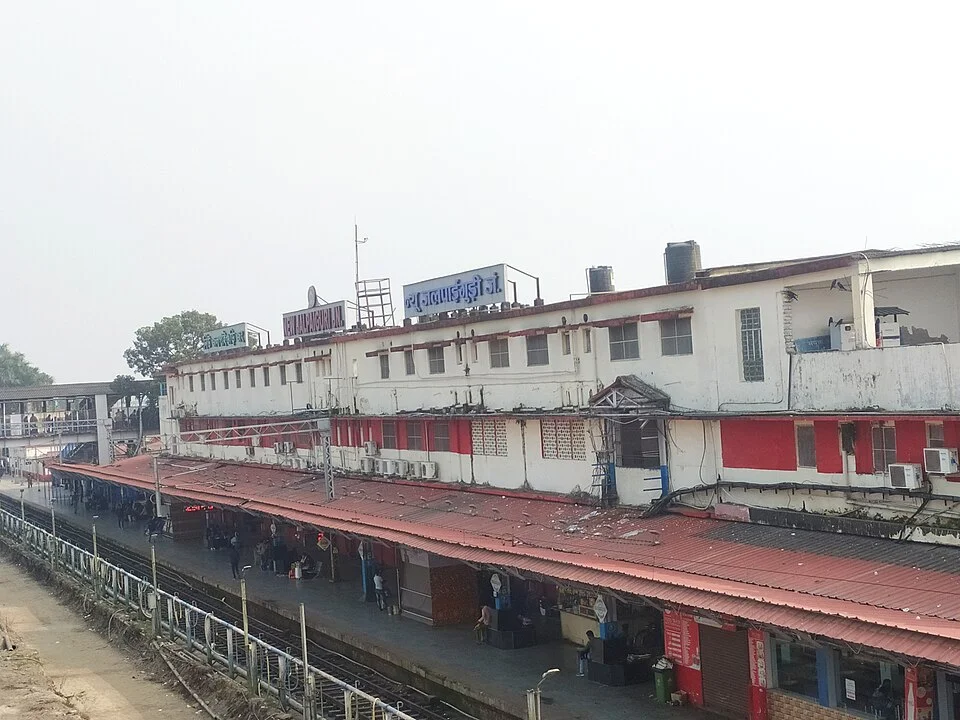
New Jalpaiguri and Siliguri Junction must be read as specific station names on a ticket, not interchangeable pickup instructions. Darjeeling district administration lists New Jalpaiguri and Siliguri as separate rail connections. Share the precise terminal and station code with your accommodation, then agree on the exit where a driver will meet you. A flight into Bagdogra requires a separate road transfer; it is not an arrival directly at your city hotel. Check the actual train or flight status when arranging the connection. Seeing a narrow-gauge train in a photograph does not establish that a particular tourist service runs at your preferred hour. Day one belongs to arrival, checking in and a simple dinner. Someone leaving from another station on day four should organise that difference now rather than assume the return trip repeats the arrival. Clear terminal instructions prevent the short stay from being consumed by an avoidable transfer mistake before the city visit has even begun.

Day two: streets, a junction and a modest river pause
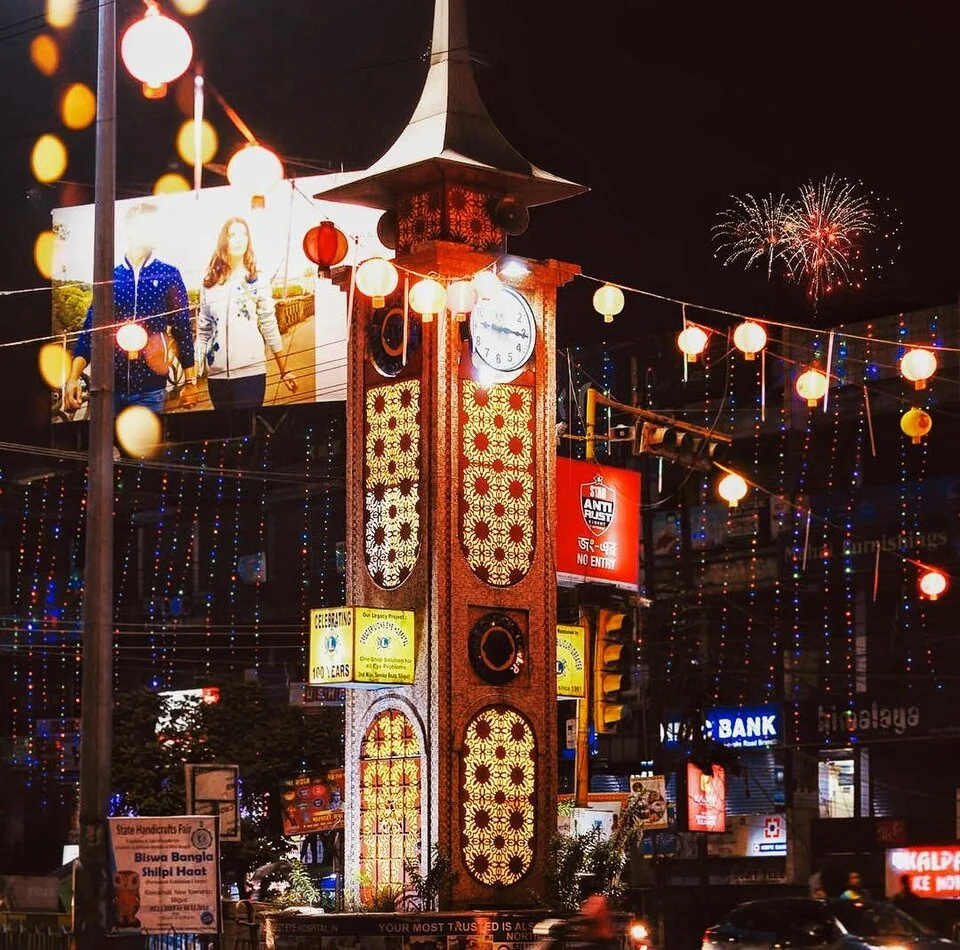
Use the first complete morning to look at the city rather than immediately setting out for the mountains. AirViewMore and the clock tower at Panitanki More provide different street contexts for understanding Siliguri as a working commercial centre. View them from appropriate pavements and crossings; neither junction requires stepping into traffic to reproduce a camera angle. If a river pause appeals, ask your accommodation about an approach currently used and permitted. The Mahananda gives geographical context, but a bank visible in a photograph does not promise a continuous promenade, swimming access or a safe night walk. Break up a hot stretch of pavement with a seated tea stop. Returning to the city centre for the evening keeps the next day’s Salugara visit separate and manageable. Small purchases are easier to carry than a sudden shopping expedition before the next rail journey. Let the day develop through a street detail, a short look at the river and a meal, rather than through a catalogue of distant attractions.


Salugara as the main cultural focus of day three
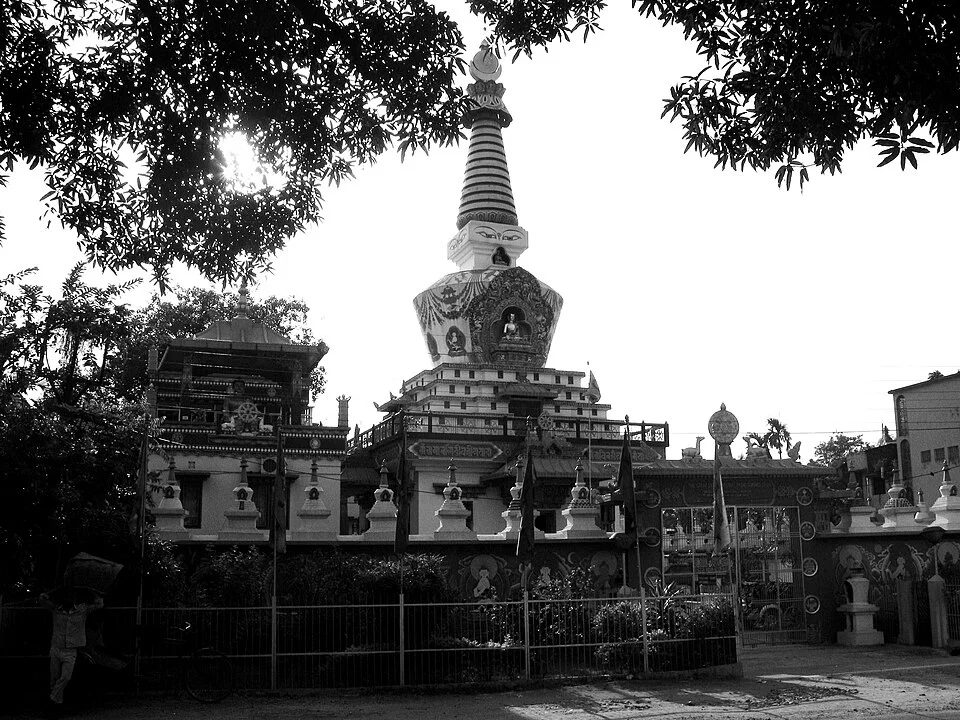
The Tashi Gomang Stupa at Salugara offers a different focus from the commercial streets. National tourism information describes this monastery setting on the outskirts of Siliguri, so plan a vehicle connection rather than treating it as the next block of the central walk. Learn the visiting arrangements for your chosen day and respect footwear, photography and quiet zones. Looking around an authorised courtyard does not establish permission to join a ceremony or enter every interior. Promotional descriptions of meditation or events are not a reservation or a guarantee of access. After a considered visit, a nearby meal and a return to your base can be a sufficient programme. There is no need to use the remaining afternoon to race through several more temples. Active worship takes priority over a visitor’s photograph. Someone interested in architecture and someone seeking a reflective pause can both enjoy the setting without requiring an identical activity. Keeping one principal destination gives the day a clear character and leaves practical room for the road connection.

Separate meals for thukpa, tea and mishti doi
Siliguri’s food interest comes from intersecting regional traditions rather than from finding one dish supposedly exclusive to the city. The official food guide includes thukpa, sel roti and Bengali mishti doi. A bowl of thukpa after the central walk and a small mishti doi tasting following the next day’s return are two concrete choices. Ask the kitchen which vegetable or meat preparation it is serving and discuss ingredients according to your diet. Sel roti has a connection with festivals in Nepalese communities; availability should not be assumed at every shop every day. Drinking Darjeeling tea in Siliguri does not mean you have visited a tea estate that afternoon. Distinguishing the origin of the drink from the location of the meal helps explain the city’s tea trade accurately. Trying all three foods at once is unnecessary. A measured evening meal can suit someone facing an early onward transfer better than a long search for a famous venue. These specific tastes can shape a visit without promising a restaurant, price or daily menu.
Choose a city base or an onward connection deliberately
The first accommodation question is how much time you intend to spend in Siliguri itself. For two complete city days, compare addresses connected with Hill Cart Road or Sevoke Road through meal access and vehicle arrangements. An early New Jalpaiguri departure may instead make the final night’s station connection more significant. City-centre proximity is therefore not the only useful measure. Look at the entrance street, whether a vehicle can reach it and whether luggage can be stored around check-in or departure. A main-road location does not mean every room is quiet; discuss rest requirements when booking. Bagdogra flights also need their own road connection outside the accommodation. Changing hotels during a very short stay can consume the apparent transport saving in repeated check-in procedures. A single practical base often makes both visiting days clearer. Choose it using your real arrival terminal, departure terminal and city interests, rather than trying to stay near a different attraction on each successive night.
Hill journeys and wildlife visits belong to additional planning
Darjeeling, Mirik and Sikkim are onward journeys rather than additional city corners. Their appearance together on tourism pages does not make them effortless additions to the afternoon after Salugara. Someone wanting to see tea production should first confirm that a particular estate accepts visitors and arrange the return vehicle, then allow a separate day. Bengal Safari and Mahananda Wildlife Sanctuary likewise need current entry information from their operators. This city programme guarantees neither a wildlife sighting nor a safari seat. For the Darjeeling Himalayan Railway, the route’s name and the chosen service’s actual starting point, destination and operating date are separate pieces of information. A further night may be preferable to forcing an uncertain return before a train connection. Choosing two days in Siliguri does not create an obligation to complete every nearby promotional attraction. Organising the next stage patiently is also a useful outcome of the stay, especially when the travel ahead involves a distinct landscape and road journey.
Day four: one clear departure, or a shorter version of the stay
The last morning is for breakfast and departure, not a third complete sightseeing day. Read the terminal on your ticket again and allow the luggage transfer to the station or airport. With only one night available, choose between the Salugara focus and a city walk rather than attempting both hurriedly. An afternoon arrival, central tea and thukpa, followed by the next day’s train can be a short but complete pause. With two full days, let the first belong to streets and a modest river view, and the second to one monastery setting. Photograph dates remain in captions: an older street scene does not verify today’s traffic arrangement or pedestrian access. Rain may make a meal and rest more useful than forcing an outdoor stop. The Stork’s suggestion here is simply to see something of the plains before leaving for the hills. A correct station connection, a distinctive city detail and several researched tastes can give a transfer night its own satisfying travel purpose.